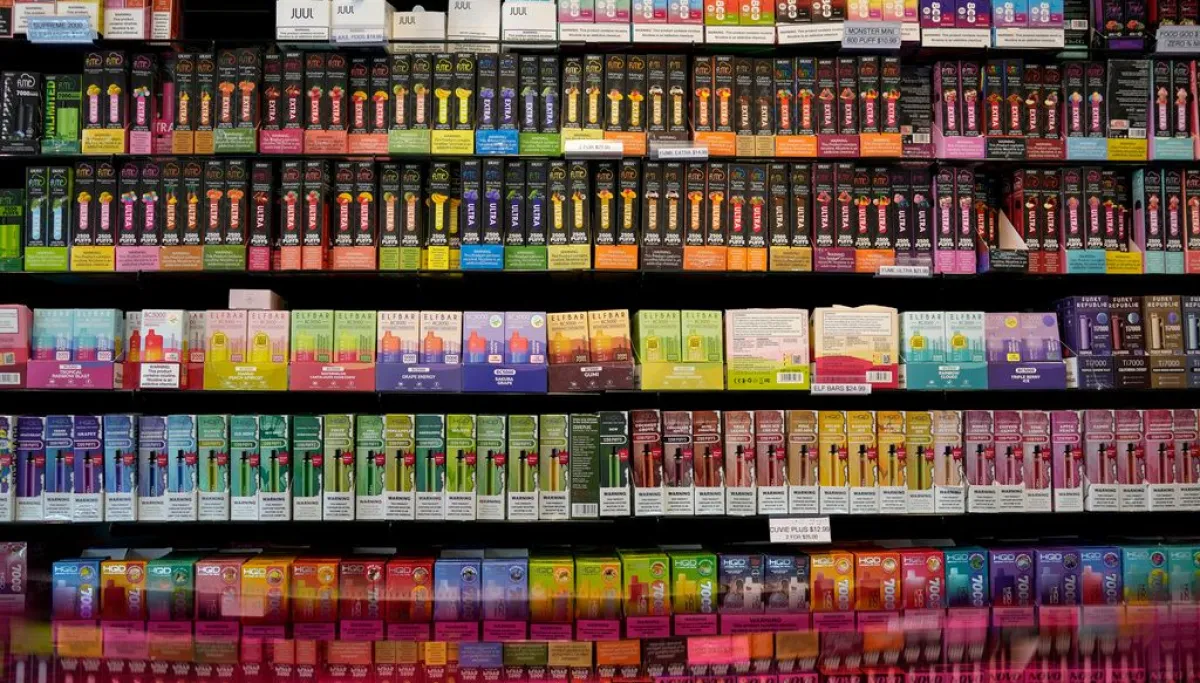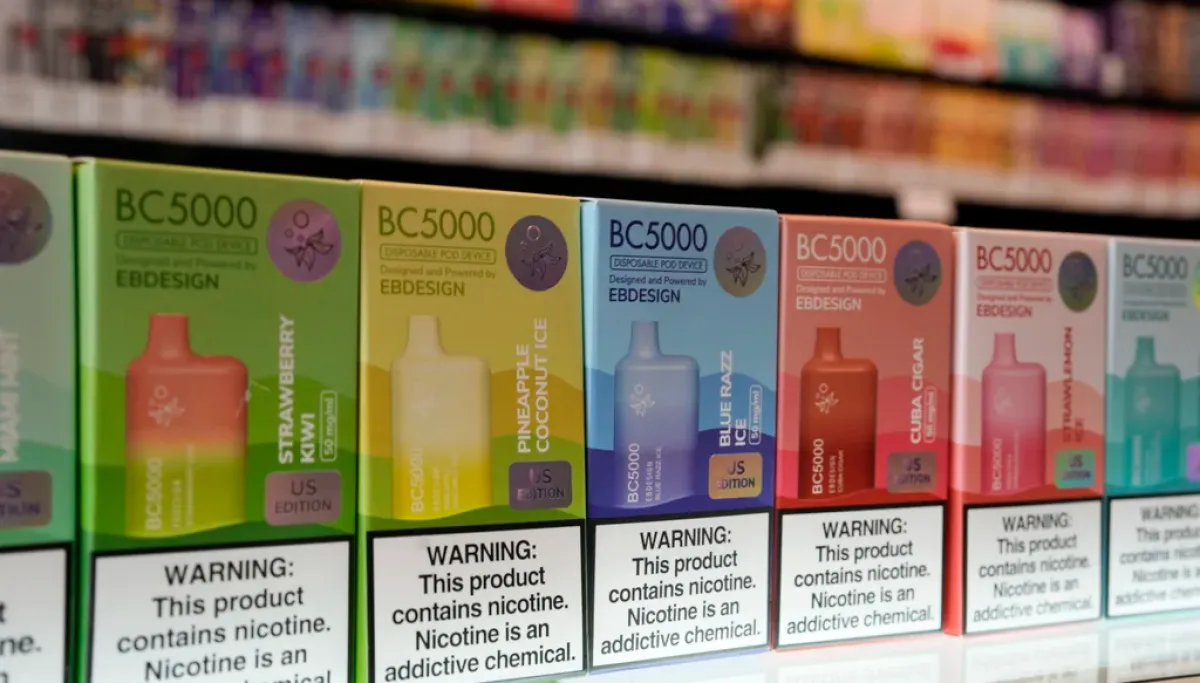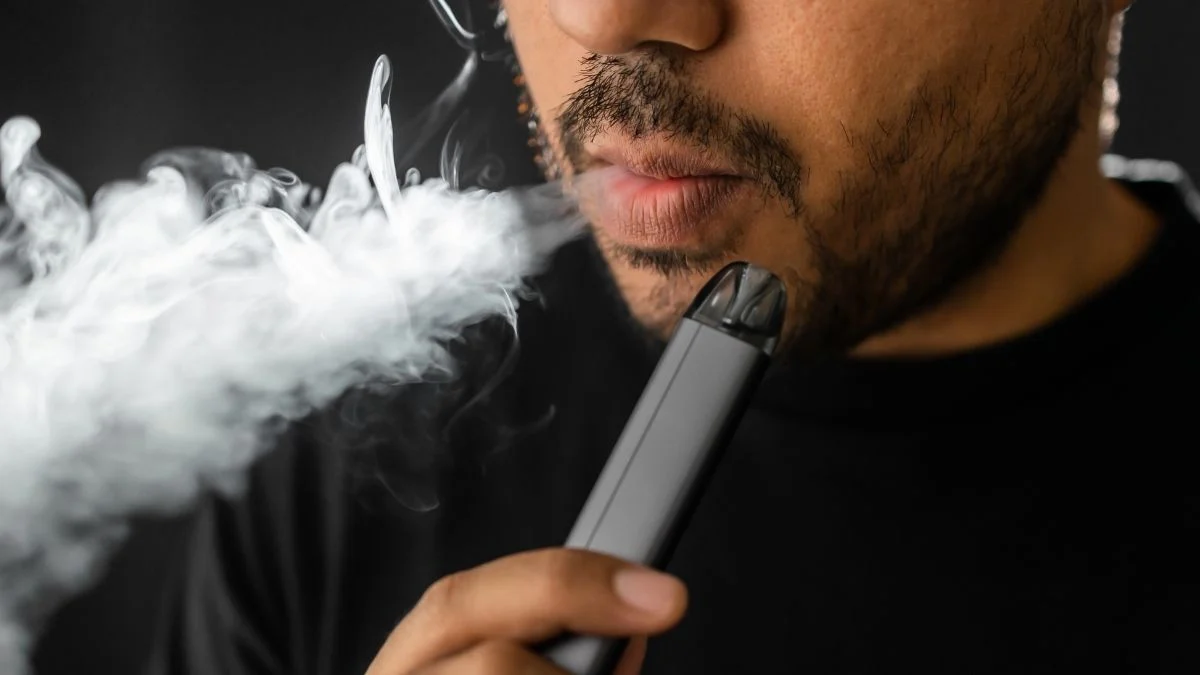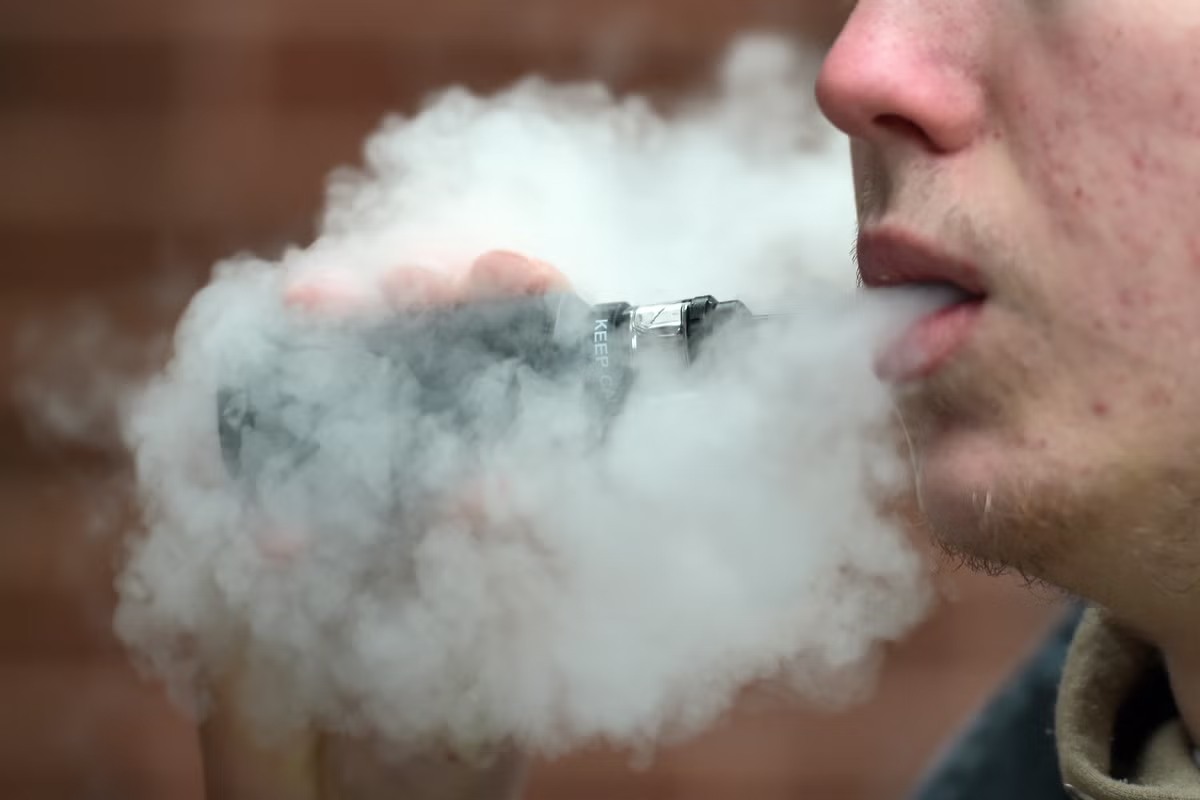
As a physician and former 11-term member of Congress who focused on health policy, I have devoted my career to advancing health for Americans. The most persistent health issue I have encountered was reducing smoking rates. Even today, smoking is still the leading preventable cause of disease. The good news is that we now have a tested pathway to dramatically impact, if not eliminate, smoking and avoid its needless health toll and associated health costs.In 2009, Congress gave the Food and Drug Administration responsibility for tobacco regulation with the charge to reduce smoking and smoking-related disease while preserving the right of adults to use tobacco if they chose to do so. As a member of Congress at the time, I was concerned that the FDA would hamper, not foster, access to reduced-risk alternatives to cigarettes. Since then, innovative products such as e-cigarettes and nicotine pouches were developed, are dramatically less risky than cigarettes (many in public health estimate the risk reduction to be 95% or greater), and help smokers quit. In short, spot on for the FDA’s core tobacco mission.And yet, FDA mismanagement led to a result that defies both common sense and good public health policy. The FDA rejected 99% of vapor product applications, thereby ceding the market to illicit sellers (now accounting for 70% to 80% of total vapor sales). No one knows the content of illicit vapes, and many are marketed to kids. These were all problems of the FDA’s own making. The agency never set clear standards to guide product approvals. Compounding the problem, it created an application process that takes too long and costs too much.
Anti-vaping hysteria keeps smokers hooked. FDA is (finally) embracing reality
Restricting reduced-risk vapes keeps smokers hooked on cigarettes. FDA authorization of safer nicotine alternatives saves lives.
841 words~4 min read