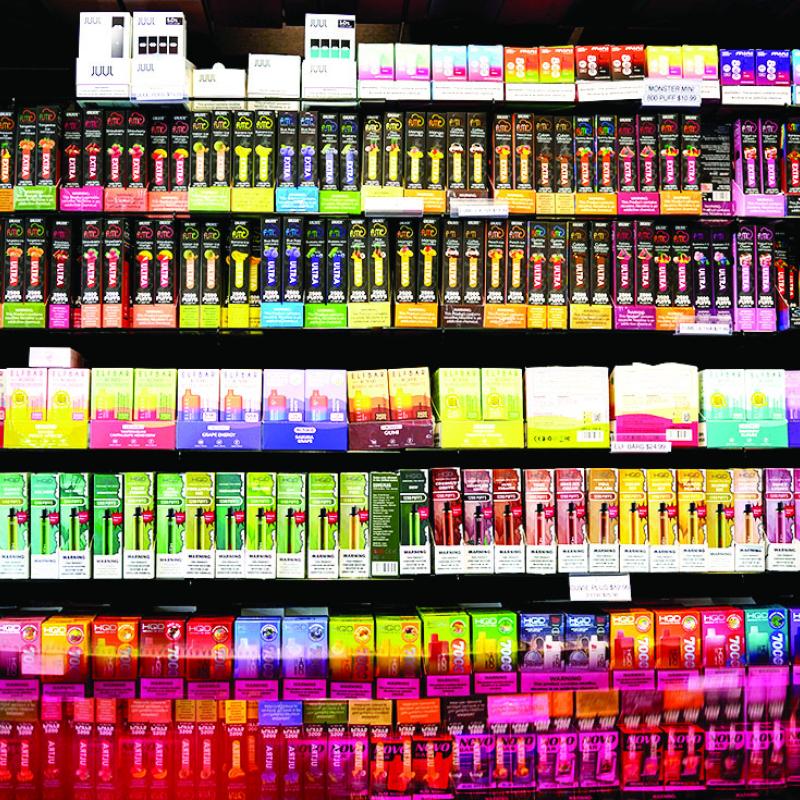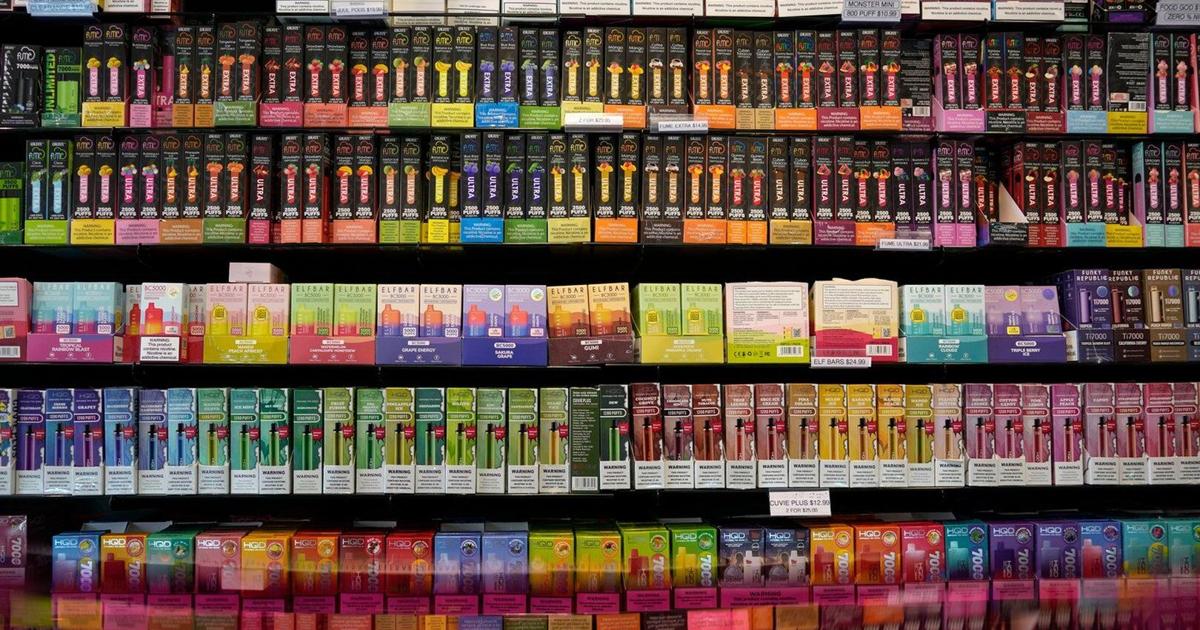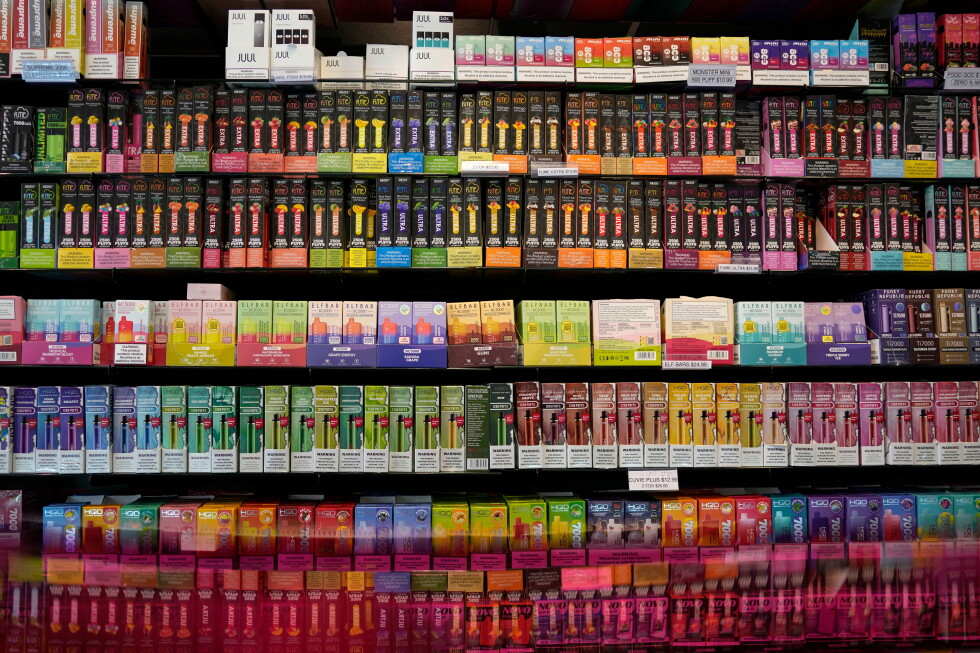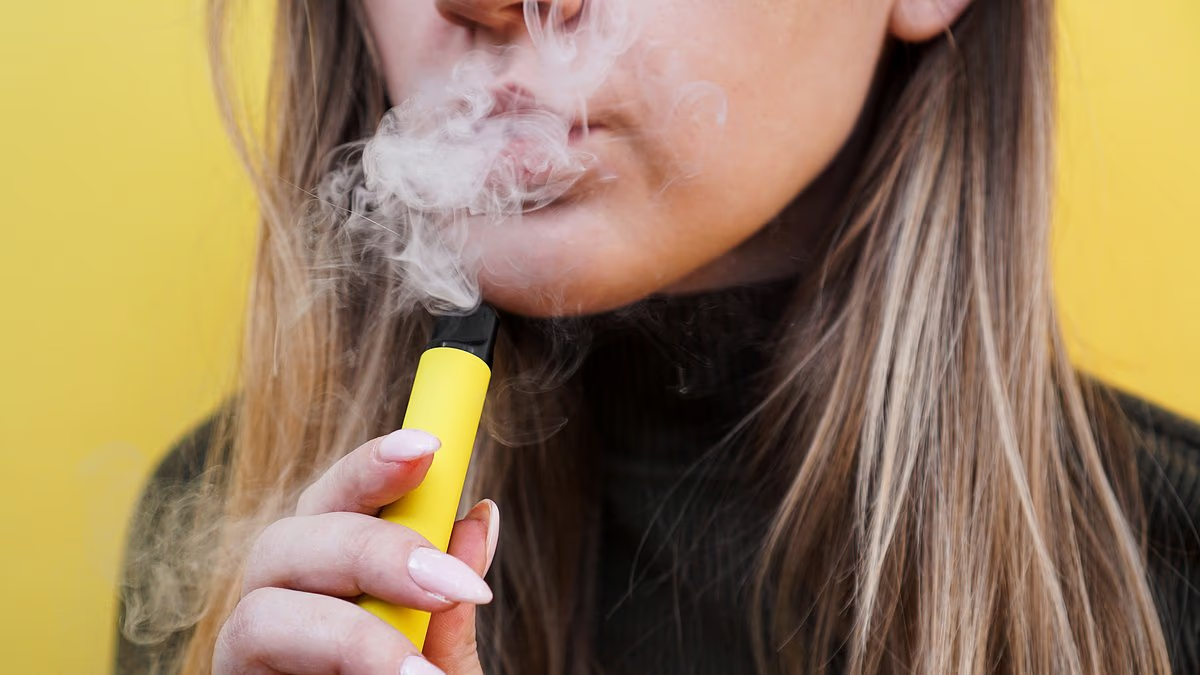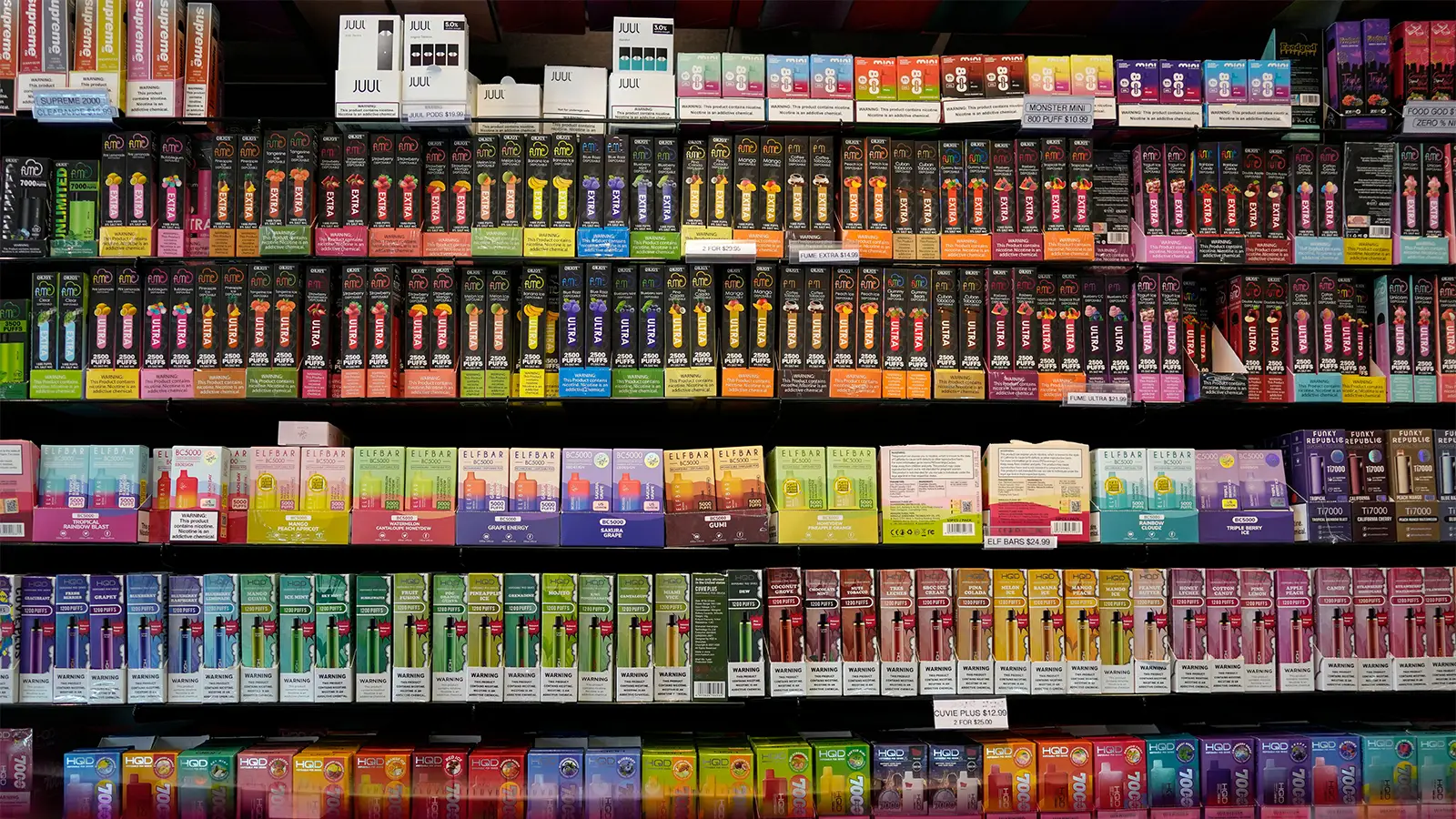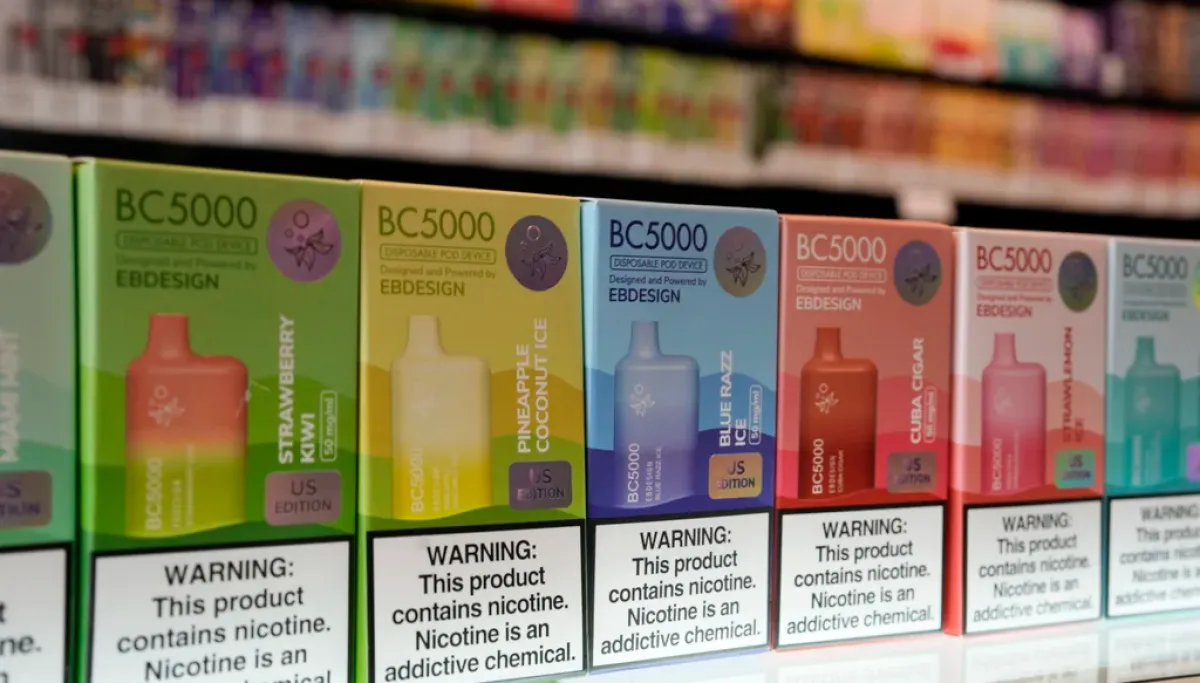
If reports are correct that Food and Drug Administration Commissioner Marty Makary resigned under pressure from the White House to approve flavored nicotine vaping products, the episode says a great deal about the state of American tobacco policy. Cigarettes remain legal, ubiquitous, and extraordinarily deadly. Yet smoke-free alternatives that may help adults move away from combustible tobacco continue to trigger political panic out of proportion to the actual public health trade-offs involved.There is something deeply unserious about how Washington talks about nicotine. Cigarettes, the most dangerous products in the category, remain widely available. Smoke-free alternatives, however, are often treated as if their very existence is beyond the pale. That disconnect has fueled a regulatory debate that is too often driven by moral panic over nicotine rather than by outcomes.
The FDA’s recent approval of several flavored smoke-free products has sparked outrage from familiar quarters, with critics arguing that any legal pathway for flavored alternatives is inherently reckless. Sen. Dick Durbin (D-IL) posted on X that “these products addict children & expose them to harmful chemicals.”
An adult smoker standing at a convenience-store counter does not face an abstract policy debate. That person faces real choices: continue smoking cigarettes, buy an illicit product of uncertain origin, or try a legal alternative that has undergone review. Any regulatory system that ignores those real-world choices loses touch with reality.