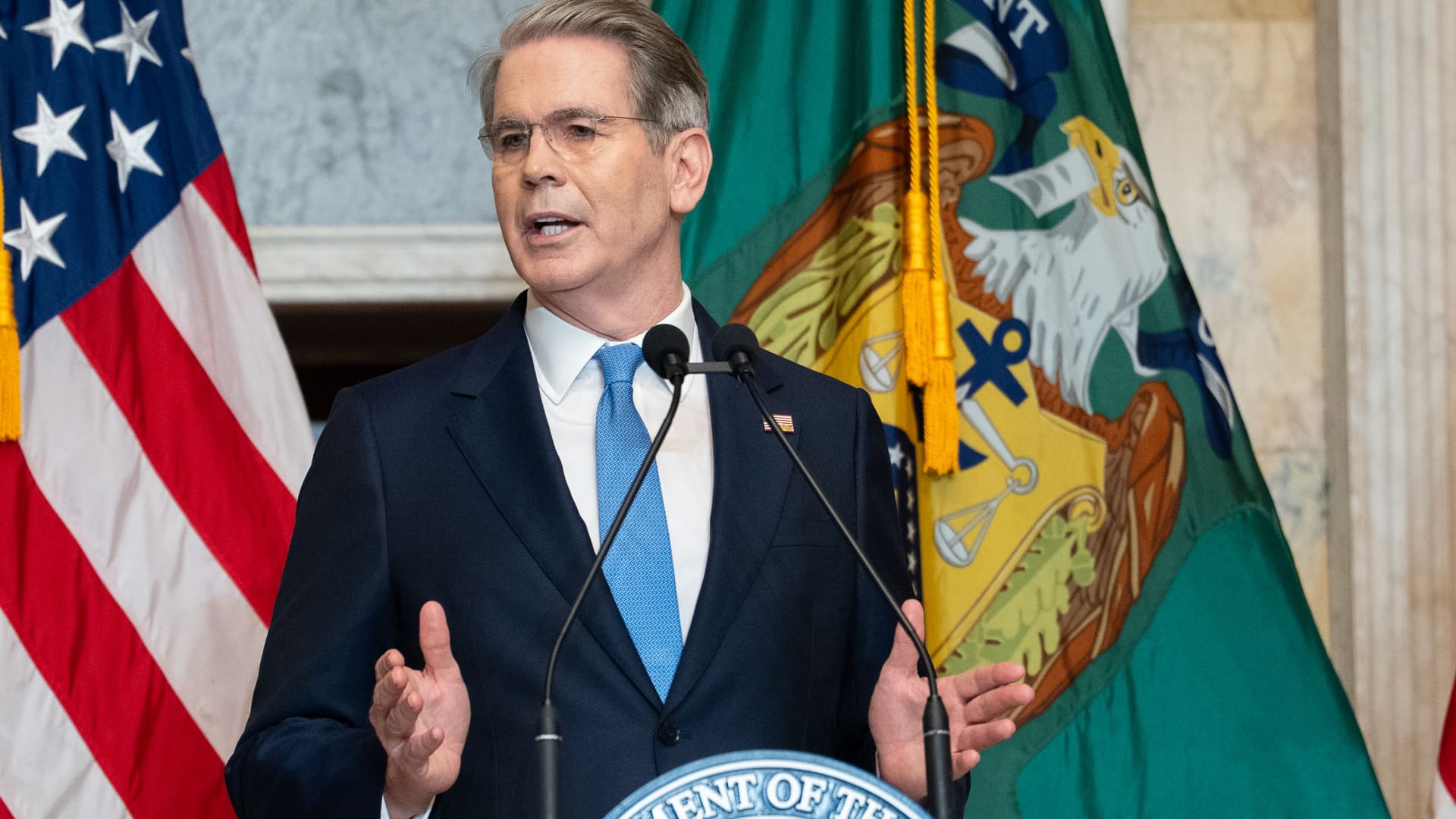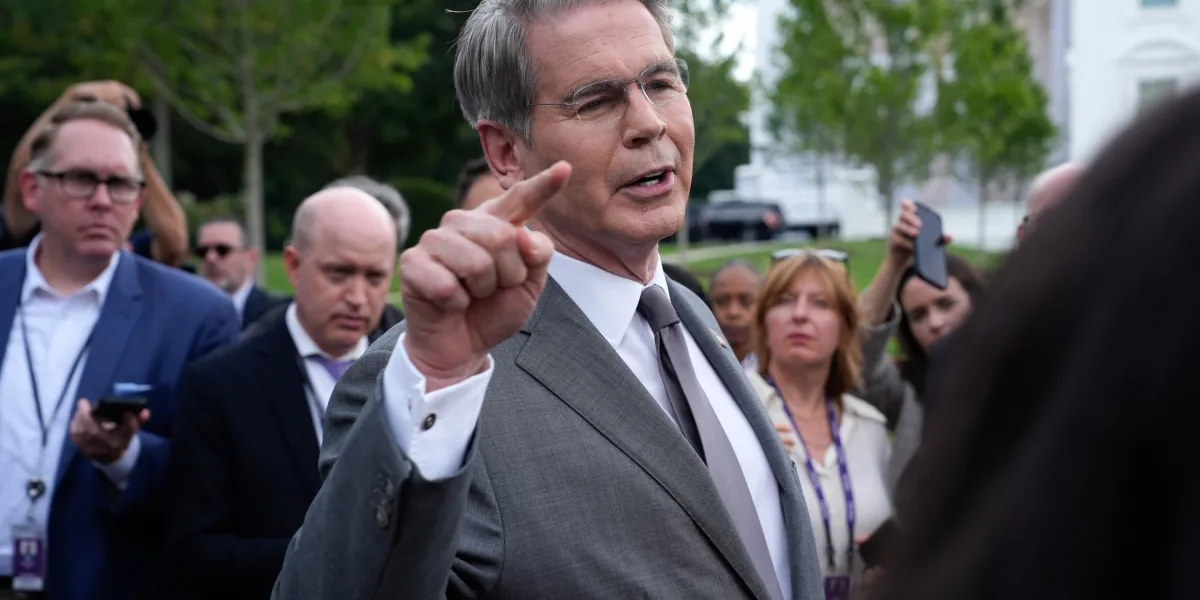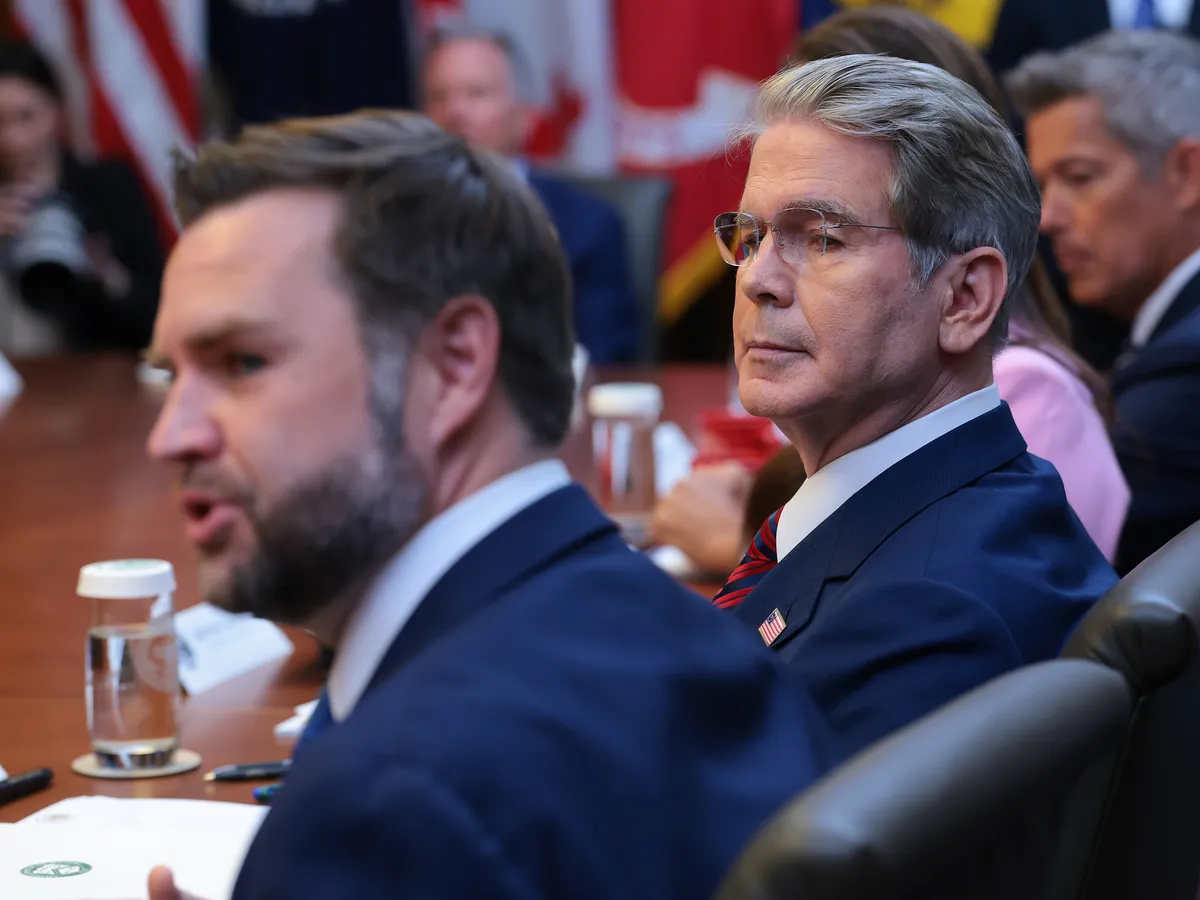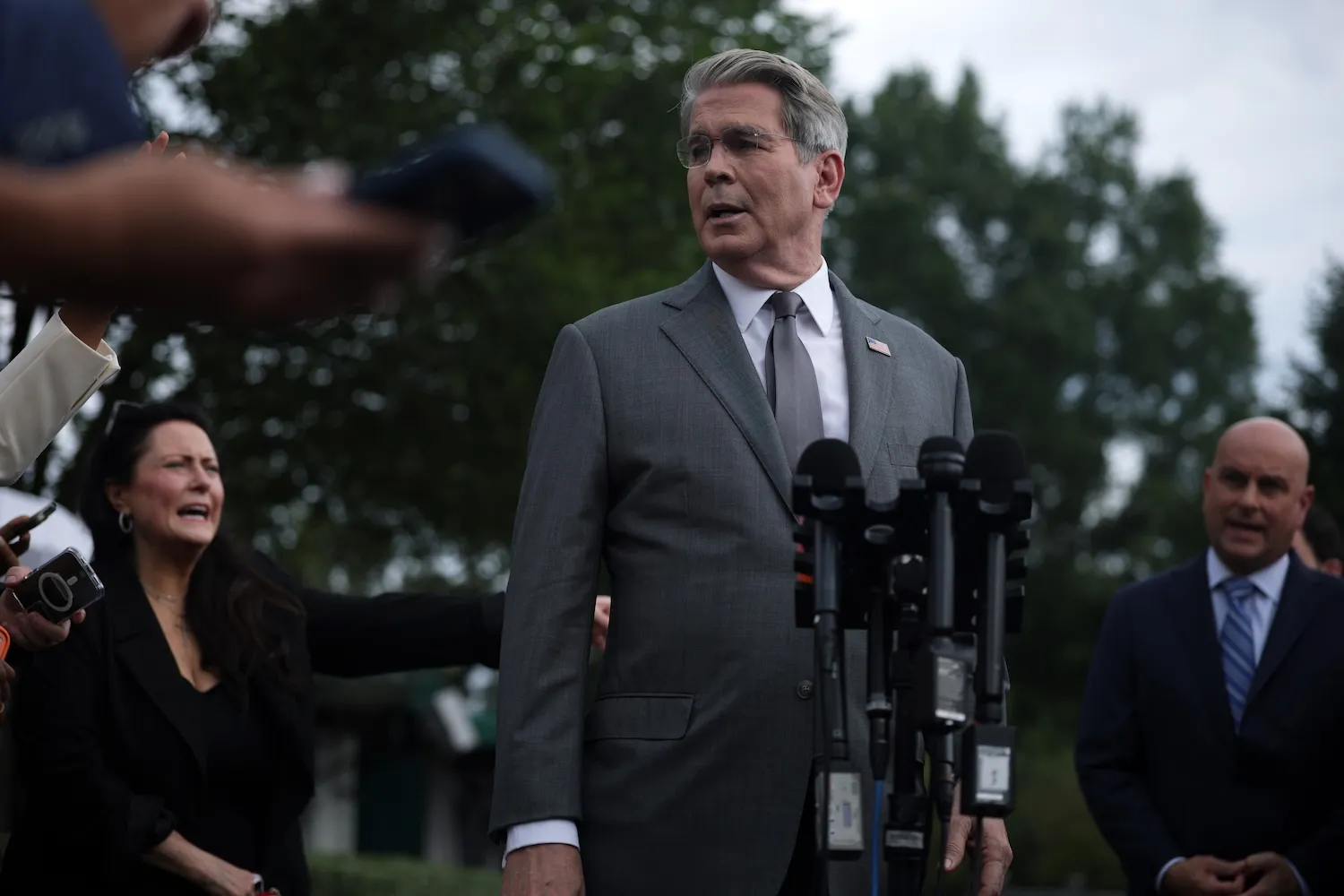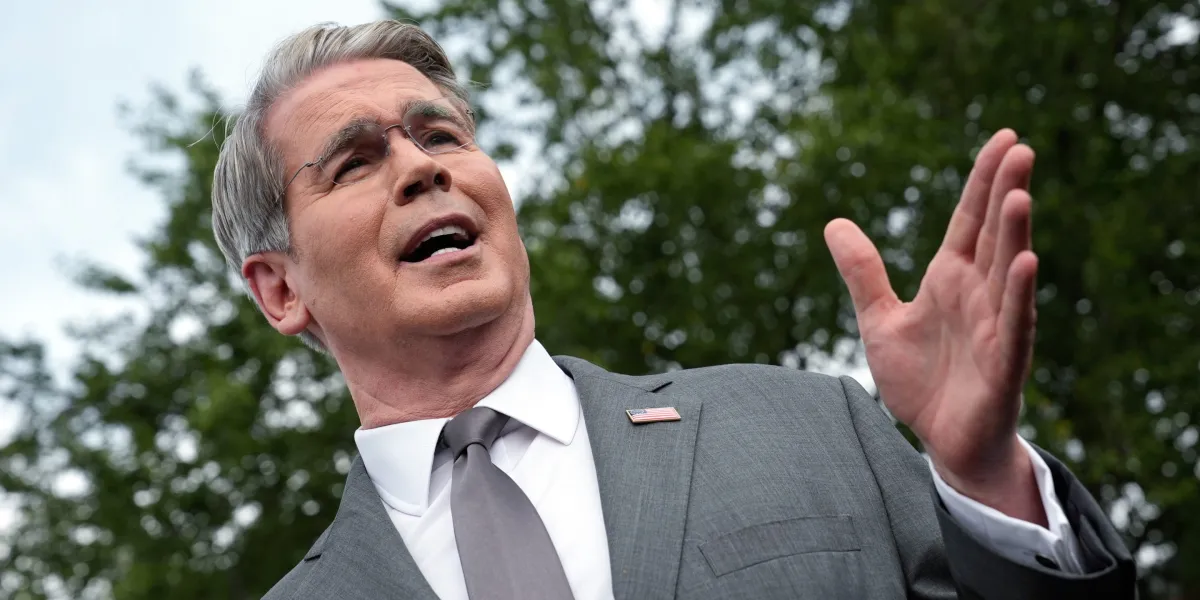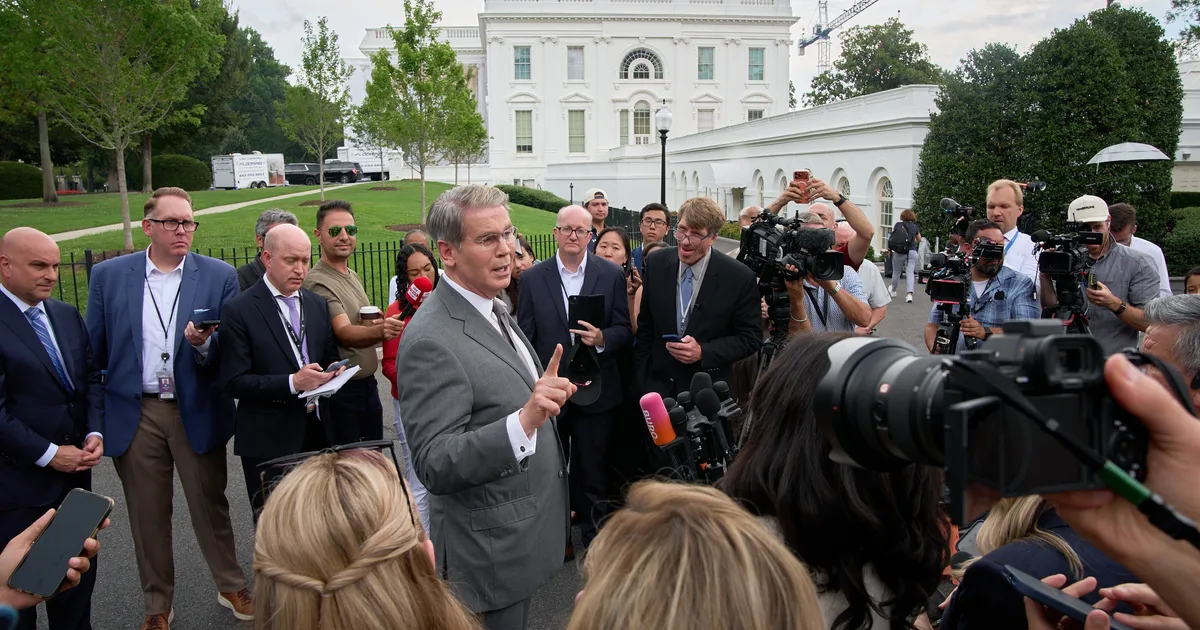
Treasury Secretary Scott Bessent has been making a case that would sound obvious at a dinner party but counts as borderline revolutionary in Washington: an economy that doesn’t grow is an economy that breaks.
In Senate testimony, Bessent stated plainly that “economic stagnation is, itself, a threat to financial stability.” Not reckless lending. Not exotic derivatives. Not overleveraged banks. Stagnation. The framing represents a philosophical pivot for the body charged with keeping the US financial system from imploding.
The stability of the graveyard
In remarks delivered on December 11, 2025, the Treasury Secretary was even more direct, asserting that “economic growth underpins financial stability” while criticizing existing regulations for actively harming the growth they should be trying to protect. He’s coined a phrase for what overly cautious regulation produces: “the stability of the graveyard.”
Under Bessent’s leadership, the Financial Stability Oversight Council has undergone a notable restructuring. The FSOC, created in the aftermath of the 2008 financial crisis to monitor systemic risks, has adjusted its annual report format to center around two pillars: growth and security. Previous iterations of those reports functioned more like vulnerability assessments, cataloging risks across the financial system. The new approach treats insufficient growth as a vulnerability in its own right.