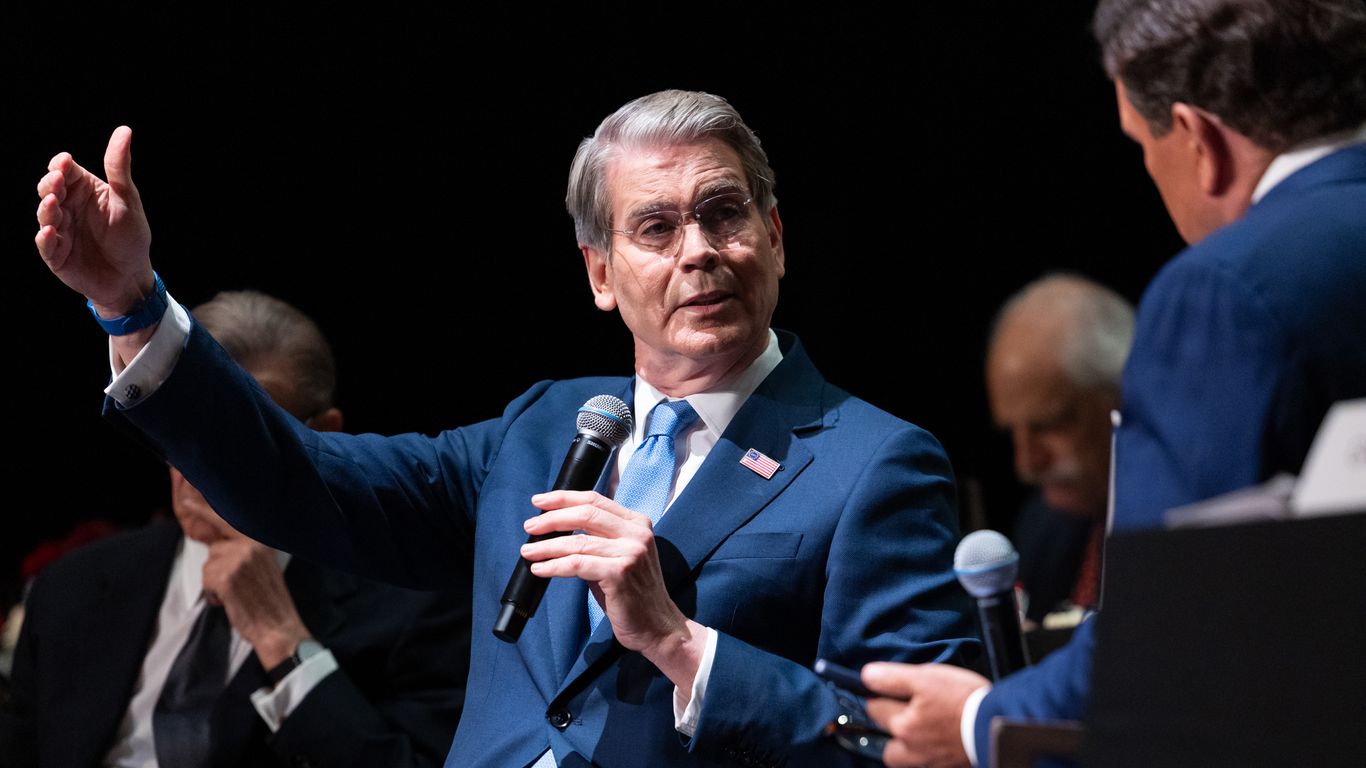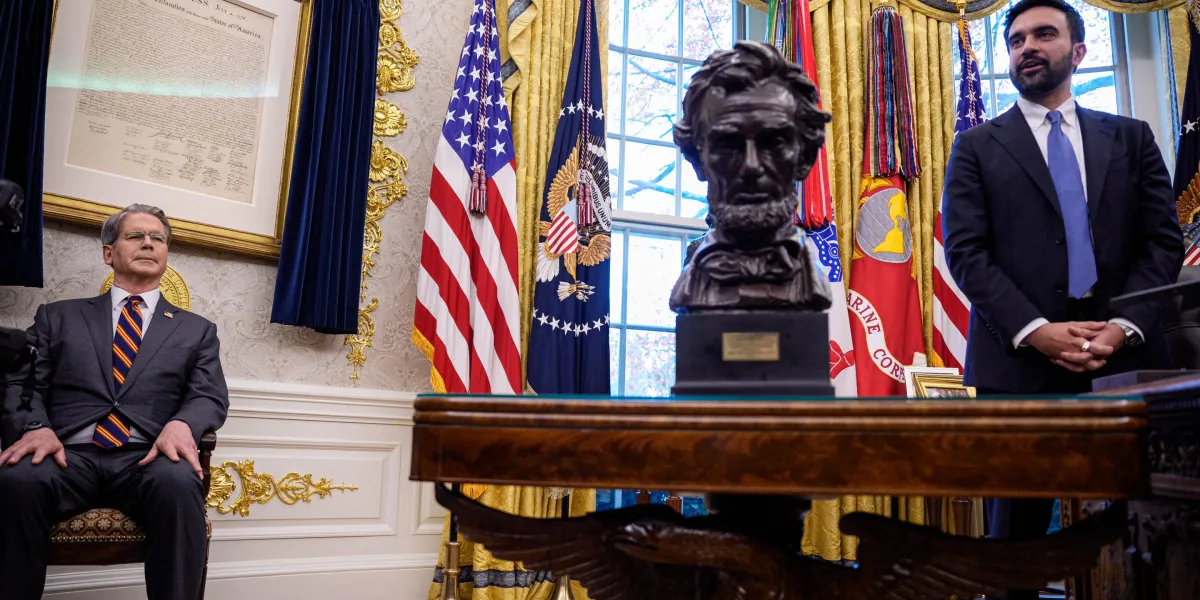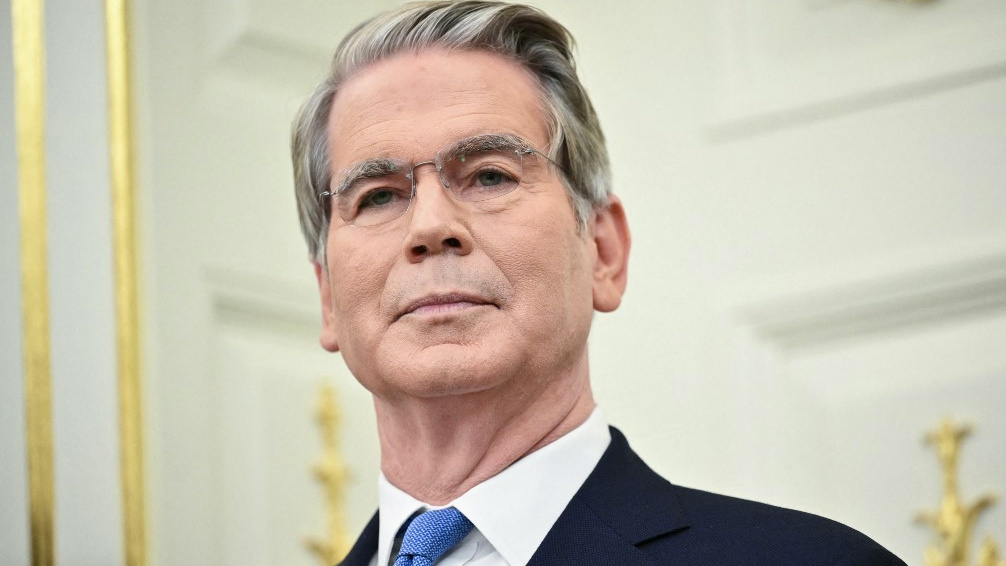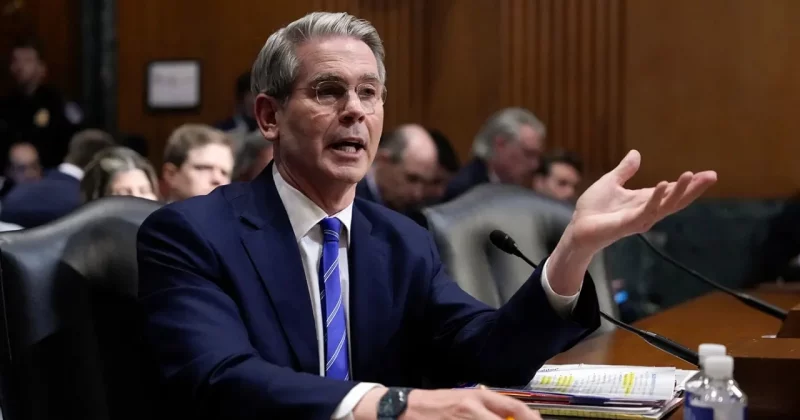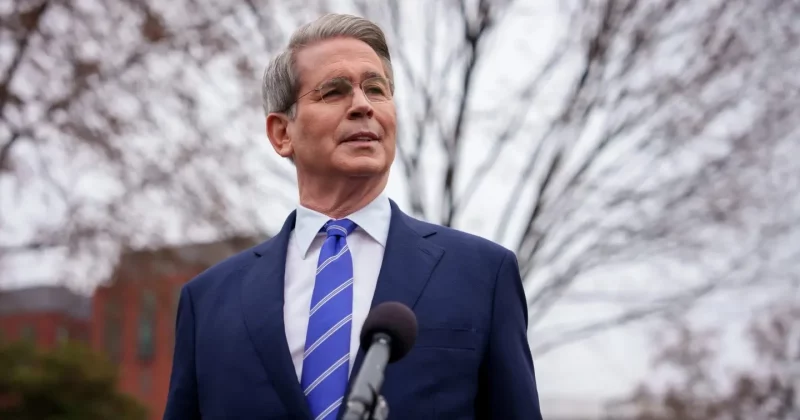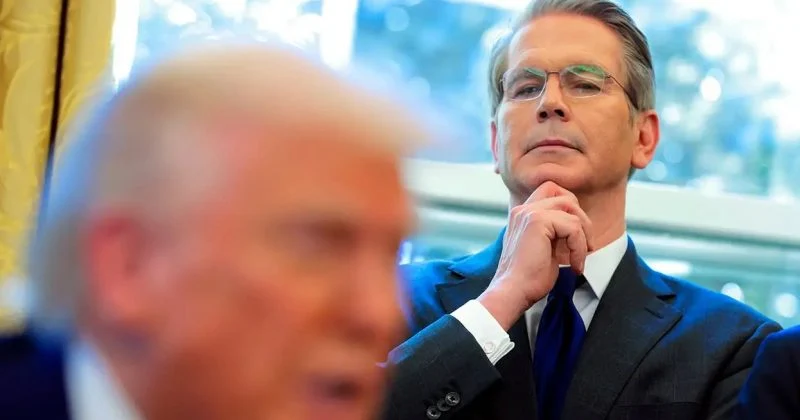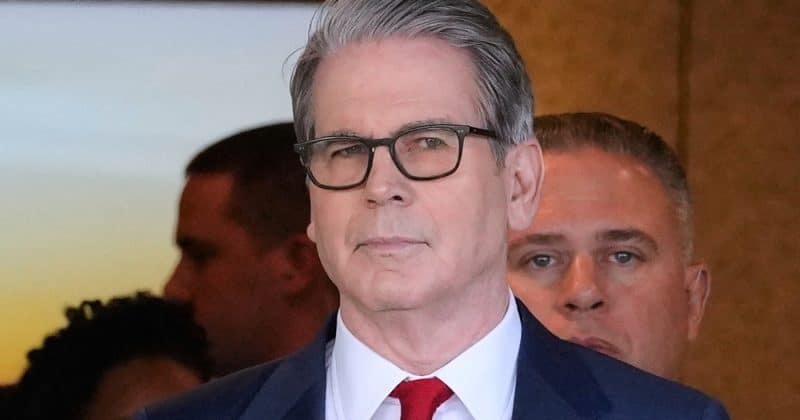
Treasury Secretary Scott Bessent stood before the Economic Club of New York on June 23 and delivered what amounts to a formal obituary for the postwar economic consensus. The patient, in Bessent’s telling, had been sick for years. The diagnosis: decades of unconditional market access that hollowed out American industry and handed strategic leverage to foreign adversaries.
The remarks were later adapted into a Wall Street Journal op-ed, giving them a wider audience and a more permanent form than a gala dinner speech typically earns.
Hamilton’s ghost is doing a lot of work right now
Bessent reached back roughly 230 years for his intellectual anchor, invoking Alexander Hamilton’s conviction that “every nation ought to endeavor to possess within itself all the essentials of national supply.”
The Treasury Secretary laid out five principles he says define a modern US economic statecraft. First, national capacity sits at the center of economic security, meaning the ability to actually make things matters as much as the ability to buy them cheaply. Second, openness should be reciprocal rather than automatic, so trading partners earn access rather than receive it as a default. Third, the US should write the rules for the next economy before someone else does. Fourth, dollar leadership must be actively maintained, not passively assumed. Fifth, economic strategy should visibly benefit American workers and citizens, not just optimize for global efficiency metrics.