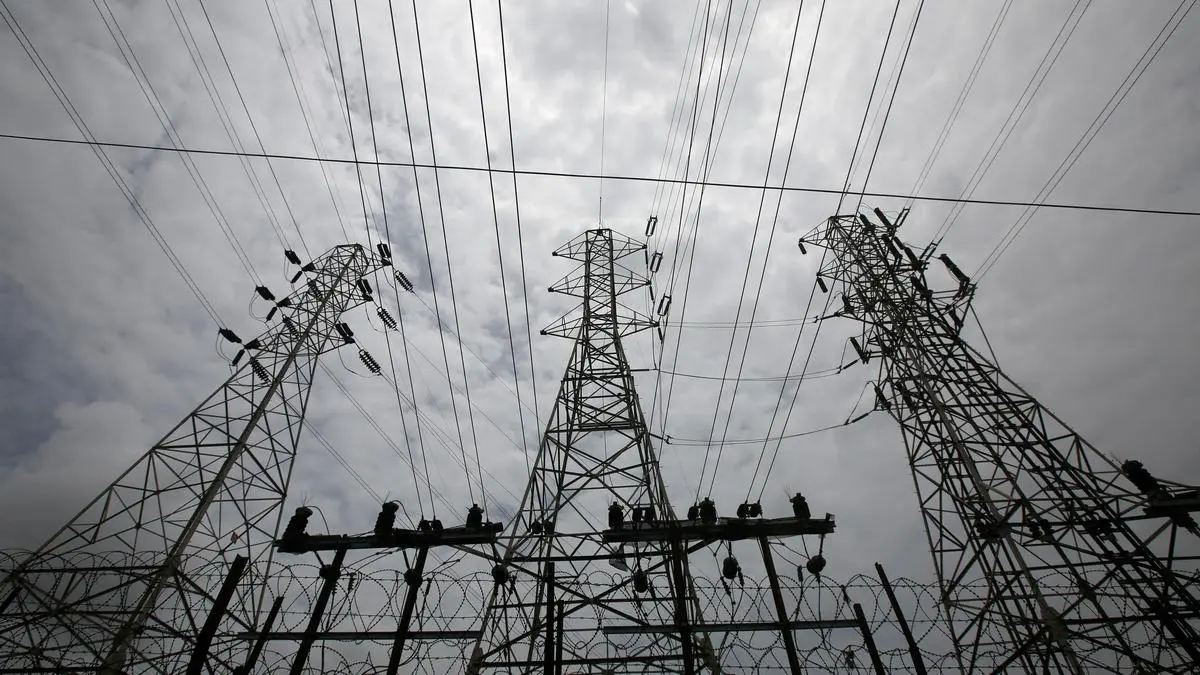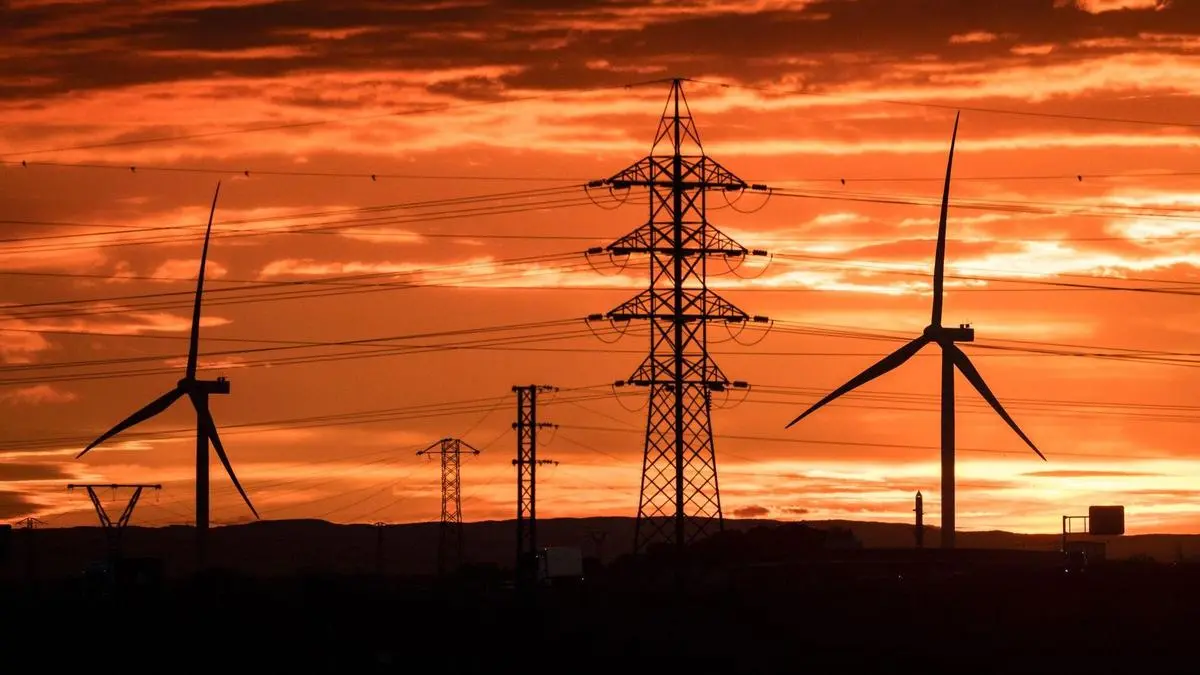
Synchronous condensers are a useful solution for stabilising the power produced by renewables
| Photo Credit:
Angel Garcia
State-run Power Grid Corporation of India (PGCIL) is moving beyond building just transmission capacity, but is also focusing on integrating technologies to ensure grid integrity and resilience as India’s renewable energy capacity expands at a rapid pace. In a first-of-its-kind project, the power evacuation behemoth will install two synchronous condensers at its Fatehgarh-II substation in Rajasthan, which will help it maintain voltage and stabilise the transmission grid as large volumes of renewable energy flows into the network.The project signals a shift in transmission planning: the challenge is no longer just moving more renewable electricity, but ensuring the grid has the strength and resilience to absorb it reliably. According to ABB, synchronous condensers (SCs) are a useful solution for stabilising the power produced by renewables. It is an old technology that provides answers to challenges posed by the increasing penetration of renewables in the energy mix. They are now used to stabilise intermittent and variable power from renewables.PGCIL will leverage synchronous condensers (SynCon), which can provide short-circuit power to strengthen the grid aiding in better interaction of renewable energy, while maintaining integrity of the evacuation infrastructure.An official explained that this is the first such project in India, which PGCIL secured in July 2026 through tariff base competitive bidding (TBCB).“What this means is that grid planning is also evolving rapidly and now planning transmission infrastructure is no longer limited to creating just network capacity, but also building grid strength, stability, and resilience,” the official emphasised.On the utility of synchronous condensers, ABB said on its India website that in several areas the rise of solar and other renewables is happening at the same time that conventional power plants are being decommissioned.As a result, the power plants’ large, high inertia synchronous generators, which used to supply the grid with short-circuit power are being taken out of service. In this type of situation, synchronous condensers can provide additional short-circuit power to strengthen the grid, maintain grid quality and provide fault ride-through capability.The Maharatna company was the successful bidder under TBCB to establish Inter-State Transmission System (ISTS) for installing two SynCon units at the 765/400/220kV Fatehgarh-II Power station on a Build, Own, Operate and Transfer (BOOT) basis.“This SynCon tender was the first-of-its-kind in the country and also for PGCIL,” said a senior Power Ministry official.These are expected to improve system strength, provide reactive power support during faults, increase grid inertia, etc. It will help with better integration of RE into the grid, the official noted.India’s 500 GW of non-fossil fuel installed capacity target and the increasing integration of inverter-based resources, solutions such as grid-strengthening assets like synchronous condensers, STATCOMs, BESS, and advanced power electronics have become equally critical as the transmission lines, the official explained.Published on August 20, 2026