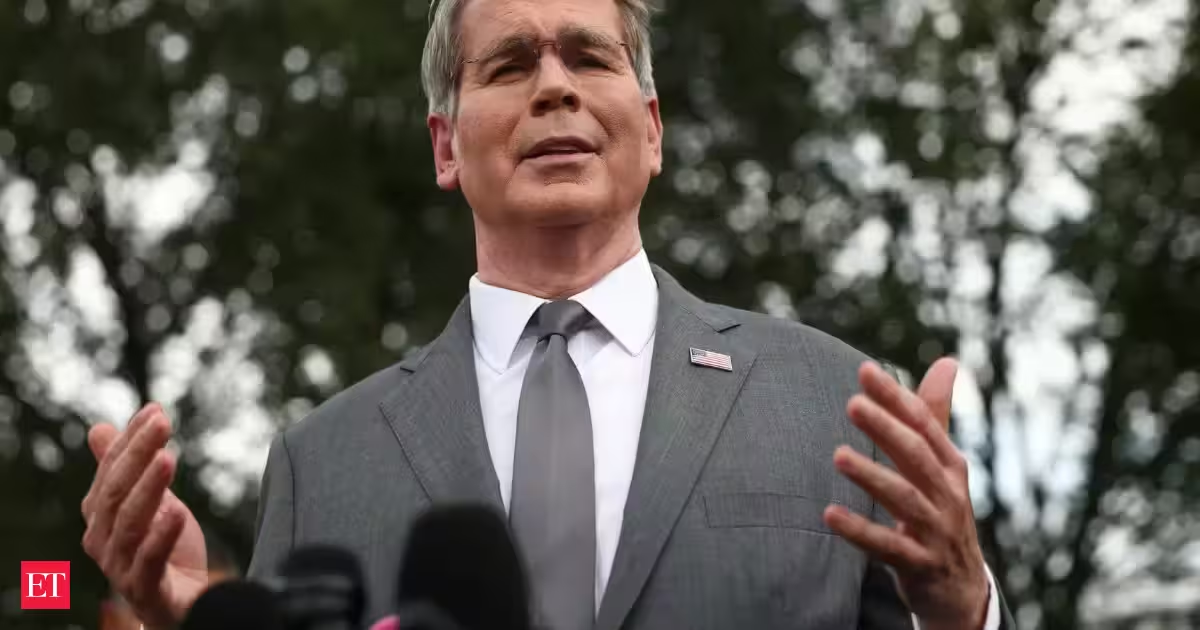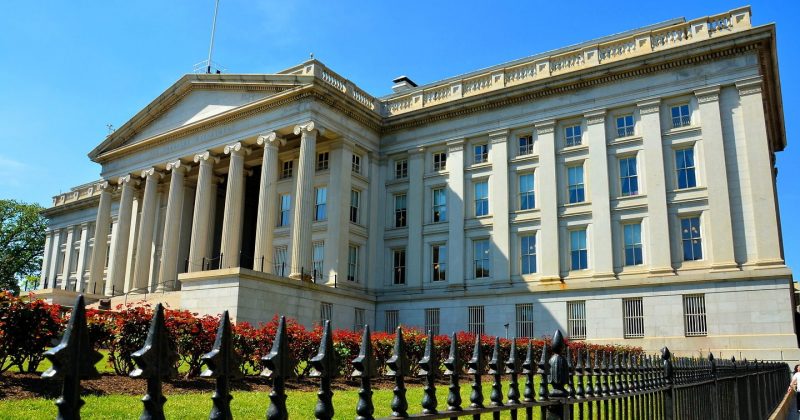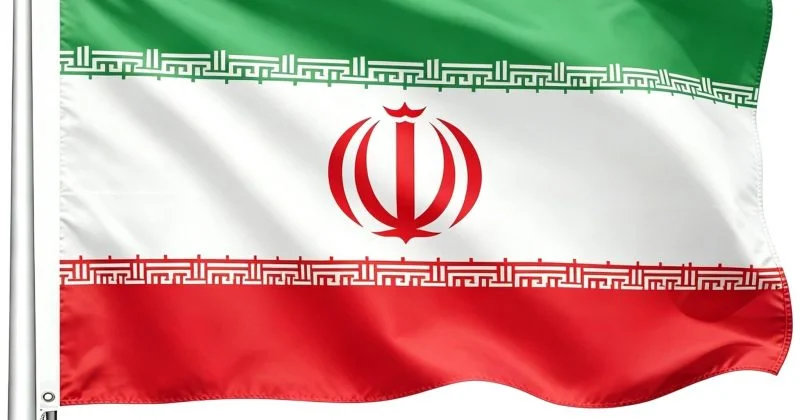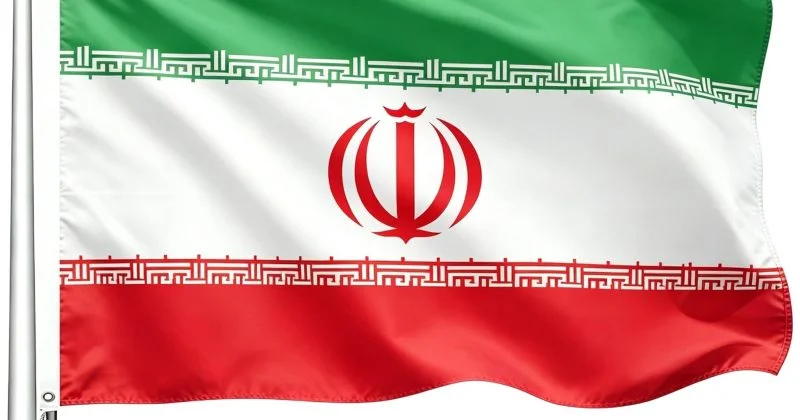
The United States has announced its intention to impose stringent sanctions on countries engaging in business with Iran. This move, articulated by a U.S. official, targets the network of proxy support and financial dealings sustaining the Iranian regime. The sanctions represent a significant escalation in U.S. policy aimed at isolating Iran economically and politically. This latest development is part of the ongoing conflict between the U.S. and Iran, where economic, diplomatic, and military strategies are being employed.
The announcement appears to have impacted prediction markets related to a potential U.S.-Iran deal in 2026. Odds for a deal involving Iran reconstruction funding have decreased, suggesting that market participants view the likelihood of a resolution involving cooperation as diminishing. The current pricing indicates a decrease in the probability of a US-Iran deal, with a noticeable drop in YES shares across several sub-markets.
The U.S. stance on secondary sanctions is expected to affect nations that have previously maintained economic ties with Iran. This development may strain international relations further and complicate diplomatic efforts aimed at de-escalating tensions in the region. Market behavior suggests that participants are considering these sanctions as a key factor potentially hindering a future diplomatic agreement.