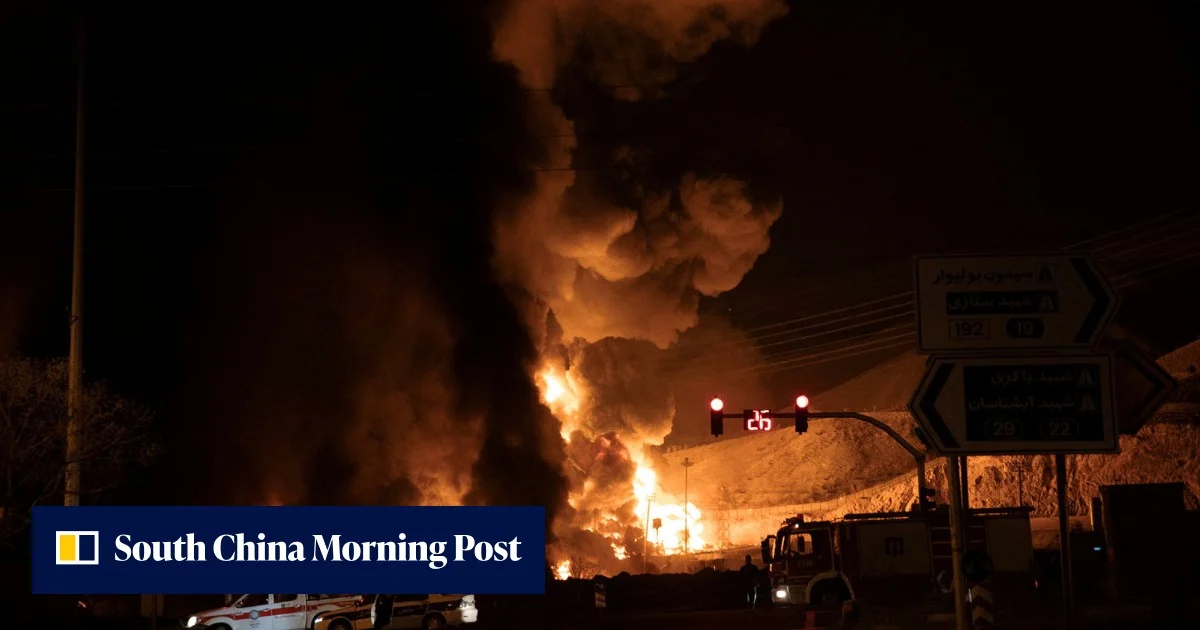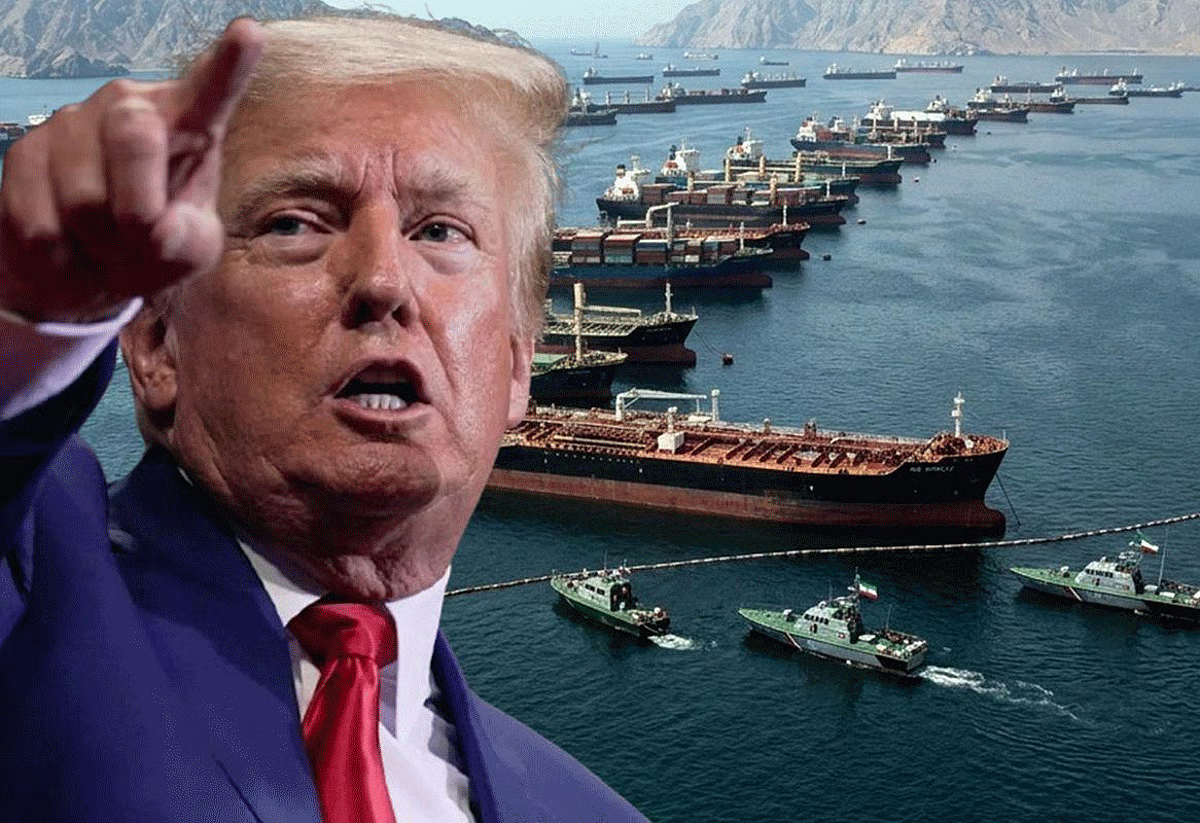
The tensions between Iran and the United States continue, with officials from both countries exchanging threats. So far, U.S. military operations against Iran have failed to force the regime to surrender. As a result, the Trump administration is planning to raise economic pressure on Tehran to crippling levels.
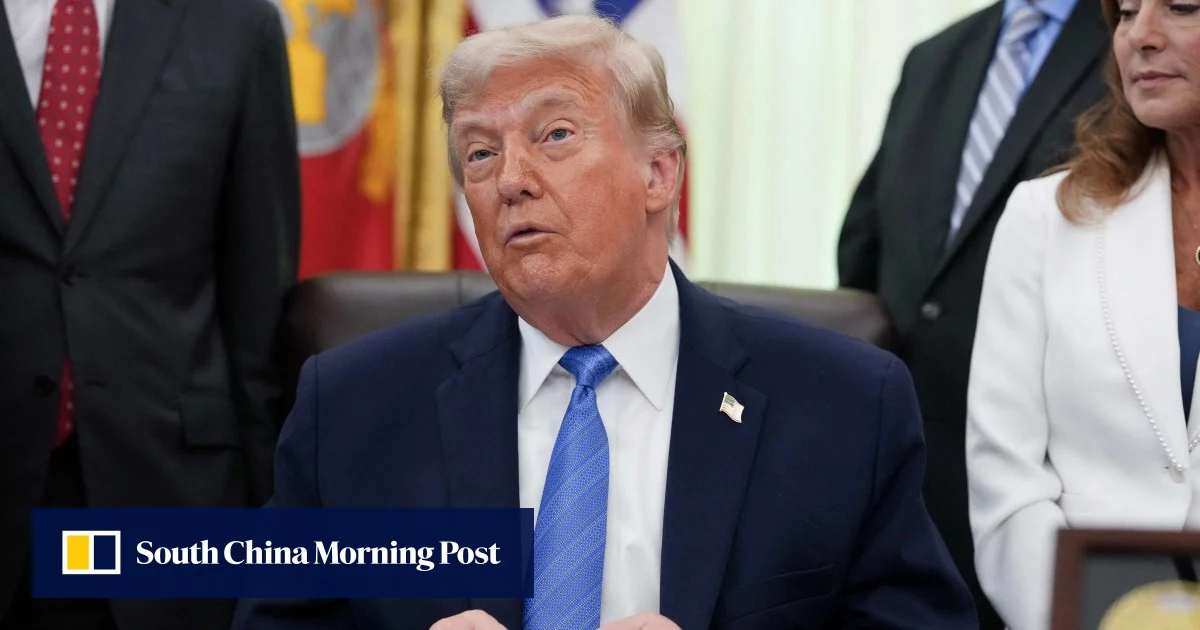
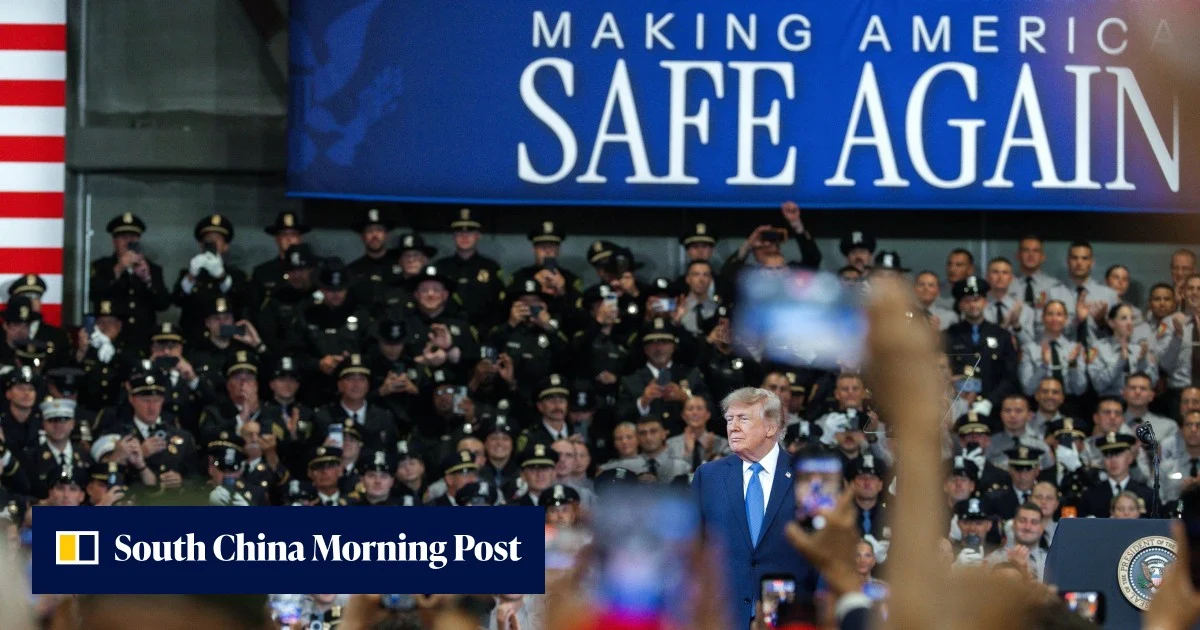
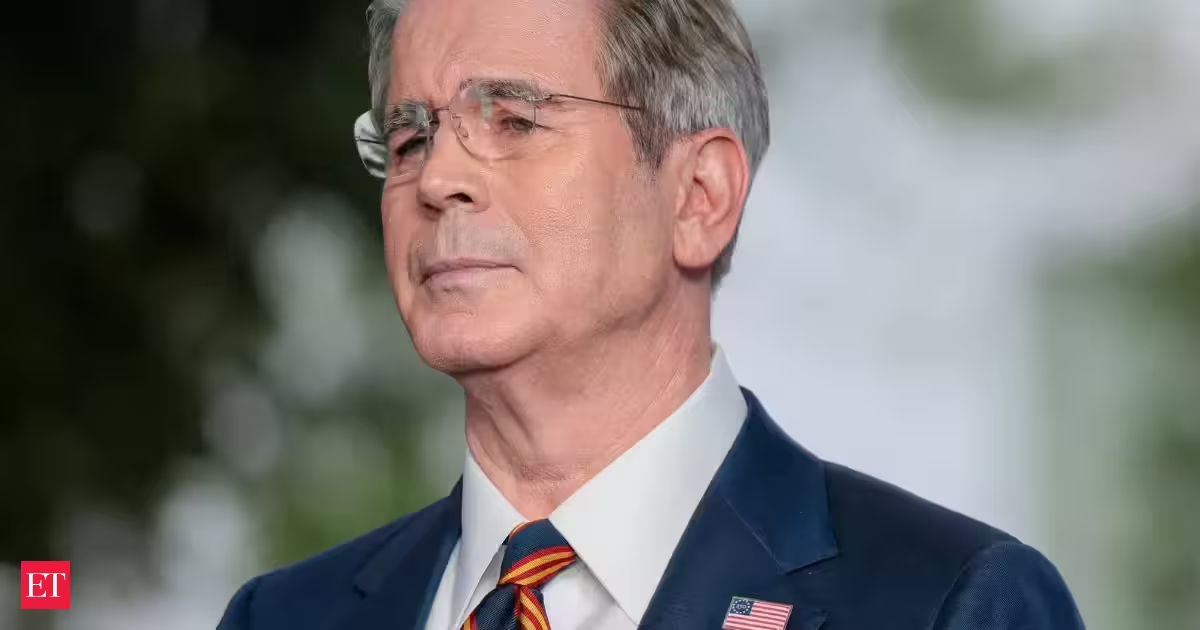
Last week, U.S. President Donald Trump vowed to inflict severe economic pain on Iran. His remarks came a day after Treasury Secretary Scott Bessent said Washington would impose measures on Tehran "never seen before."
The U.S., the United Nations and the European Union have imposed various sanctions on Iran since the late 1970s over its nuclear program, human rights violations and support for various groups. These sanctions have frozen Iranian assets abroad, and Tehran currently appears unable to access those assets.
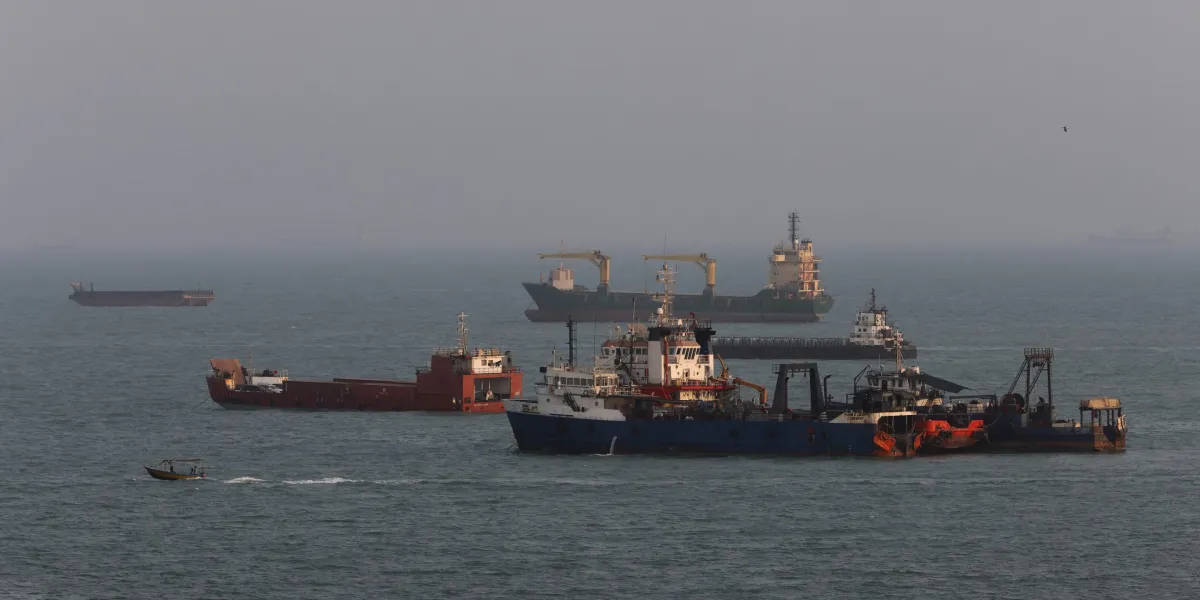
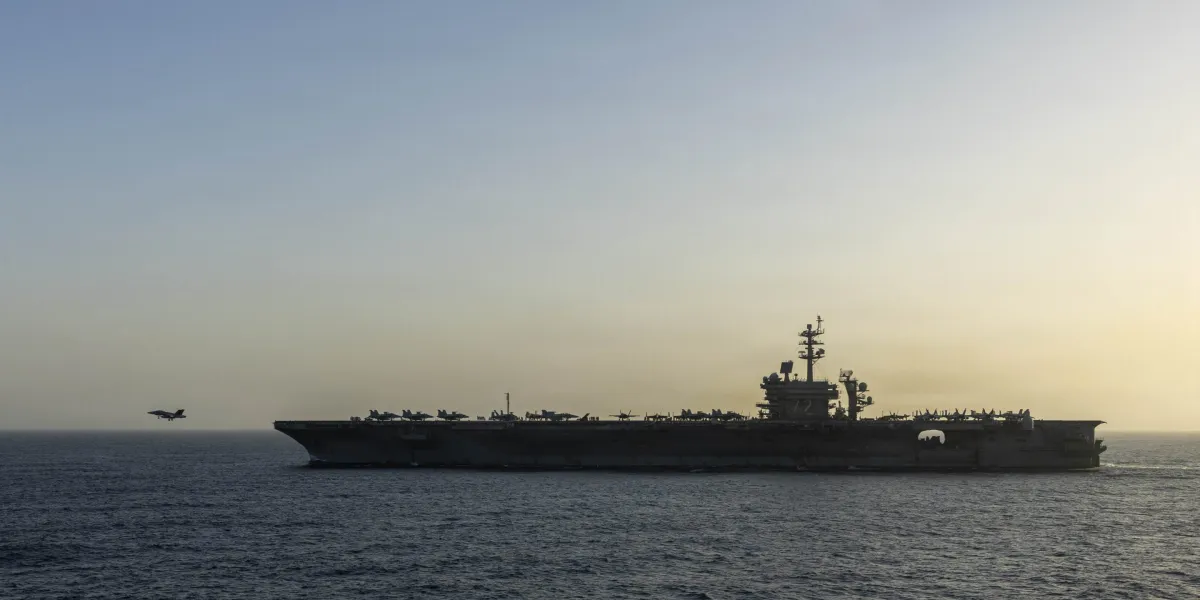
Following the war in Iran that began in February, Washington imposed additional sanctions targeting Iran's maritime, energy and financial sectors, and also launched a naval blockade.
Data from the U.S. Treasury Department's Office of Foreign Assets Control (OFAC) show that the agency has sanctioned more than 1,000 individuals, vessels and aircraft since Trump began his second term.