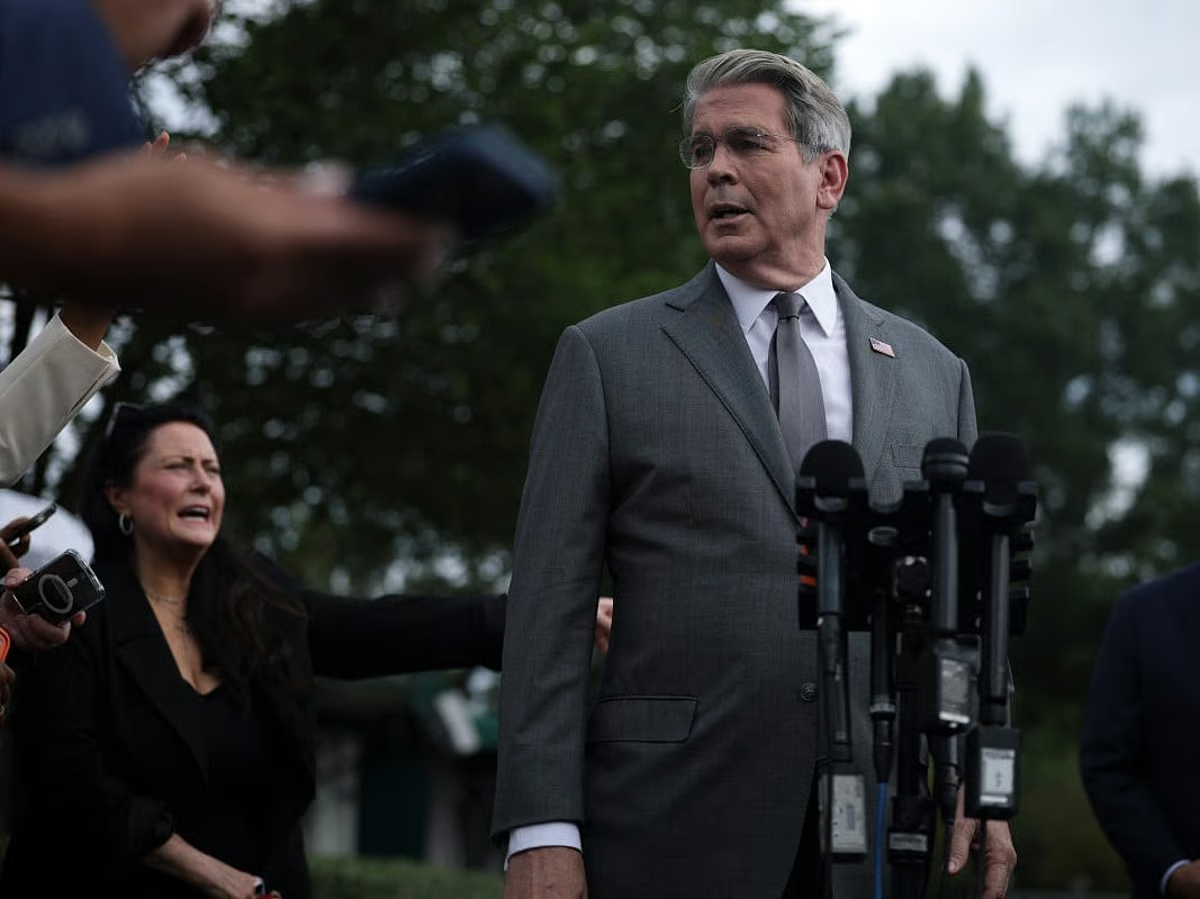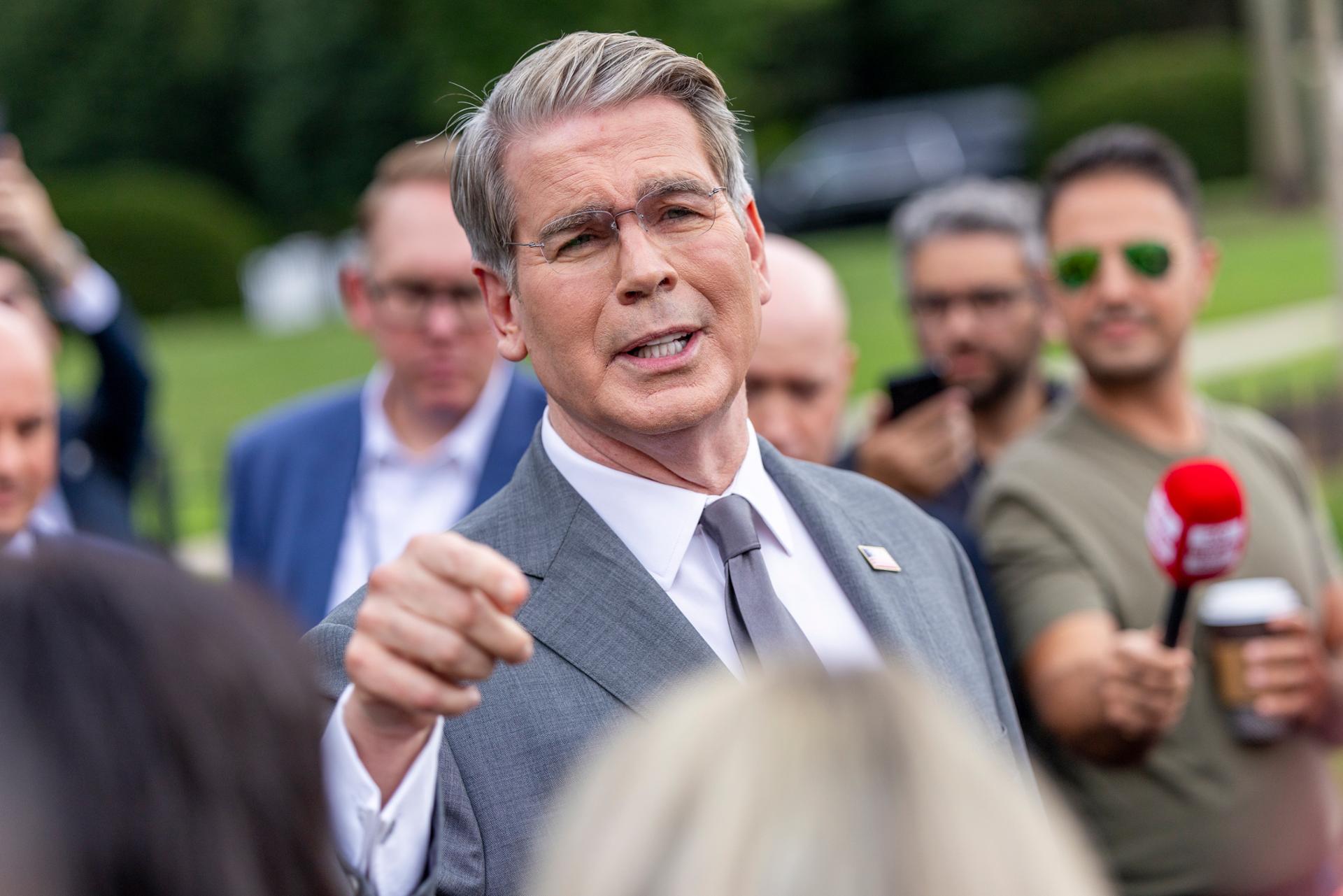
The United States will unleash what Treasury Secretary Scott Bessent described as the “toughest sanctions in history” against Iran, escalating Washington's economic pressure campaign as it seeks to force Tehran into submission amid the ongoing conflict in the region.Bessent said the sanctions would complement the existing blockade imposed on Iran, calling it a “one-two punch” that he believes will cripple the Iranian regime. He said he would outline the measures in detail at a press conference scheduled for Monday.Also read: Iran dismisses US economic threats and other developments in the Middle East“It is a one-two punch. We have the blockade, and we are going to have the toughest sanctions in history,” Bessent told CNBC, adding, “It is going to work in Iran and we are going to collapse this regime.”The Treasury Secretary also urged US allies and other countries to decide whether they would support Washington's pressure campaign, saying the time had come for the international community to choose its position.His remarks came a day after President Donald Trump warned that countries offering “any type of lifeline to Iran” could face economic consequences, signalling that the administration may widen its efforts beyond Tehran to target nations sustaining the Iranian economy.Bessent, however, suggested that tougher economic action should not necessarily be interpreted as a precursor to renewed large-scale military escalation. Responding to the recent rise in oil prices, he said markets appeared to be misreading the implications of Washington's strategy.“I think oil markets are misinterpreting what this economic pressure means,” he said, arguing that maximum economic pressure could instead reduce the likelihood of a major kinetic restart. Oil prices rose to their highest level in more than three weeks on Thursday.Iran has endured extensive US sanctions for nearly five decades since the 1979 Islamic Revolution, with successive administrations imposing restrictions on its banking, energy and trade sectors. Iranian Foreign Minister Abbas Araqchi dismissed Trump's latest warning as an attempt to divert attention from America's domestic economic challenges, including rising debt and interest rates.China urged to cooperate as Iran oil trade comes under focusBessent also pressed China to cooperate with Washington, highlighting Beijing's dependence on energy supplies flowing through the Gulf and its economic ties with Iran.Asked whether the US could directly target China over its continued business with Tehran, Bessent avoided giving a clear answer, saying sensitive discussions were better handled privately.“We are confident that everyone wants the Strait of Hormuz reopened, and for energy prices to come back down,” he said. “Keep in mind that the Chinese get 50% of their energy from inside the Gulf. So it would do them a big service to get with the program.”China purchases more than 80% of Iran's seaborne oil exports, according to 2025 data from analytics firm Kpler, making it Tehran's largest oil customer. Any move by Washington to intensify economic action against Beijing could also risk retaliation, given China's role as a major exporter to the US and a key supplier of critical rare-earth minerals.China's embassy in Washington did not immediately respond to a request for comment on Bessent's remarks.Also read: Trump declares 'Economic D-Day' against Iran, warns nations aiding Tehran of 'tremendous' consequencesTariff refunds widened deficit, new duties expected to sustain revenuesSeparately, Bessent said the US fiscal deficit had been pushed higher this year by refunds linked to Trump's tariffs that were struck down by the Supreme Court.He said the impact would not carry into next year because fresh tariffs are now being imposed under alternative trade laws that have survived legal challenges. According to Bessent, tariff revenues in 2026 are expected to broadly match those collected in 2025, though he did not clarify whether he was referring to calendar or fiscal-year collections.The Treasury Secretary also pointed to another factor weighing on government revenues: a surge in factory and data centre construction. Under the Republican 2025 tax cut legislation, companies are allowed to immediately expense such investments against profits, resulting in lower corporate tax collections, he said.
US to impose ‘toughest sanctions in history’ on Iran; Scott Bessent bets on 'one-two punch' to cripple Iranian regime
US Treasury Secretary Scott Bessent said Washington will impose the “toughest sanctions in history” on Iran, with details expected Monday, as the Trump administration seeks to intensify economic pressure on Tehran. Bessent also urged China to cooperate, citing its dependence on Gulf energy and warning against sustaining Irans economy.
657 words~3 min read