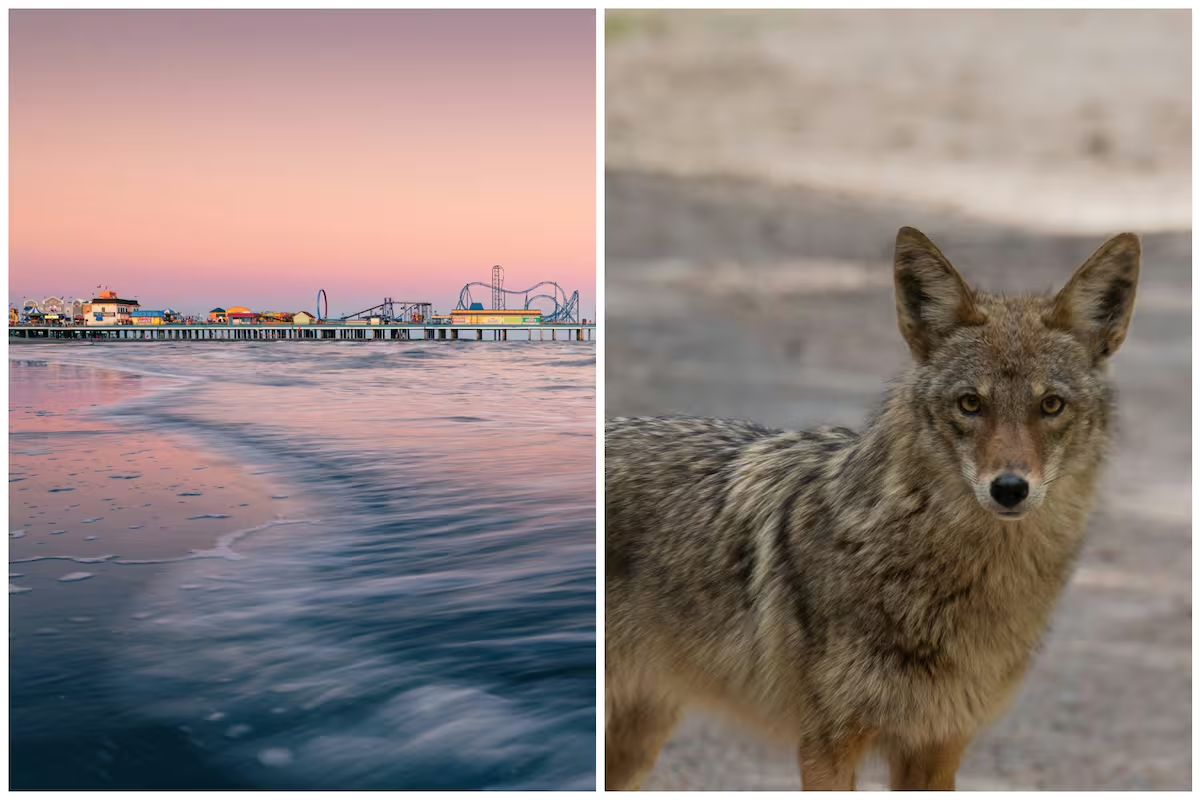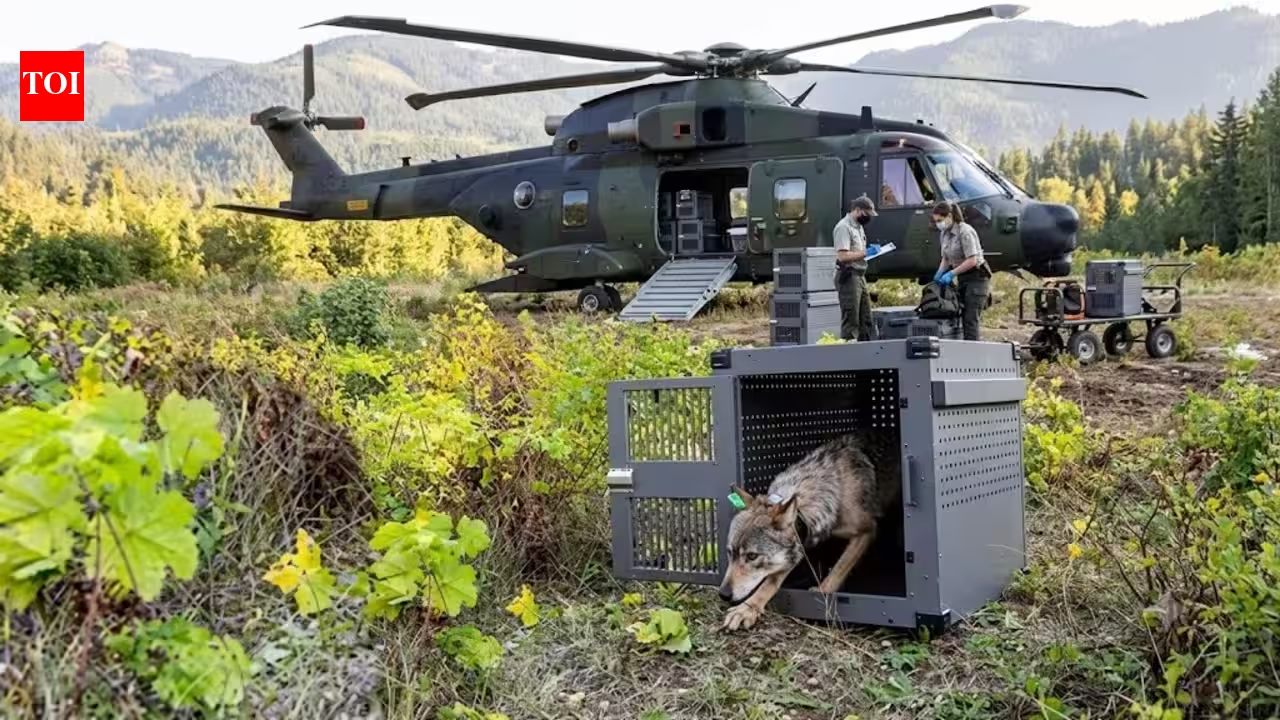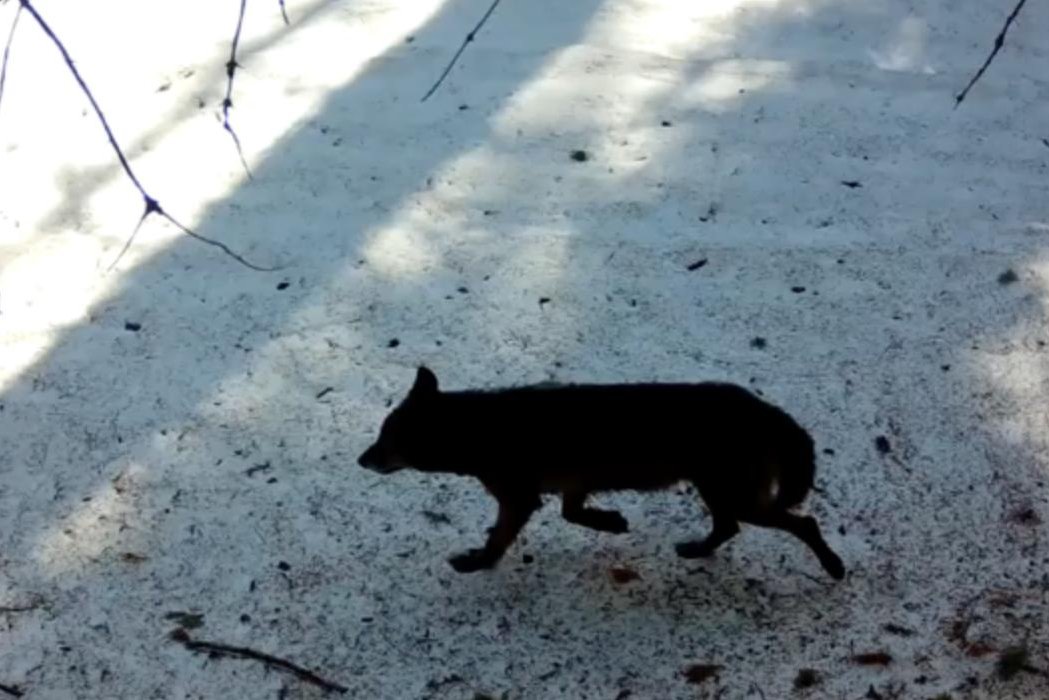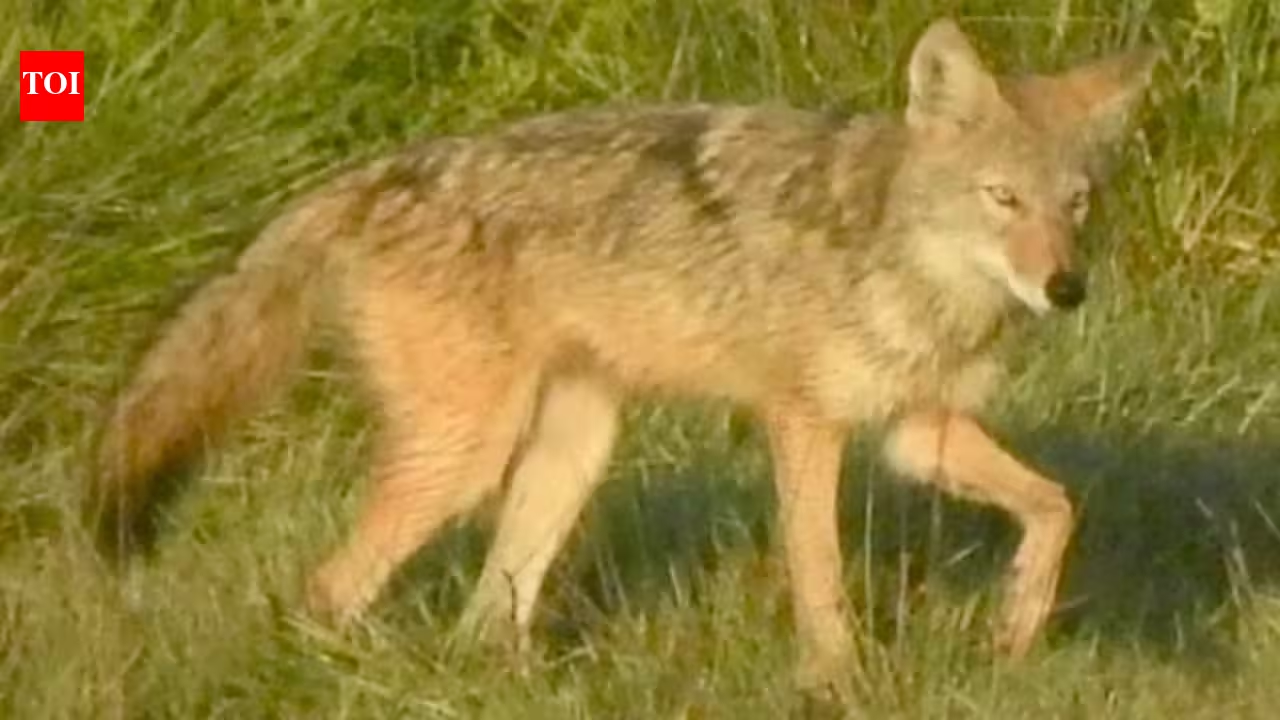
A hybrid canid from Galveston Island | Wikimedia CommonsResearchers examined two unusual canids from Galveston Island, Texas, in 2018 and found that the animals were not pure red wolves. Their DNA showed a mixture of ancestry, largely associated with coyotes, but they also carried genetic variants linked to red wolves. The finding came 38 years after the U.S. Fish and Wildlife Service declared the red wolf extinct in the wild in 1980. The study analyzed more than 7,000 genetic markers from the two Galveston animals and compared them with 60 reference canids. Researchers found extensive sharing of red wolf-specific genetic variants, sometimes described as “ghost alleles,” which suggested that genetic material from historical red wolf populations had persisted through generations of hybridization along the Gulf Coast. The 2018 research was reported by Princeton University alongside the peer-reviewed study. The DNA revealed something rather complicated: animals that looked broadly coyote-like had retained pieces of a population thought to have disappeared from the region.A hybrid canid from Galveston Island | Wikimedia CommonsThe last wild red wolves disappeared from the Gulf CoastThe red wolf's decline had already pushed the species into a small part of the Gulf Coast by the early 1970s. The U.S. Fish and Wildlife Service began capturing wild canids in southeast Texas and southwest Louisiana between 1973 and 1980 as part of an effort to prevent the species from disappearing entirely. More than 400 canids were captured during that period, but only 14 red wolves became the founders of the captive breeding population. By 1980, the remaining wild population had disappeared and the species was declared extinct in the wild. The federal recovery program later moved toward reintroduction, with the first red wolves released into eastern North Carolina in 1987.The Galveston finding drew attention, since the modern managed population descends from a small number of founders, while red wolves and coyotes had already interbred in parts of the Gulf Coast before the last wild wolves disappeared. Genetic material does not necessarily vanish when a population disappears as a distinct group, since some variants can persist in descendants if those animals breed with other canids over generations. In the Galveston case, the 2018 researchers found evidence consistent with that process. The two sampled animals shared numerous genetic variants with captive red wolves that were absent from the coyote and gray wolf reference populations used in the study.Two animals produced an unexpected genetic resultResearchers investigated two phenotypically ambiguous canids from Galveston Island, where they generated genomic and mitochondrial DNA data, and then compared the animals with reference samples representing North American canids. The results placed the Galveston animals close to coyotes in several analyses, but the researchers also found substantial sharing of genetic variants associated with red wolves. Their mitochondrial DNA, inherited through the maternal line, matched coyote haplotypes. The broader nuclear DNA told a more complex story.The paper, Rediscovery of Red Wolf Ghost Alleles in a Canid Population Along the American Gulf Coast, reported that the researchers analyzed 7,068 genome-wide single nucleotide polymorphisms. The two Galveston canids showed high genetic assignments to captive red wolves and shared red wolf private alleles, including variants that could represent genetic diversity no longer present in the managed red wolf population. The researchers documented red wolf ancestry in an admixed Gulf Coast canid population. That distinction matters because hybridization can preserve fragments of an endangered population's genetic history while also making it difficult to determine how those fragments should be used in conservation.A red wolf showing typical coloration | Wikimedia CommonsLater testing showed the ancestry was not limited to two animalsA later study collected 203 fecal samples to examine the population in greater detail. Researchers identified 24 individual coyotes from Galveston Island and eight from mainland Texas with more than 10% estimated red wolf ancestry. Two mainland animals had ancestry estimates above 50%. The study also identified five private alleles absent from the North American reference populations used in the analysis and found a red wolf mitochondrial haplotype in several animals.The later work suggested that the genetic signal identified in the first two Galveston canids was part of a wider population pattern rather than an isolated result. Researchers also identified at least four family groups on the island. Their conclusion was that substantial red wolf ancestry had persisted in admixed canids on Galveston Island and nearby mainland areas. That distinction has become central to discussions about whether such populations could contribute to future conservation work.As of the U.S. Fish and Wildlife Service's July 2026 update, the agency estimated 23 to 24 adult and subadult red wolves in the wild in eastern North Carolina, along with an estimated 12 to 16 pups, while 295 animals were in the captive SAFE population. The Texas canids are not counted as wild red wolves. Their significance lies elsewhere: decades after the Gulf Coast population disappeared as a recognized wild red wolf population, some of its genetic variation was still detectable in animals living on the same broader coastal landscape.
In 2018, researchers tested wild-looking dogs on a Texas island: Their DNA preserved genes from the red wolf, declared extinct in the wild 38 years earlier
Researchers examined two unusual canids from Galveston Island, Texas, in 2018 and found that the animals were not pure red wolves. Their DNA showed a mixture of ancestry, largely associated with coyotes, but they also carried genetic variants linked to red wolves.
830 words~4 min read