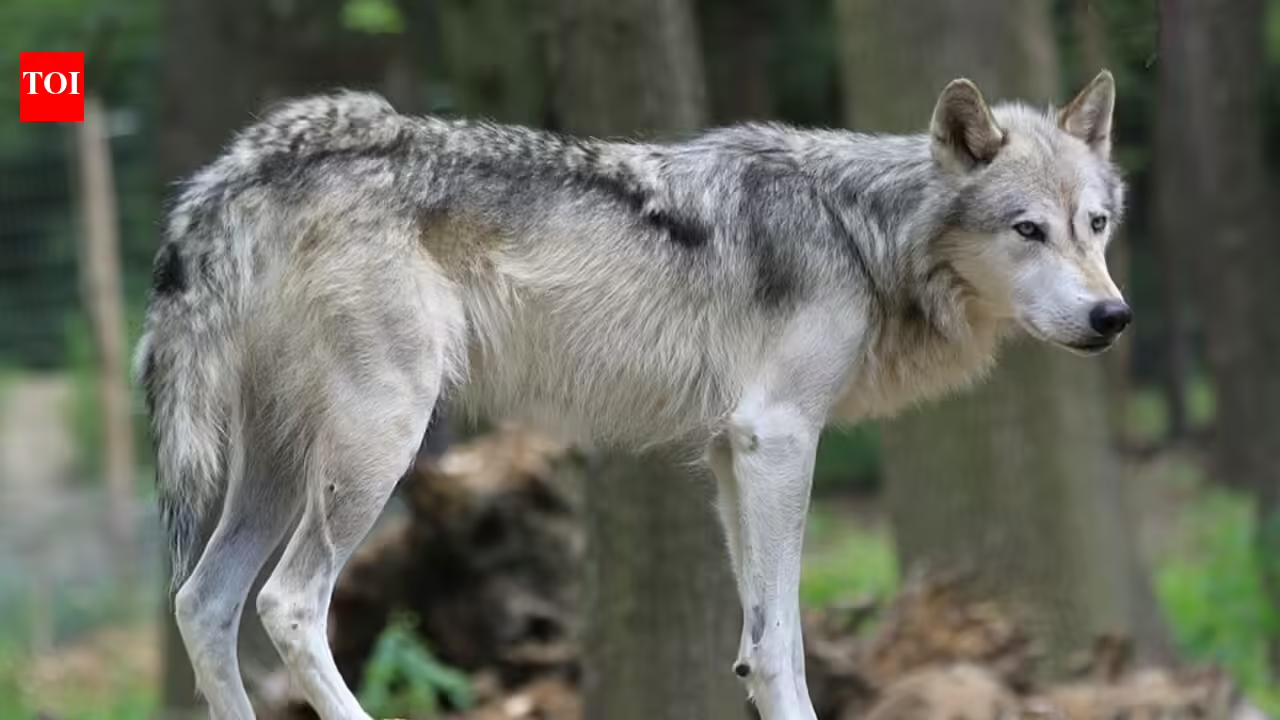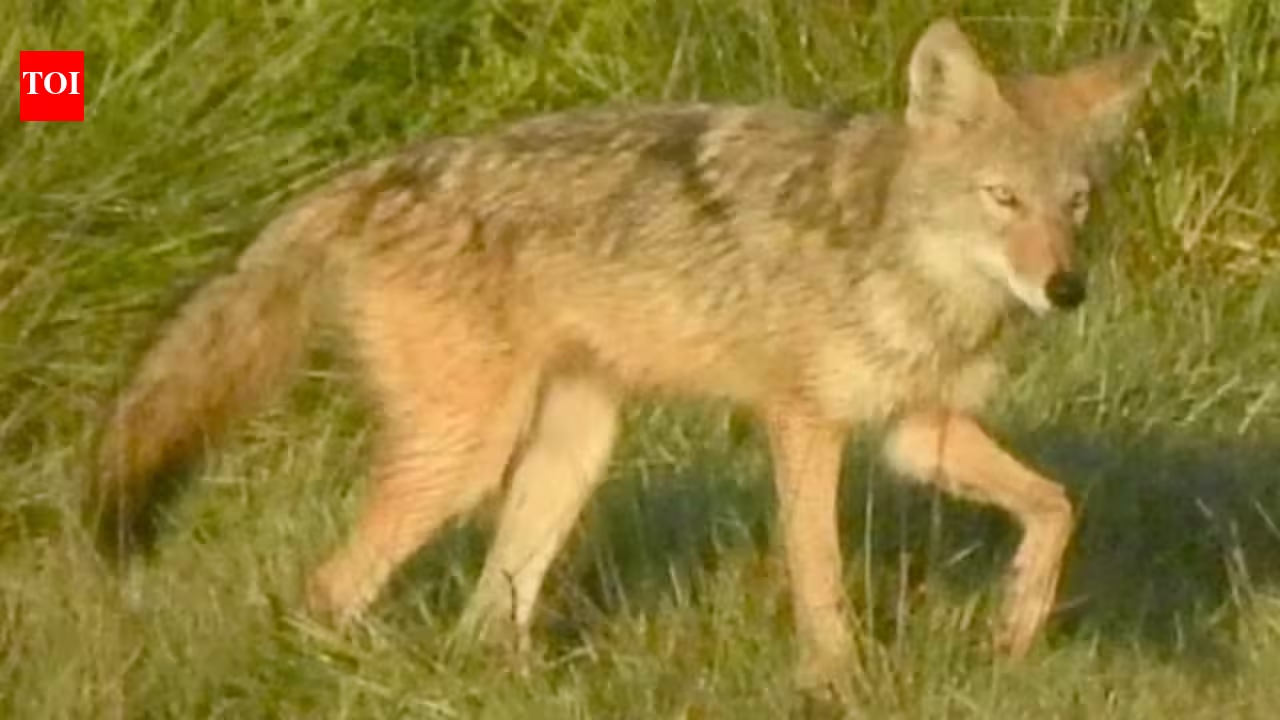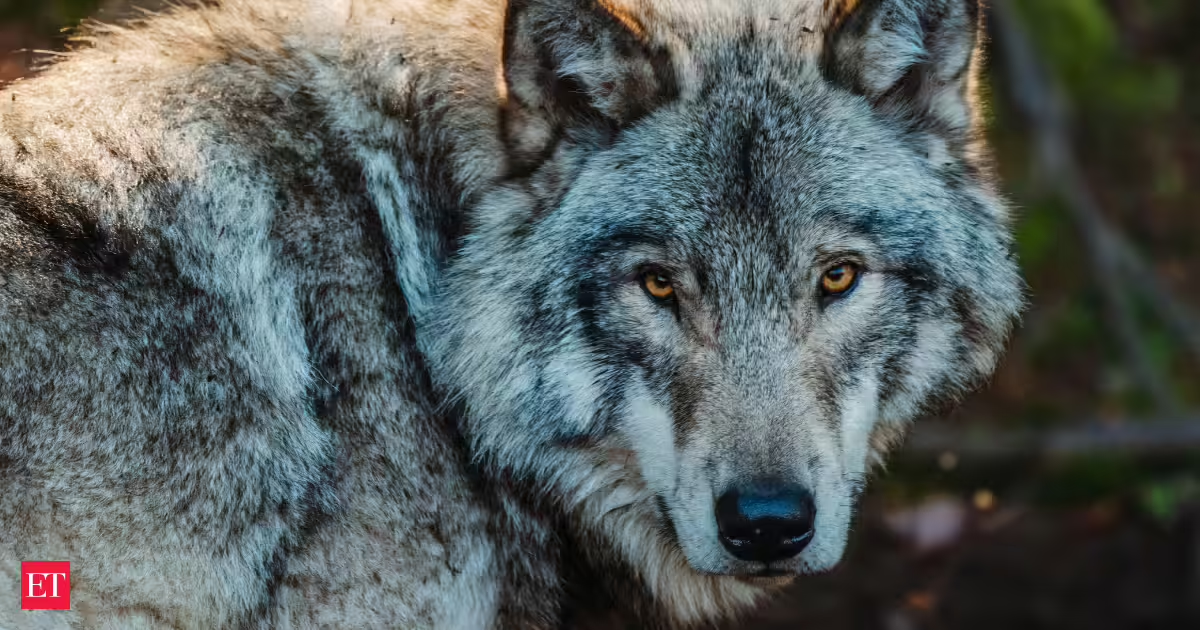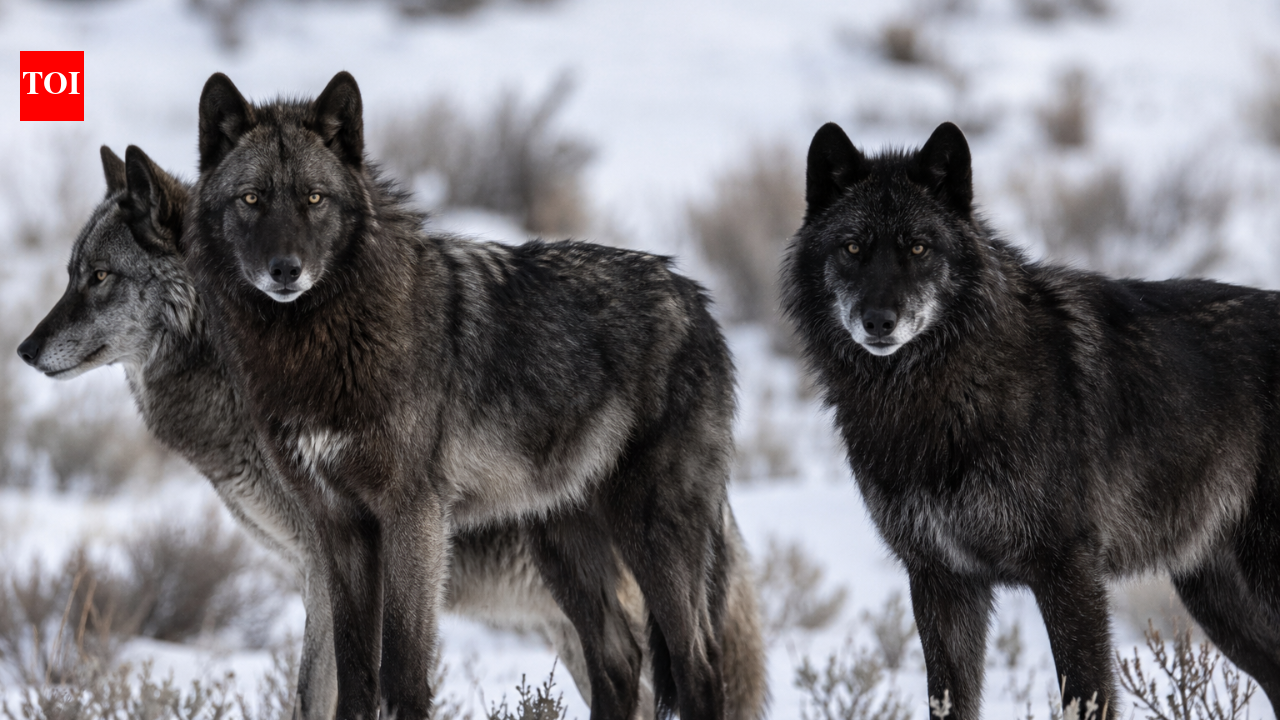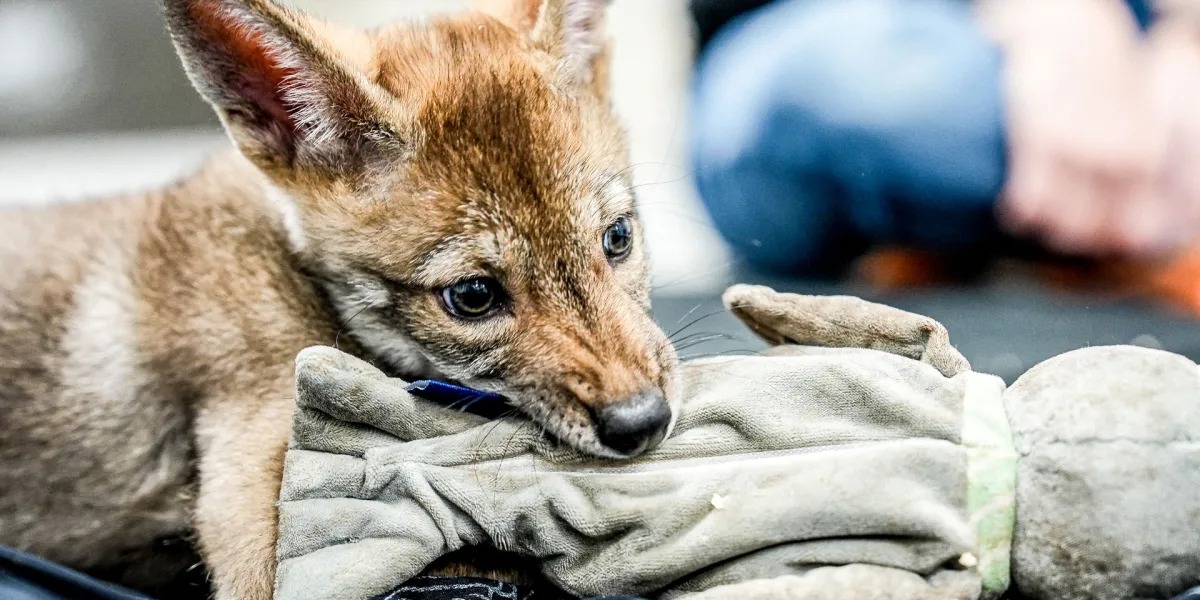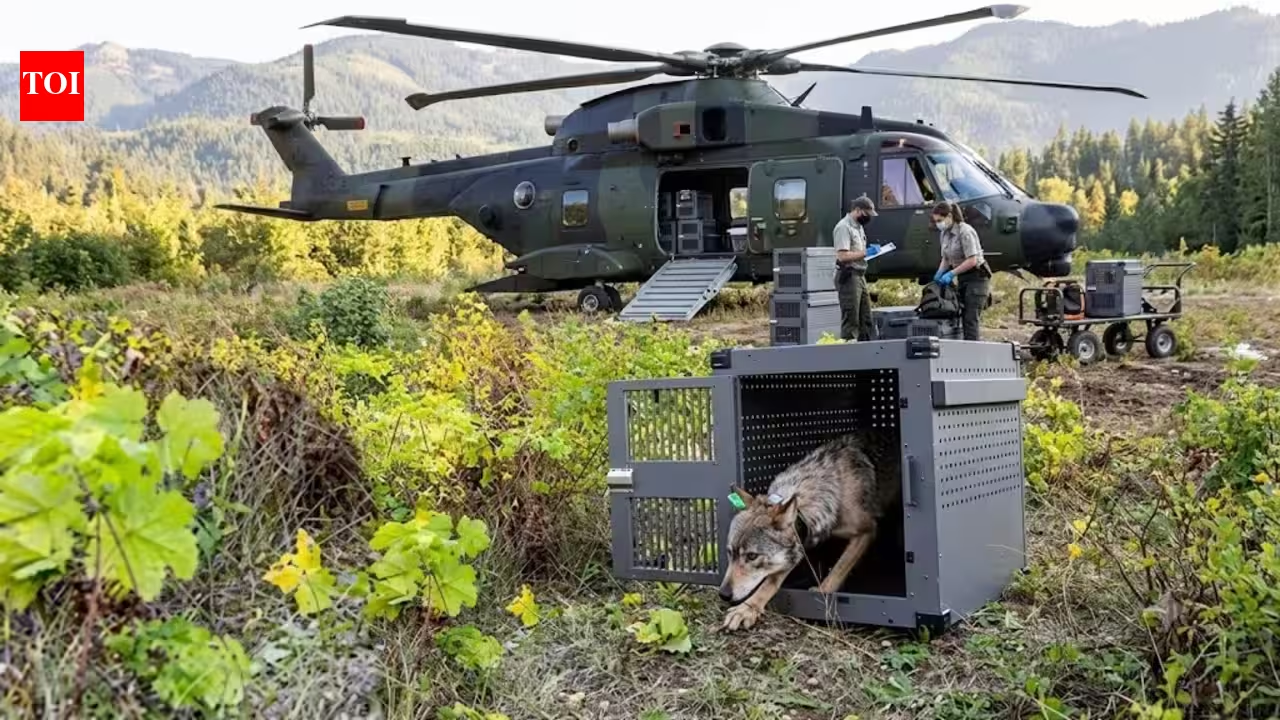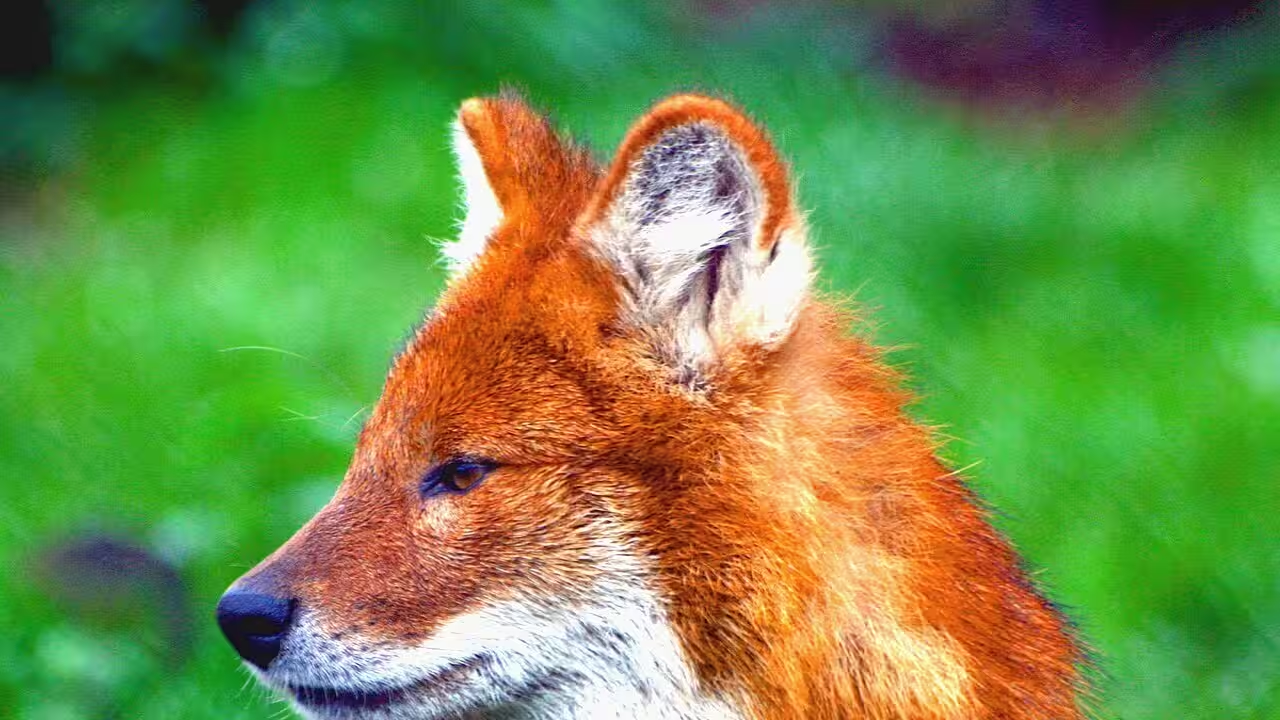
Red wolves once roamed southeastern United States forests and wetlands as a top predator. Habitat loss and predator control measures drastically reduced their numbers by the 1970s. Image Credits: Wikimedia CommonsFor generations, red wolves lived in the southeastern United States, inhabiting forests, wetlands and coastal plains. It was a top predator across several southern states and played an important role in the local ecosystem. Nevertheless, the development of settlements and predator control measures in the 19th and 20th centuries led to the reduction of the red wolf population.As territories shrank, wolves increasingly interbred with coyotes moving into the same areas. Lonely wolves struggling to find proper mates within their own shrinking territories began interbreeding with expanding populations of coyotes moving into the altered landscapes. This widespread hybridisation meant the red wolf was disappearing not just from the landscape, but genetically as well. According to an analysis published by the journal Animals, the situation had become so dire by the late 1970s that standard field protection was no longer a viable option.The paper adds that red wolves were not simply losing ground in the wild: by the 1980s, only a tiny captive population remained for recovery efforts, and a 2013 genetic analysis found coyote introgression was already widespread enough to complicate species boundaries. It also notes that hybridisation risk rises sharply when stable breeding pairs are disrupted, making mate availability and territorial fragmentation central to the species’ collapse.The paper links the decline to government-supported eradication campaigns that reduced the species to fewer than 100 animals by the 1970s and led to the last wild wolves being moved into captivity. It also notes that the 1987 reintroduction in northeastern North Carolina rebuilt the wild population to roughly 70–80 animals, but hybridisation, inbreeding, and human-caused mortality still constrain recovery.With extinction looming, the US Fish and Wildlife Service took steps to save the species. Biologists began an effort to capture the few remaining wild red wolves in coastal Texas and Louisiana. Of all the animals captured during this process, only 17 were identified as being pure red wolves, marking the beginning of an experiment with captive breeding. By 1980, when it was realised that there was not a single purebred individual left in its native habitat, the species was declared extinct in the wild, and its very existence hung in the balance, depending on the well-managed captive breeding program.A homecomingFrom the start, the main purpose of capturing the wolves from the wild was always to release them back into the wild eventually. For years, zoologists worked to preserve the captive population by maintaining genetic diversity and natural family groups. It was not until the mid-1980s that the captive breeding program was ready for reintroduction.In 1987, conservationists chose northeastern North Carolina as the site for the reintroduction. According to the United States Department of the Interior, the initial releases in Alligator River National Wildlife Refuge drew wide attention from conservationists. Captive-born red wolves were released into the wild, where some hunted, established territories and raised pups.The reintroduction showed that captive-bred animals can adapt to new surroundings. The North Carolina recovery site served as an example for other reintroduction projects. The return of wild packs brought red wolves back to the region after decades of absence.A captive breeding program began after purebred individuals were no longer found in the wild. Reintroduction efforts in North Carolina showed promise but faced ongoing challenges. Hybridization and human-caused mortality continue to hinder the species' long-term recovery. Image Credits: Wikimedia CommonsCoexistence in the modern worldAlthough the red wolf’s return was seen as a breakthrough, long-term recovery has remained difficult. According to the study, the wild red wolf population peaked at about 100 before declining again. Today’s landscape is very different from the historical range, and wolves must coexist with many people.One of the most persistent ongoing issues is the renewed threat of hybridisation, as coyotes continue to push into the recovery areas, occasionally pairing up with wolves when pack structures are disrupted. Additionally, human activities remain a significant cause of mortality, with wolves frequently lost to accidental vehicle strikes on regional highways and mistaken identity shootings during local hunting seasons.Regardless of all the above challenges, the work to restore the red wolf population is still ongoing. The red wolf conservation programme continues to adjust its field management, using new tracking technology and working with local communities to build understanding.
The United States in the late 1970s captured the last remaining wild red wolves after hybridisation and habitat loss pushed the species toward extinction; captive breeding later made it possible to return wolves to the wild in North Carolina
For generations, red wolves lived in the southeastern United States, inhabiting forests, wetlands and coastal plains. It was a top predator across several southern states and played an important role in the local ecosystem.
728 words~3 min read