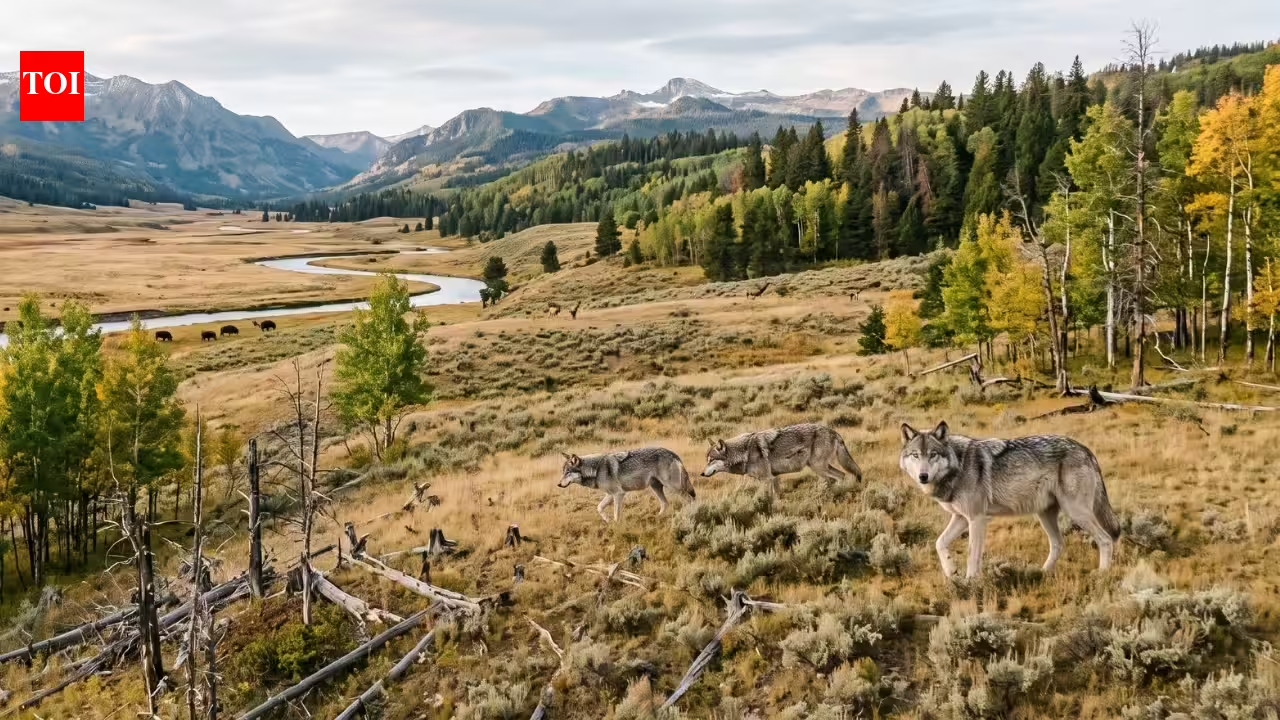
In 1995, Yellowstone National Park became the centre of a conservation experiment that would later be celebrated across the world.
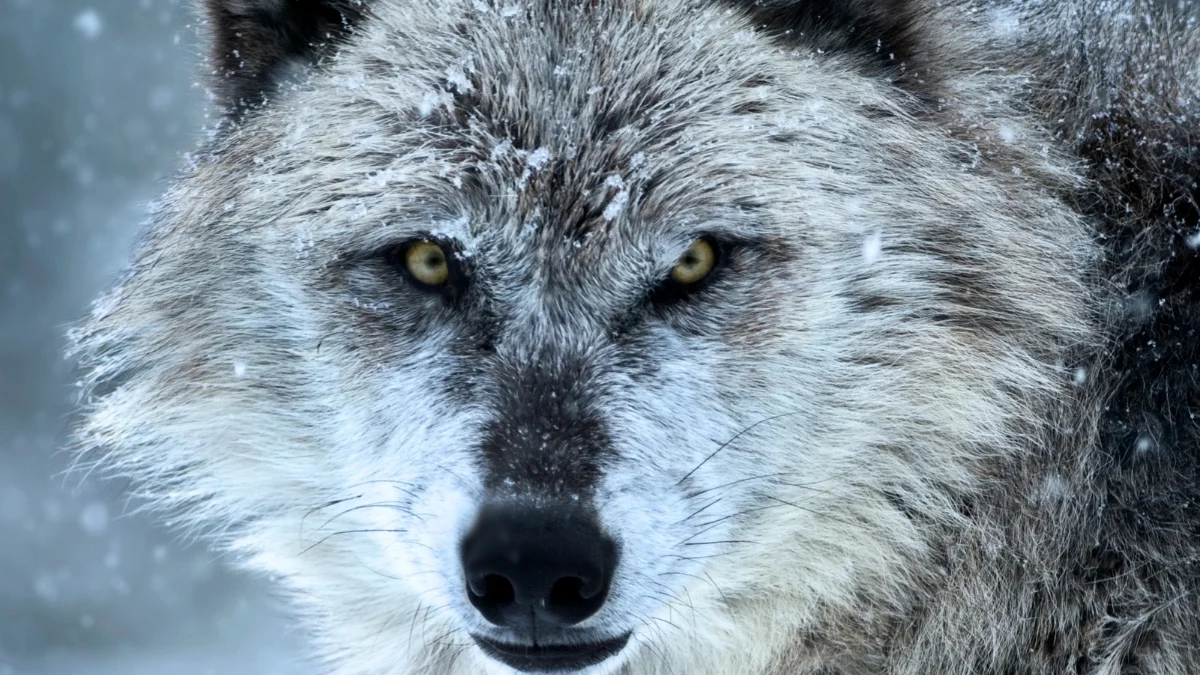
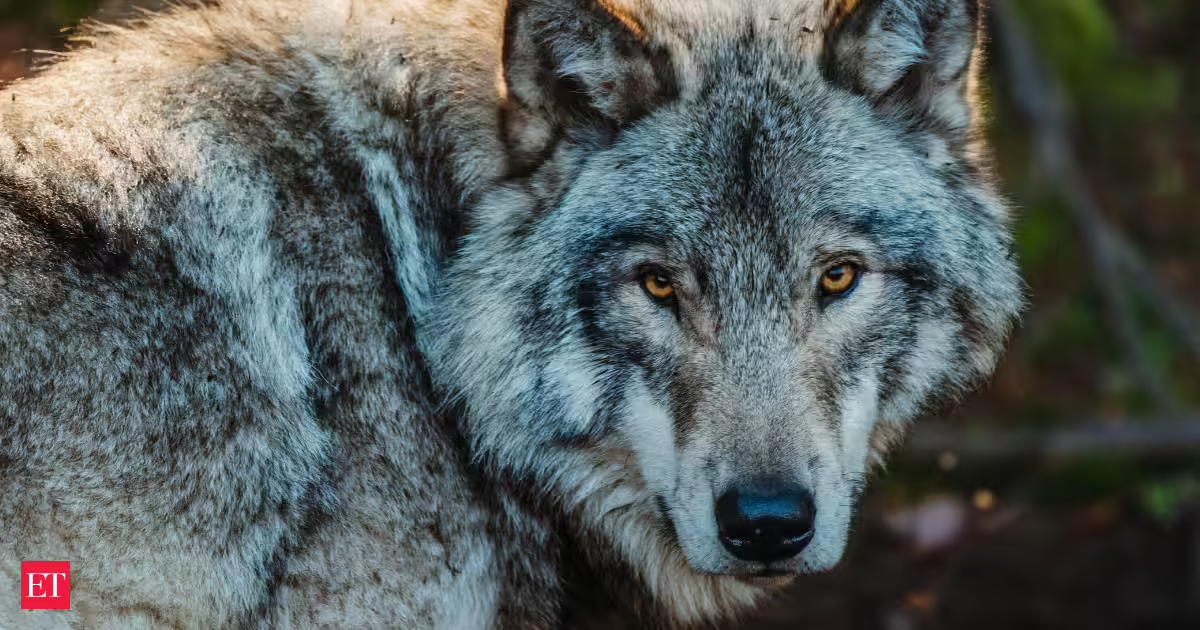
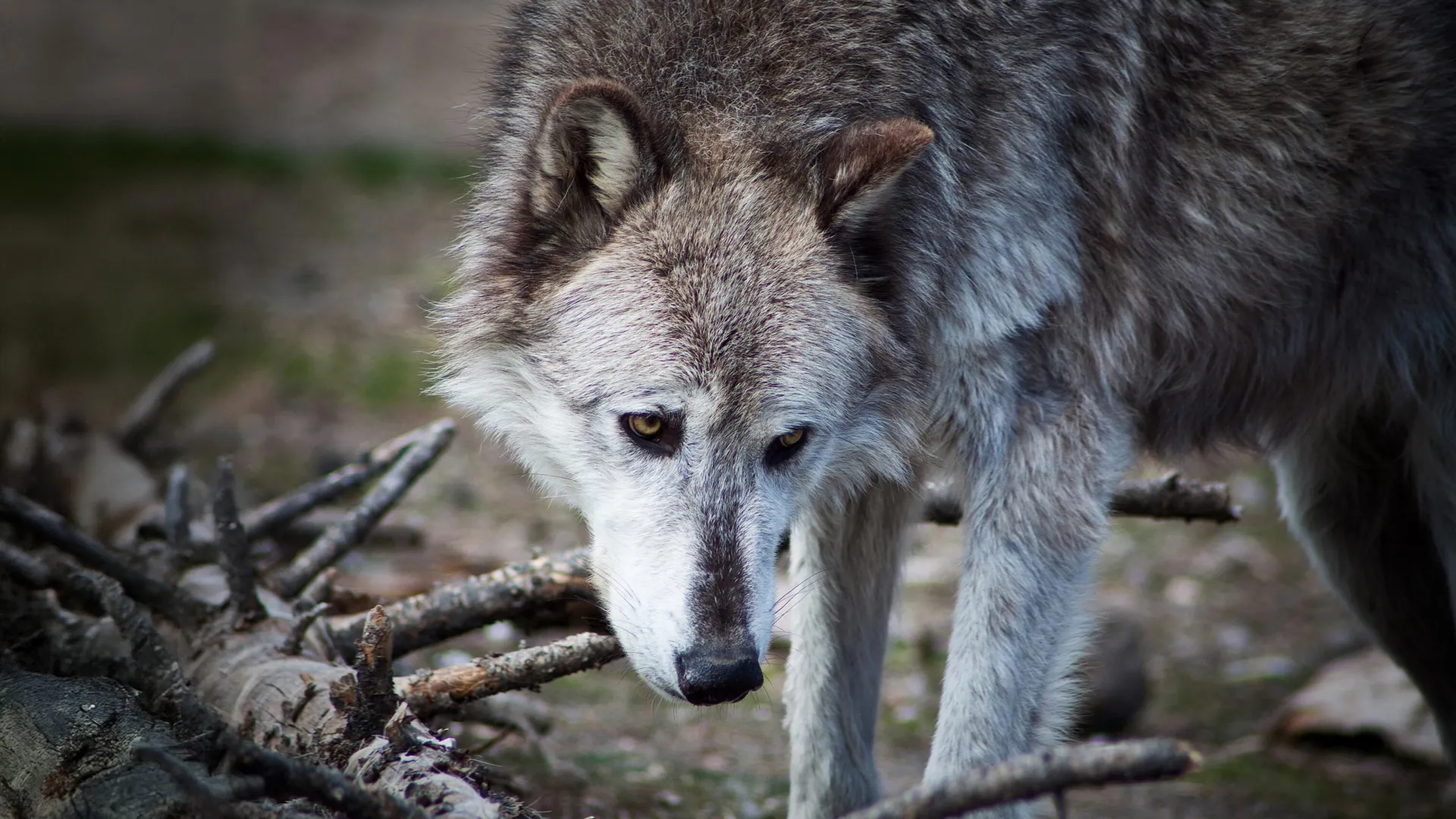
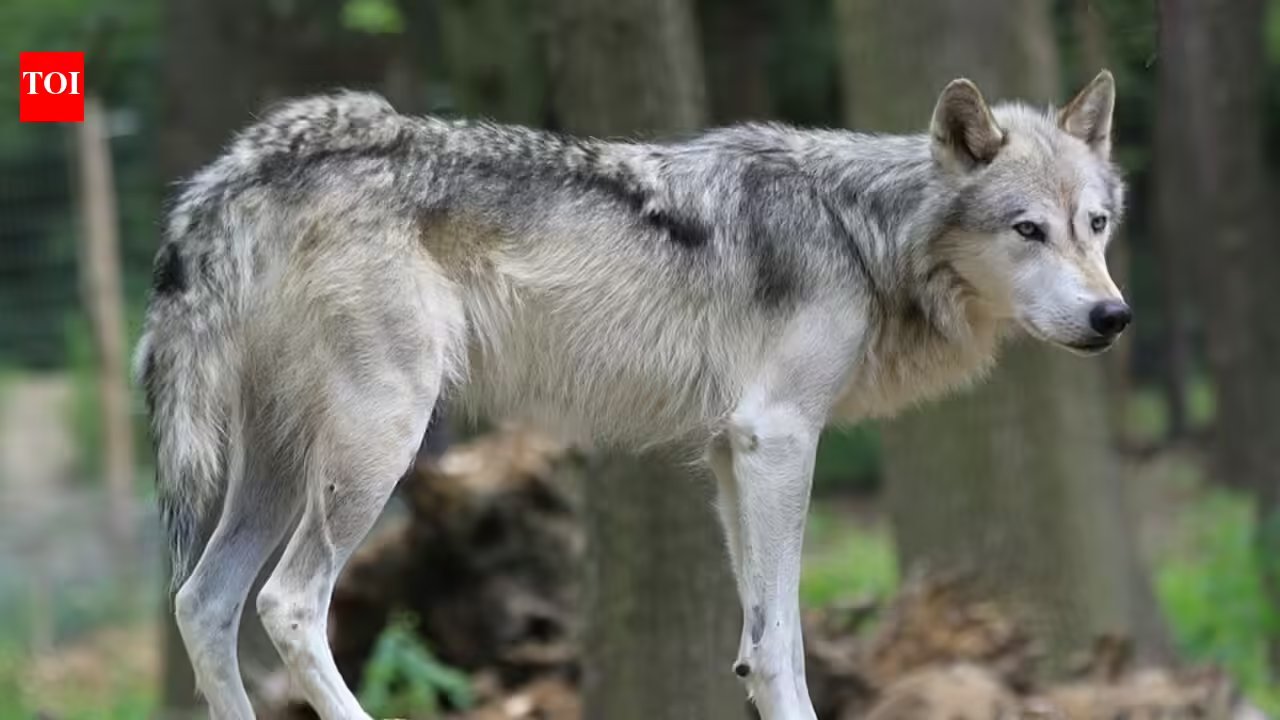
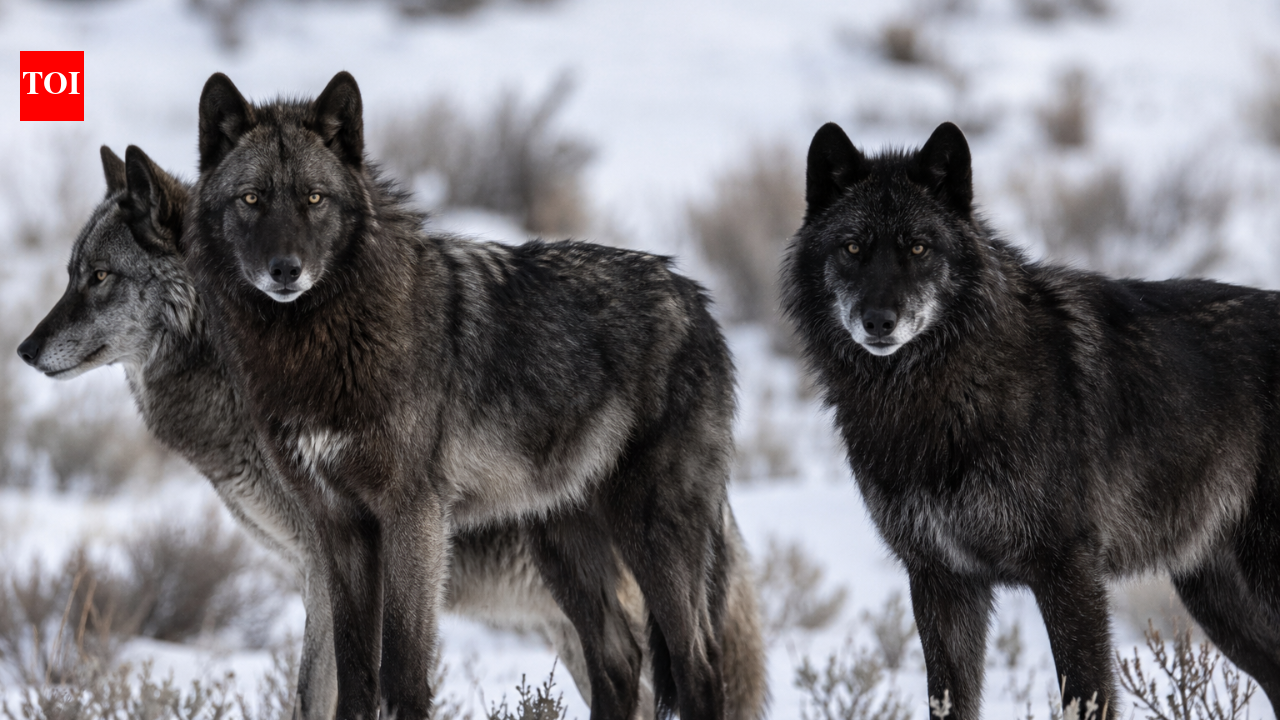
Fourteen grey wolves were reintroduced after an absence of nearly 70 years, with many ecologists crediting their return for triggering a remarkable ecological recovery.
The story became a textbook example of a "trophic cascade", where predators indirectly reshape entire ecosystems by controlling herbivore populations.
Yet three decades later, the science is proving more nuanced than the popular narrative suggests.
While few researchers dispute that wolves have influenced Yellowstone's recovery, an ongoing debate centres on how much of the transformation can be attributed to wolves alone.