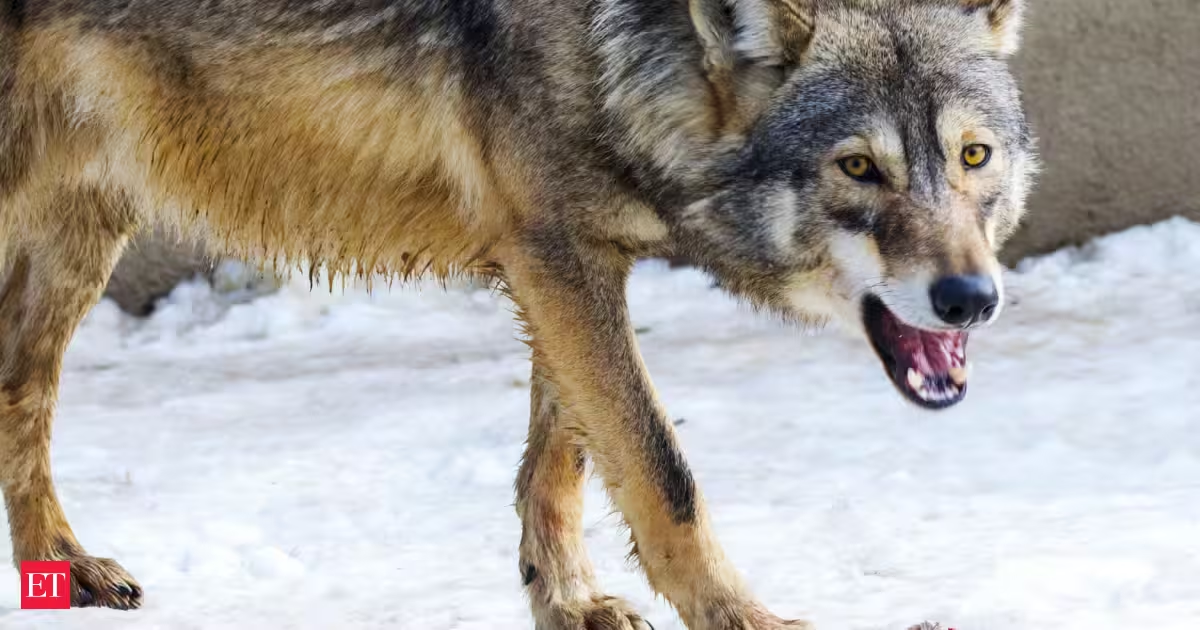
A surprising discovery on a small island in the Baltic Sea is changing how scientists think about the relationship between ancient humans and wolves.
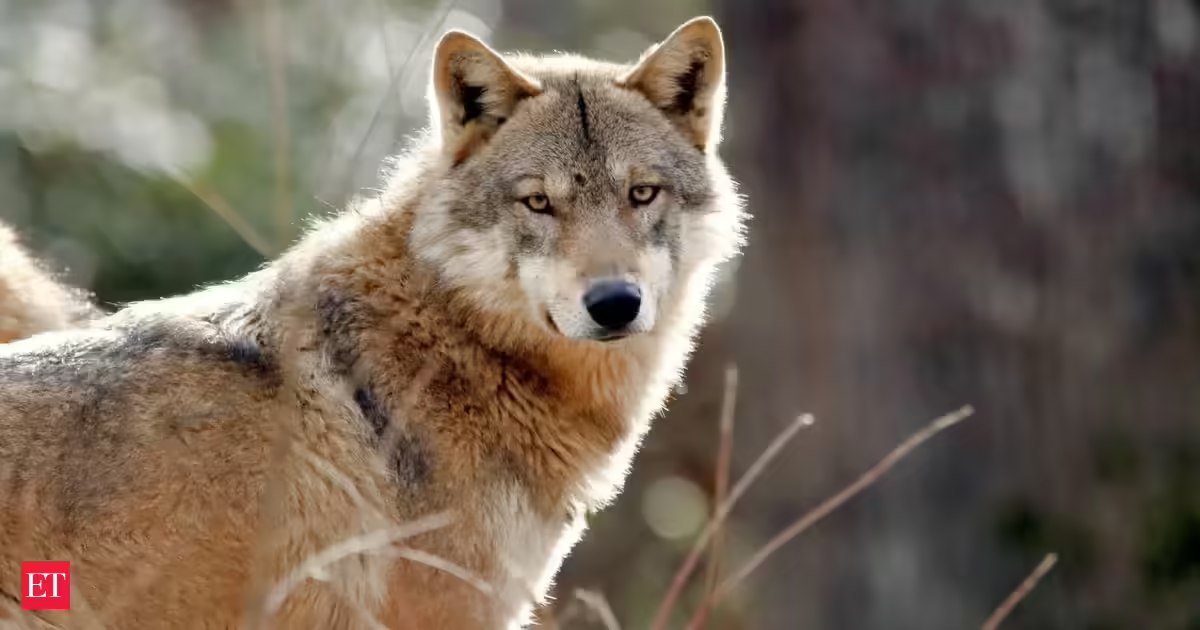
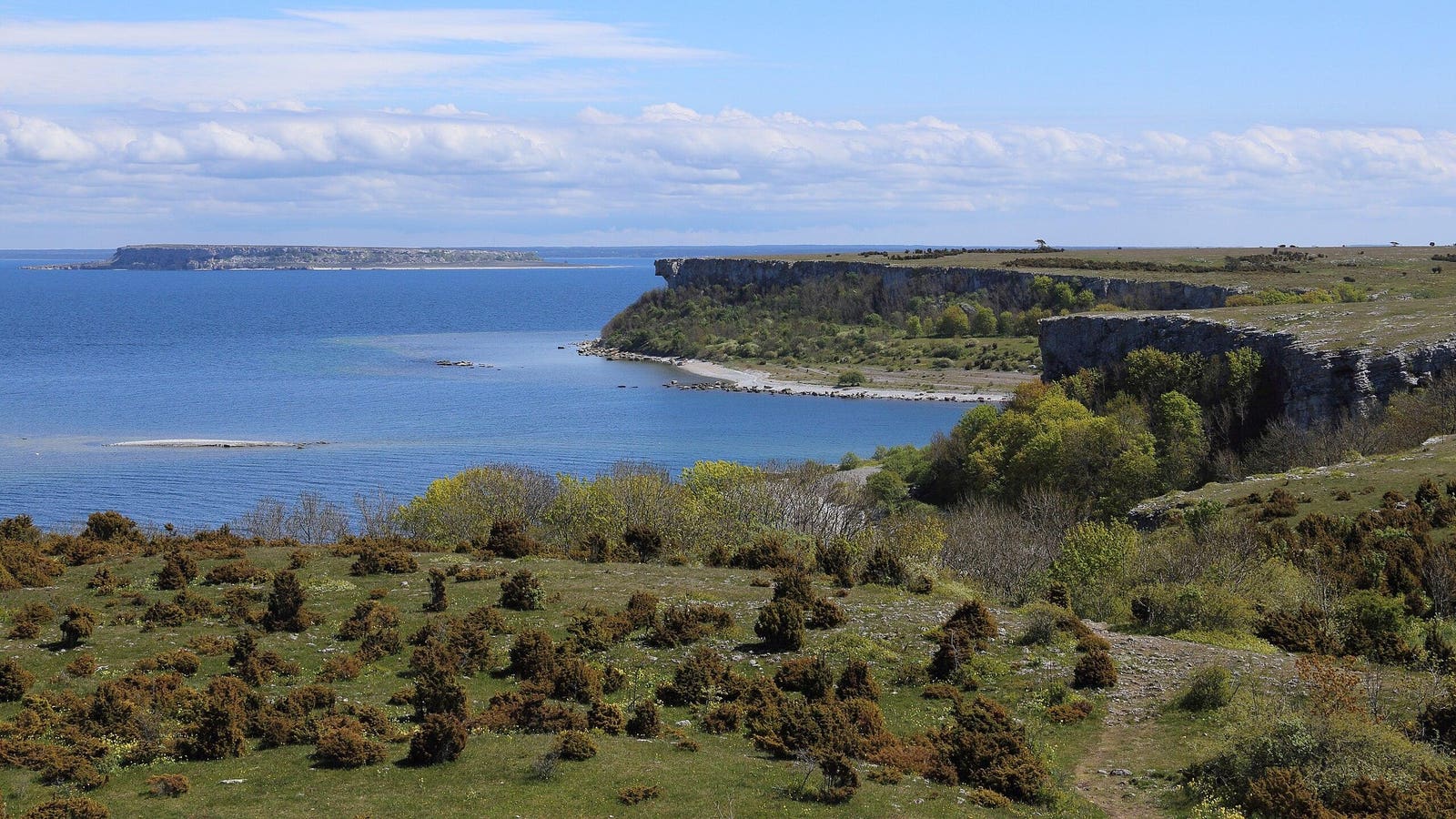
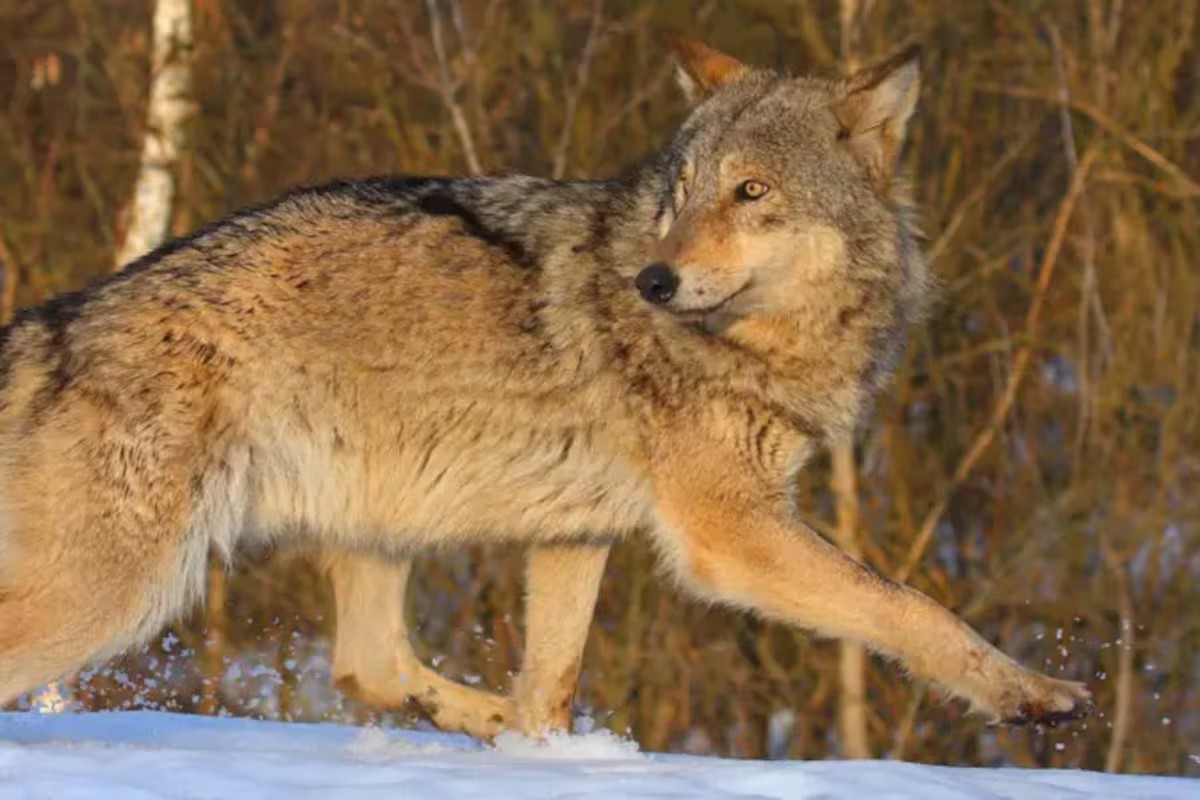
Researchers have identified wolf remains dating back roughly 3,000 to 5,000 years on the Swedish island of Stora Karlsö. The finding is remarkable because the island is isolated and has no native land mammals. The wolves could not have reached the island on their own, leading researchers to conclude that people must have transported them there.
The study, published in Proceedings of the National Academy of Sciences, was conducted by scientists from the Francis Crick Institute, Stockholm University, the University of Aberdeen, and the University of East Anglia. Their findings suggest that prehistoric communities may have been managing or keeping wolves in ways that have rarely been considered before.
Wolves on an Island They Could Not Reach Alone
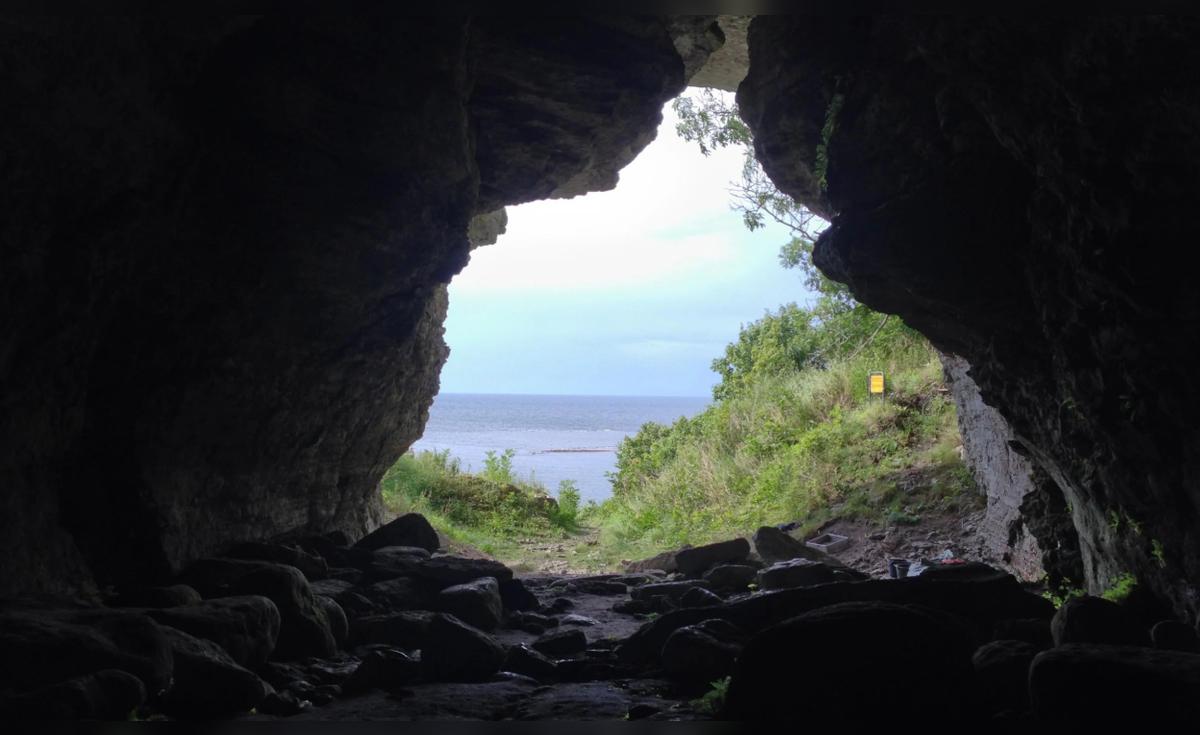
The remains were uncovered in Stora Förvar cave, an archaeological site on Stora Karlsö that was heavily used by seal hunters and fishers during the Neolithic and Bronze Ages. These periods span parts of the Stone Age and early metalworking eras, thousands of years before modern civilization.