ByGrrlScientist,
Senior Contributor.
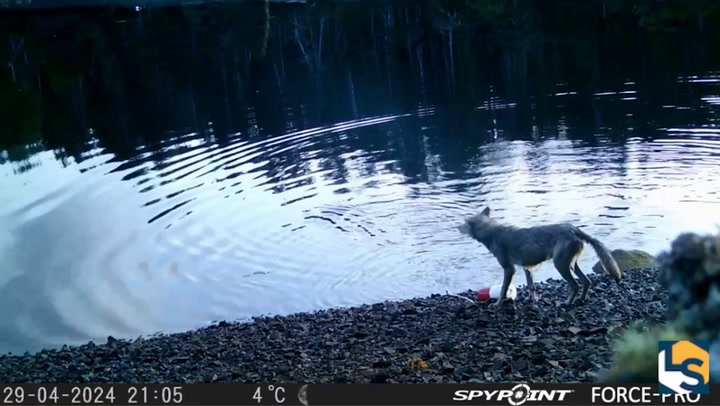
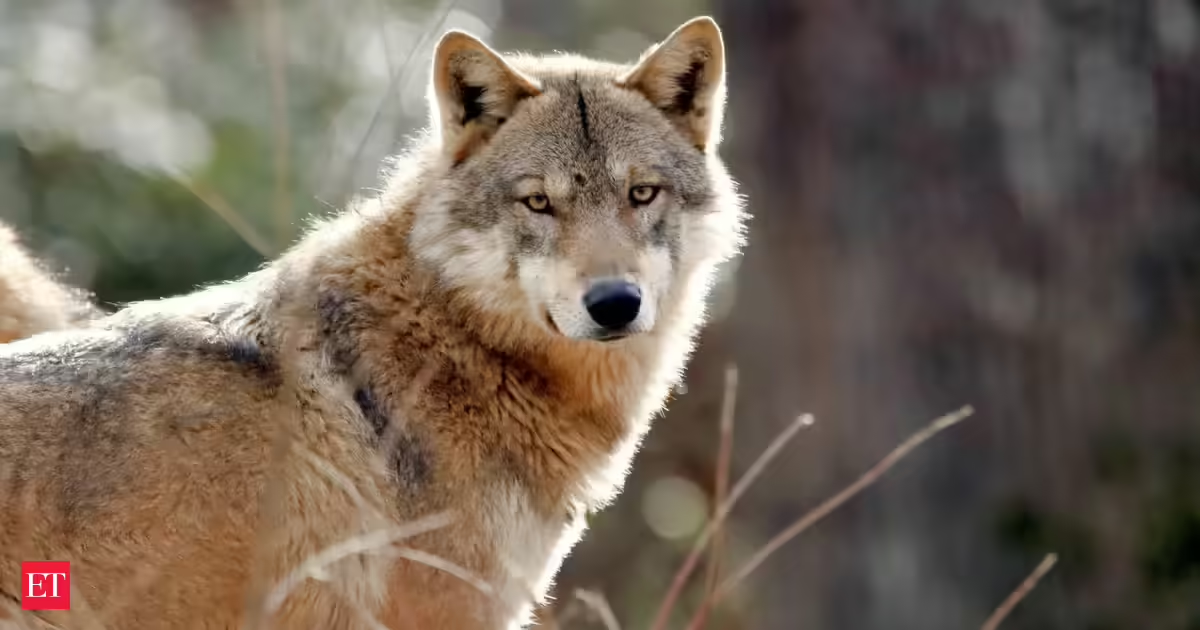
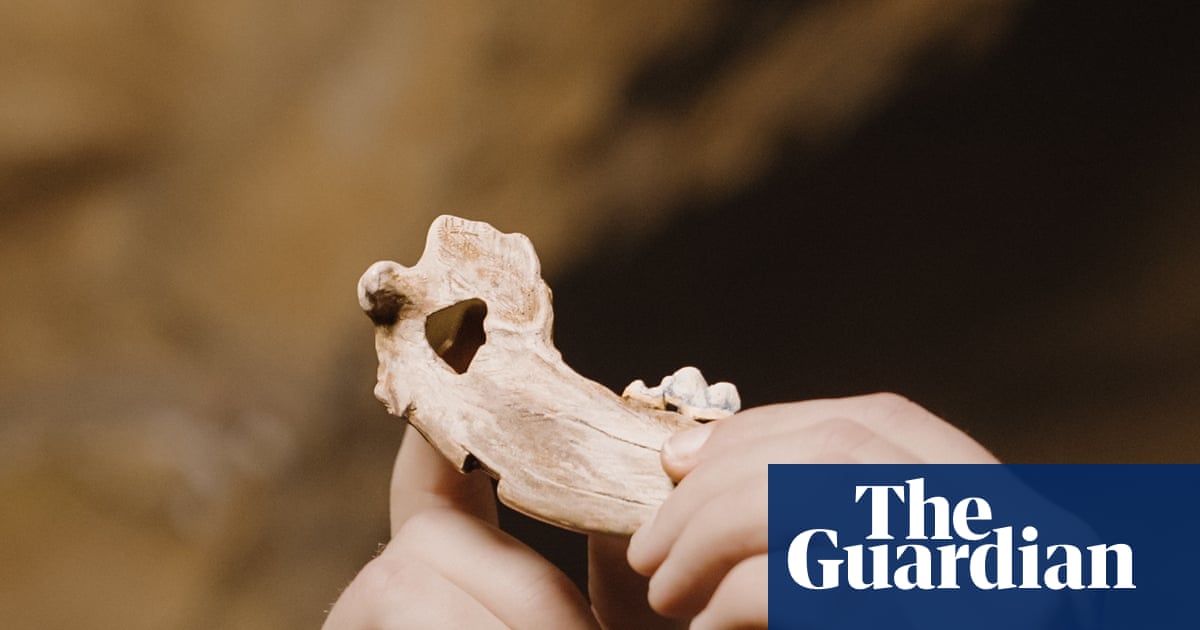
Wolf bones unearthed on a tiny island in the Baltic Sea were found to be thousands of years old, and bore multiple signs of living alongside ancient humans.
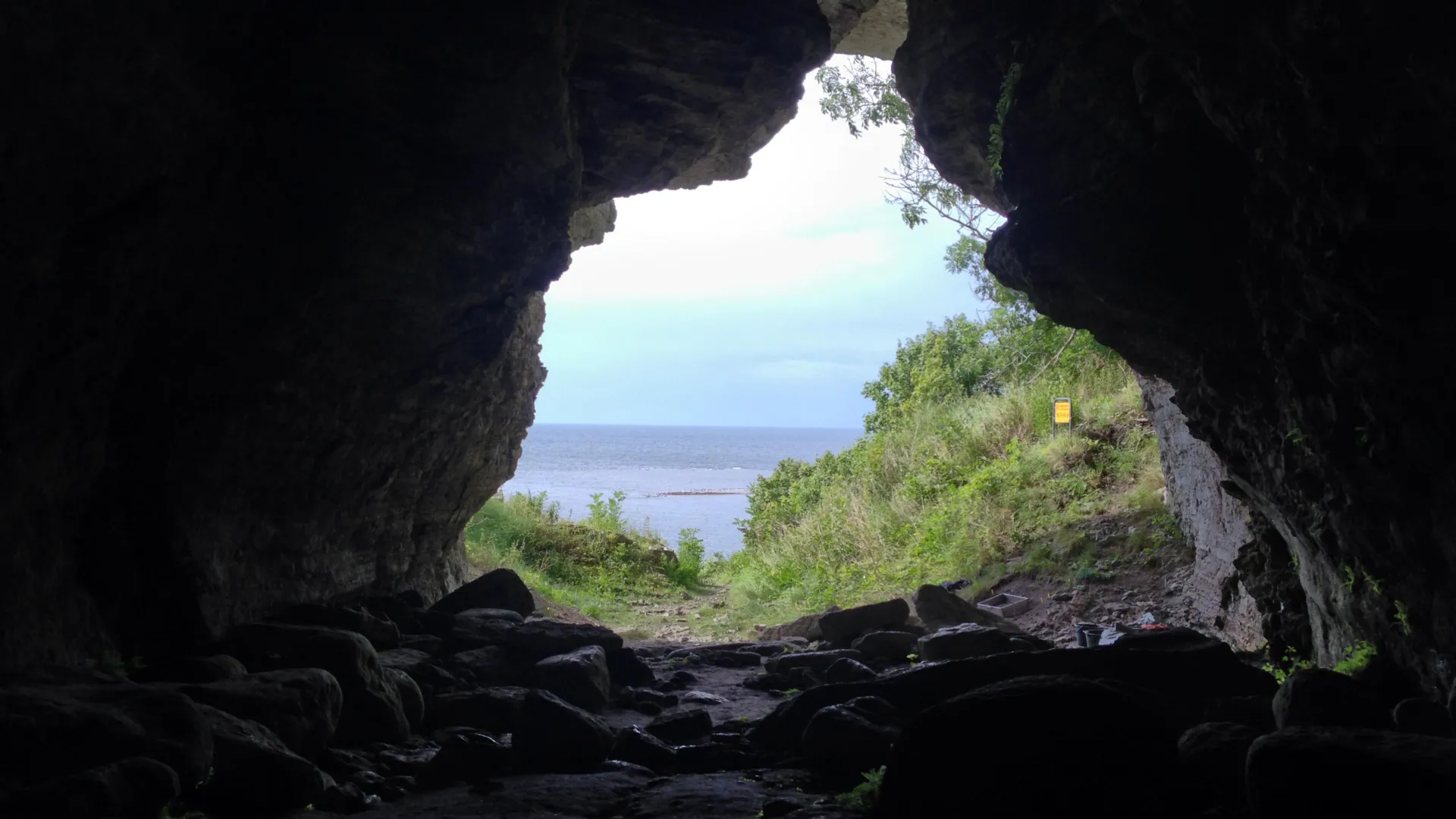
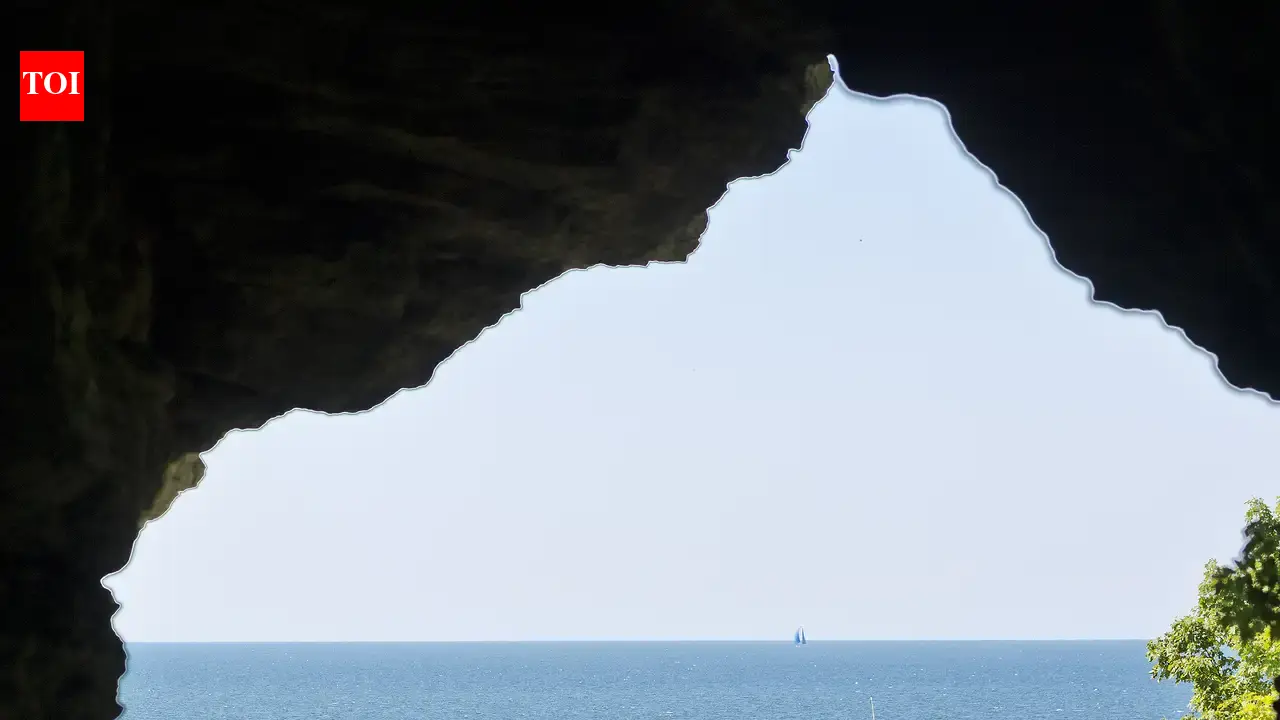
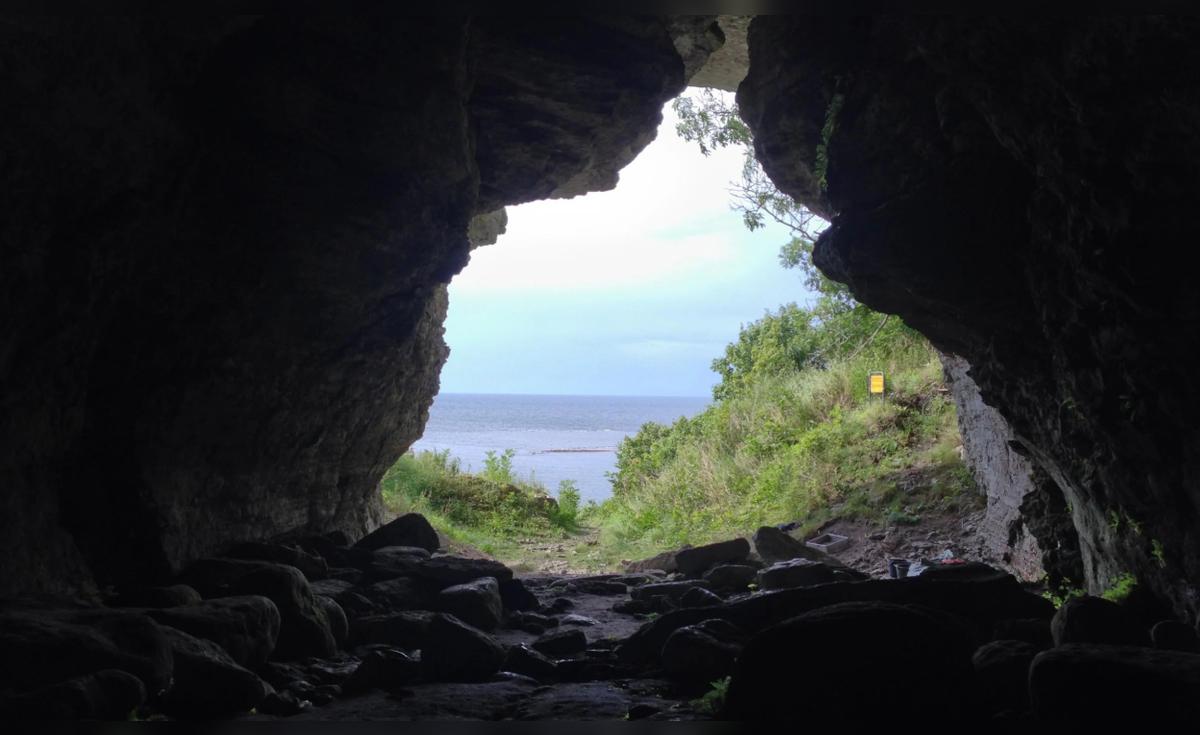
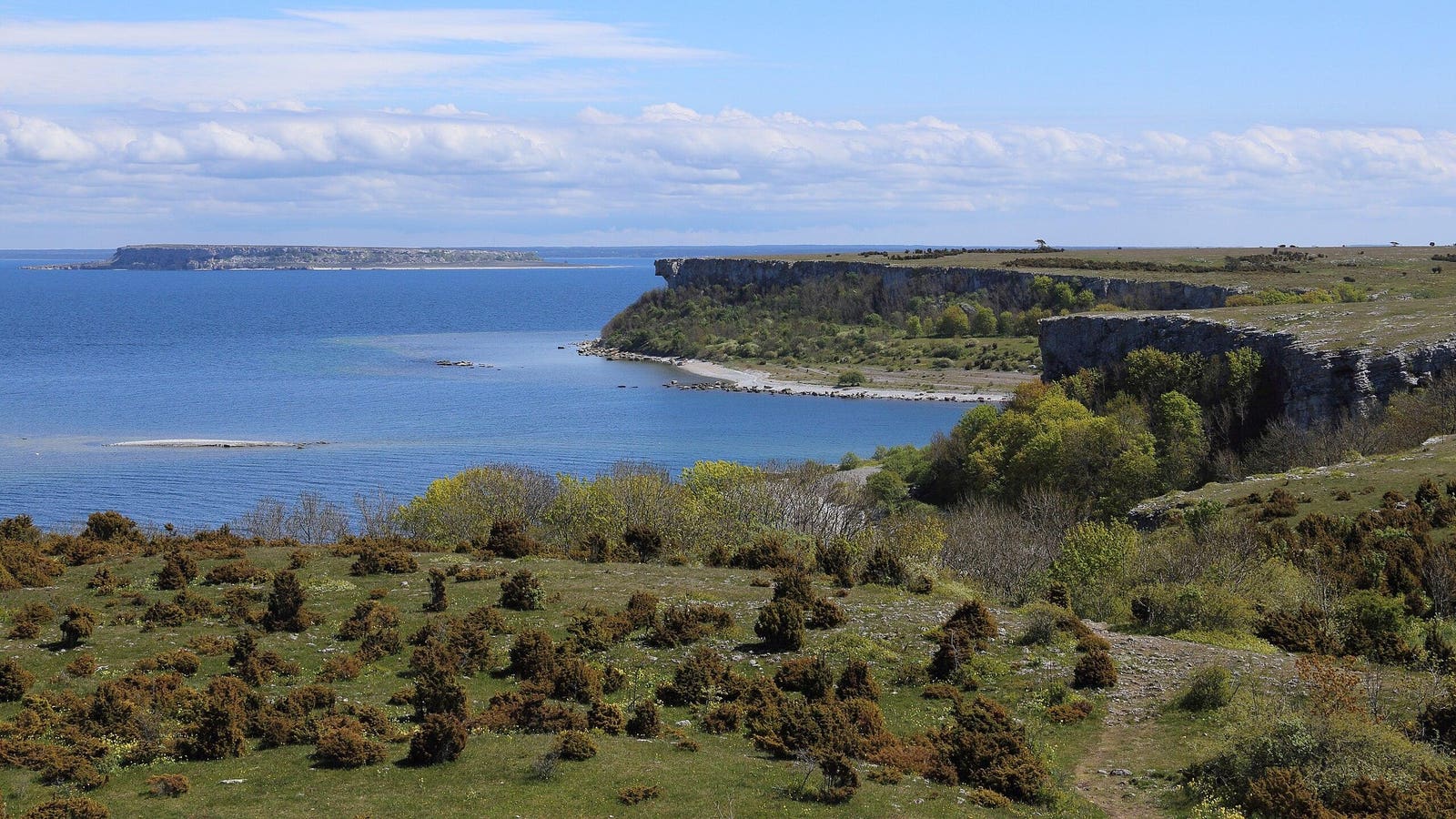
The Swedish island of Stora Karlsö, a site known for its intensive use by seal hunters and fishers during the Neolithic and Bronze Ages, is an ancient coral reef that is more than 400 million years old. It is very small, with a total area of just 2.4 km², and remote, situated 6 km off the southwest coast of Gotland, which is another, somewhat larger, island in the Baltic Sea. And yet, despite its small size, Stora Karlsö is a popular destination for birders, wildlife and nature photographers and enthusiasts, and has been so for roughly 100 years. It also is an important research site where pioneering conservation methods are developed and tested.
Stora Karlsö also is home to a number of intriguing mysteries. Like its island neighbor, Gotland, Stora Karlsö is not home to any endemic populations of terrestrial mammals – it’s too remote and small – which means that the only way that these animals could reach this island and survive would be through human assistance. So it’s quite surprising to discover that this far-flung speck of an island (arrow, Figure 1A, inset) was home to grey wolves. How did they get there? What did they eat?