Research suggests hunter-gatherers were feeding dogs and giving them ritual burials as early as the last ice age
They are humankind’s best friend, and now ancient DNA analysis has revealed that the enduring bond between dogs and humans dates back more than 15,000 years.
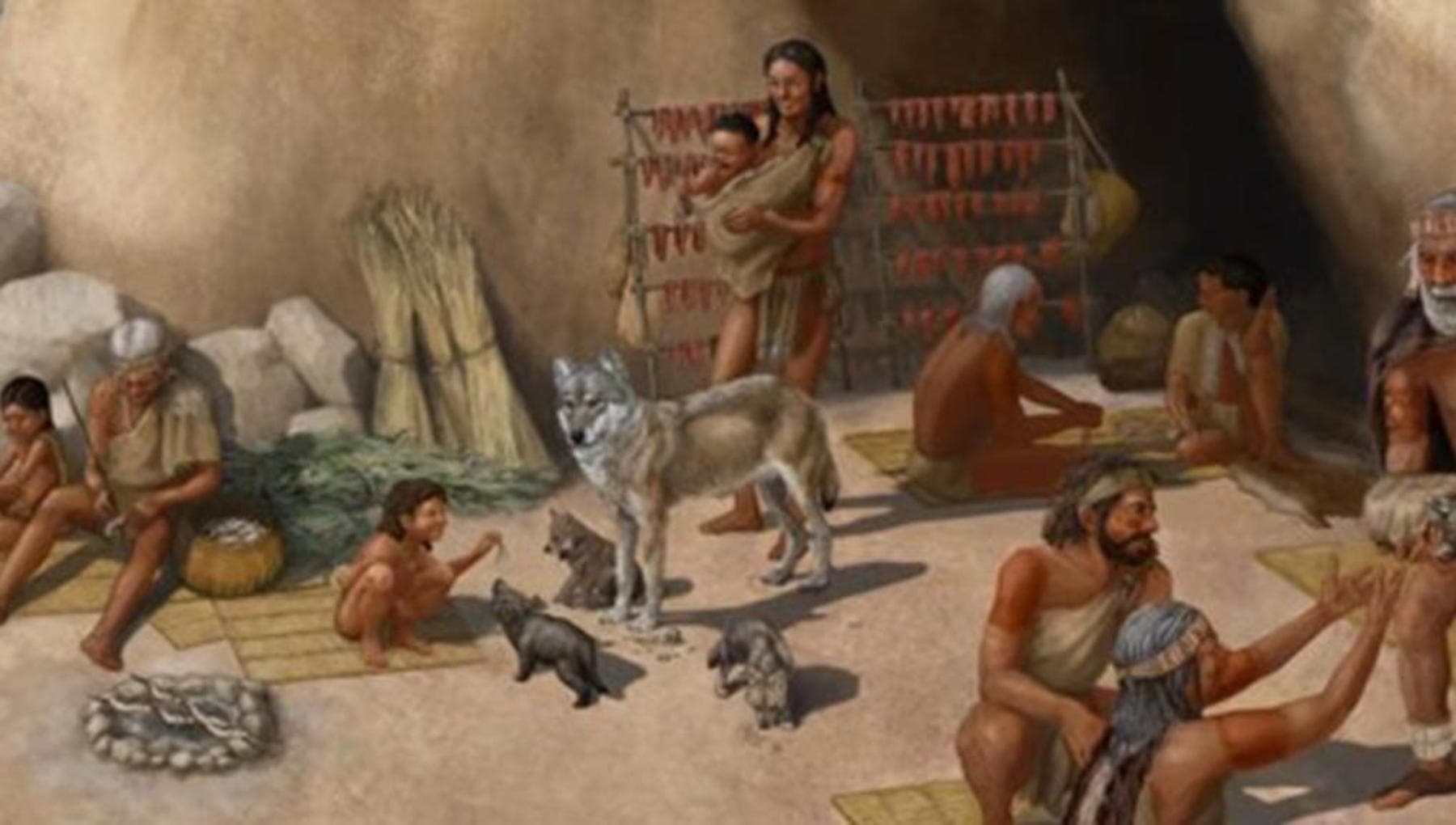
The groundbreaking research, published in the journal Nature, pushes back the oldest genetic evidence for domestic dogs by 5,000 years, revealing that hunter-gatherers were feeding the animals and giving them ritual burials long before the emergence of agriculture.
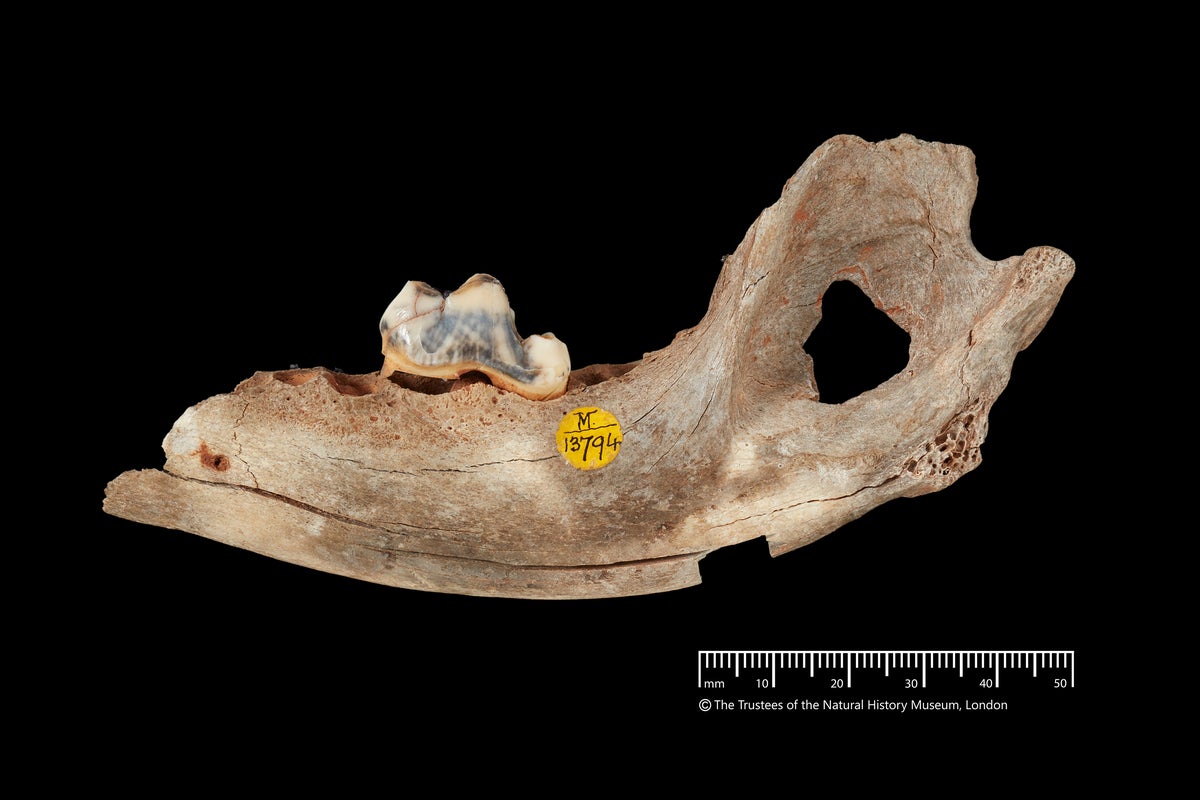
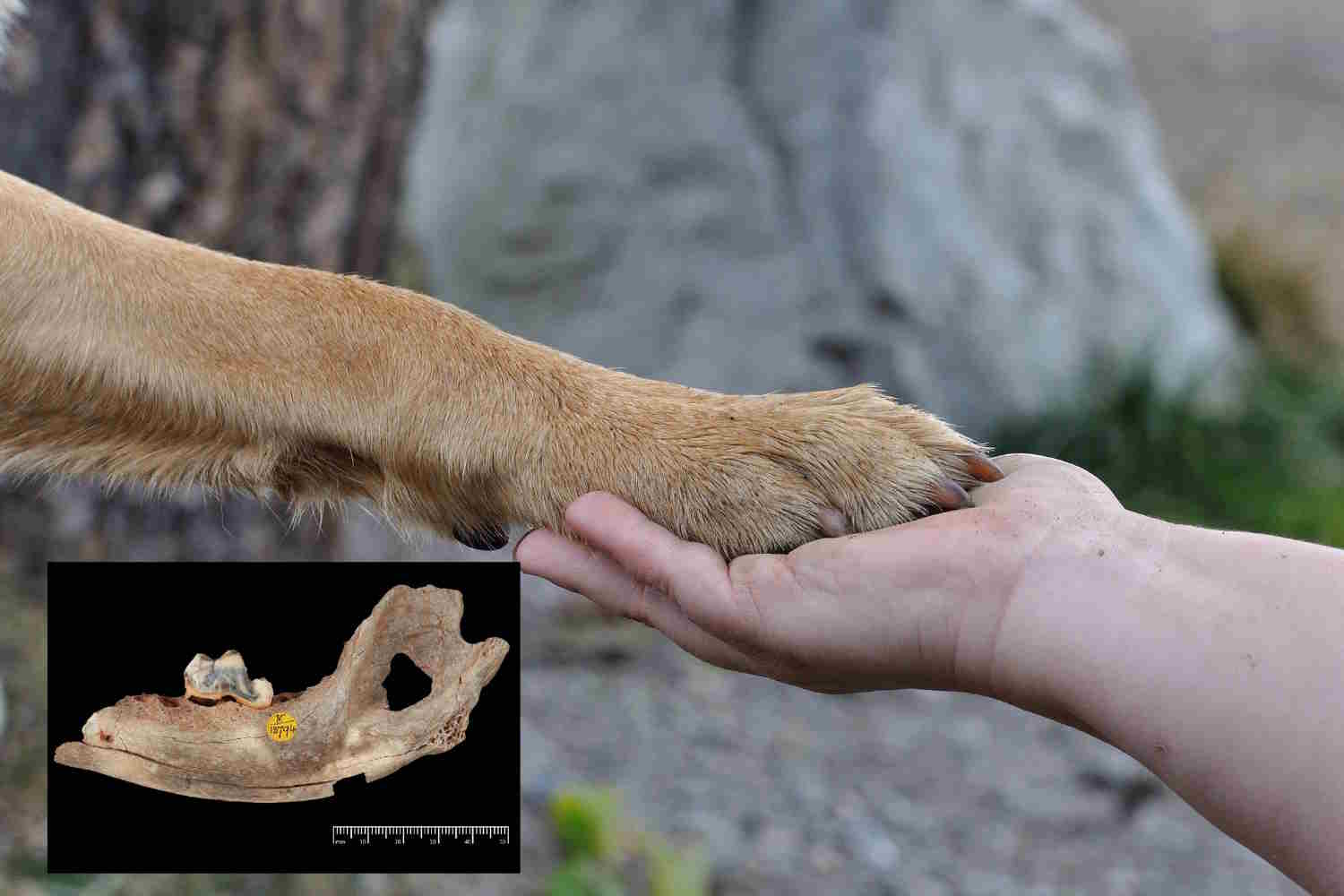
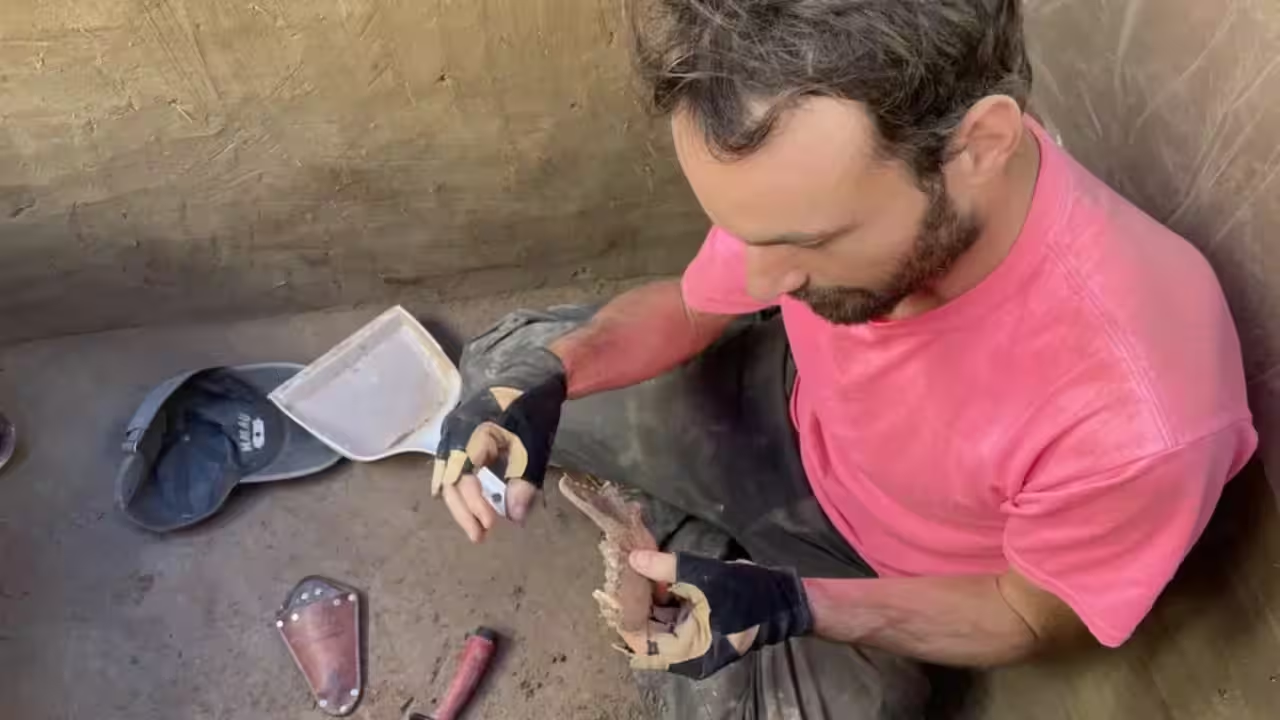
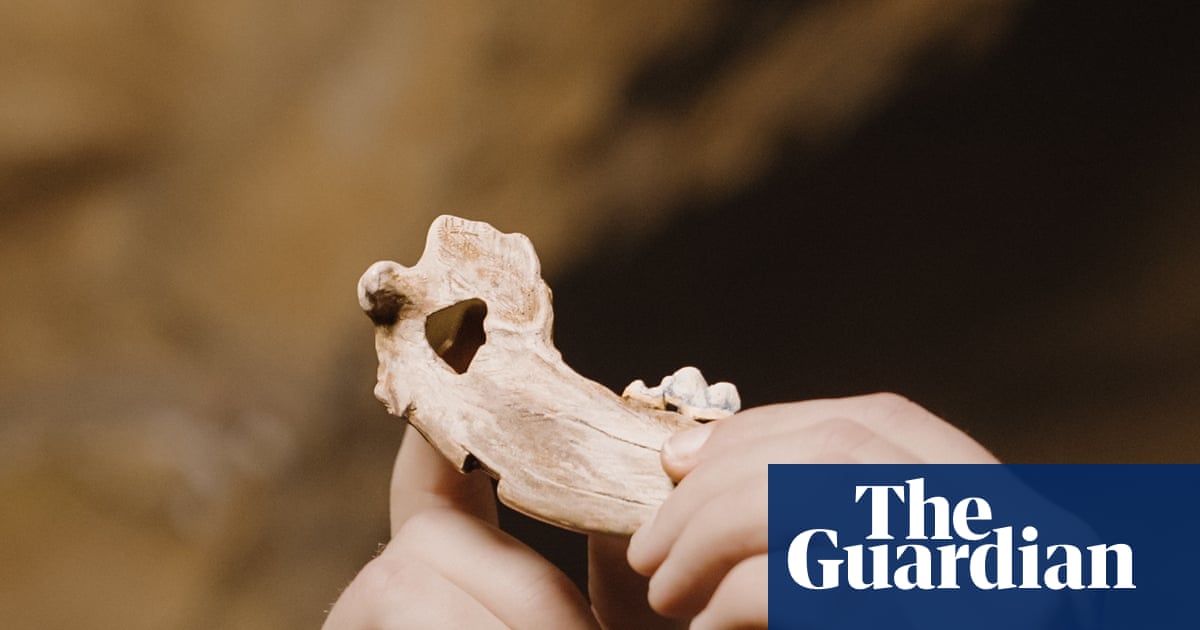
The oldest specimen, dating to 15,800 years old, was buried alongside human remains in Anatolia, Turkey. The second-oldest on record, a jawbone dating to 14,300 years, was unearthed at Gough’s Cave in Somerset, which was inhabited by a tribe known for cannibalistic rituals.
Dr Lachie Scarsbrook, of Ludwig Maximilian University of Munich and co-first author of the study, said: “This means that by 15,000 years ago, dogs with very different ancestries already existed across Eurasia, from Somerset to Siberia. This raises the possibility that domestication occurred during the last ice age, more than 10,000 years before the appearance of any other domestic plants or animals.”