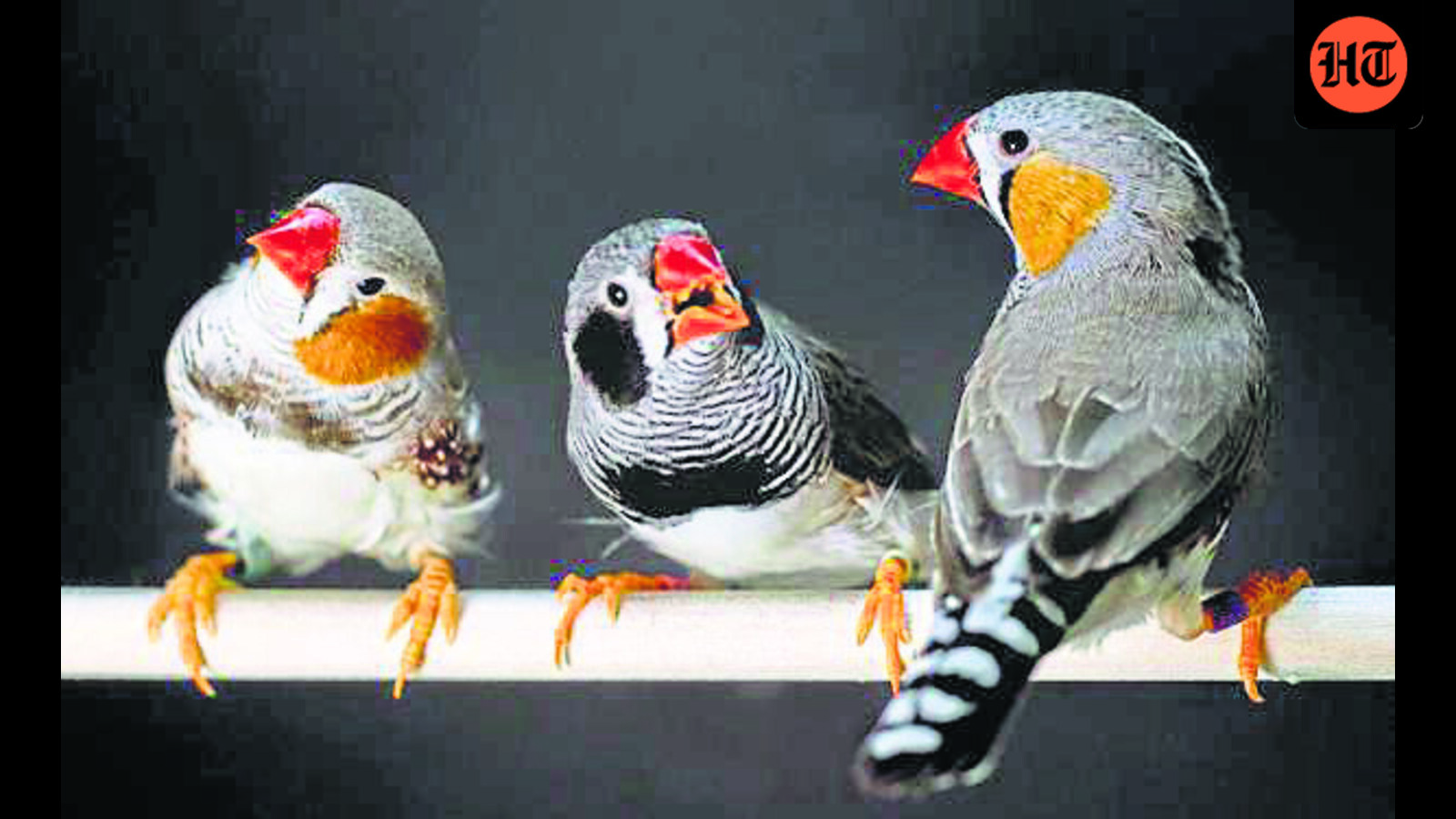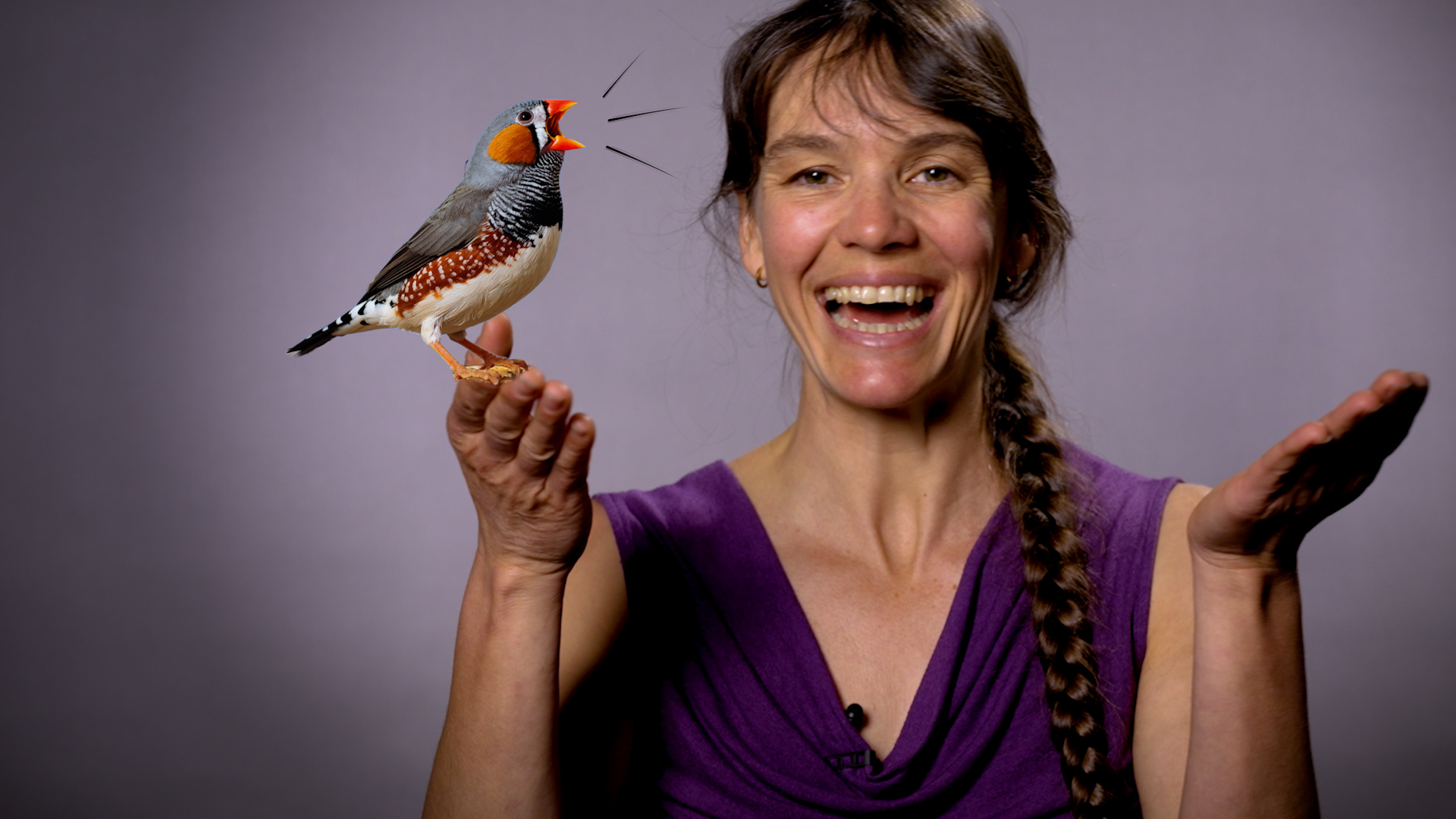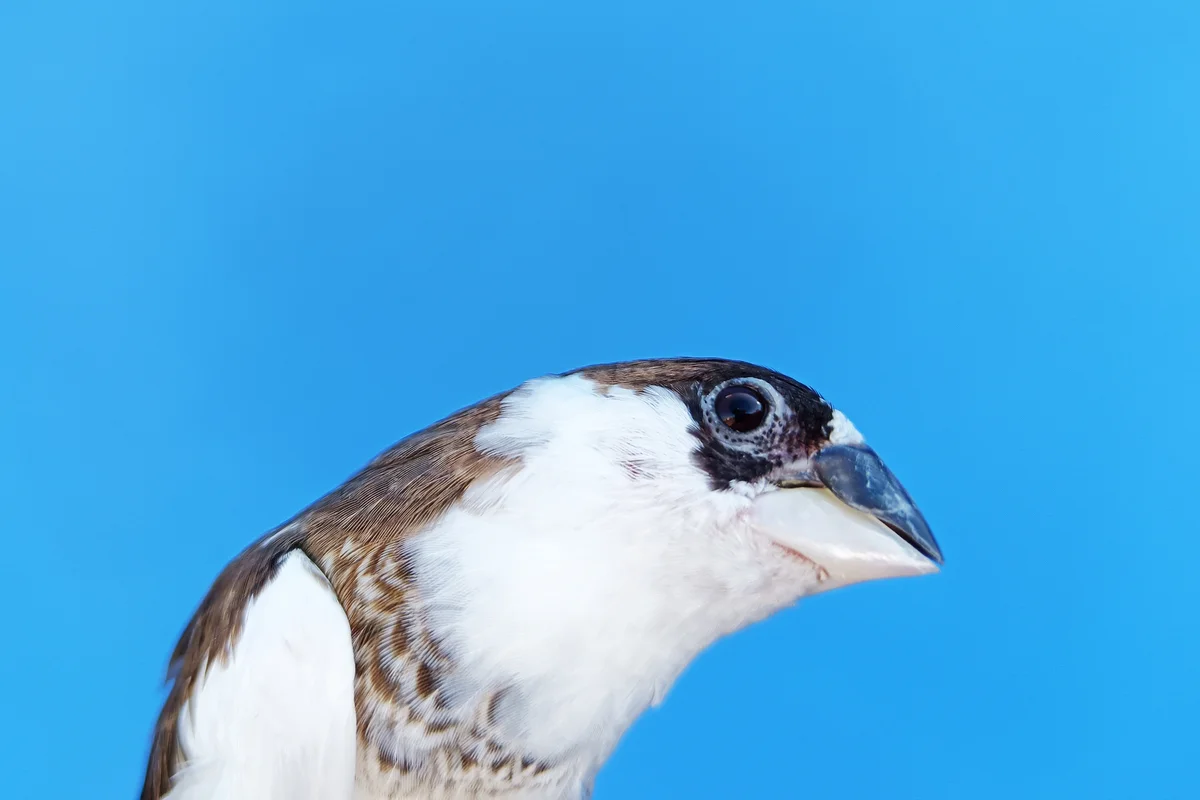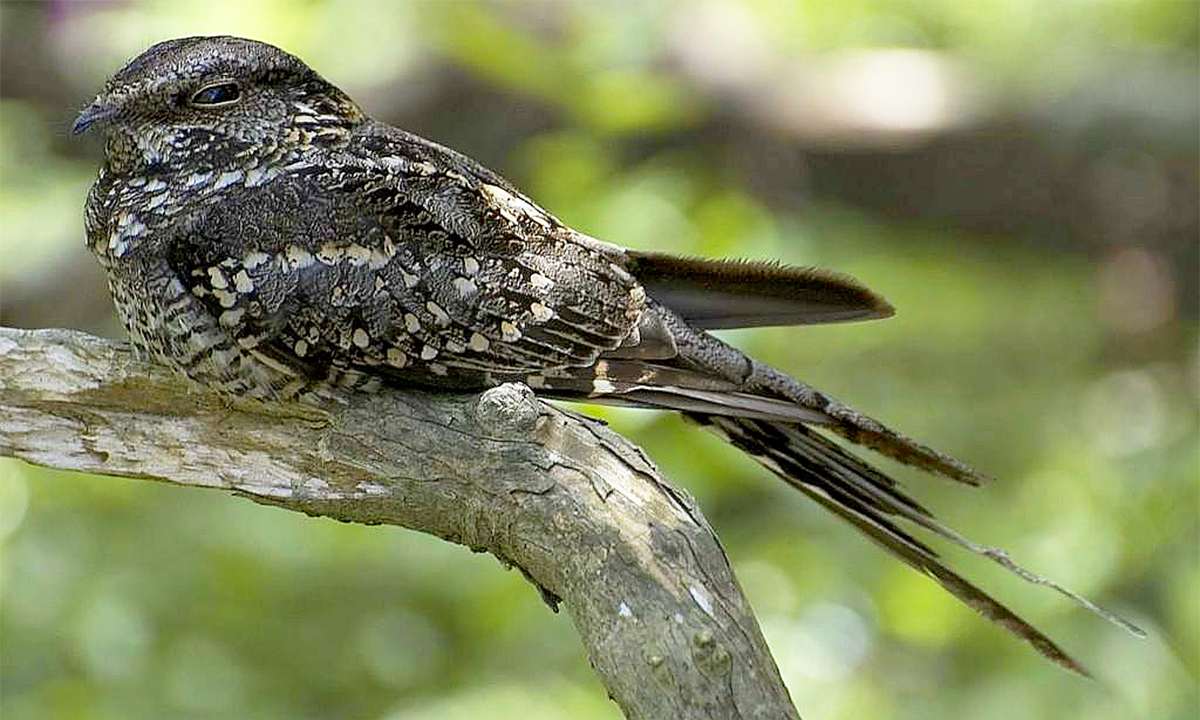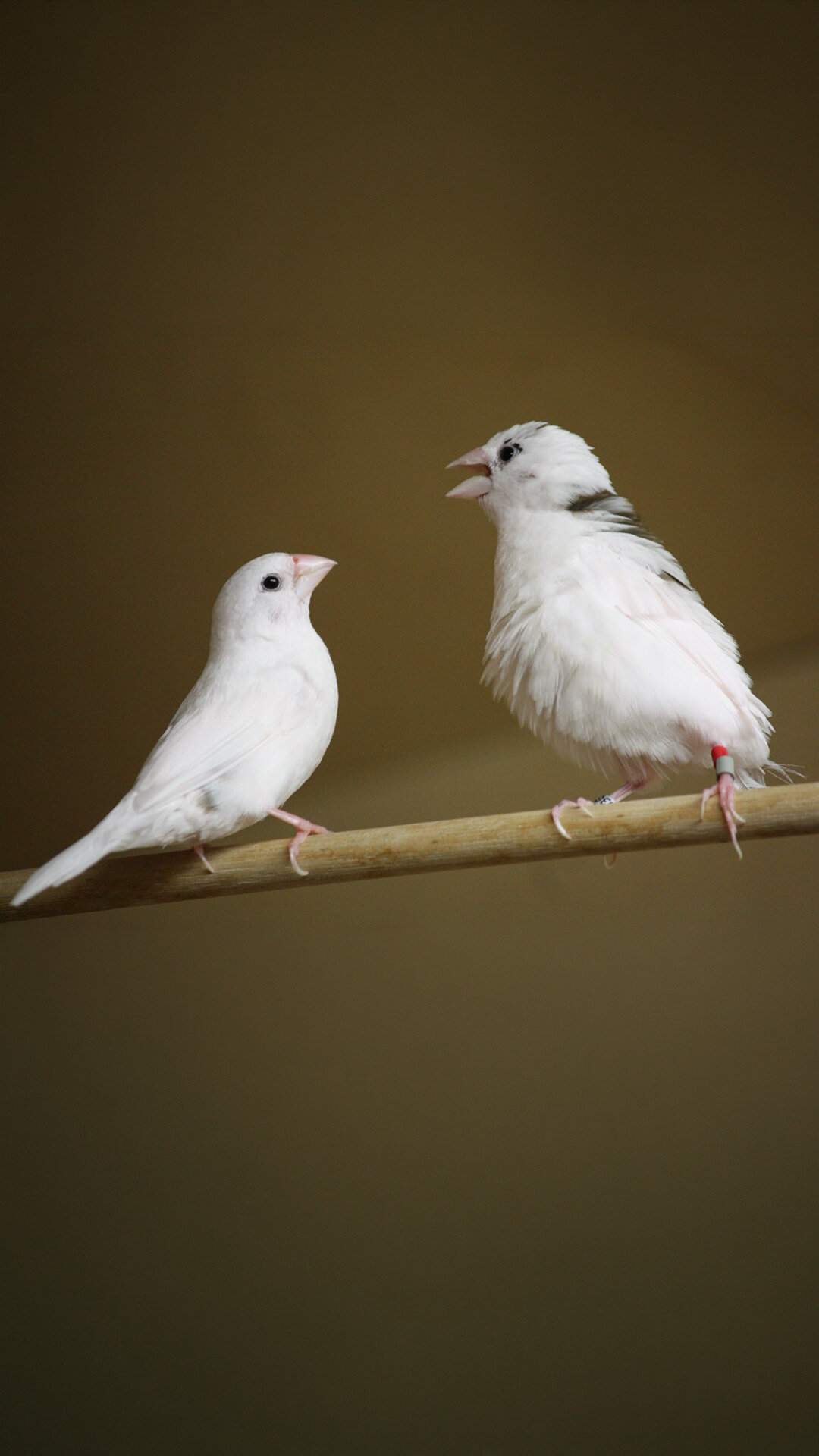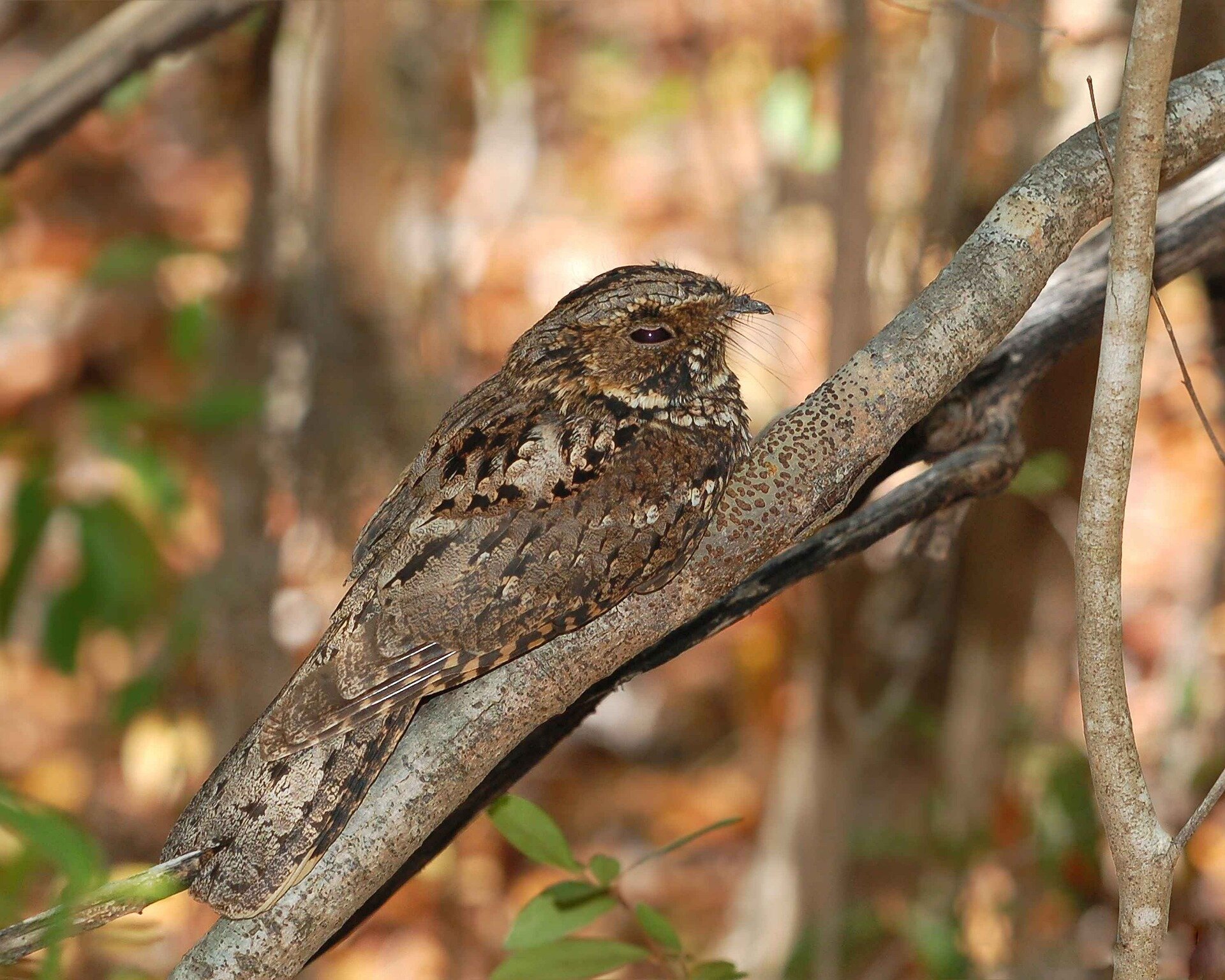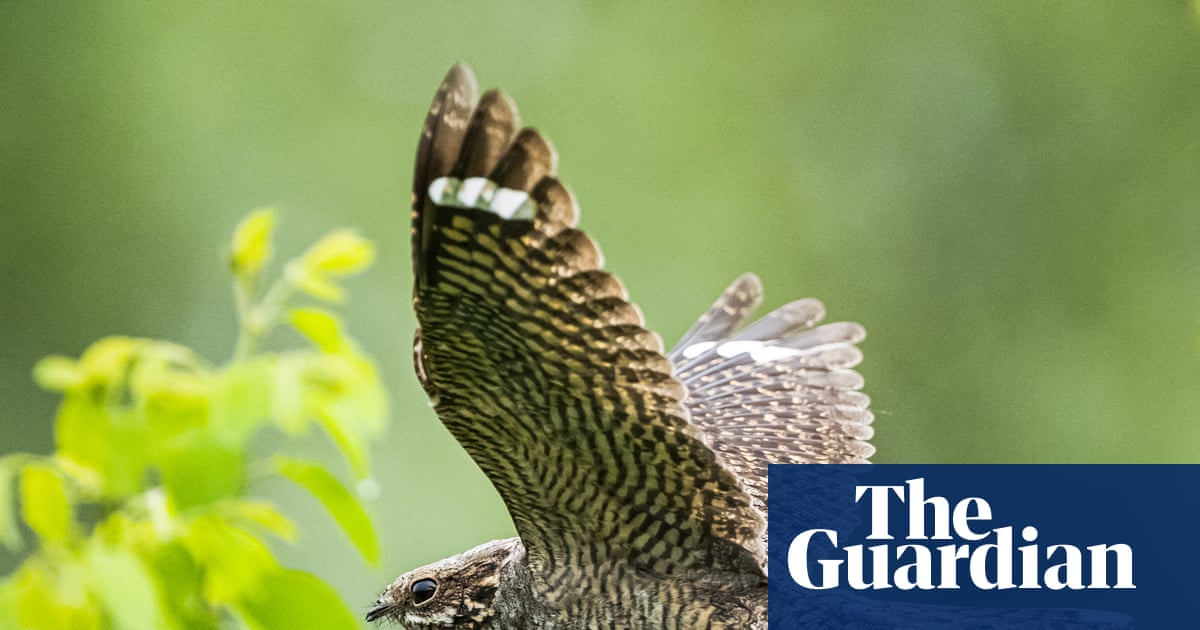
Birds do not sing. They bleep and rattle and buzz like a dial-up modem. That we consider what comes out of those pointy mouths as synonymous with natural beauty and the highest achievements of melody is all down to a musical sleight of hand – centuries of gaslighting and free PR from classical music. The first composer to level with us, to faithfully transcribe the monstrous noises that these creatures actually make, was Olivier Messiaen.
His music is stuffed with this fabulous fax-machine weirdness. It reaches an apotheosis in his massive opera Saint François d’Assise (1983) – six hours with intervals.
That we consider birdsong as synonymous with natural beauty is down to a musical sleight of hand
A smattering of brown cassocks could be spotted amid the usual outlandish outfits at Salzburg’s new production at the Felsenreitschule, celebrating St Francis’s 800th birthday. A dream team had been assembled, including the director Romeo Castellucci, conductor Maxime Pascal (tamer of Stockhausen’s seven-day opera Licht), a massively enlarged Vienna Phil, and the formidable 150-strong chorus of the Vienna State Opera.
As in so much of the best art, nothing happens. A leper is healed, a shady traveller is met, birds are addressed. Philippe Sly’s Francis, meanwhile, is convincingly troubled and transfigured even when baking bread. All the drama, complexity, mystery, subtlety works itself out in the score – and in Sly’s voice – which is simultaneously so clear and so ravishing that, but for its length, it would make the perfect opera to recommend to any new-music neophytes or naysayers.