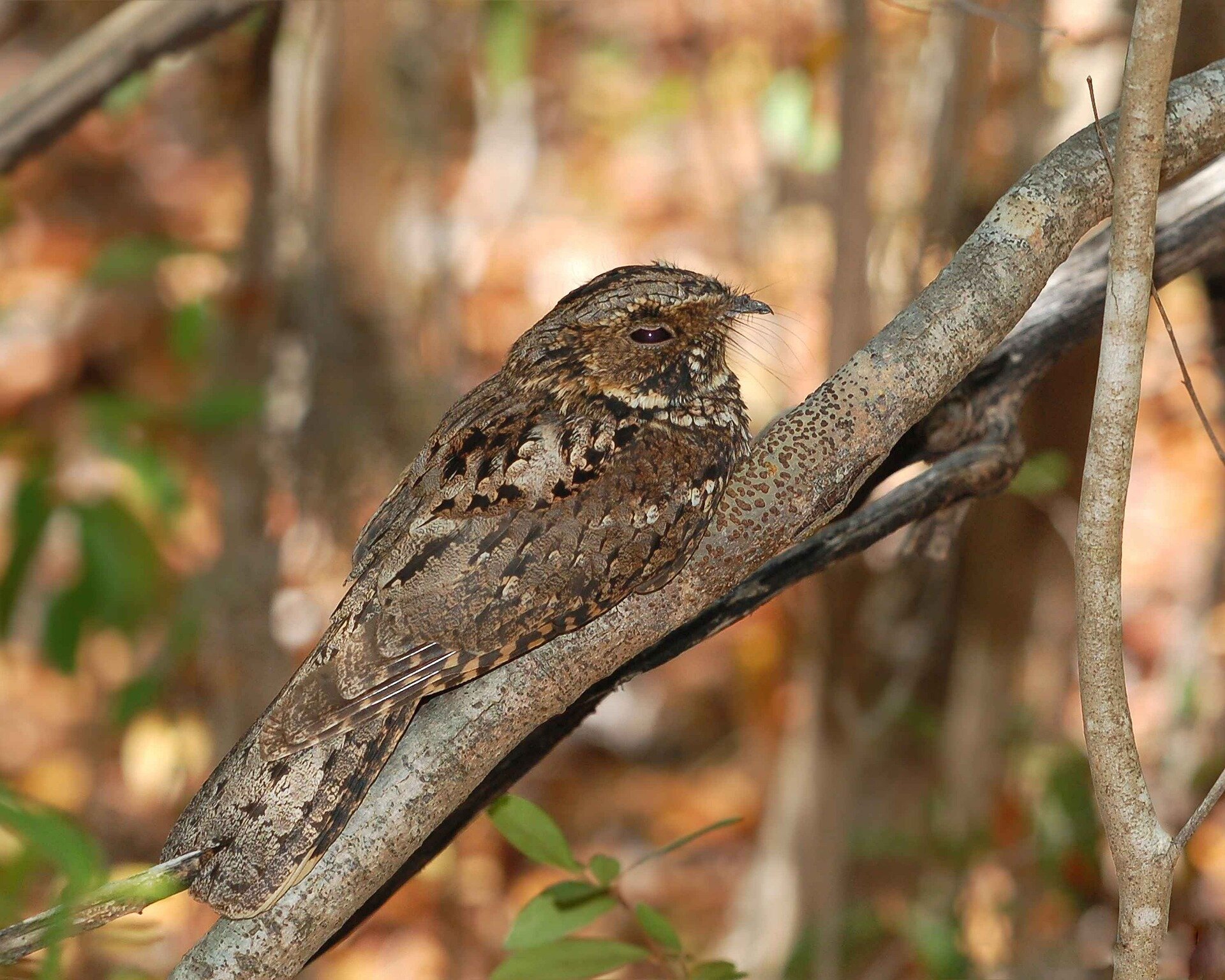
Some birds sing to attract a mate. Others dance or display colorful feathers. But in the moonlit forests and shrublands of northern Argentina, one bird courts romance by snapping its wrists together, producing a sharp clapping sound scientists have puzzled over for decades. Now, researchers have captured the behavior in detail for the first time, revealing how scissor-tailed nightjars create one of the most curious sounds in the avian world.
Unlocking a hidden soundscape
The findings, published in the Journal of Avian Biology, shed light on a lesser-known side of bird communication: sounds made not with voices, but with wings, feathers, claws, and bones.
"These birds are opening up a hidden corner of biodiversity," said Christopher Clark, a UC Riverside biologist who co-led the study. "People tend to focus on birdsong, but there are many species making important sounds mechanically rather than vocally."
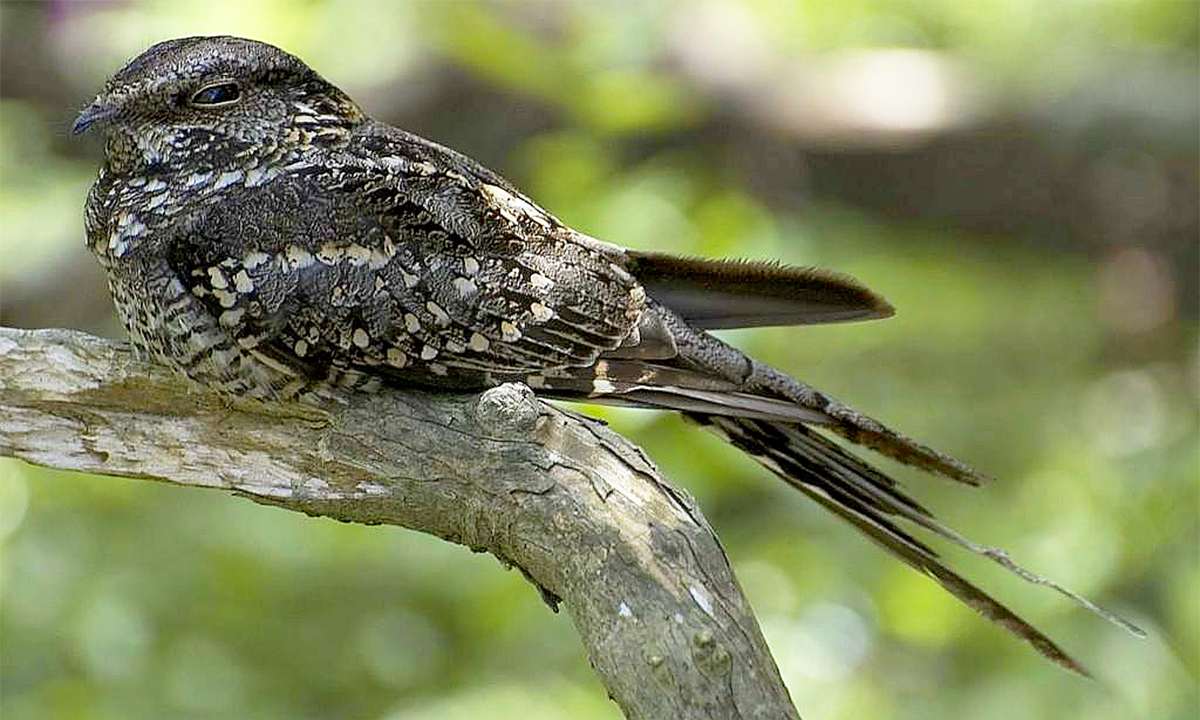
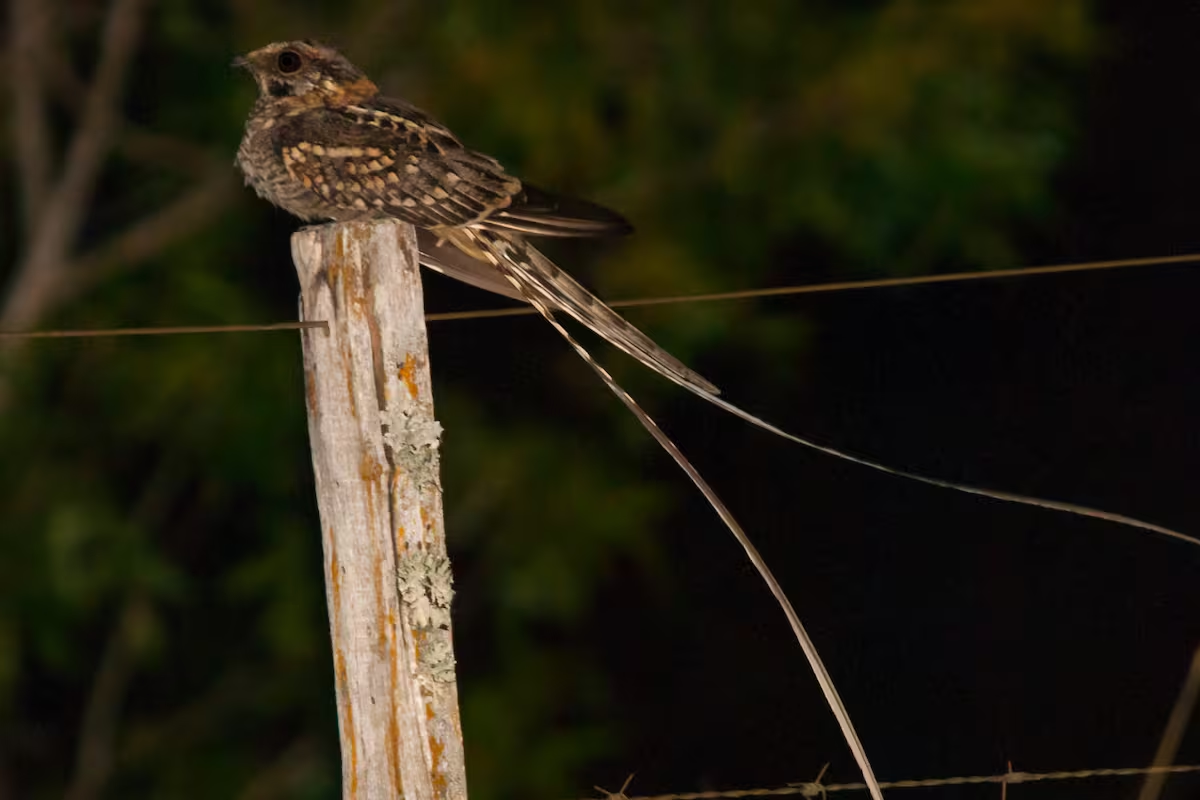
Nightjars are related to hummingbirds, though they are nocturnal and look more like small owls. Their mottled brown feathers camouflage them against rocks and dirt, and their large eyes help them hunt moths and beetles in darkness. Male nightjars are especially striking, with long forked tails that spread open like a pair of scissors during courtship displays.