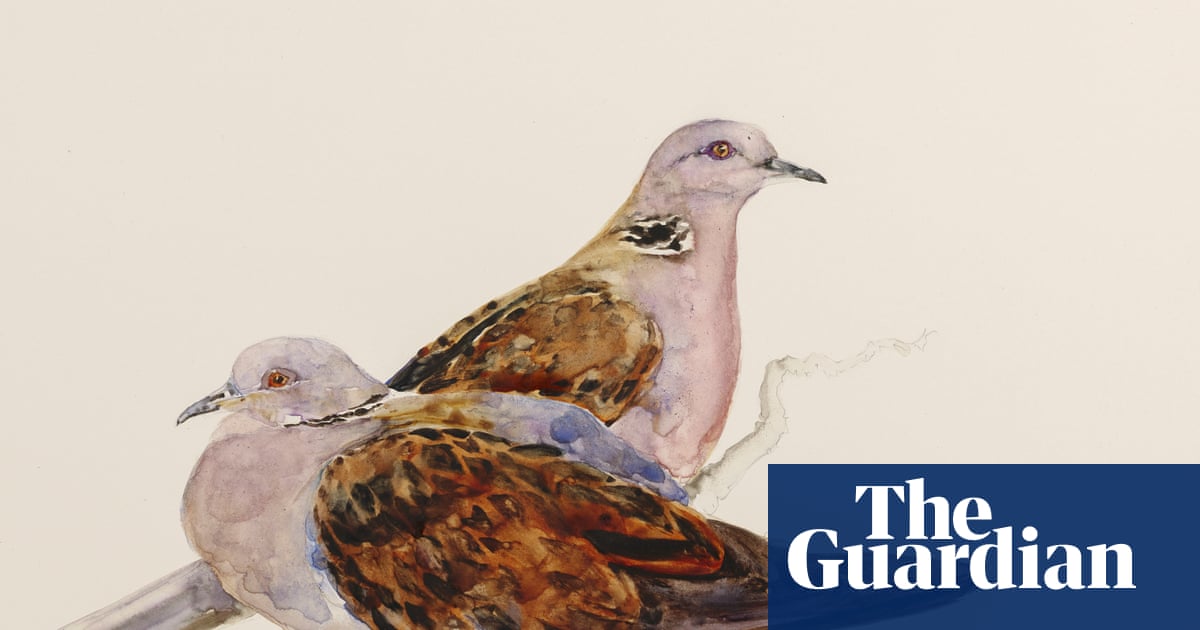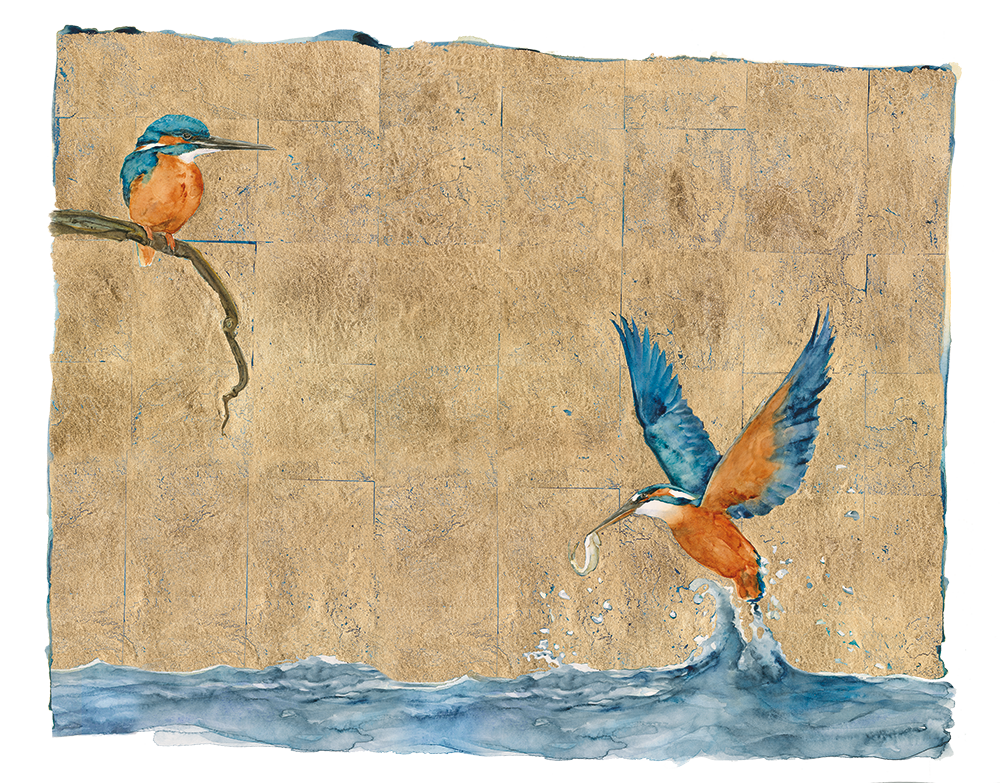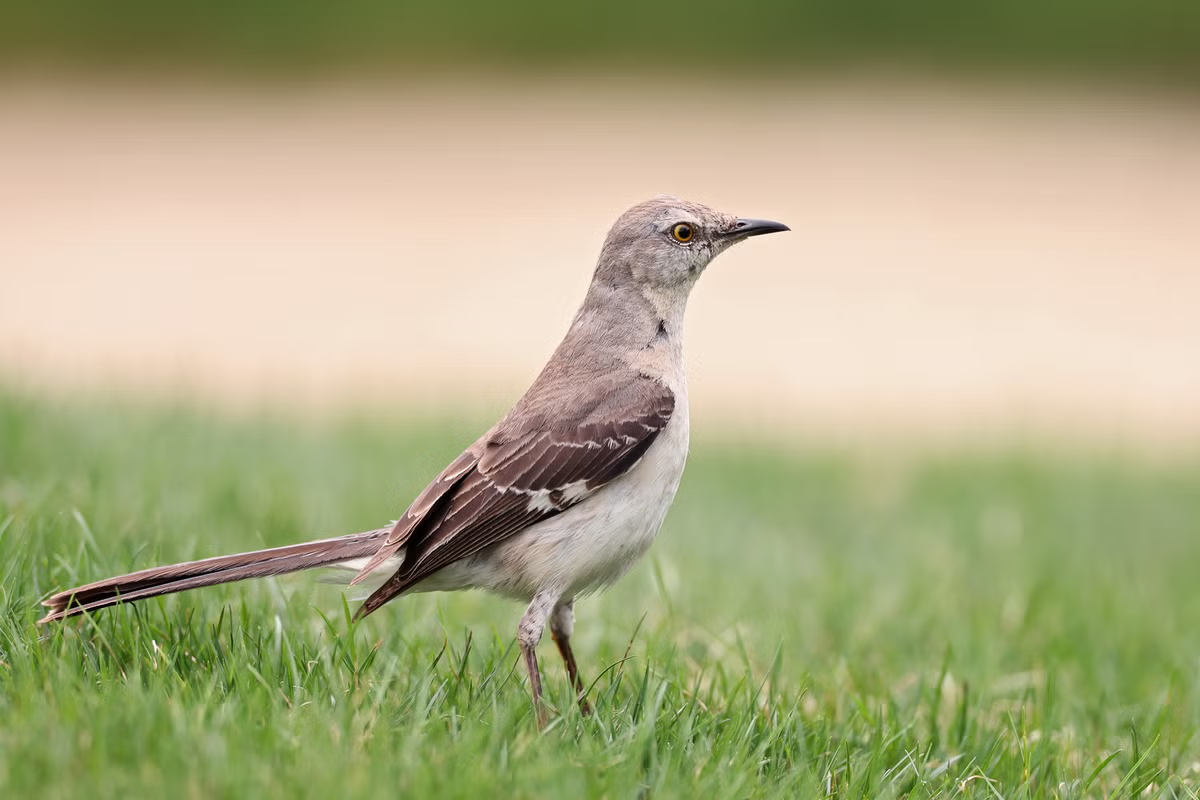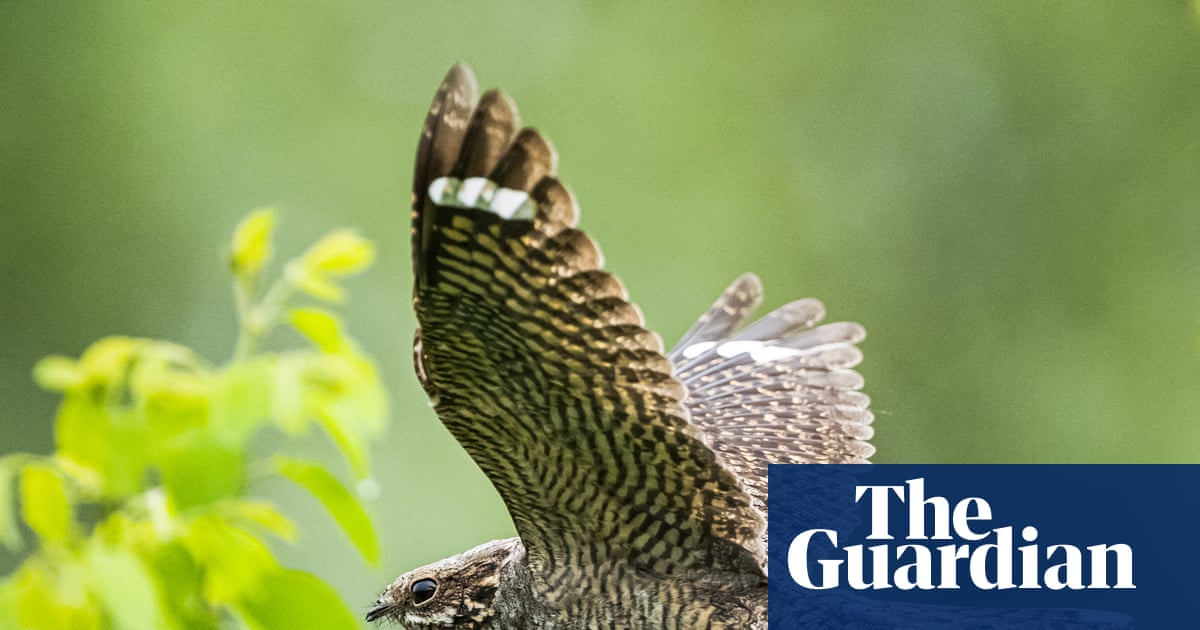
Authors set out to correct under-representation of female sounds – and found some surprising revelations
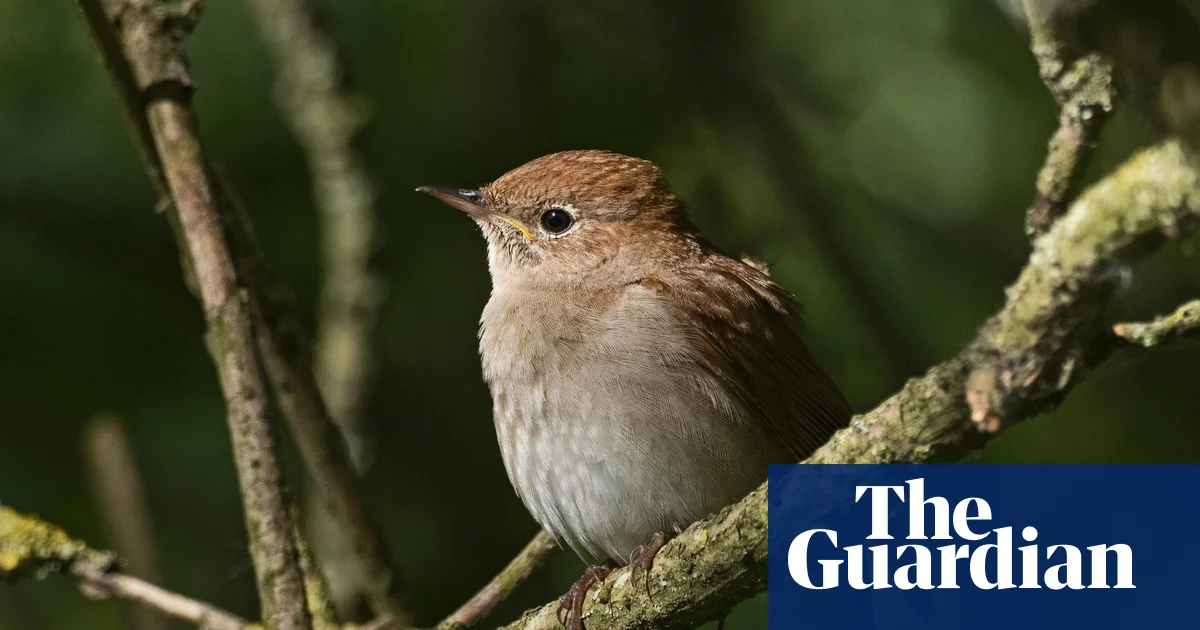
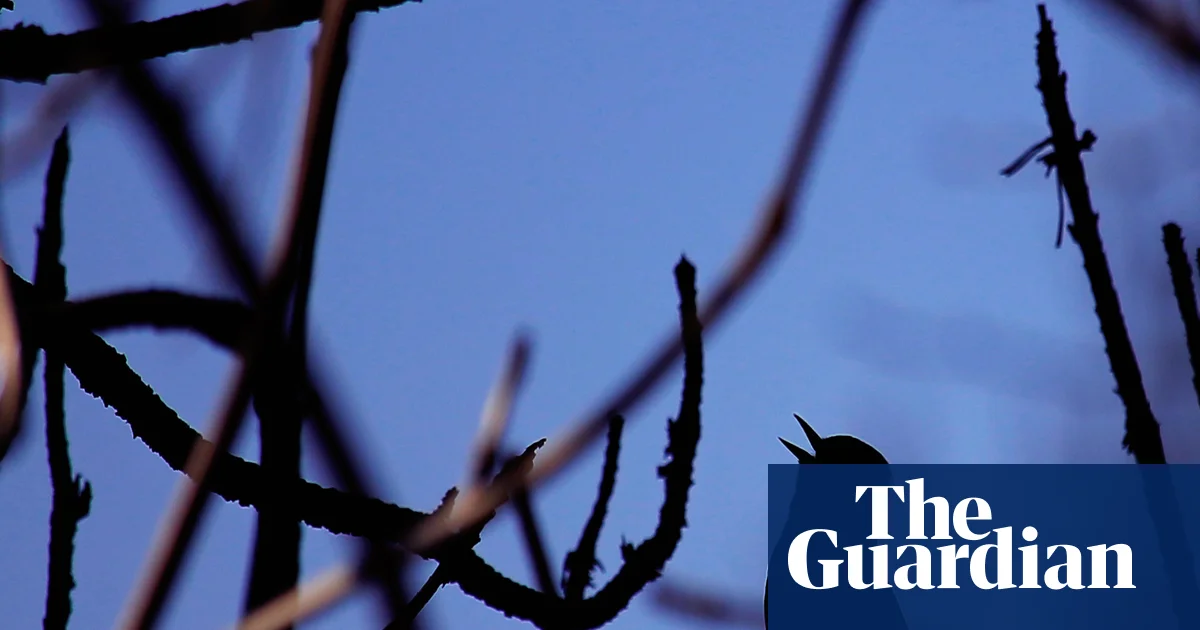
When we hear the beautiful call of a bird from a high bough, we’re told it’s likely to be a male – singing for territory, or belting out tunes to woo a female. But as the annual dawn chorus reaches a crescendo this spring, a new guidebook is urging us to think again – and turn our ears to the hidden world of female birdsong.
The songs, sounds and sights of female birds have historically been overlooked in field guides and sound archives. In 2016, just 0.01% of the bird sounds in the global Xeno-Canto sound library were labelled female. Another sound archive was just 0.03% female, according to a 2018 study.
But the new book – The Sound Approach to Birding 2 – aims to correct this under-representation and properly explain female birdsong. Female birds sing for territorial displays, to ward off other females and to attract extra males, according to Lucy McRobert, a writer and researcher who studied the issue for the guidebook.
The book comes with its own library of 300 sounds from 200 species, accessed via web or app. The clips are drawn from the larger online archive of Sound Approach, a birdsong project founded in 2000 with confirmed recordings of females for 41% of species found in the Western Palearctic, a biogeographical region encompassing Europe, north Africa and most of the Middle East.