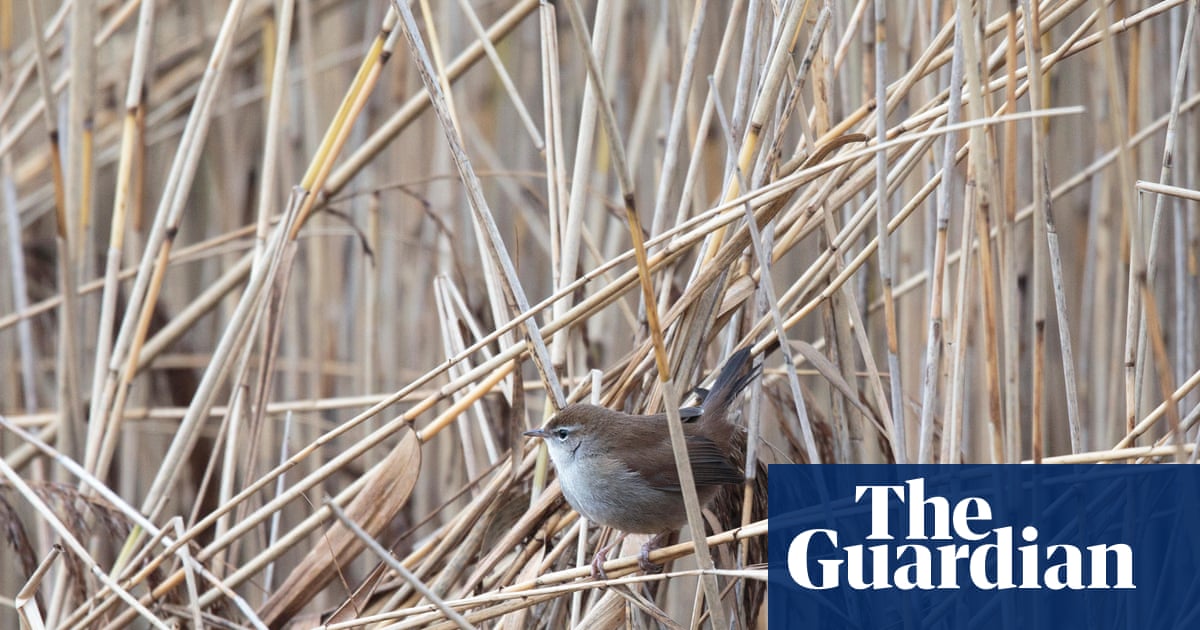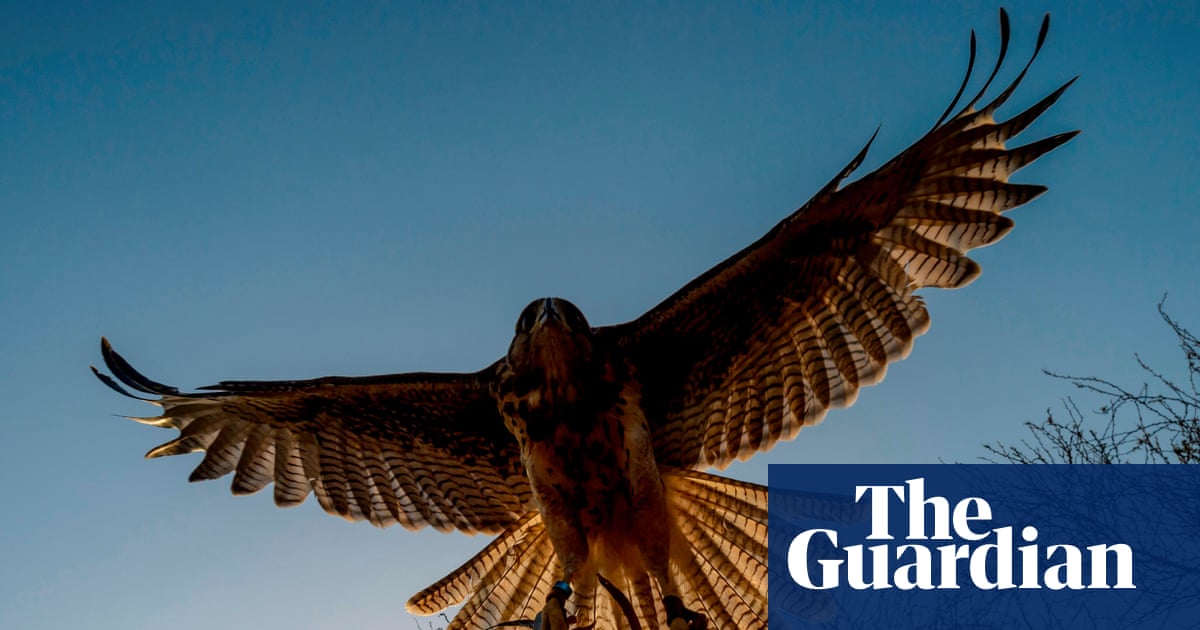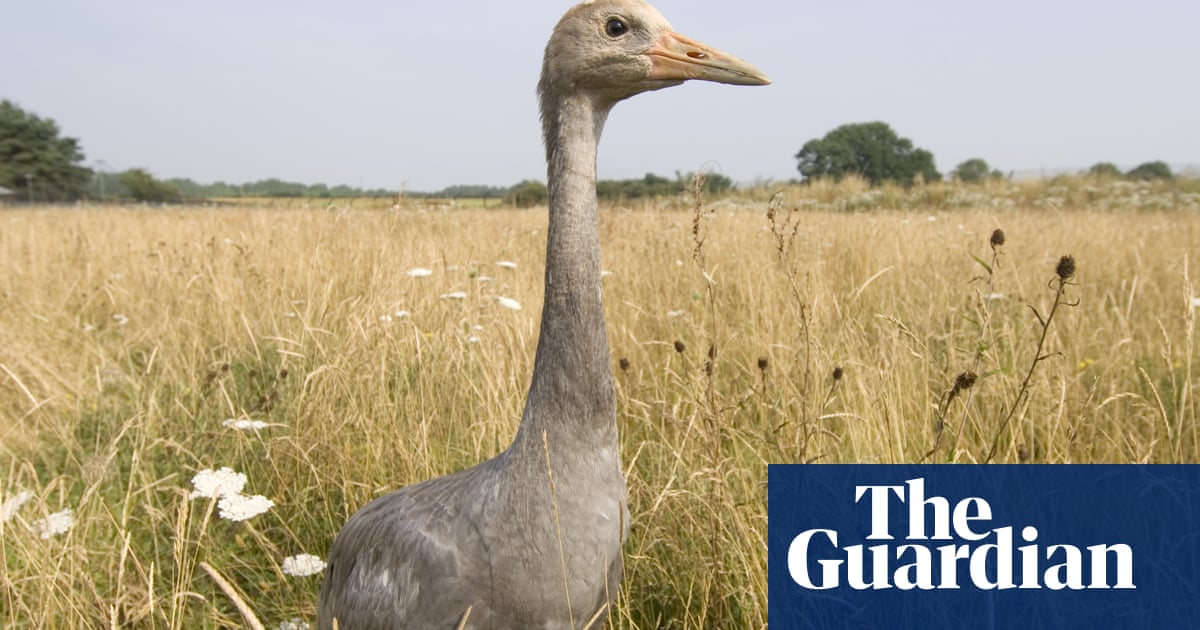
From buzzards in Oxfordshire to cranes in Kent – how once common birds left their mark in British place names
O
ld place names recall old ways of belonging. They often reference characteristics of the land or its use, the people who lived there, or the non-human lives they were enmeshed with. A great many of these vivifying genii loci are birds, although their identities aren’t always obvious because language evolves over time. We need a guide.
Enter Michael Warren: teacher of English, amateur ornithologist and a man who lives in a Britain different to the one most of us inhabit: a medieval one, which by some magic has “survived in another dimension parallel to our own”. The gift he bestows in this gorgeous book is that, by the end, we live there too, newly able to read the growth rings of place, and to perceive an alternative land shimmering over the one we already know.
The secrets lie in plain sight and plain speech, spelled out on maps, road signs and along urban streets: toponyms invoking cranes and crows, hawks and geese, eagles and owls, swallows and the geac – an old name whose plural geacs became the Ex of Exbourne (Devon) and the Yax of Yaxley (Cambridgeshire). That bird, unlikely as it may seem, is the cuckoo. I’ve just spent a week in the species’ stronghold of Dartmoor, hearing them close to our tent and recognising for the first time, thanks to this book, their neurotic yikker and throat-clearing “gowk”, which is still the bird’s northern and Scots name.