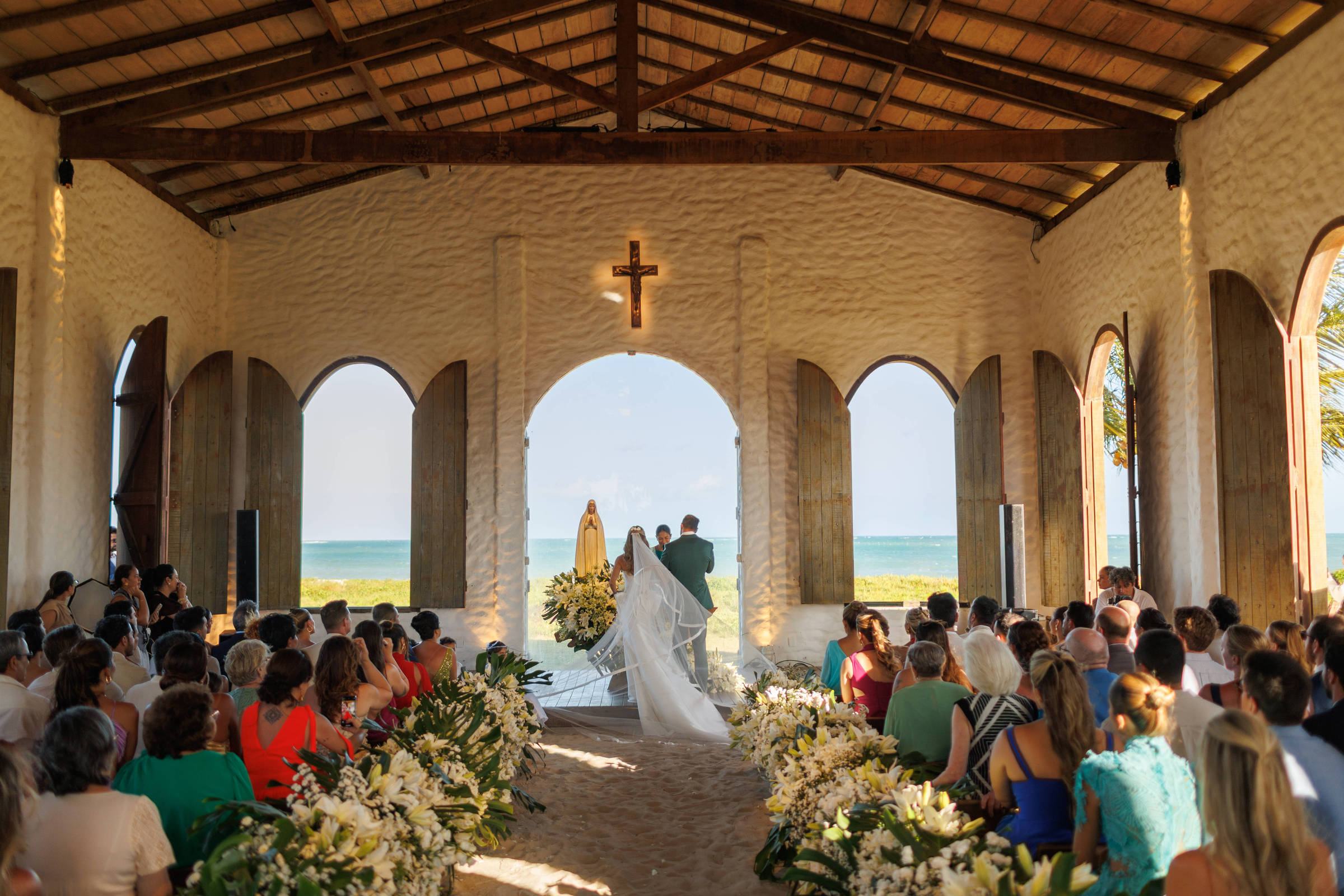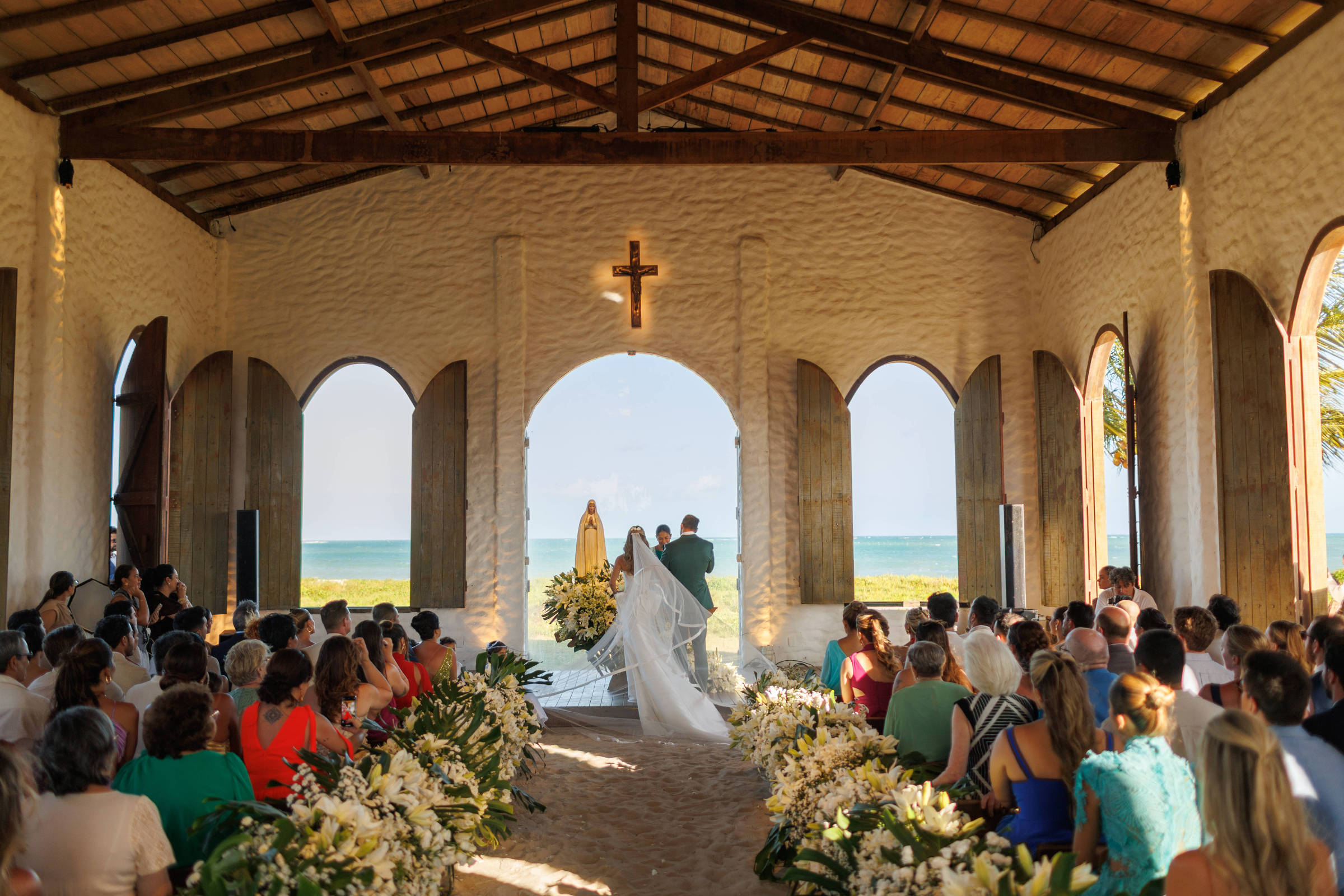
Weddings in destinations such as São Miguel dos Milagres, in Alagoas, have become an important driver of local tourism, transforming the former fishing village into one of Brazil’s leading destinations for wedding ceremonies. According to estimates by local business owners, the region now hosts between 60 and 70 ceremonies a year.Guests usually arrive two or three days early and extend their stay after the wedding, generating business for hotels, restaurants and suppliers of decorations, photography, music and catering. "Guests go on outings and spend the entire weekend moving around the area," says Mamá Omena of Mamá Eventos.
The trend intensified after the pandemic, when couples began seeking smaller ceremonies, less crowded beaches and intimate experiences rather than large urban centers. For Mariana Cerone, a professor of luxury consumption at ESPM, this explains why relatively isolated locations have gained popularity among high-income consumers, for whom the exclusivity of empty beaches and personalized service serves as a social status marker.
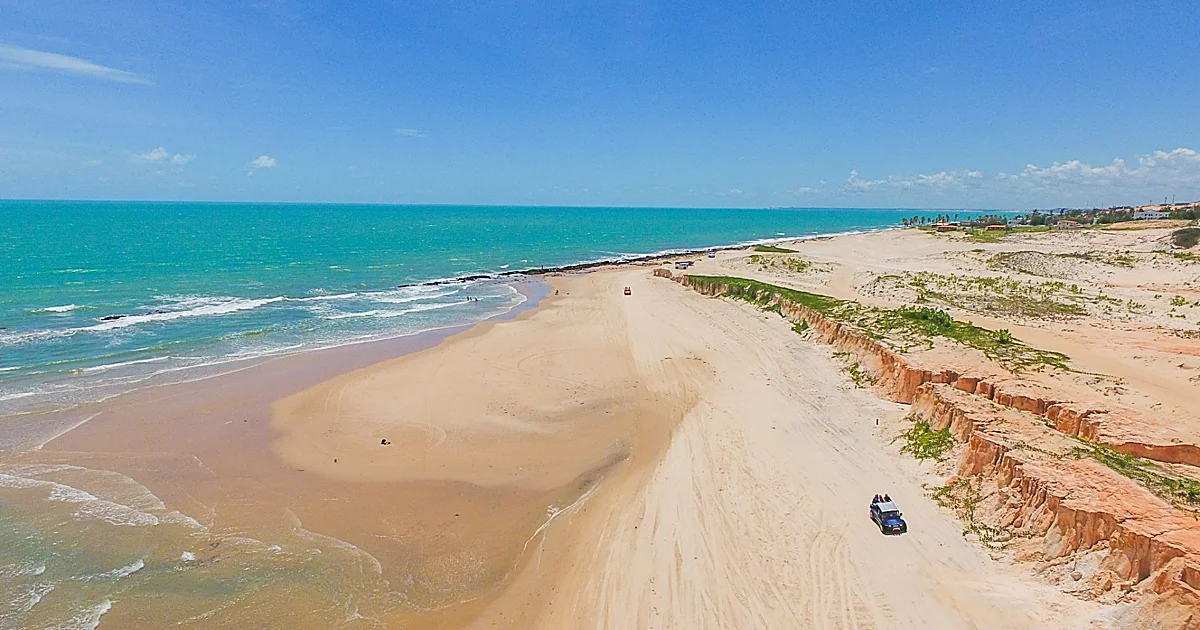
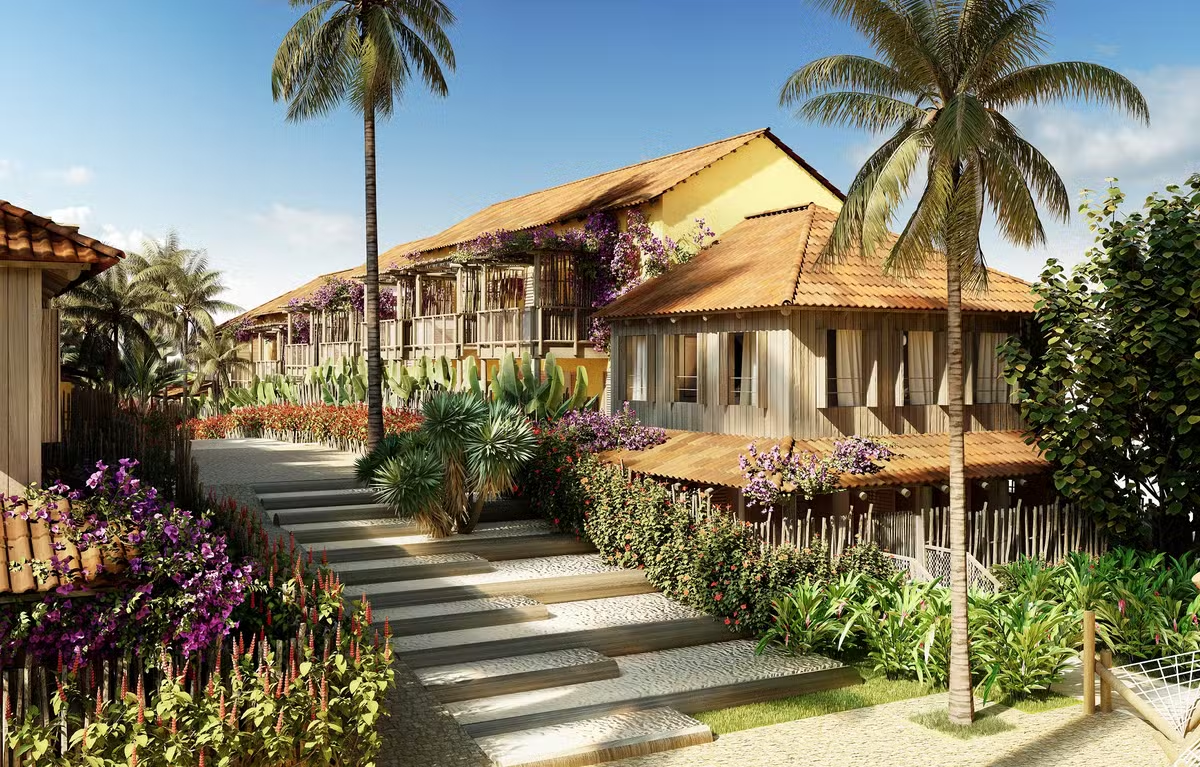
Wedding tourism has also boosted the real estate market, with inns, boutique hotels and second-home developments multiplying across the region — now part of the Costa dos Corais Environmental Protection Area. The trend is repeated in other destinations, such as Kenoa Exclusive Beach Spa & Resort in Barra de São Miguel, Saline Boutique Hotel in Ceará, and Cerimonial Loreto in Bahia, where the waiting list is more than a year long.