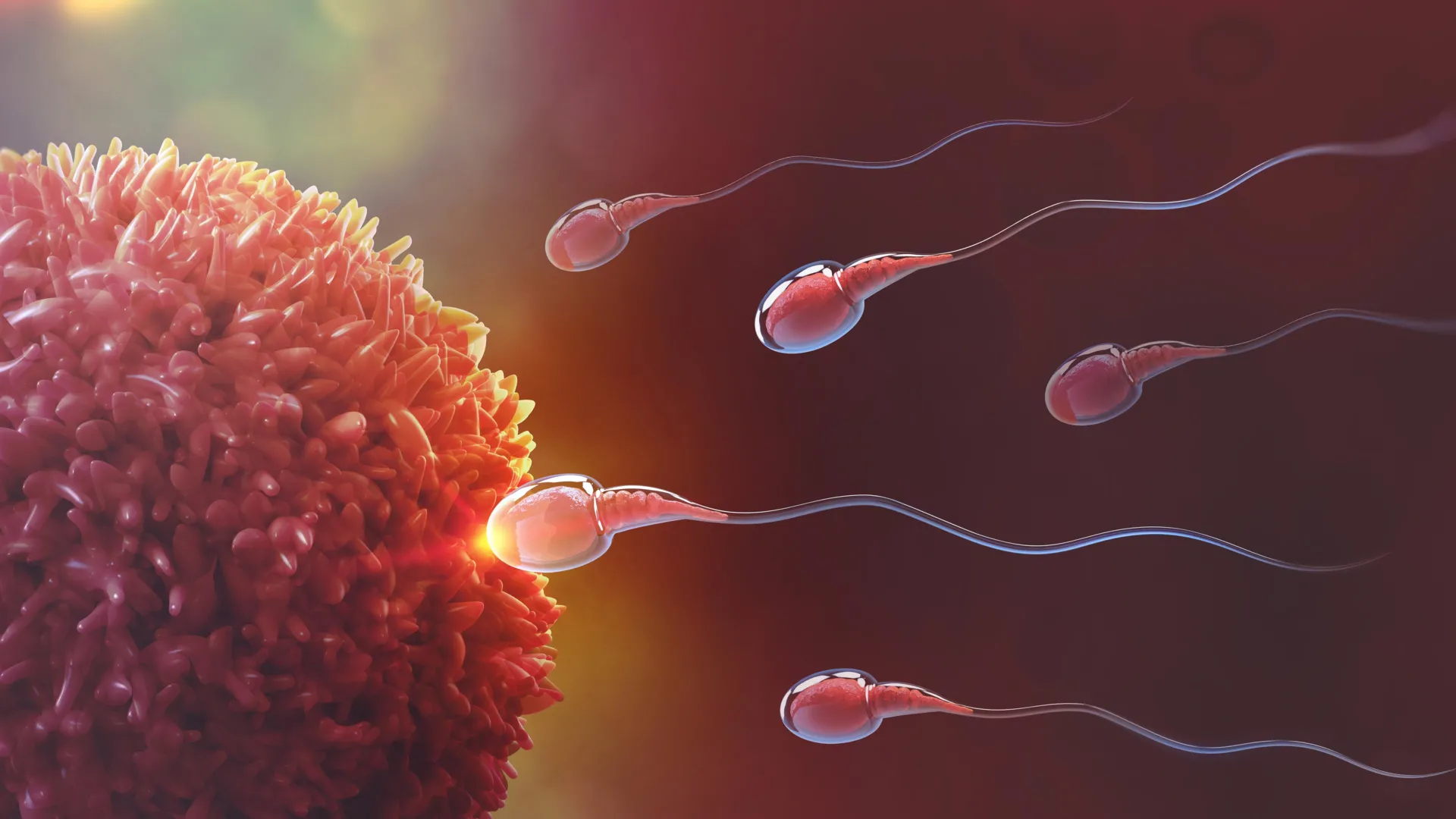
Why is there sex — or, more precisely, sexual reproduction? If you’re an evolutionary biologist, the answer isn’t obvious.
Sexual reproduction is biologically costly, requiring not only competition for mates, but also the creation of entire populations in which only half the individuals can give birth. That reality has led scientists to wonder why it arose in the first place. After all, in asexual reproduction — as occurs when bacteria divide — not only can you skip the wooing and its costs, but every individual is a potential mother.
New research from a group of Harvard biologists dives into the benefits that come with sexual reproduction, particularly in changing environments.
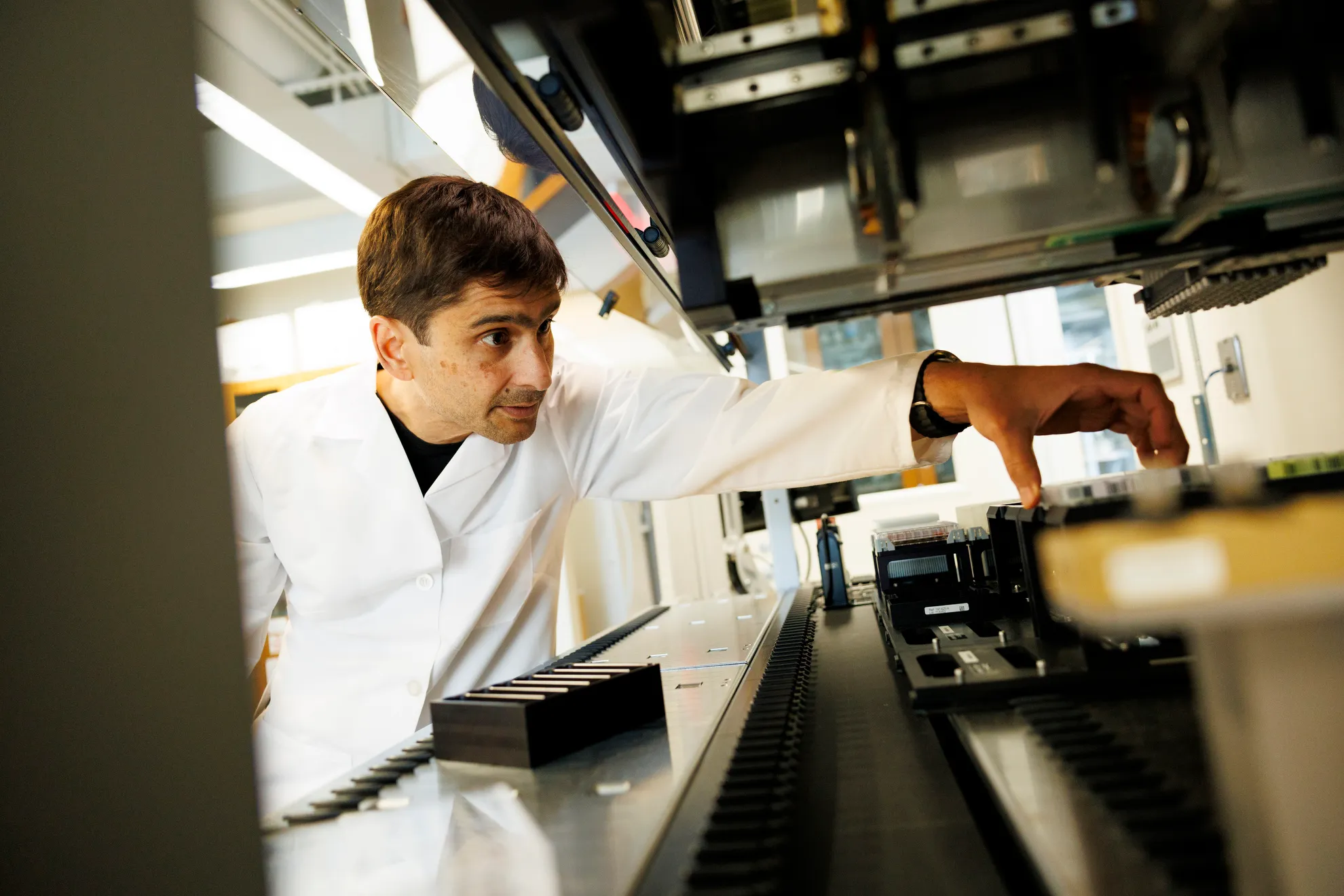
The work was conducted in the lab of Fisher Professor of the Natural Sciences Michael Desai and led by Ph.D. student Shreyas Pai and Parris Humphrey, then a postdoctoral fellow. The team used a strain of yeast as a model organism. The yeast, commonly used in bread baking and beer brewing, has the scientific advantage of being able to reproduce either asexually or sexually.
Another advantage is that yeast produce new generations in only 90 minutes, taking the guesswork out of experiments on evolution, which is generally understood to promote slow change over long stretches of time. With a new generation every hour and half, Desai’s team was able to observe changes after 960 generations in just four months, something that would take hundreds to thousands of years in large mammals.