A new study suggests that the earliest animals on Earth may have unintentionally slowed the rise of biodiversity. According to researchers from the University of Cambridge, the way these ancient organisms reproduced limited competition and kept evolution moving at a remarkably slow pace for millions of years.
The findings, published in Nature Ecology and Evolution, offer a possible solution to a long-standing paleontological mystery. Although animals first appeared during the Ediacaran period, their diversity remained relatively limited for a surprisingly long time before a later burst of evolutionary innovation dramatically expanded life on Earth.
Life's Early Experiment
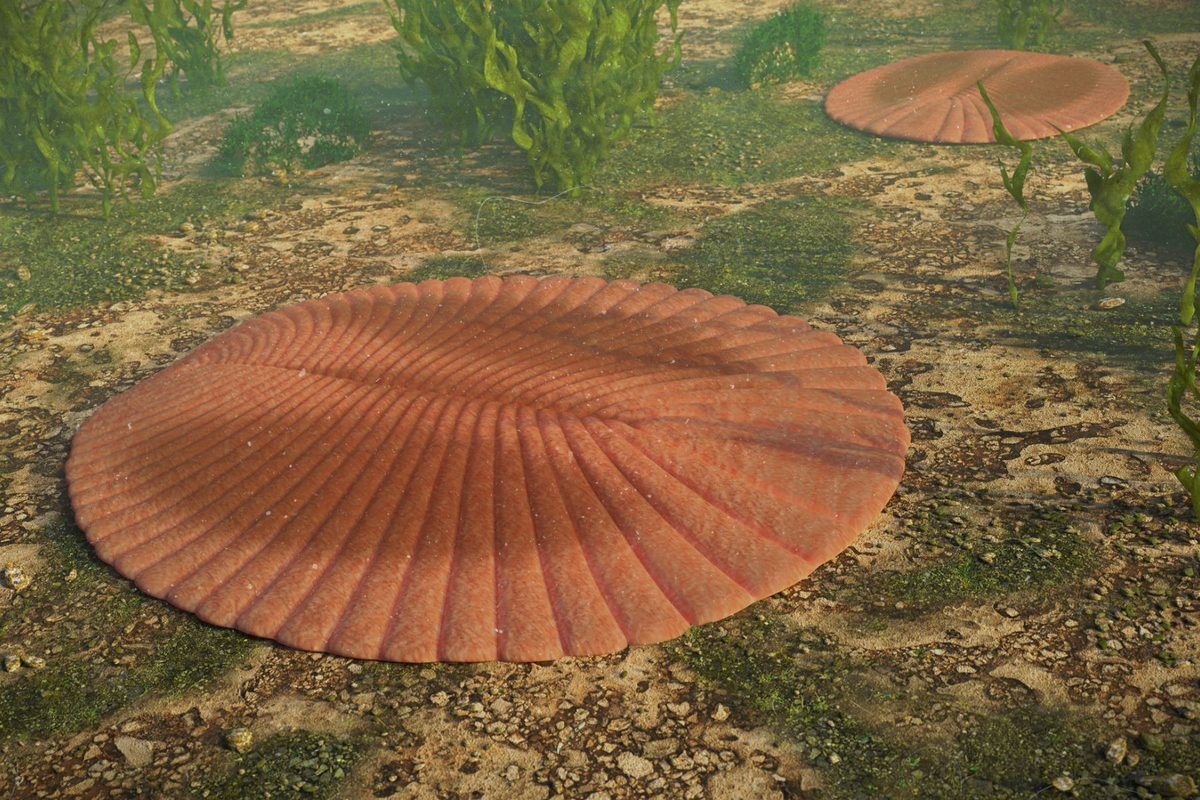
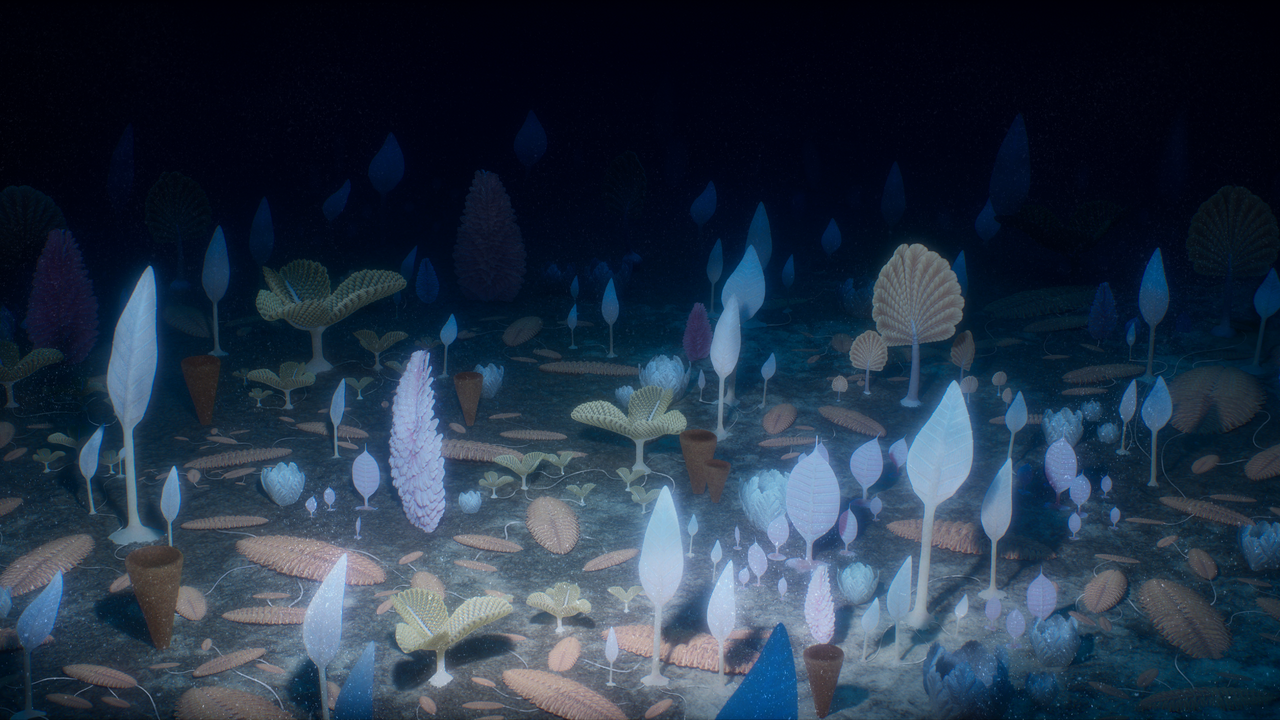
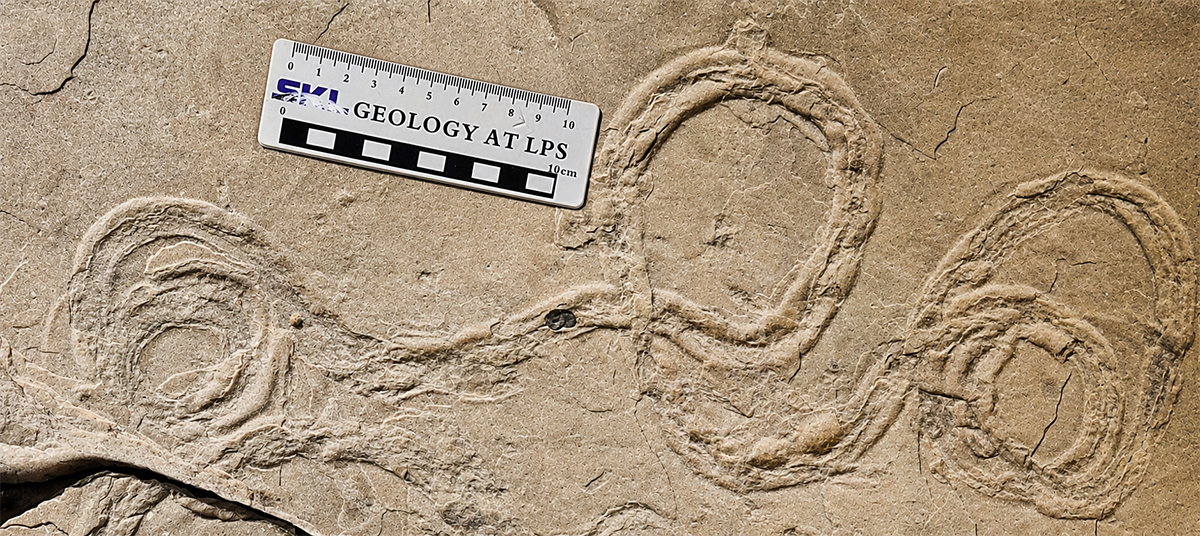
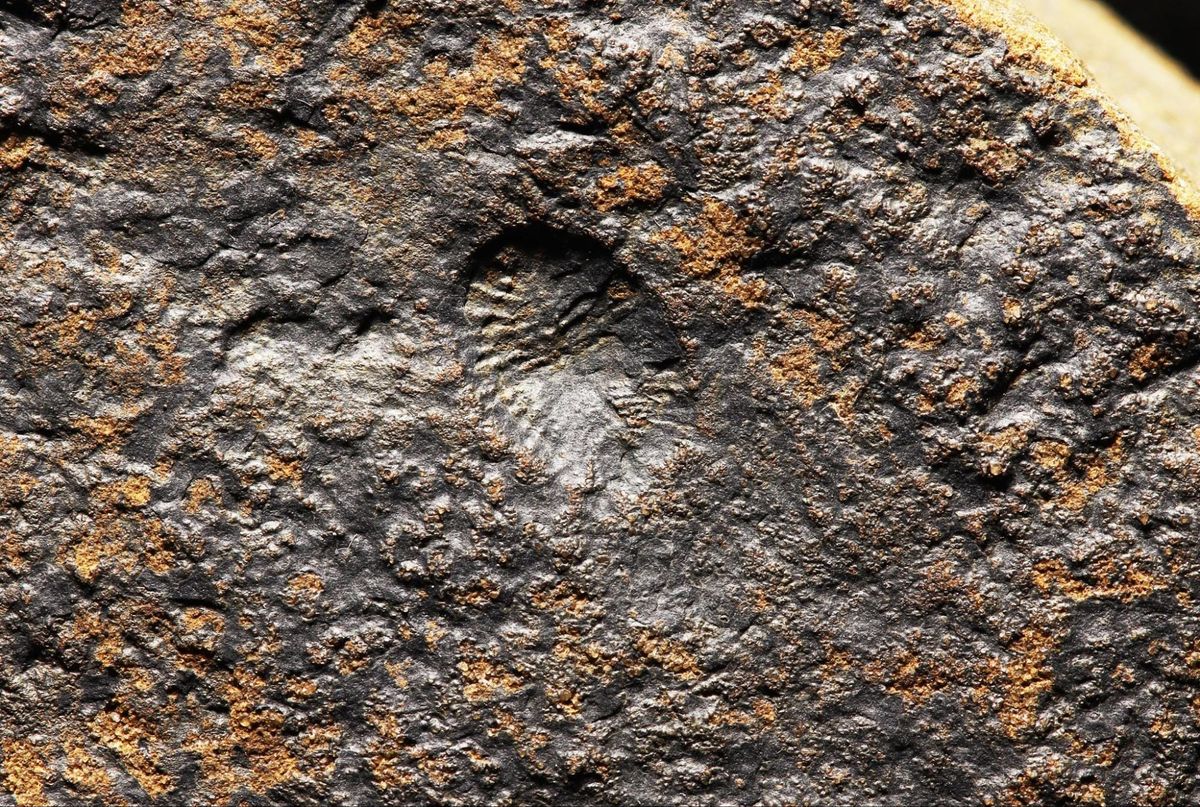
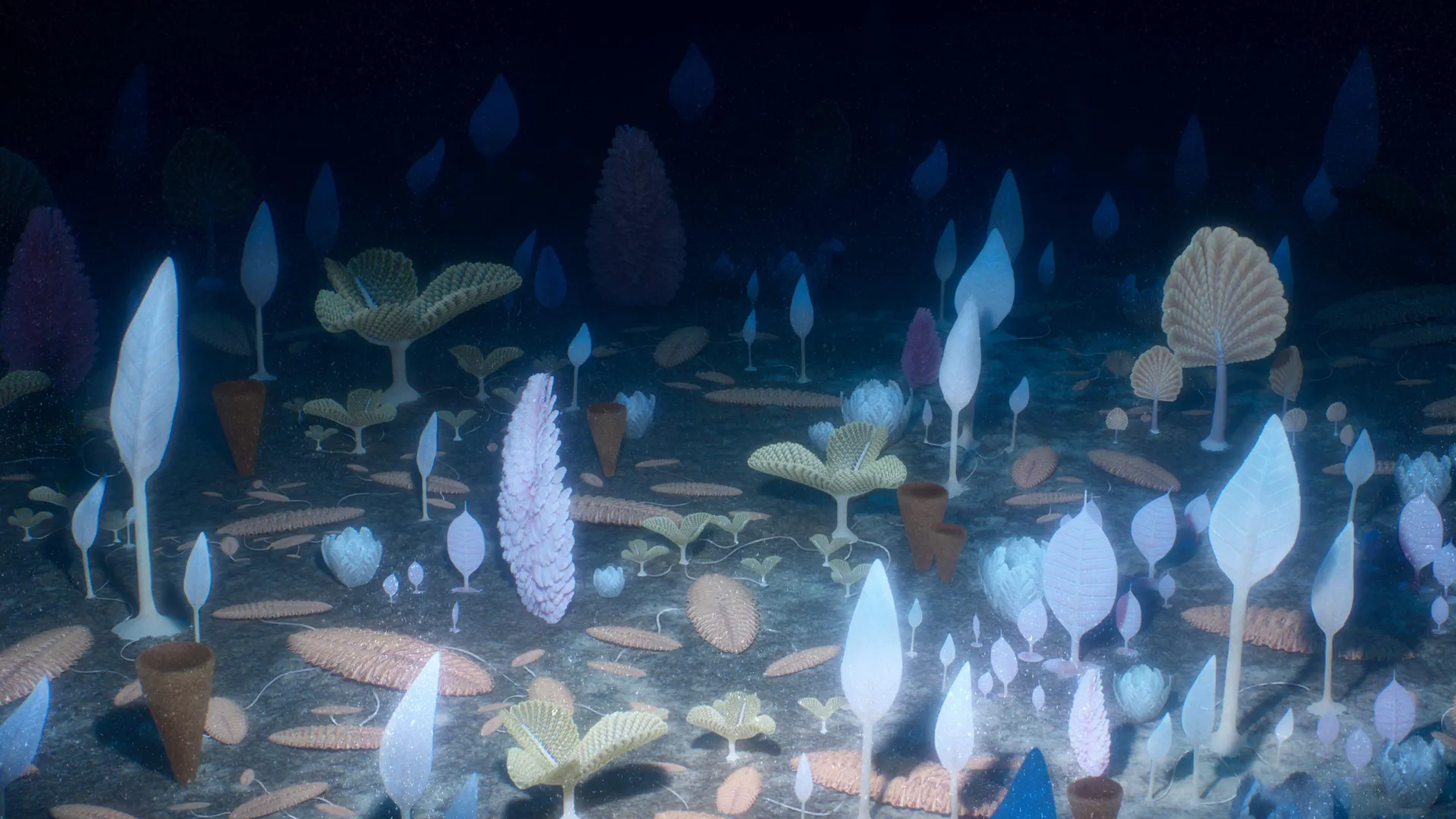
After billions of years dominated by microscopic organisms, the Ediacaran period, which lasted from about 635 million to 539 million years ago, saw the emergence of the first animals. Some of these creatures, including Fractofusus, reached heights of up to two meters, although most were much smaller.
These early animals looked very different from anything alive today. Many resembled ferns more than modern animals and appear to have lacked mouths, organs, and the ability to move. Scientists believe they absorbed nutrients directly from the surrounding seawater.