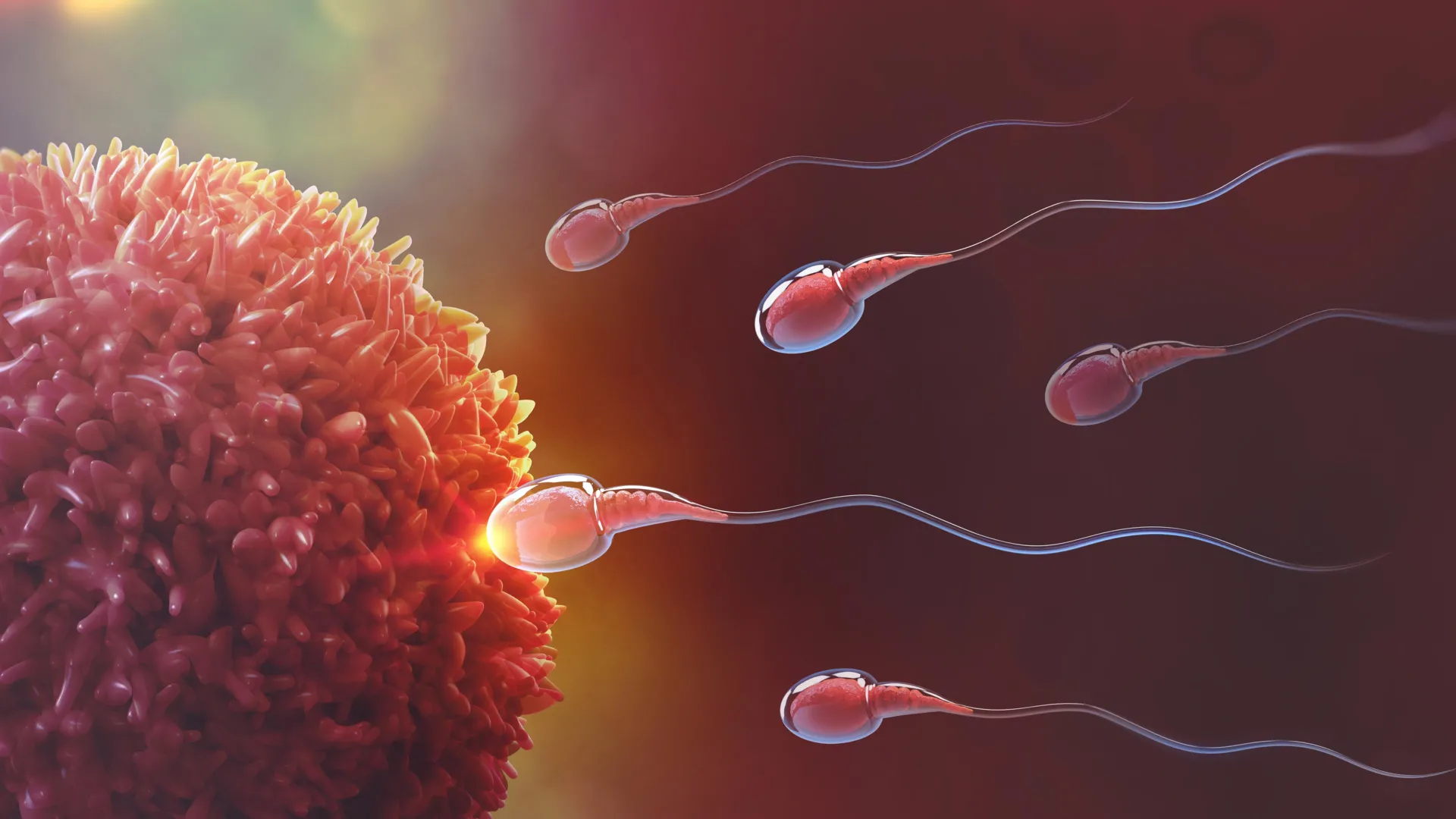
Fertilization is commonly portrayed as an intense contest in which millions of sperm race toward a single egg. New research from evolutionary biologists at Syracuse University, University of Siena, Italy, and University of Szeged, Hungary, points to a more complex picture. In some species, reproductive success may depend not only on competition, but also on sperm working together.
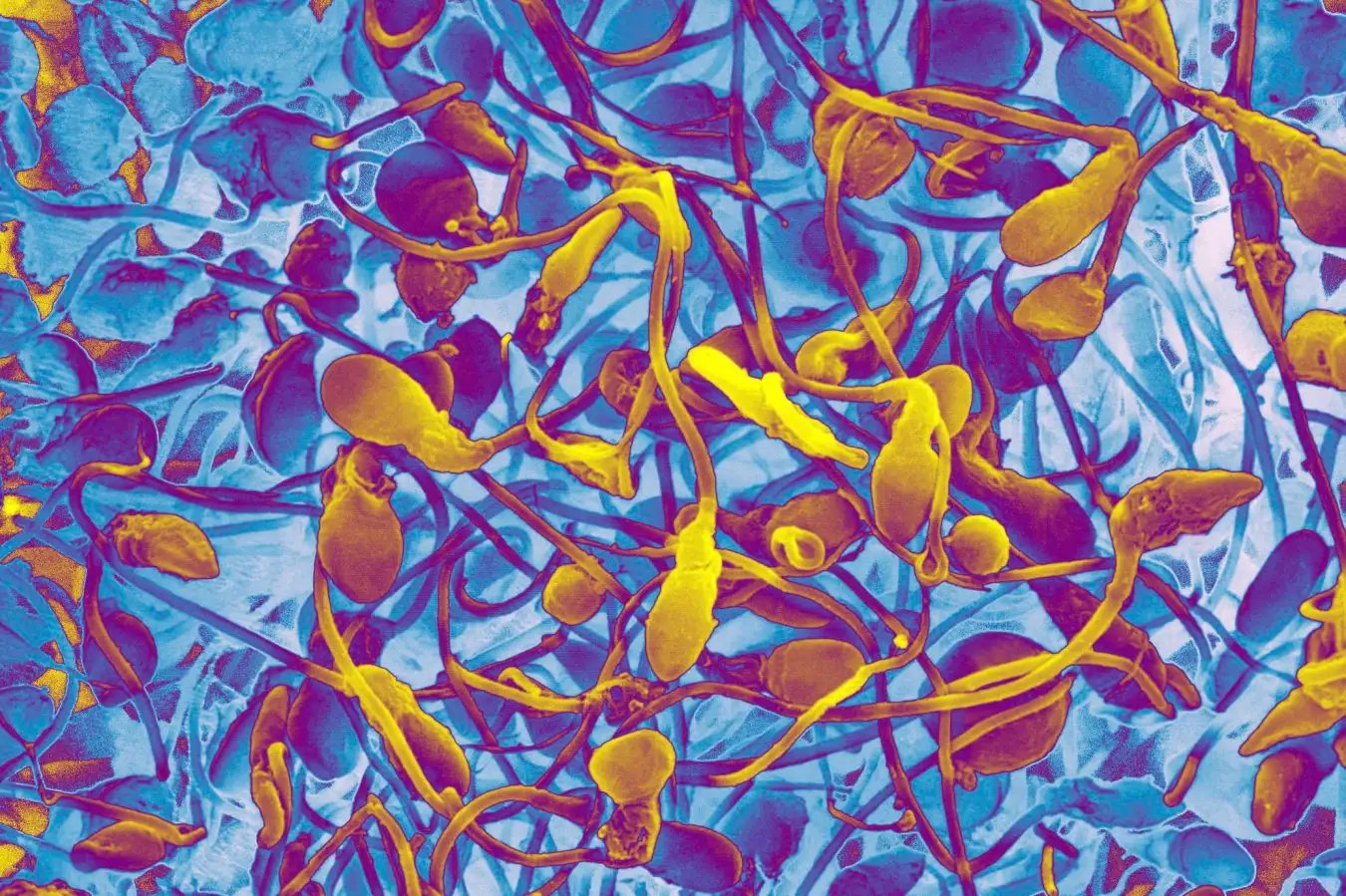
The researchers examined arthropods, the enormous group of animals that includes insects, spiders, crabs and centipedes. They investigated examples from across evolutionary history in which arthropod sperm joined into organized groups or structures that may help them reach and fertilize an egg. Known as sperm conjugation, this coordinated behavior is changing how scientists view both reproduction and evolution.
How Sperm Cooperation Works
Sperm conjugation can be compared to a rowing team moving in a coordinated way. Scientists first documented the phenomenon more than 100 years ago, but it was generally considered uncommon. The new study, published in Nature Communications, indicates that sperm cooperation occurs widely among arthropods and has evolved many separate times.
"Fertilization is often viewed as a competition among individual sperm, but in many species we see cells working together in ways that can influence reproductive success," says Steve Dorus, professor of biology at Syracuse University's College of Arts and Sciences (A&S) and co-author of the study.