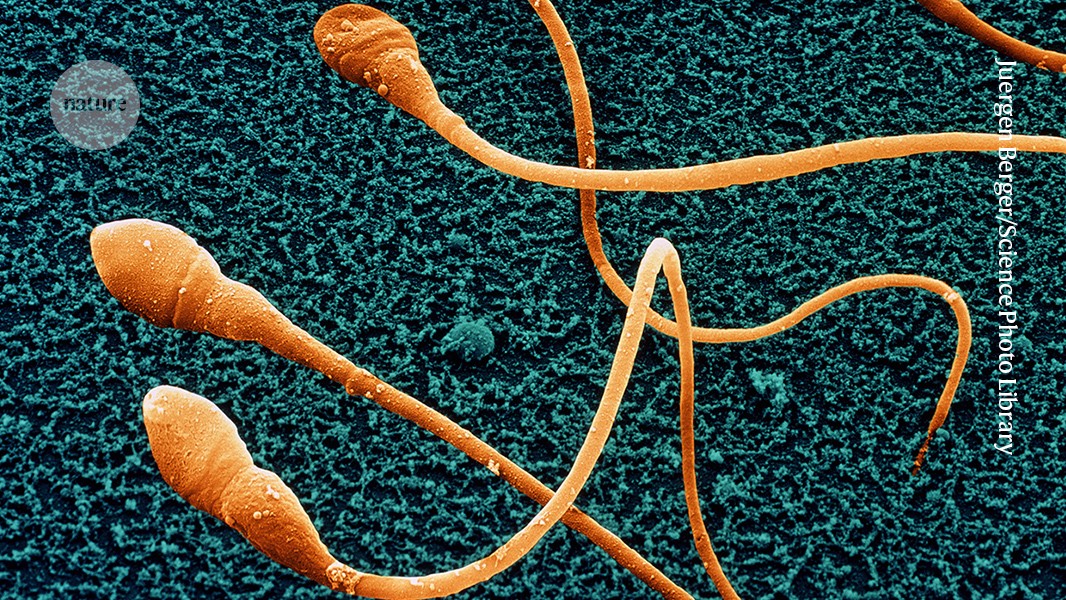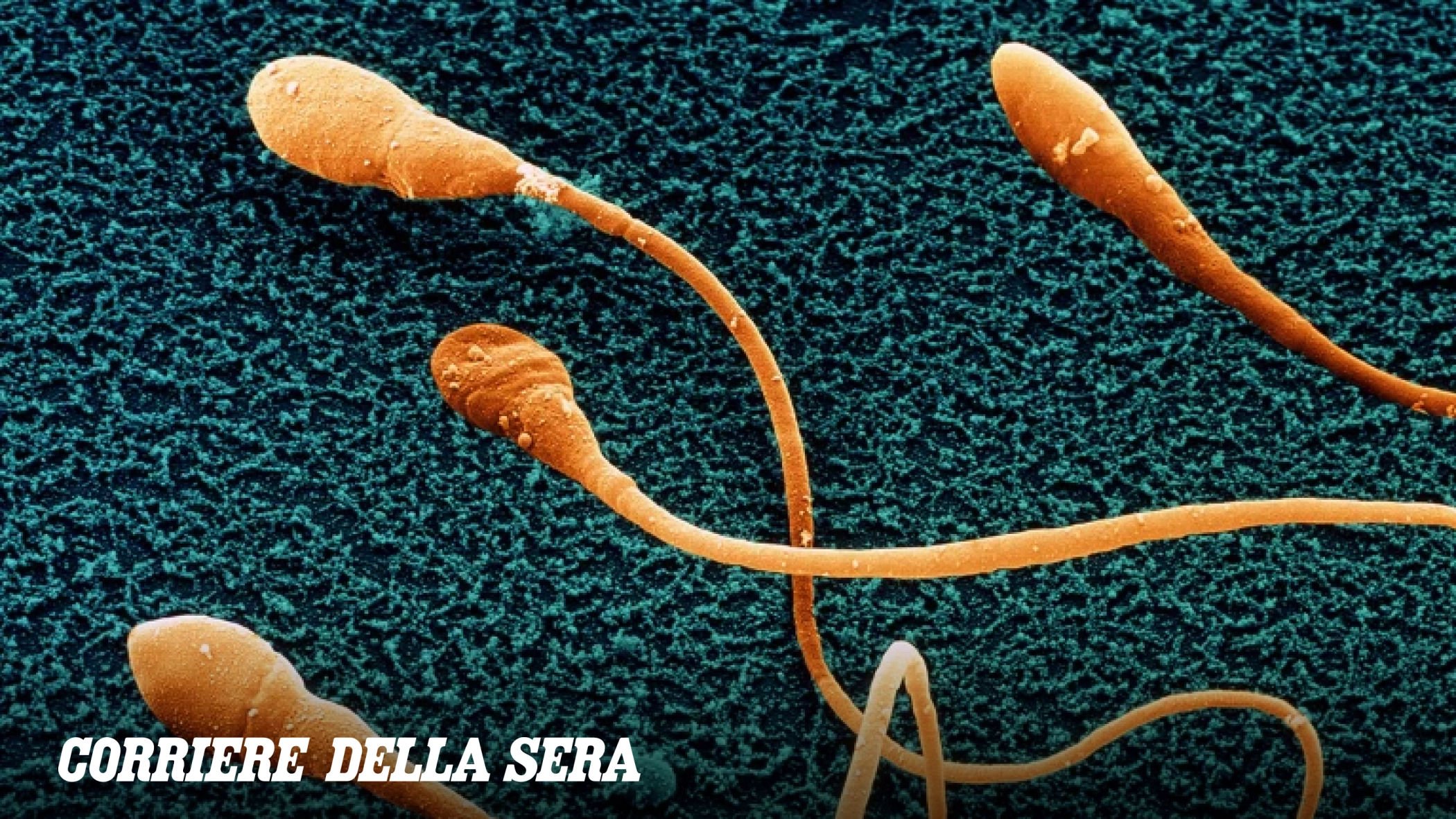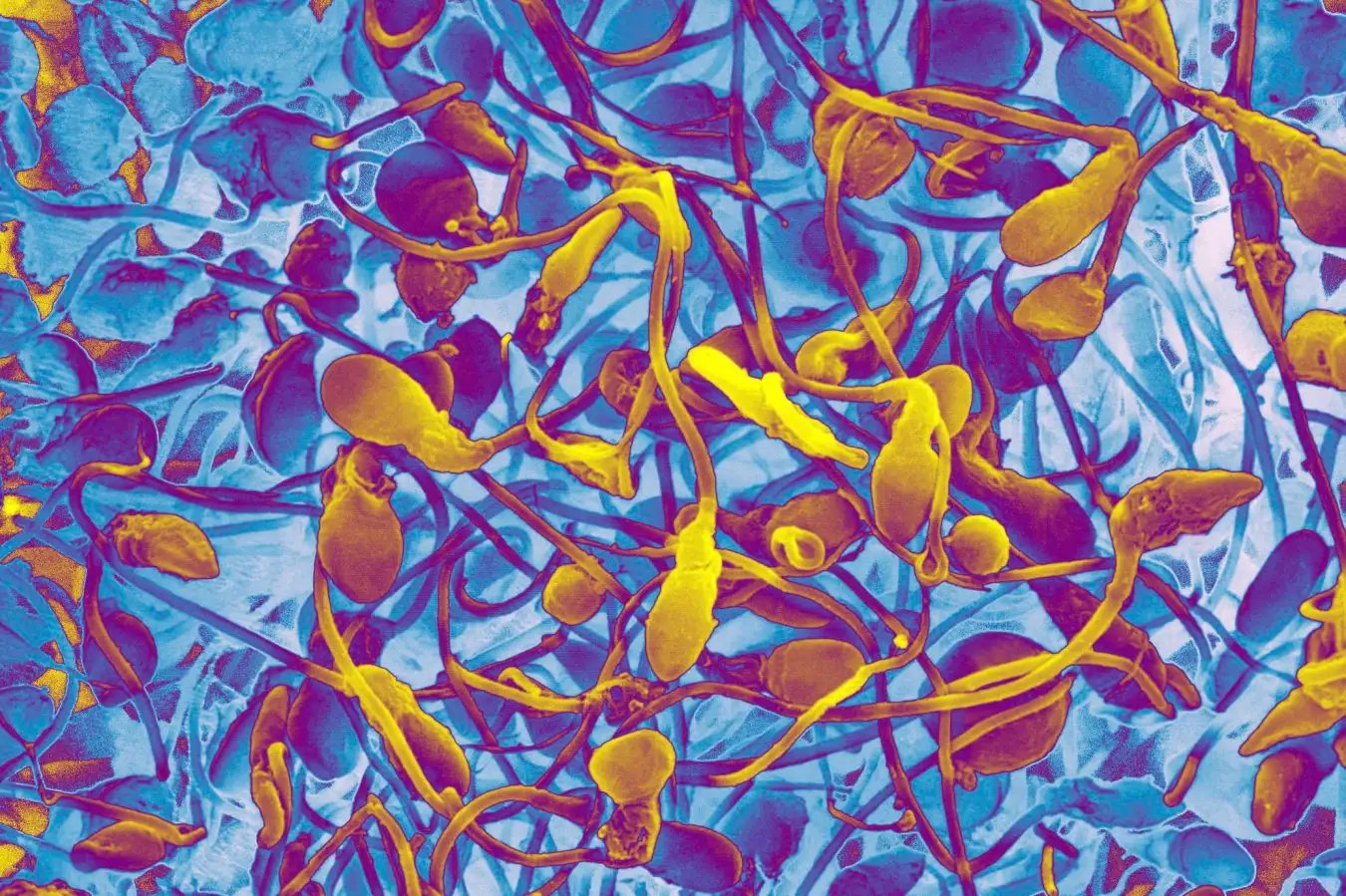
Coloured scanning electron micrograph of human sperm cellsPDC/SCIENCE PHOTO LIBRARY
Infertility isn’t something men like to talk about but it’s very common. Around 1 in 10 couples will have problems with conception, and in half of cases it is wholly or partly to do with sperm. In many cases, existing fertility treatments can’t help – but a US start-up called Paterna Biosciences thinks it can change this.
Paterna claims that it can take stem cells from the testes and turn them into sperm cells in the lab. What’s more, the company says this technique could enable almost all the men for whom fertility treatments currently fail to father children of their own.
But others in the field think it could be of very limited use for treating male infertility – unless it’s combined with CRISPR gene editing. That’s right, I’m talking about creating gene-edited children.
Let’s start at the beginning. There are a huge range of reasons why men may struggle to father a child. They may have a low sperm count, their sperm may not be good swimmers or may lack the ability to enter the egg, and so on. In these kinds of cases, injecting a sperm directly into an egg – intracytoplasmic sperm injection, or ICSI – as part of IVF treatment usually works.