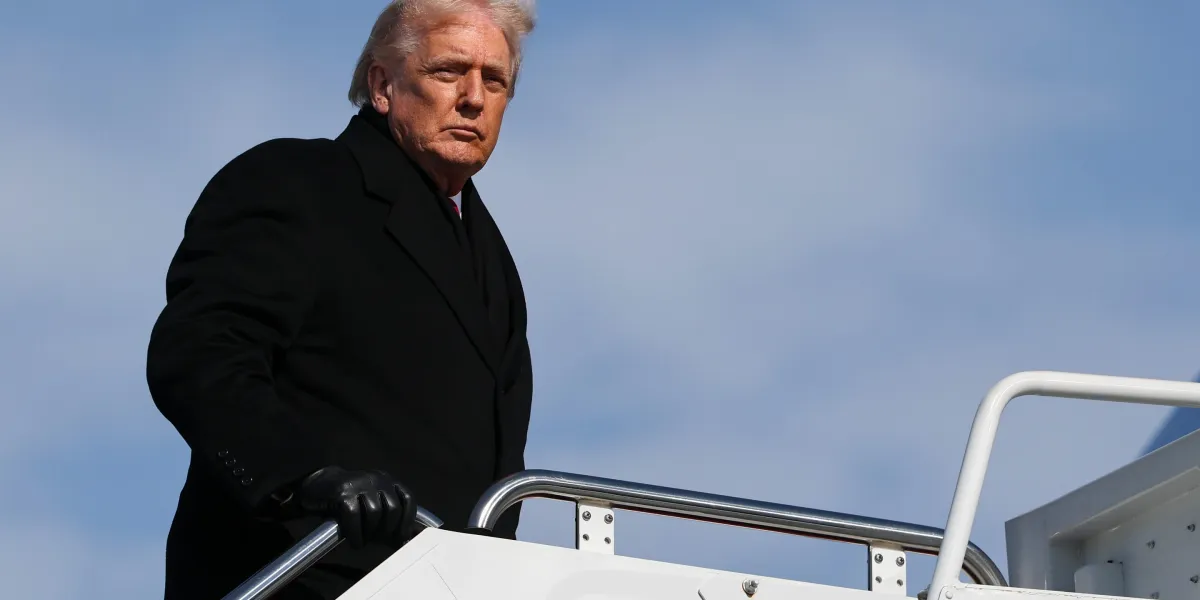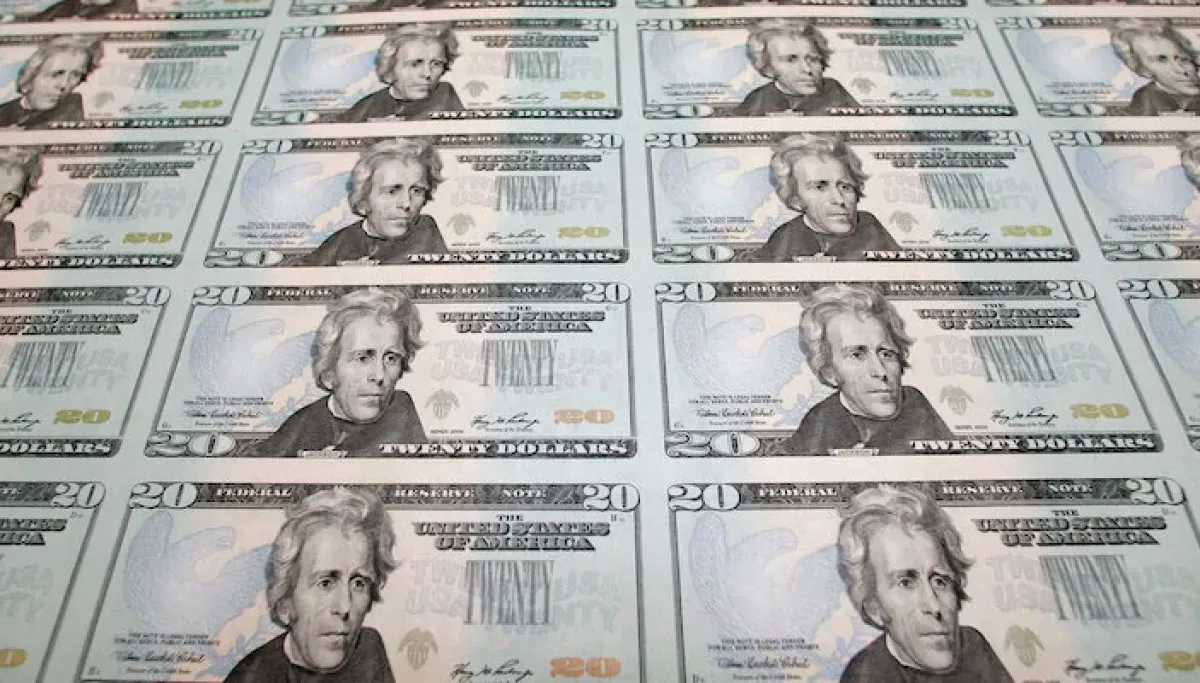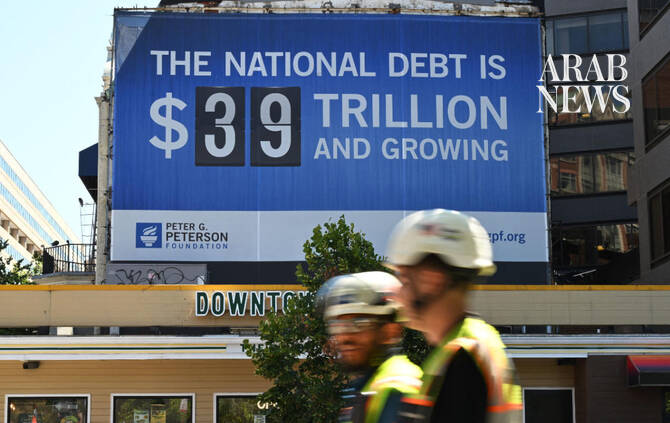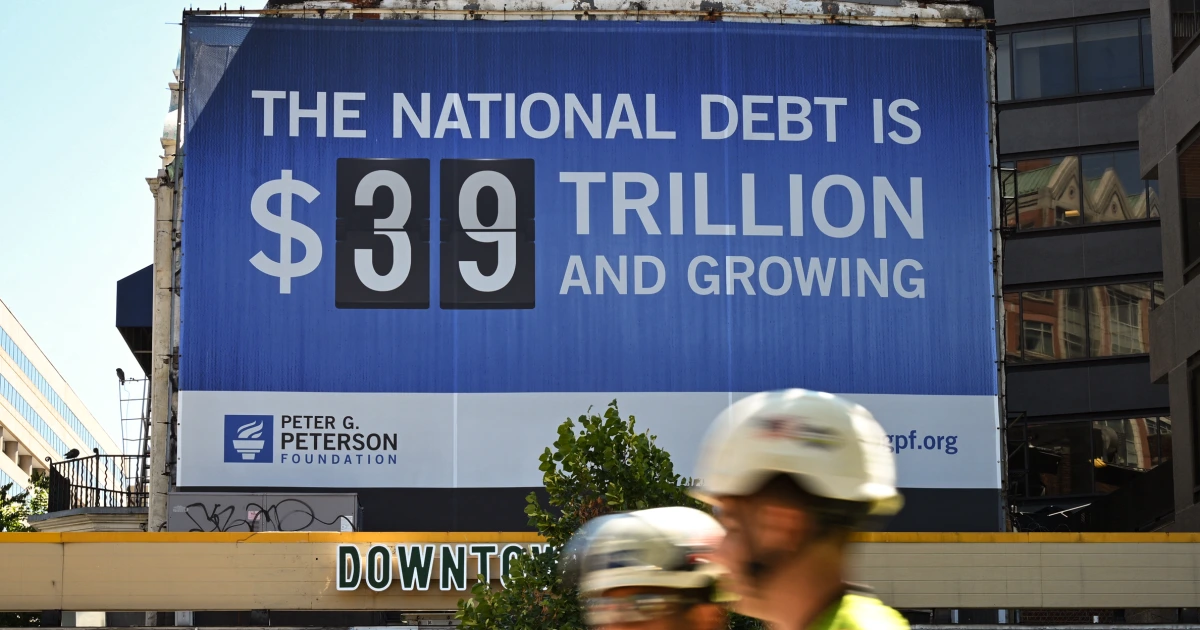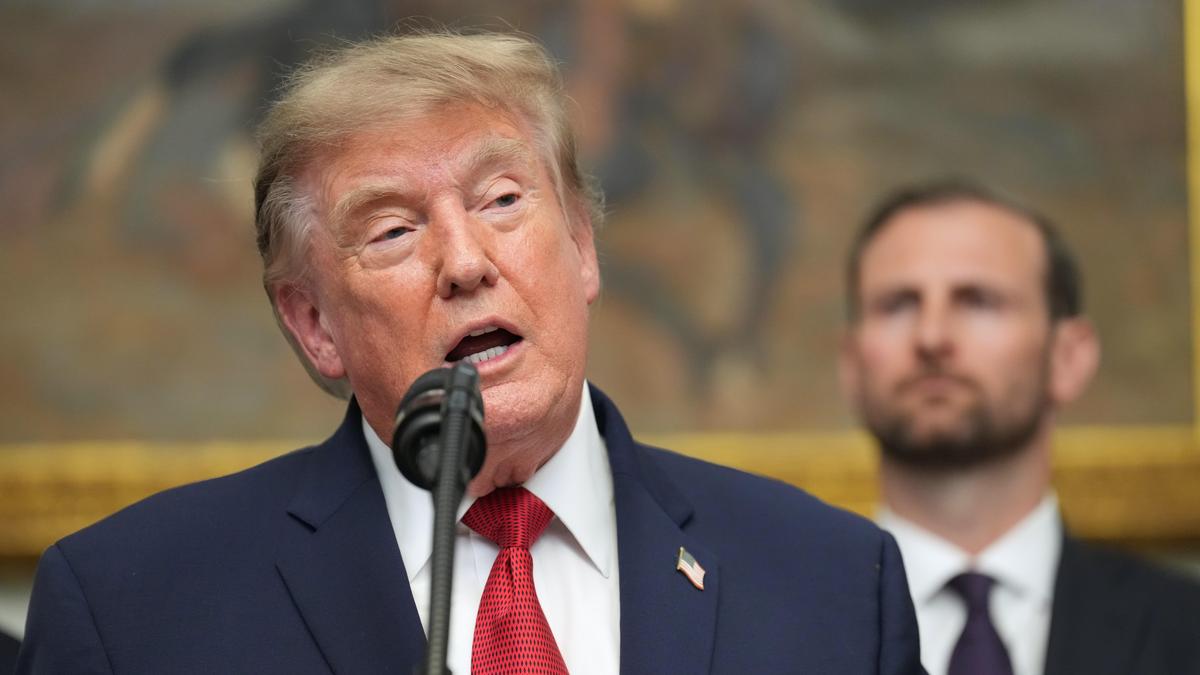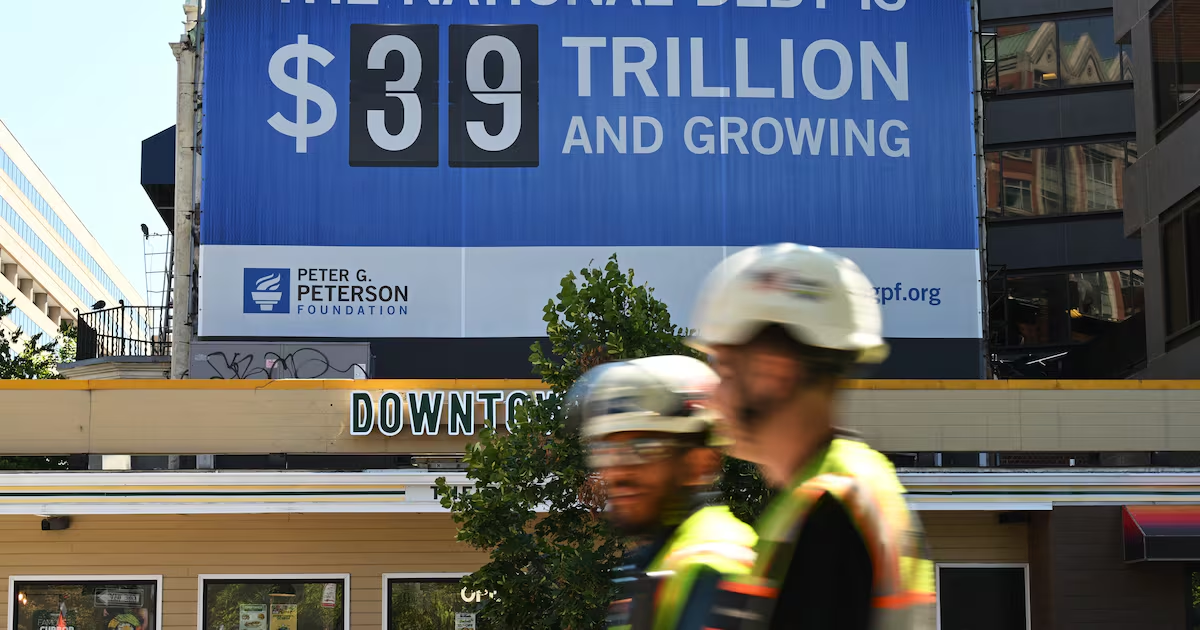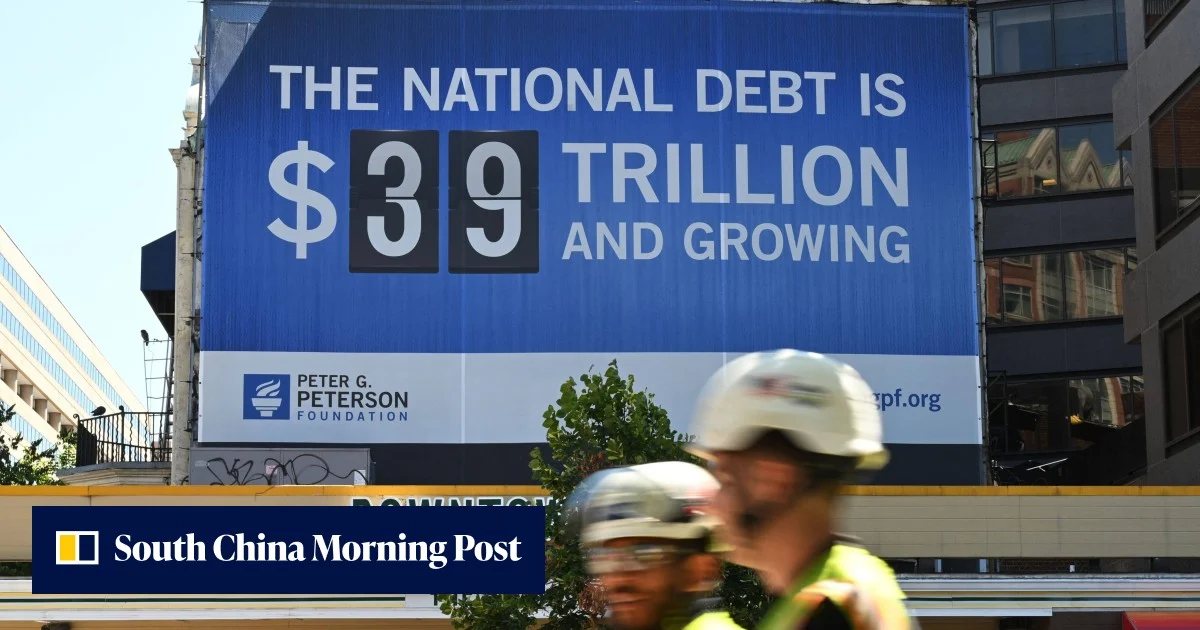
Treasury data for August 18 shows the closing balance for the day on public debt outstanding totaled $40.04 trillion. Budget watchdogs have continually called on policymakers to get America’s fiscal house in order. Proposals range from cutting annual federal deficits in half as a share of GDP, down from the current 6% to 3%, to calls to “cut up the credit cards” entirely. The White House itself has indicated it recognizes a problem, with President Trump suggesting tariffs or visa policy could help plug the budget gap: So far, data suggests it won’t be enough.
With the country’s debt-to-GDP ratio now north of 120% (a metric lenders will watch when analyzing the risk premium on loans to the U.S.), debt hawks are warning the public is already paying, and is only going to start feeling the squeeze more acutely.
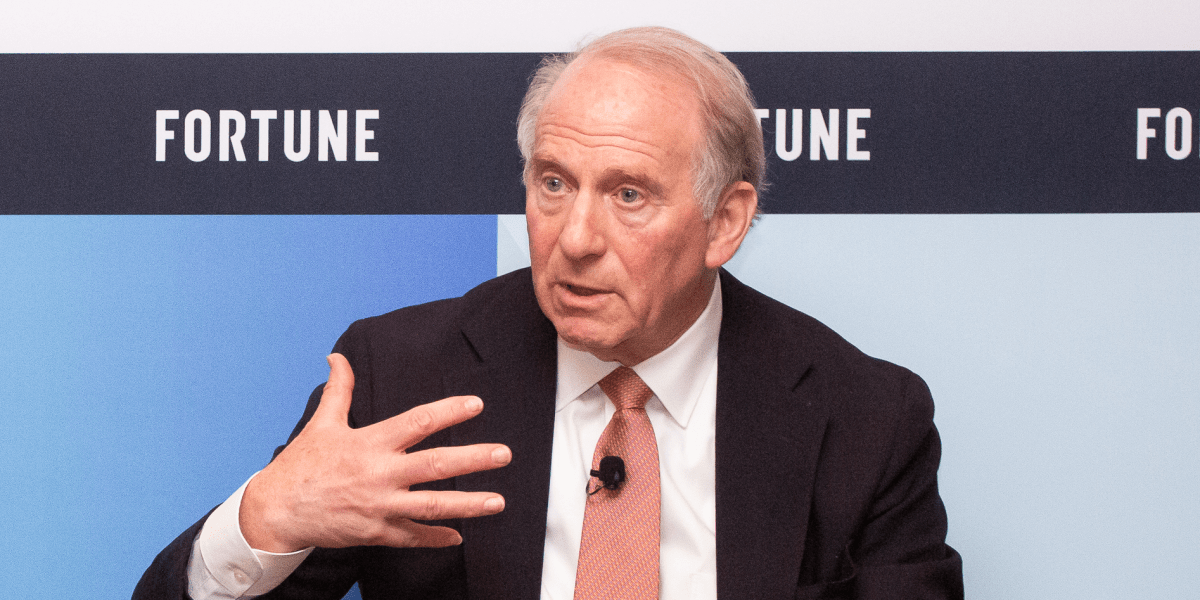
Michael Peterson is the chairman and CEO of the Peterson Foundation, a nonpartisan organization dedicated to putting the U.S. on a more sustainable fiscal path. Speaking to Fortune as America hit the $40 trillion benchmark, Peterson explained that even if families don’t receive a “bill in the mail” for national debt, they’re already paying.
He explained: “When the U.S. borrows this much—and continues to borrow more and more—that drives up interest rates, which then increases household expenses because your mortgage goes up, your car loan, your credit card bills, and inflation more generally. So [we] may not get a bill at the end of the month for national debt, but [we] are paying that bill both in the form of taxes as well as an inflated level of expenses.”