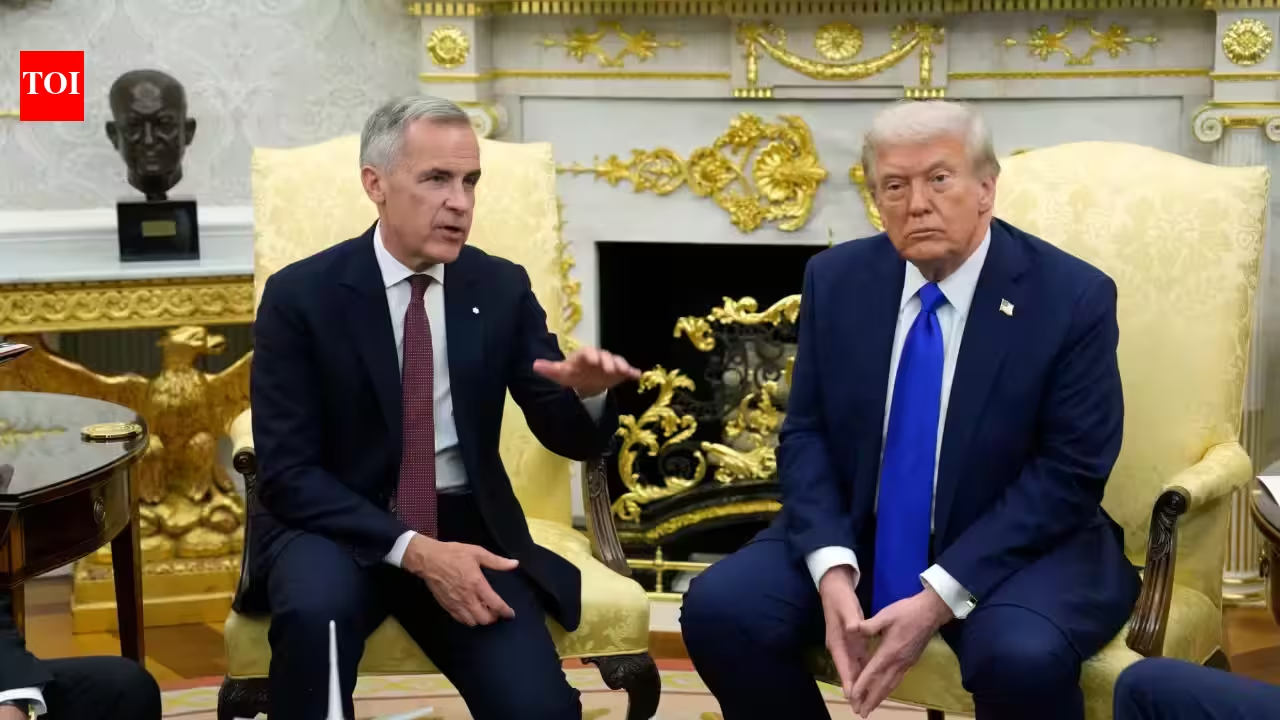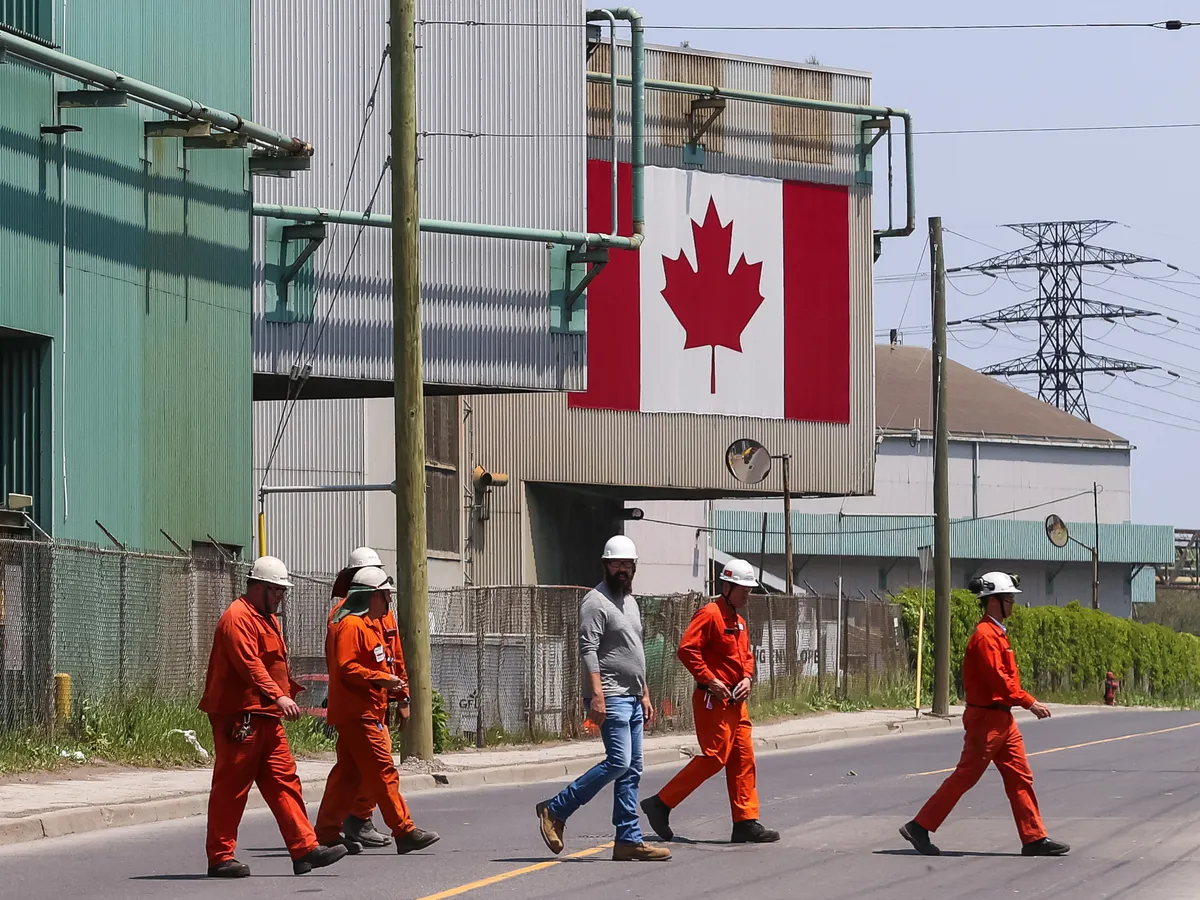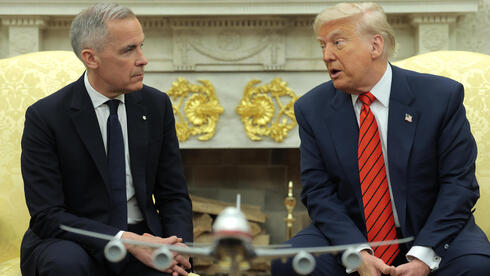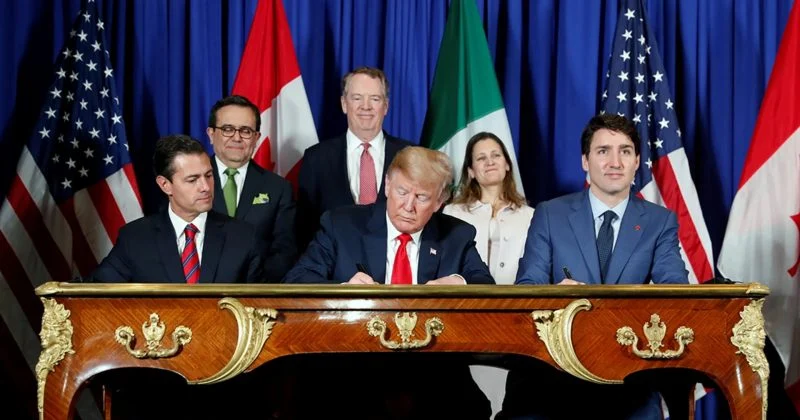
The United States and Canada are in active talks over a trade arrangement that would bring tariffs on some Canadian steel and aluminum exports down to 25%. That sounds like a lot until you consider where they are now: 50%, after doubling from the original 25% rate set back in March 2025.
The negotiations center on reviving tariff-rate quotas, or TRQs. Think of them as a volume cap with a discount: Canada could export a certain amount of steel and aluminum at a reduced tariff rate, but anything beyond that threshold would still face the steeper duties.
How tariffs got this high
The path to 50% tariffs on Canadian metals has been a slow-motion escalation rooted in Section 232, the national security provision the US has used to justify trade barriers on steel and aluminum imports. The initial 25% tariff went into effect in March 2025, covering Canadian steel and aluminum broadly.
By June 4, 2025, those tariffs had doubled to 50%. Canada didn’t exactly take it quietly.