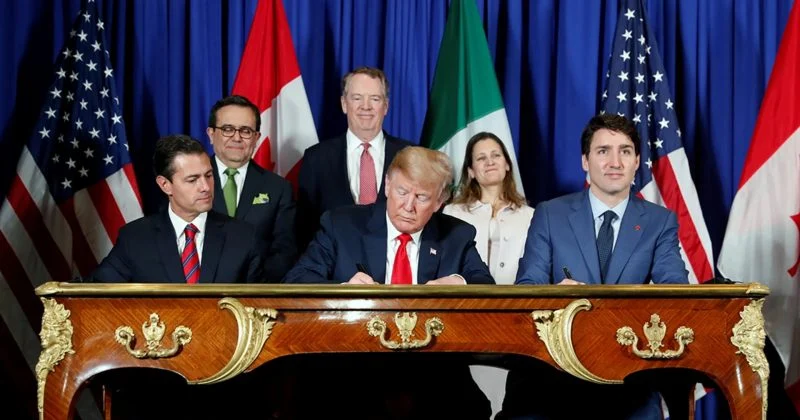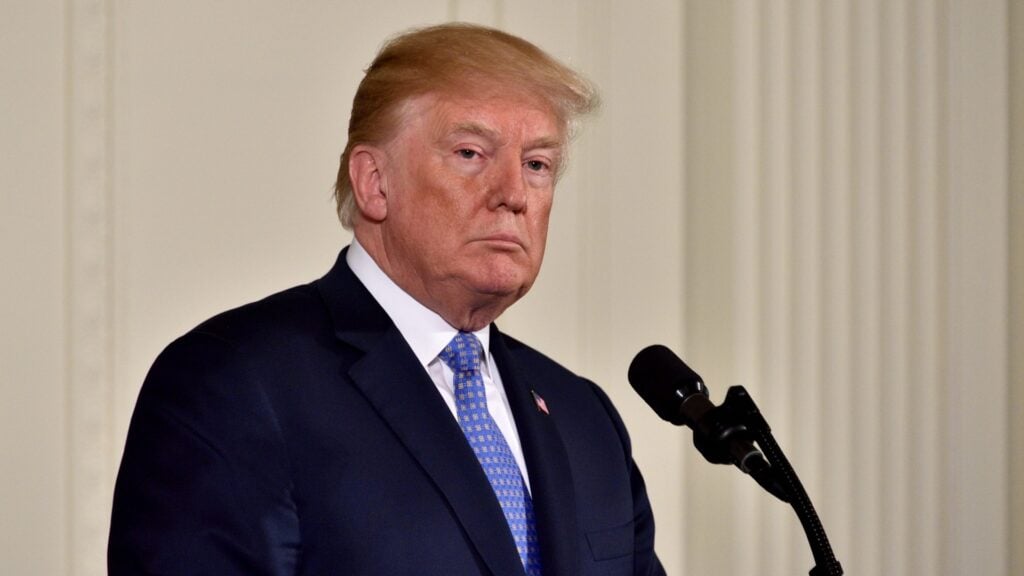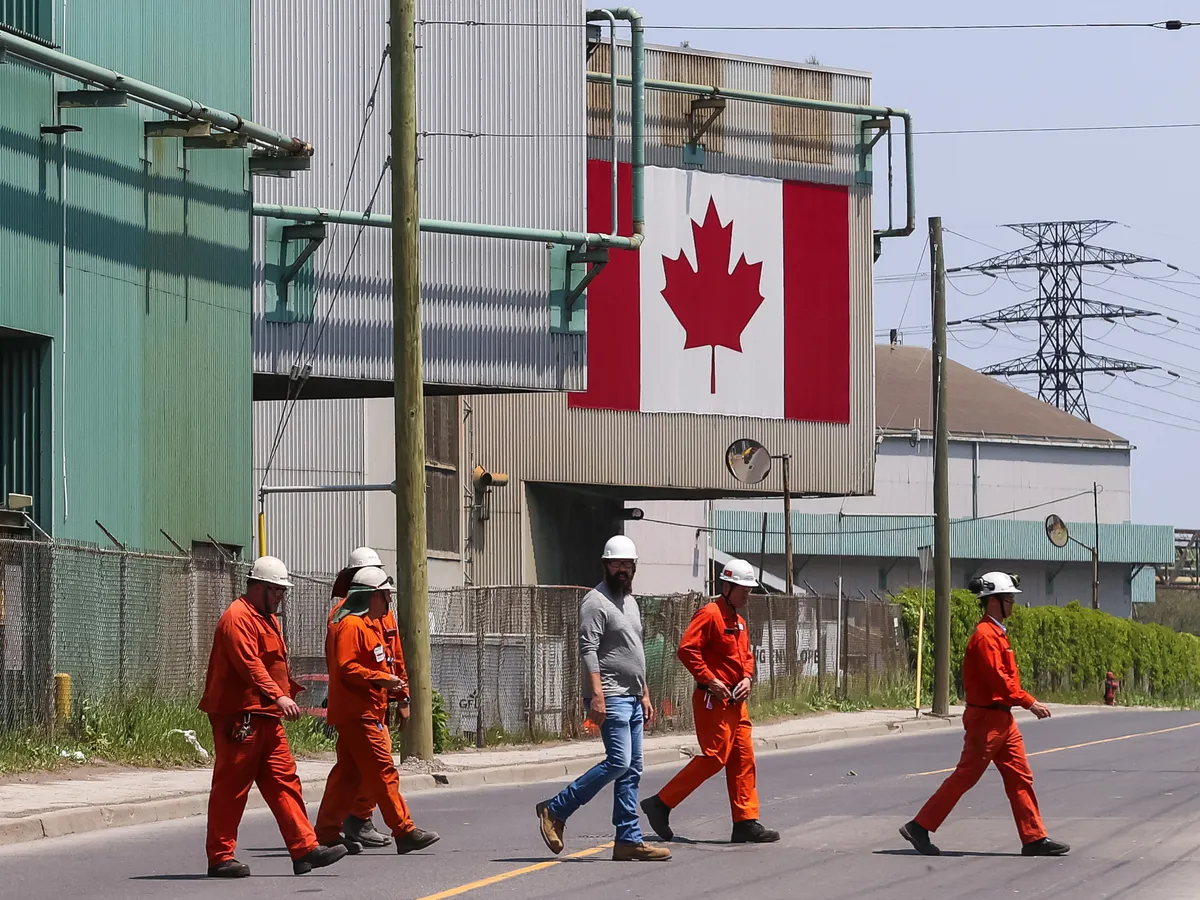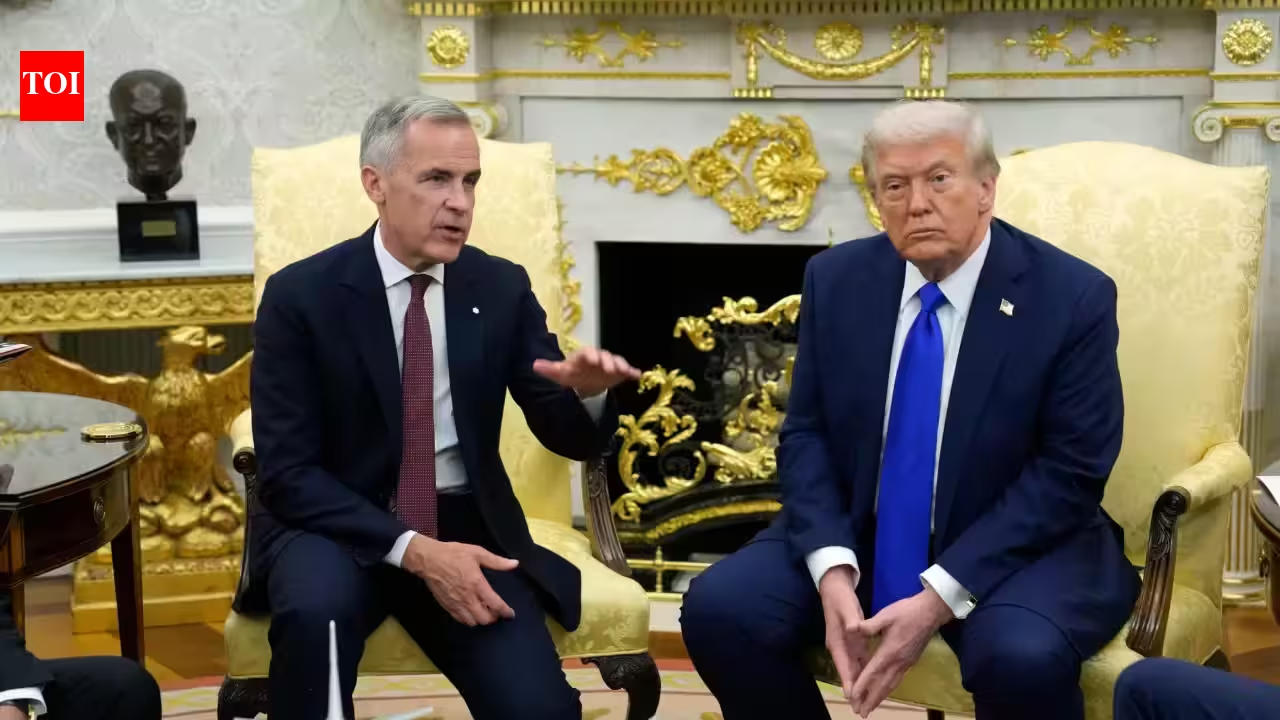
The tentative agreement had come hours before President Donald Trump was due to impose 50% tariffs on USD 20 billion worth of Canadian imports.The United States and Canada have reached a tentative trade deal that would lower tariffs on certain Canadian steel and aluminium exports to 25%, offering some relief to businesses caught in the escalating trade dispute between the two neighbours, according to people familiar with the matter cited by Bloomberg.The details of the agreement are yet to be finalised and the lower rates are not expected to apply across the board. The deal would lower tariffs on certain Canadian exports of steel and aluminum to 25%, Bloomberg reported.The tentative agreement had come hours before President Donald Trump was due to impose 50% tariffs on USD 20 billion worth of Canadian imports. Trump said on Tuesday that he was delaying the tariffs for three days after the two sides made last-minute progress in negotiations.“I have paused the 50 per cent tariffs against Canada, that were scheduled to kick in tomorrow morning for a three day period, based on the fact that Canada and the USA, subject to the finalisation of documents, have a DEAL!” Trump posted on Truth Social.The proposed reduction in steel and aluminium tariffs is among the key details emerging from the agreement, although the final terms are still being negotiated. A White House proclamation said Canada had committed to removing measures that the Trump administration considers discriminatory against US alcohol, dairy and motor vehicle exports. Canada did not immediately confirm those commitments.Canadian Prime Minister Mark Carney said “substantial progress” had been made, but added that important work remained. He confirmed Canada had agreed to the three-day delay as negotiations continued.The pause has temporarily eased the threat of a wider trade confrontation. Had the 50% tariffs taken effect, they would have applied to Canadian products ranging from hockey sticks to tongue depressors. Canada had threatened retaliatory tariffs, raising the prospect of a broader dispute between countries that exchanged USD 880 billion worth of goods and services last year.Both sides have strong incentives to reach an agreement. Nearly 72% of Canada's goods exports went to the US last year, making the American market crucial for Canadian businesses.For Washington, imposing higher tariffs also carries domestic risks, with US importers likely to pass some additional costs on to consumers. The move comes ahead of November's midterm elections, when the cost of living remains a major concern for voters.“I don't think either side really wants these tariffs to come into effect," Ryan Majerus, a partner at King & Spalding and a former US trade official, said before the delay was announced. "There's a pretty strong push on both sides to find an off-ramp here."Canadian Chamber of Commerce President and CEO Candace Laing said the three-day delay provided some relief but warned that businesses still lacked certainty.“This limbo state is not anyone's preferred outcome,” she said, urging negotiators to reach a deal quickly.The agreement also comes as Washington renegotiates the US-Mexico-Canada Agreement, giving the Trump administration another opportunity to press Ottawa for concessions.
Lower tariffs on steel and aluminium: What’s in the US-Canada trade deal
The United States and Canada have reached a tentative trade deal that would lower tariffs on certain Canadian steel and aluminium exports to 25%, offering some relief to businesses caught in the escalating trade dispute between the two neighbours, according to people familiar with the matter cited by Bloomberg.
511 words~2 min read