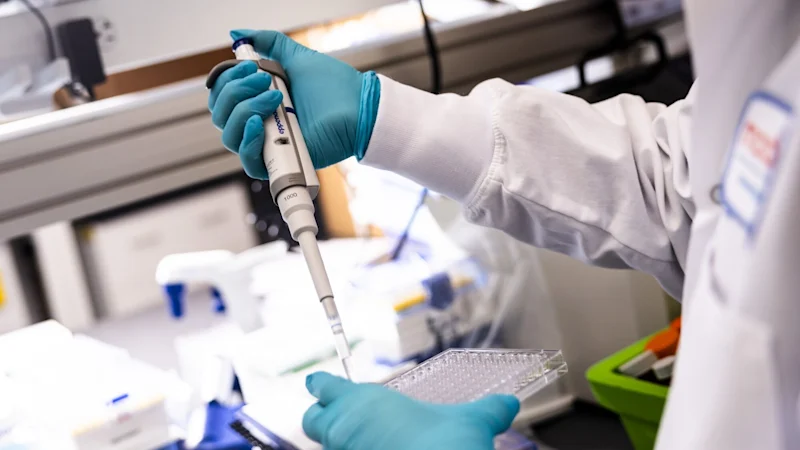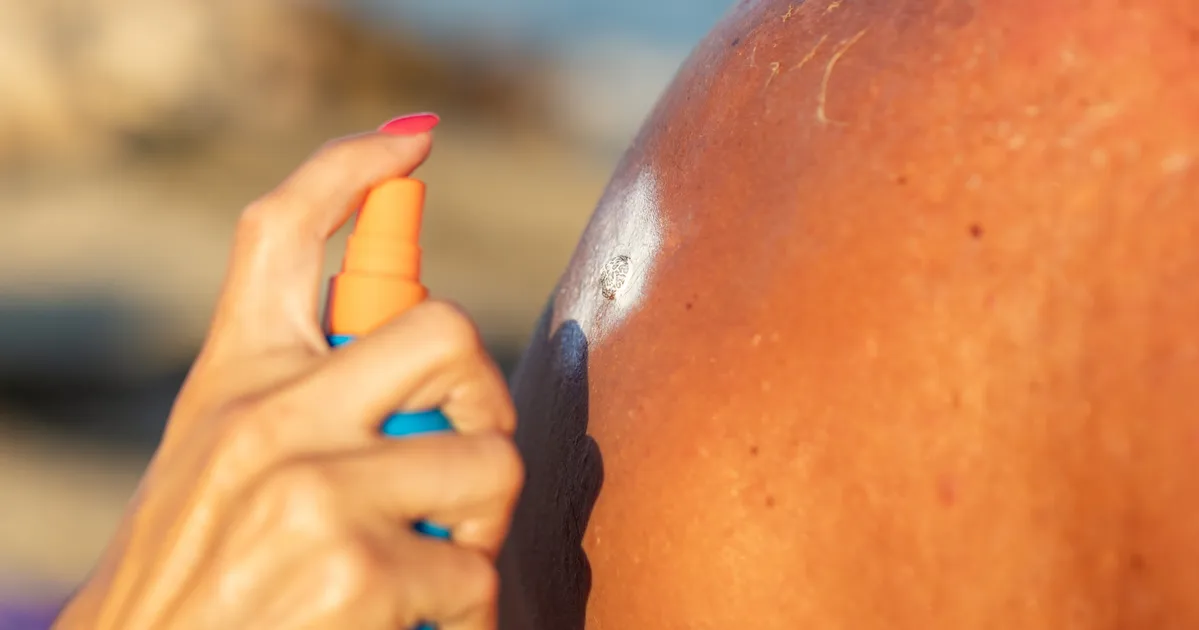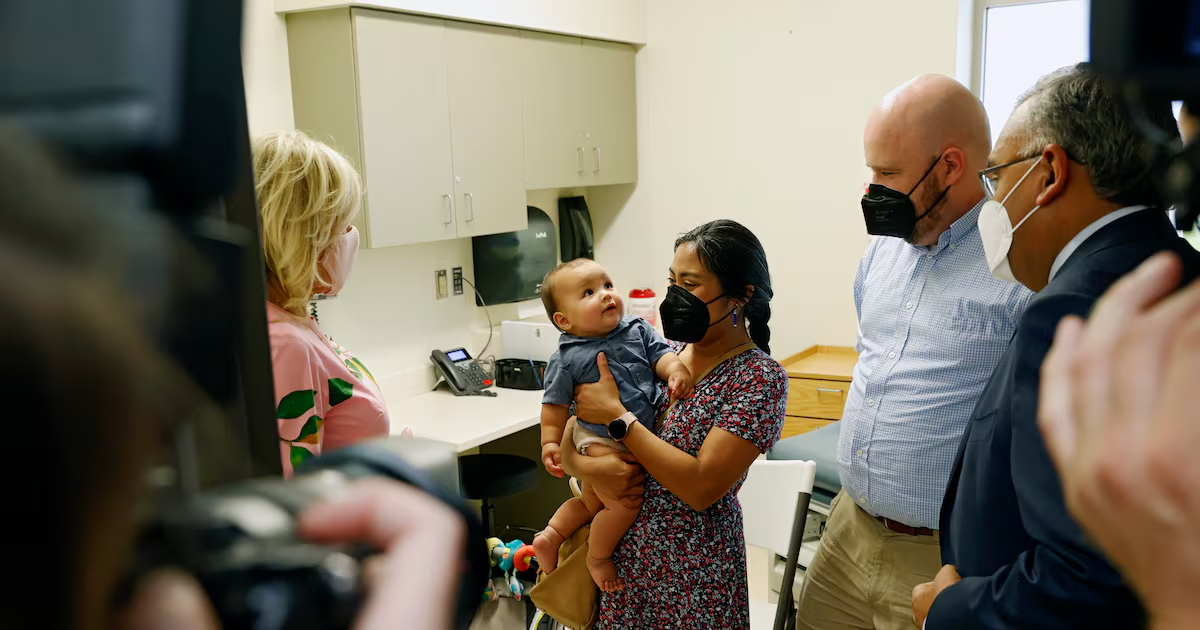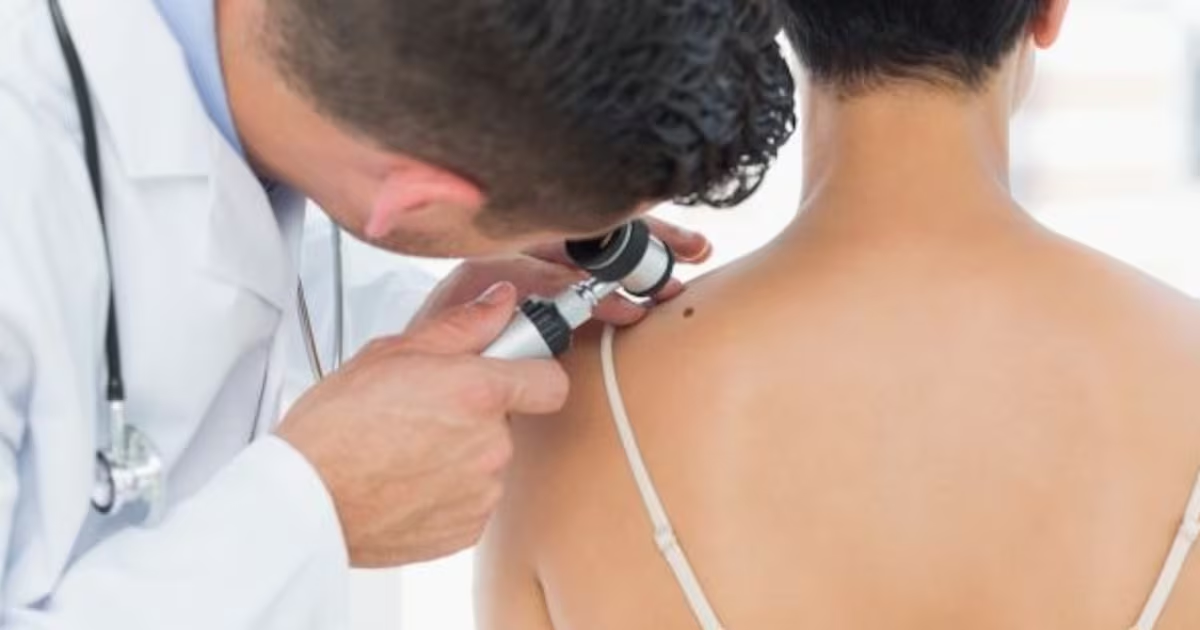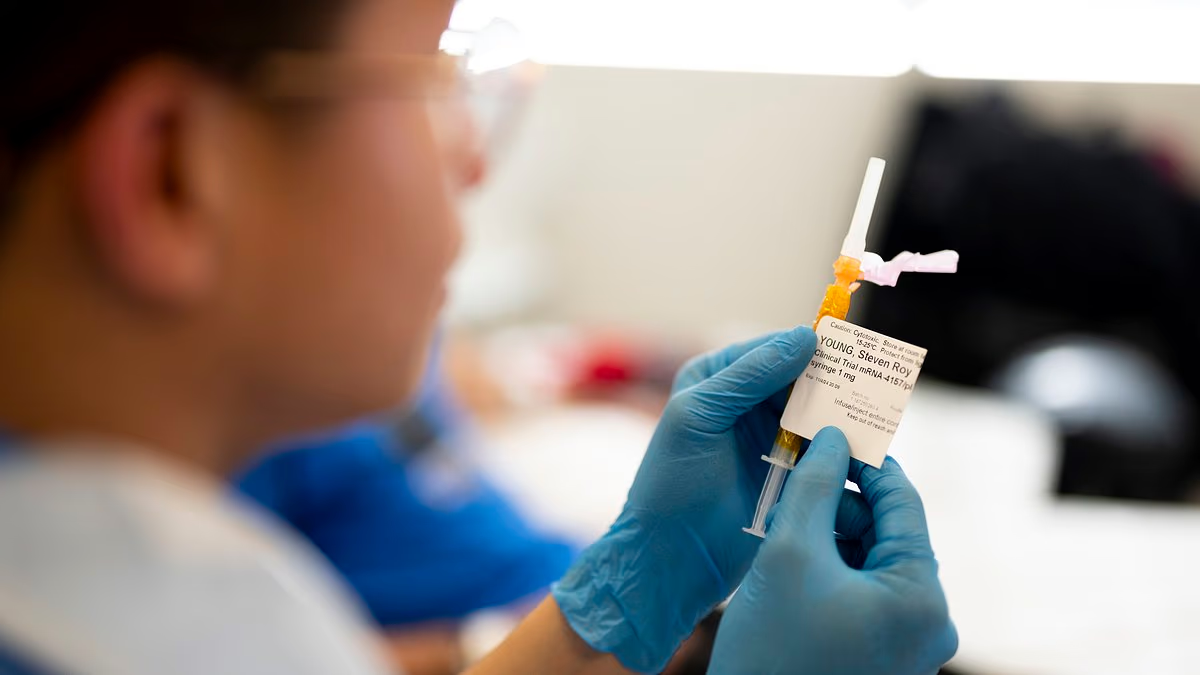
A new personalised vaccine could halve the risk of skin cancer returning in high-risk patients, a large trial has found.Experts say the experimental treatment could benefit thousands of Britons fighting the disease – which kills more than 2,000 each year.The jab, developed by pharmaceutical giants Moderna and Merck, is intended for patients with high-risk melanoma – the deadliest type of skin cancer – who have already undergone surgery.Data from the latest, final-stage trial suggests it can slash the risk of death and melanoma returning by 49 per cent when combined with Keytruda, an immunotherapy drug already prescribed by the NHS for a dozen types of cancer.The companies say the combination – compared with Keytruda alone – significantly extended the time patients remained cancer-free, as well as reducing the risk of the disease spreading to other parts of the body.A detailed breakdown of the results is not set to be released until later this year. But Moderna chief executive Stéphane Bancel called the findings 'a pivotal moment for the field of cancer research'.He added: 'For many years, the idea of creating an mRNA treatment designed specifically for an individual patient's cancer was aspirational. We are now helping turn that vision into a reality.'Shares in Moderna soared by more than 150 per cent in New York, following the announcement. The jab, developed by pharmaceutical giants Moderna and Merck, is intended for patients with high-risk melanoma – the deadliest type of skin cancer – who have already undergone surgery More than 20,000 people in the UK are diagnosed with melanoma every year – with numbers expected to climb by more than 25 per cent by 2040.Half of those with the disease will die within a year if it is diagnosed at stage 4, when it has already spread throughout the body, and is much harder to treat.The latest trial saw more than 1,000 patients with advanced melanoma given the experimental jab – called Intismeran.The vaccine uses mRNA – the same technology used by both the Pfizer and Moderna covid vaccines.Unlike conventional vaccines, which are designed to prevent infection, the new treatment is made individually for each patient.Tumour samples removed from patients are used to identify specific cancer cell mutations, which are then encoded into mRNA – a vital molecule used as the body's genetic messenger.Once injected back into the body, engineered mRNA strands teach the immune system to recognise and attack any tumour cells that remain.Earlier results from smaller phase 2 trials found that the drug combination reduced the risk of melanoma returning or patients dying by 49 per cent.
'Landmark moment' as vaccine stops cancer returning in striking trial
A new personalised vaccine could halve the risk of skin cancer returning in high-risk patients, a large trial has found.
639 words~3 min read