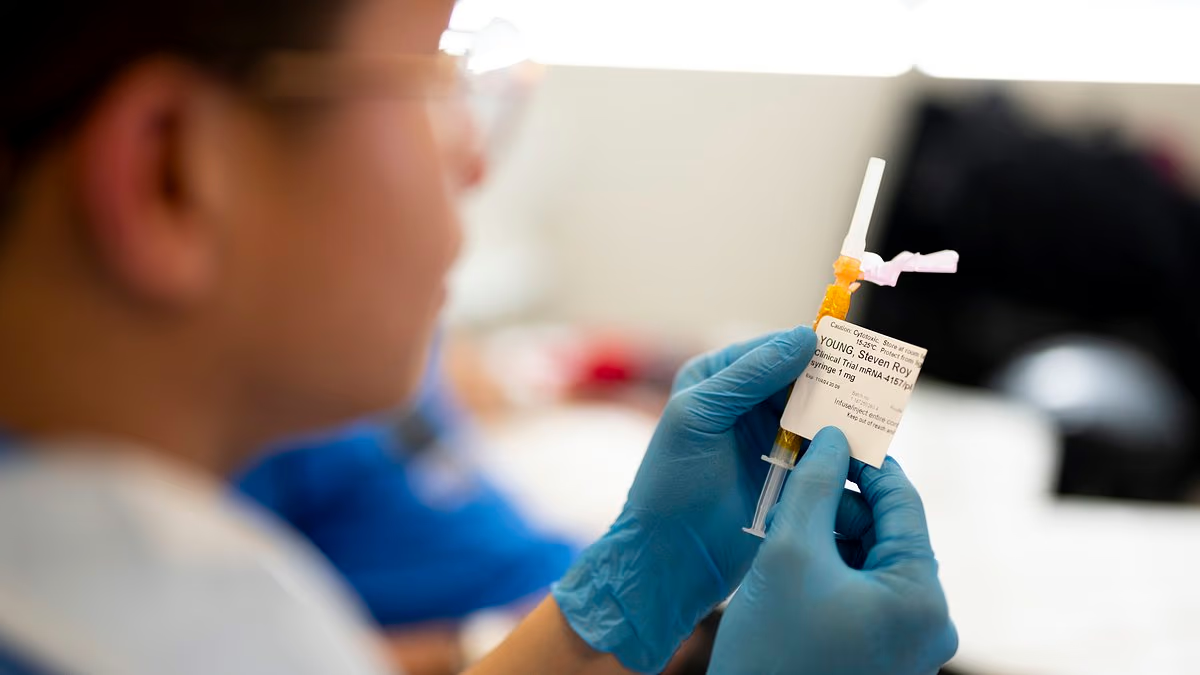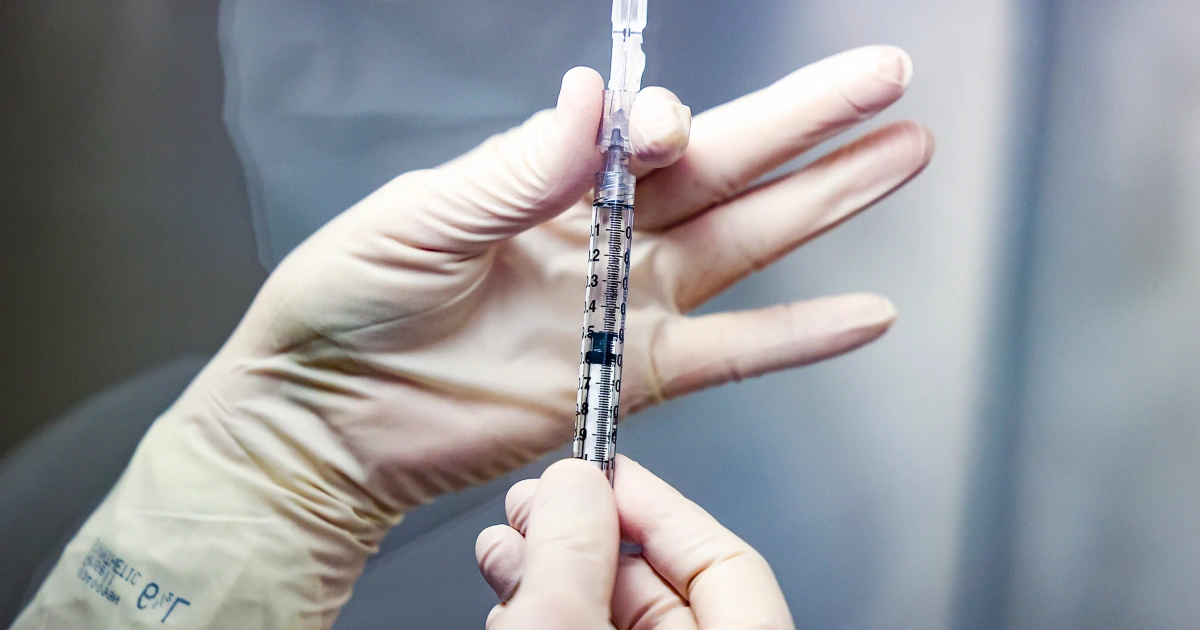
Patients with deadly skin cancer could soon benefit from a revolutionary vaccine that has been shown to slash the risk of their disease returning by almost half.Melanoma is one of the most aggressive and fatal types of skin cancer, affecting around 21,000 people every year in the UK.Typically, around 40 per cent of patients survive this cancer for five years once it has spread to nearby lymph nodes and distant organs like the lungs, liver or brain.The vaccine, intismeran, helps the immune system recognise cancer cells and therefore better respond to routine immunotherapy.Results from a clinical trial have now shown that adding the vaccine to standard treatment can slash the risk of recurrence or death by 49 per cent.Experts at the American Society of Clinical Oncology’s annual meeting in Chicago - where the findings were unveiled today - said the results are ‘encouraging’, and show that mRNA vaccines could help in the fight against other hard-to-treat diseases including lung, breast and bladder cancers.The clinical trial - led by experts at NYU Langone Health - followed 157 patients who were randomly selected after surgery to receive either both the vaccine and a type of immunotherapy called pembrolizumab, or pembrolizumab alone.After five years, around 69 per cent of patients who had received the combined therapy remained cancer free, while just 49 per cent of patients who received the current standard of care showed no signs of cancer. The vaccine is injected into lymph nodes in the armpit or groin Adding the vaccine also reduced the risk of the cancer spreading to another part of the body - where it becomes far more difficult to treat - by 59 per cent.Overall, adding intismeran cut the risk of the cancer returning or death by 49 per cent.Dr Janice Mehnert, the study’s lead author, concluded: ‘This offers strong evidence for melanoma patients that intismeran vaccine therapy, when used in combination with [standard treatment], can demonstrably reduce their risk of having their cancer return and improve clinical outcomes.’She added: ‘Our findings also serve as encouragement to cancer researchers globally that mRNA vaccines like intismeran could work well in combination with immunotherapy for other cancers whose high rates of mutations have proven difficult to target.’The combined therapy targets cancer in two distinct but complementary ways. It trains T-cells - the immune system’s defence system - to recognise cancer-specific mutations, and allows these cells to attack cancer more aggressively.Immunotherapies have become the mainstay for treating melanoma - but they don’t work for all patients as cancer cells can become resistant to therapy.For this reason, researchers have looked at adding vaccines.Because the patients involved in the study had had their tumours removed, the scientists were able to analyse the tumours for mutant proteins that were specific to each cancer and create a personalised vaccine for each patient.
Cancer vaccine cuts risk of deadly skin cancer returning by half in
Patients with deadly skin cancer could soon benefit from a revolutionary vaccine that has been shown to slash the risk of their disease returning by almost half.
725 words~3 min read