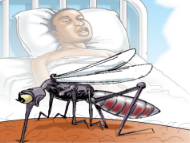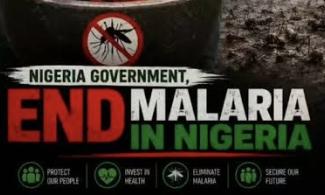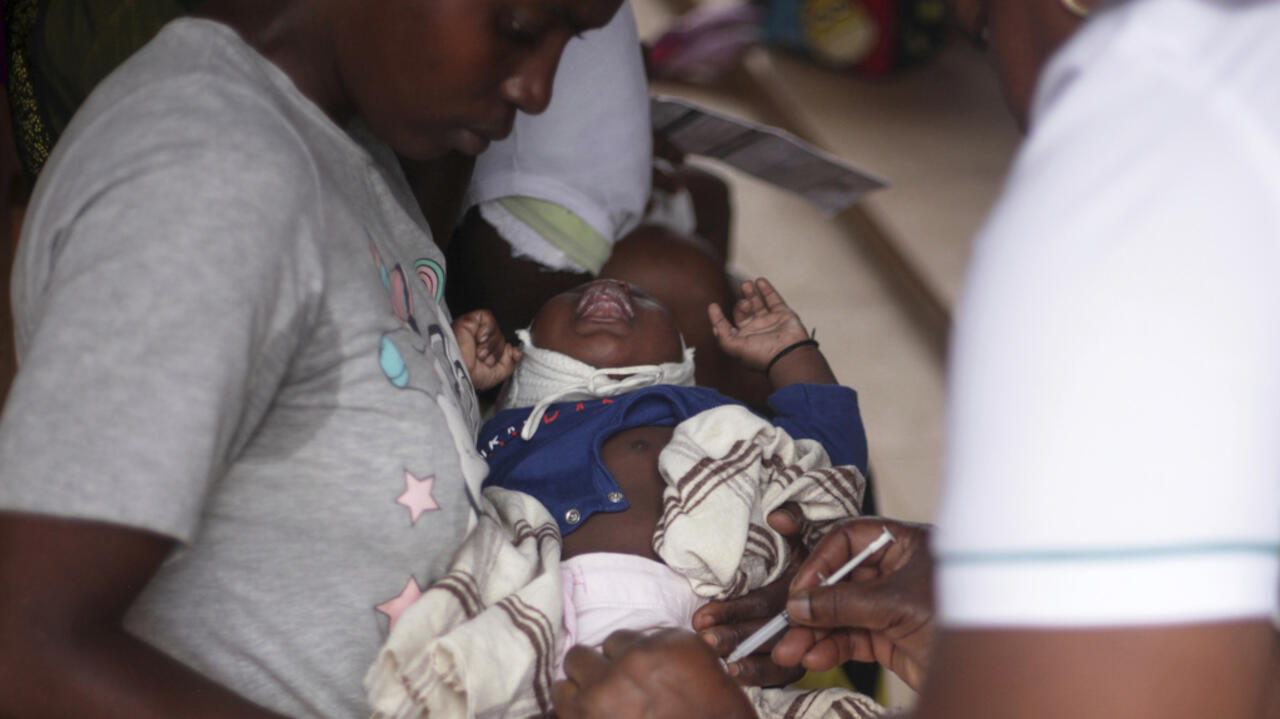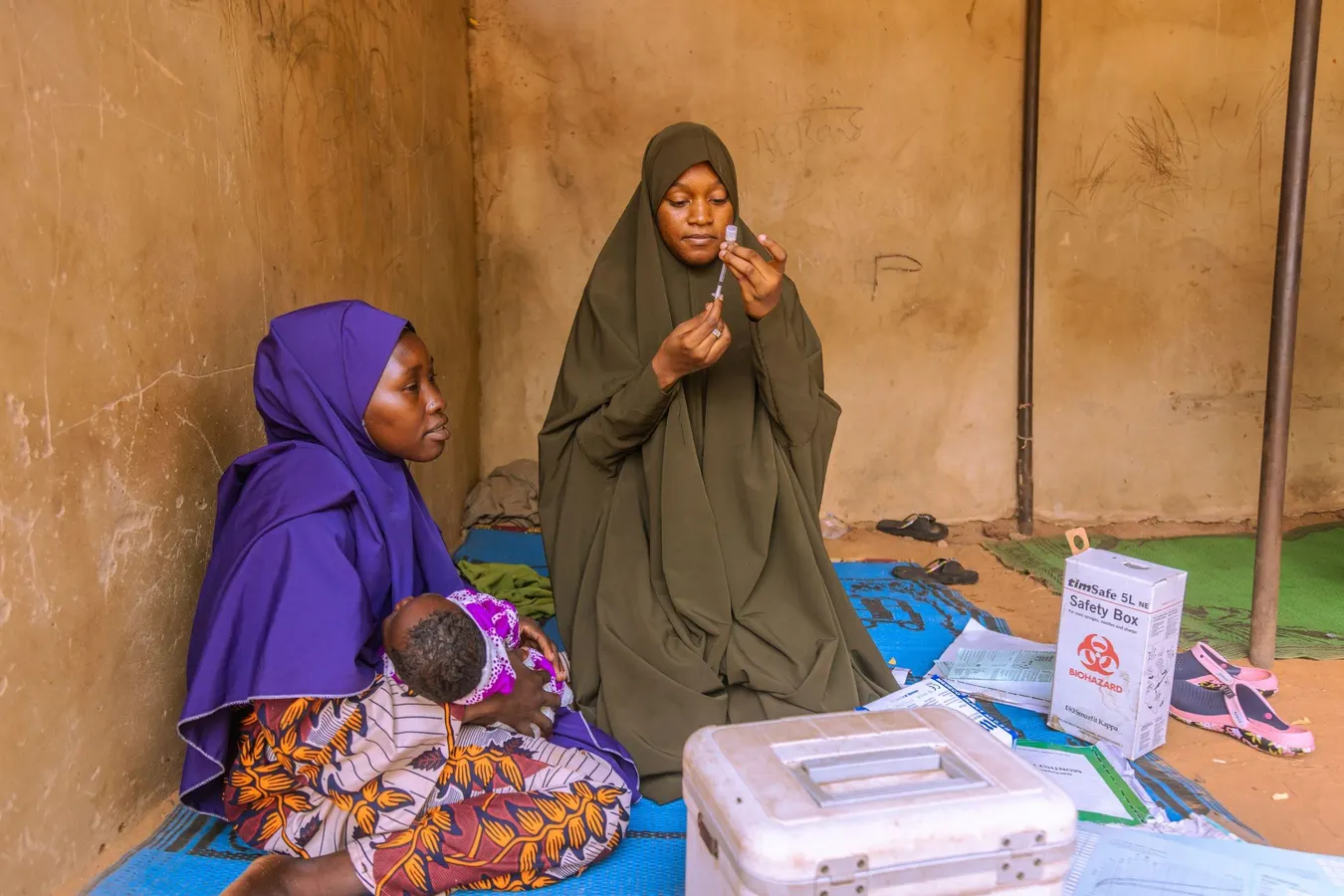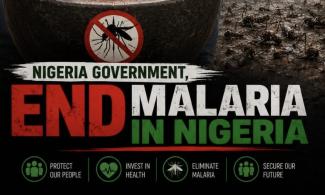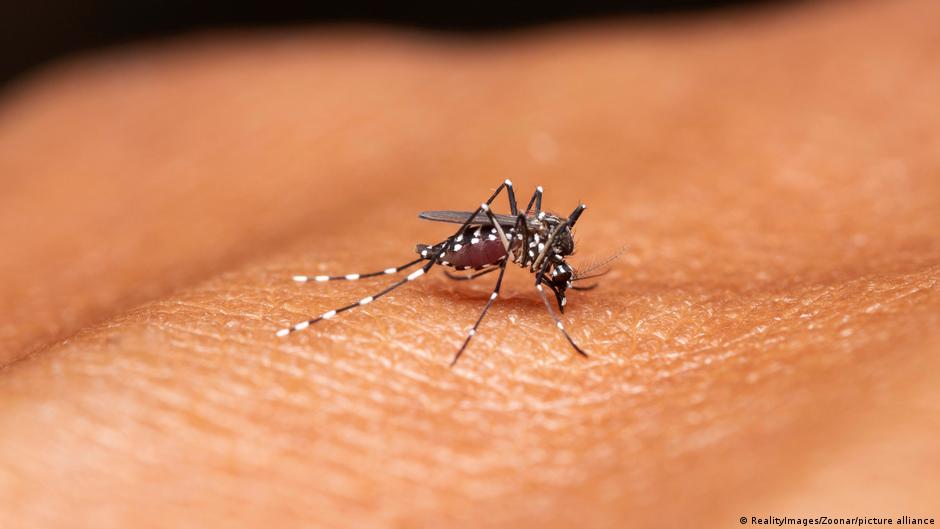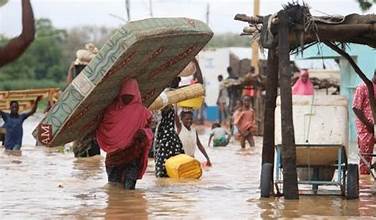
The most urgent and topical health issue currently ravaging developing countries is the rise of malaria resurgence, driven by climate change, weakened health systems, conflict, and reduced international aid. All these factors are prevalent in the Nigerian environment.
Reduced international aid via the likes of the United States Agency for International Development, and the President’s Emergency Plan for AIDS Relief, have negatively impacted how various governments in sub-Saharan Africa, in particular, are able to respond to these diseases.
In the case of these two United States government agencies, outright cancellation of their funding by the Donald Trump administration has been hard-hitting. It has screwed healthcare budgets throughout the region, and Nigeria has not been spared.
In less than two years since the funds were cut off, there has been a resurgence of new AIDS cases around the country. Malaria, never fully controlled but probably contained with some success, is also staging a comeback.
In East and Southern Africa, the effects of climate change have enabled an increase in malaria transmission by as much as 84 per cent and 91 per cent respectively in both regions, according to a recent study published in the journal Nature.