All the stakeholders should do more to ensure the disease is eradicated
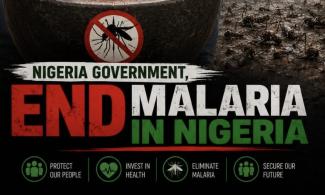
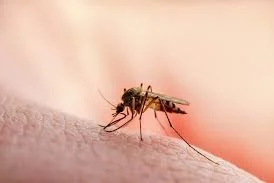
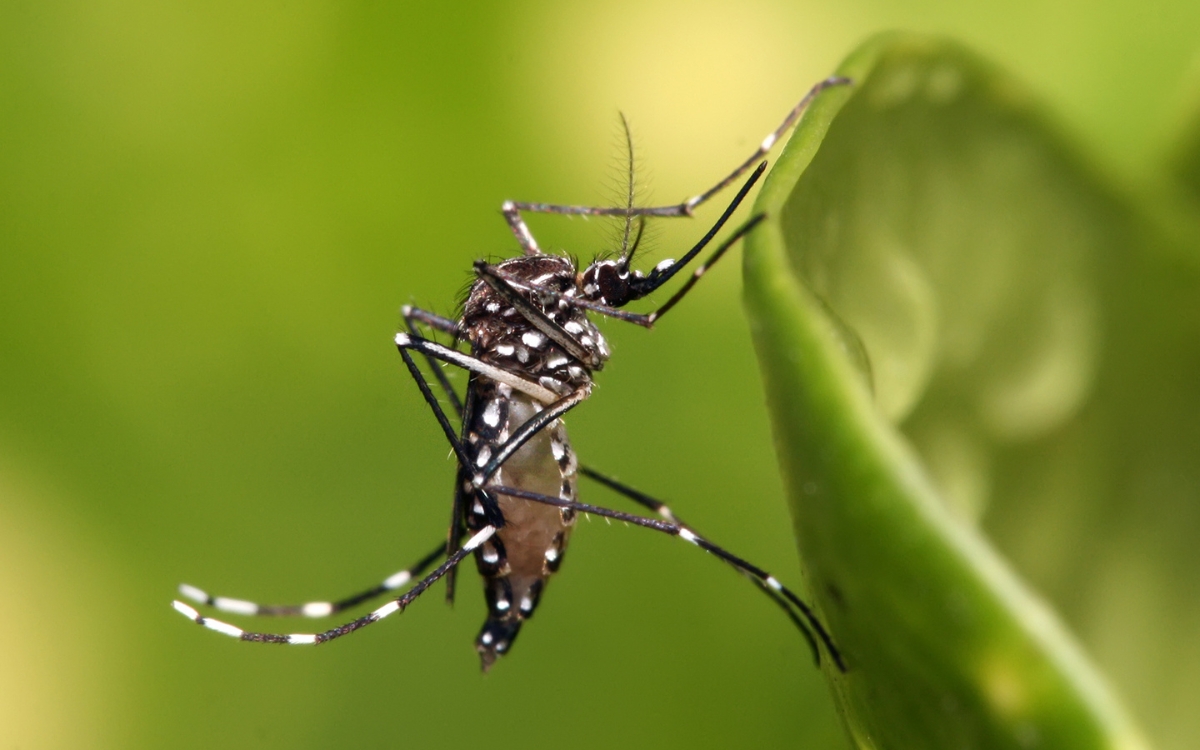
Mosquitoes may be small, according to the World Health Organisation (WHO), but they are responsible for spreading some of the deadliest diseases known to humankind. With Nigeria among the 11 countries that carry approximately 70 per cent of the global burden of malaria, the 2026 World Mosquito Day being marked today is another reminder to the health authorities in Nigeria that malaria is still one battle that needs to be won, even when gains have been made in recent years. Today also presents another opportunity for stakeholders to reflect on the 2024 Yaounde Declaration which expressed “unwavering commitment to the accelerated reduction of malaria mortality.”
The World Mosquito Day commemorates the discovery made in 1897 by a British doctor, Ronald Ross, who identified pigmented malaria parasites inside the stomach tissue of a female Anopheles mosquito that had fed on an infected patient. It was his finding that proved, for the first time, that mosquitoes transmit malaria between humans. And Ross, then an army surgeon working in India, went on to win the Nobel Prize in 1902 for this discovery.
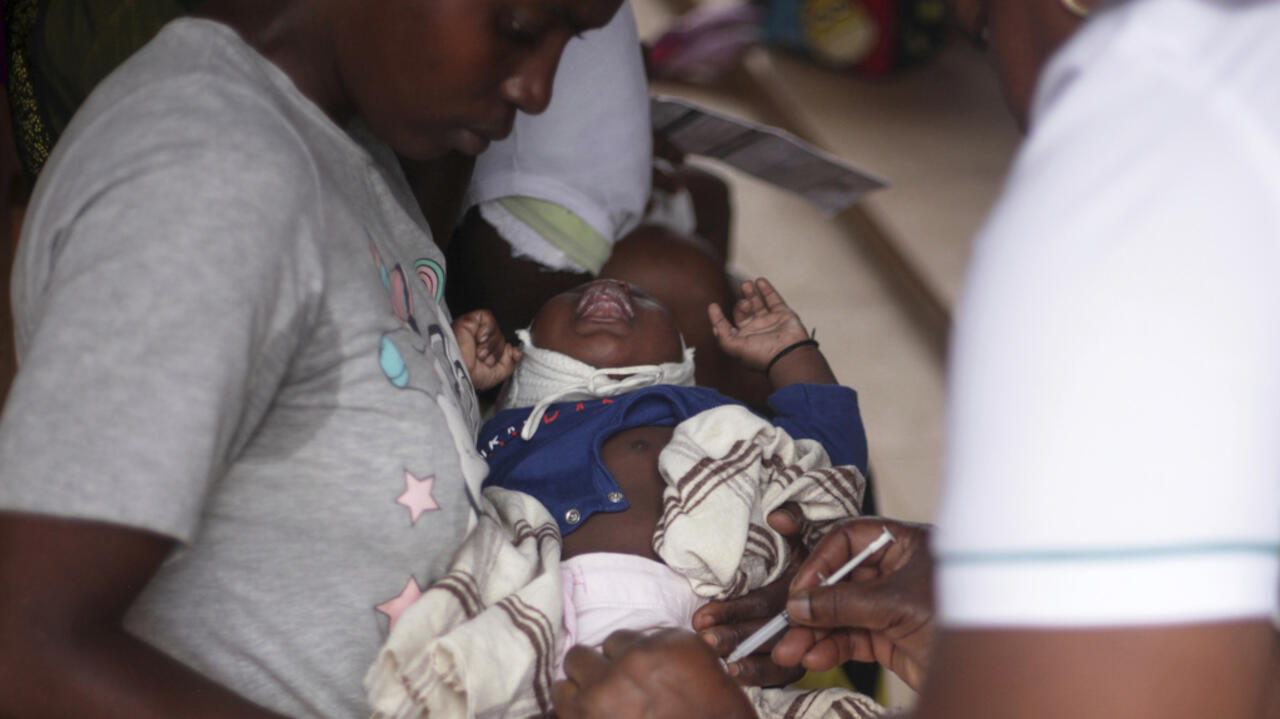
Authorities have at different times revealed that malaria contributes about 25 to 30 per cent of childhood mortality and about 60 per cent of hospital attendance in Nigeria. It is also a major cause of absenteeism in schools, markets, and workplaces, as well as a significant out-of-pocket expense for most households. And with the environmental conditions and associated ailments, which have all combined to make malaria a scourge for both the young and old, the statistics of death from the disease remain startling.