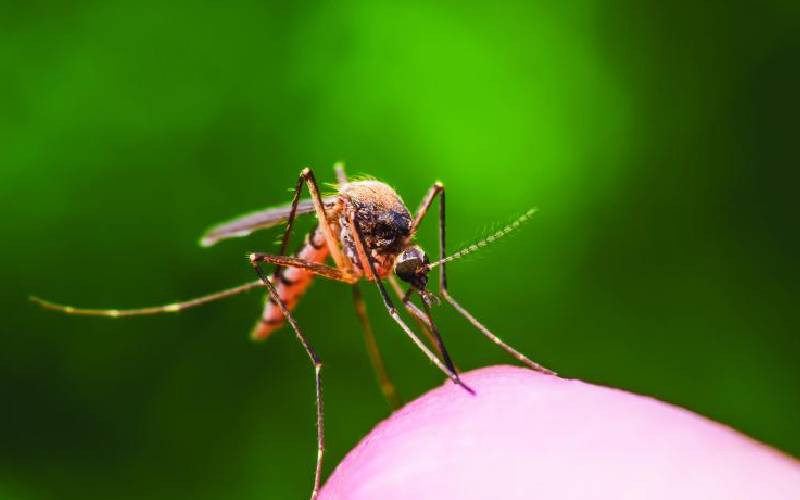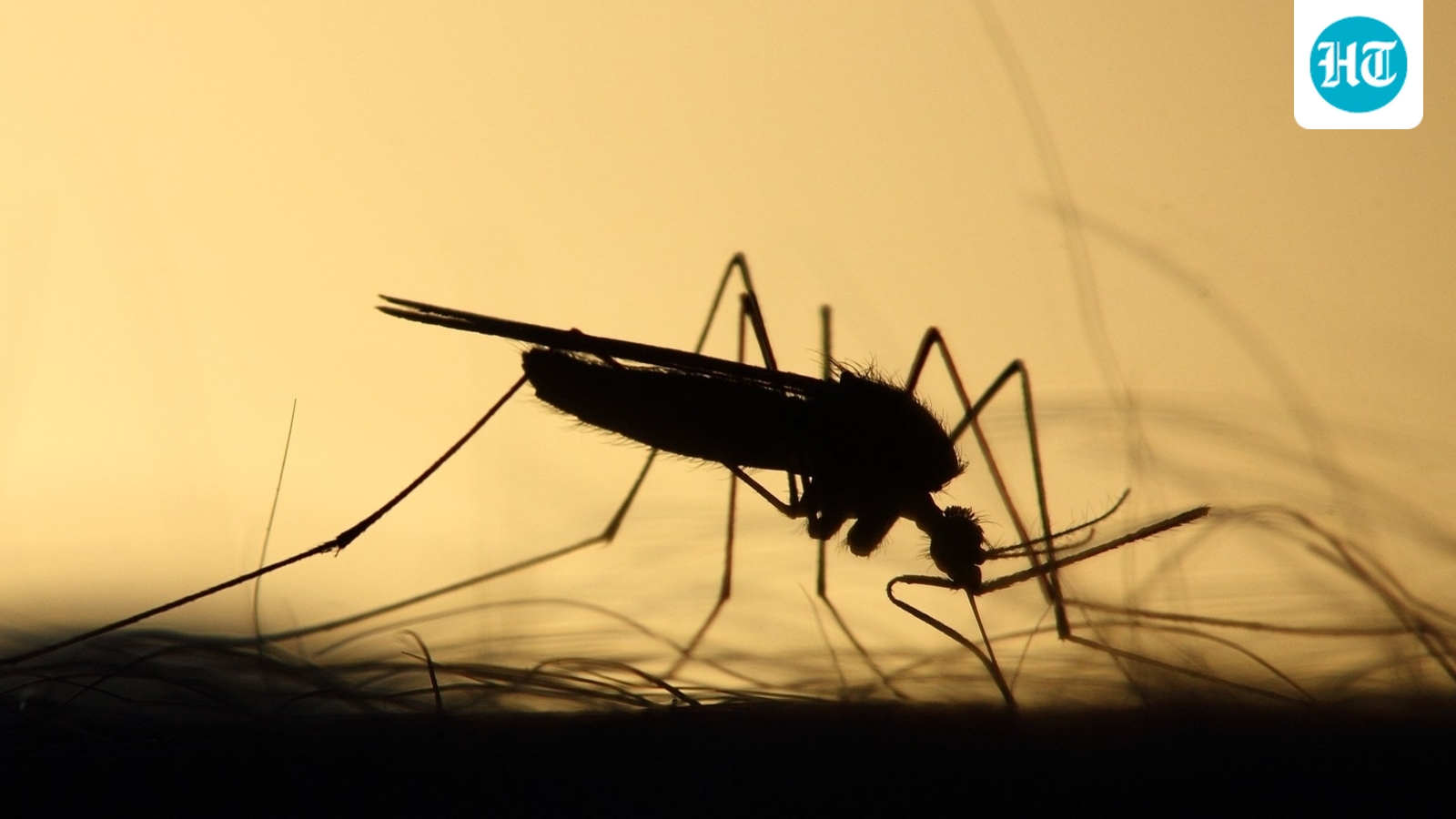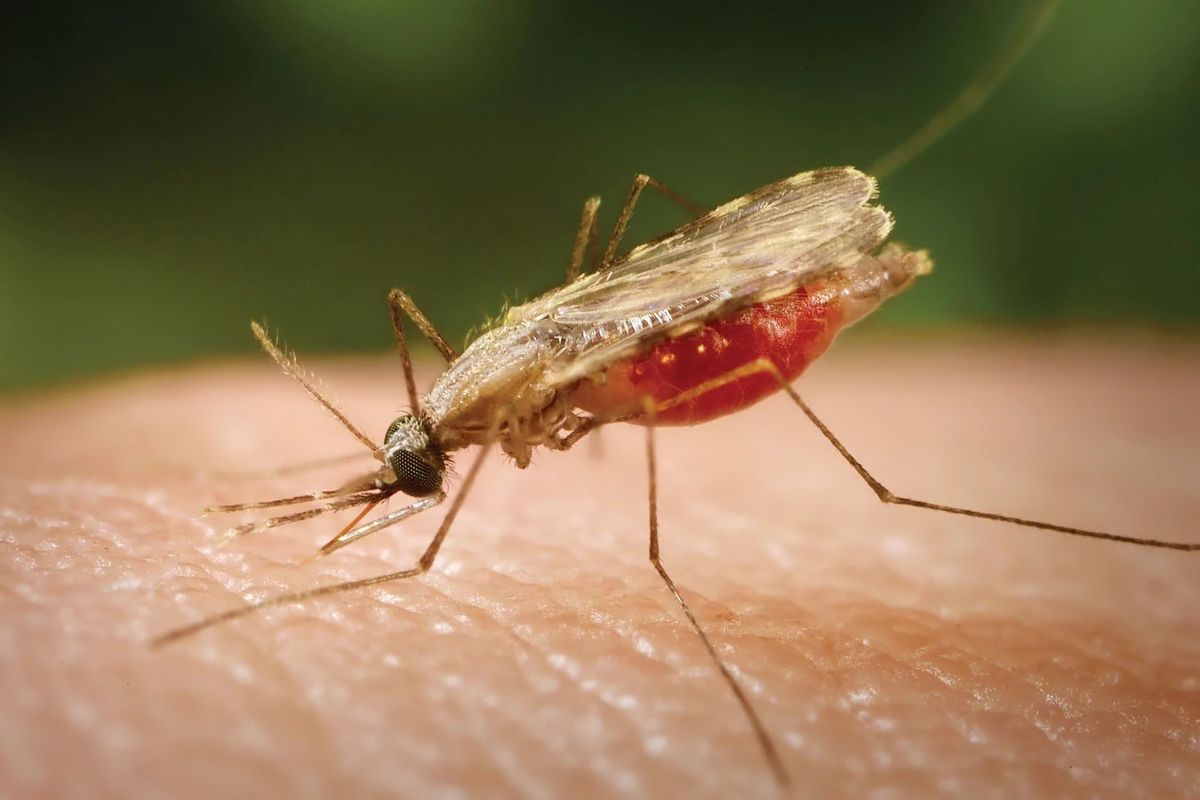
Despite decades of scientific advances, malaria remains one of the world’s deadliest yet most preventable diseases, particularly across Africa. Caused by Plasmodium parasites transmitted through the bites of infected female Anopheles mosquitoes, the disease continues to pose a major public health challenge despite sustained global intervention.
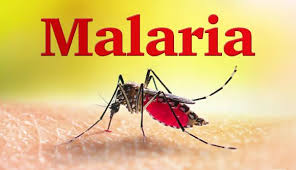
The female Anopheles mosquito, which bites mainly between dusk and dawn, is the primary carrier of the parasite. While malaria cannot be transmitted through casual contact such as hugging, coughing or sharing food, it can be passed from a pregnant mother to her unborn child during pregnancy or childbirth.
For many people, mosquito bites are viewed as little more than a nuisance. However, the bite of an infected mosquito can have devastating consequences. Malaria is not an ordinary fever to be dismissed or treated through self-medication. Without prompt diagnosis and appropriate treatment, it can lead to severe anaemia, organ failure, cerebral malaria and death.
Despite being both preventable and treatable, malaria still claims more than 600,000 lives each year, with African children accounting for the overwhelming majority of these deaths.
Every April 25, the world observes World Malaria Day to renew global commitment to malaria prevention and elimination. Yet beyond the annual campaigns and public declarations, malaria continues to thrive across sub-Saharan Africa, fuelled by poverty, poor sanitation, weak healthcare systems and limited access to quality medical care.