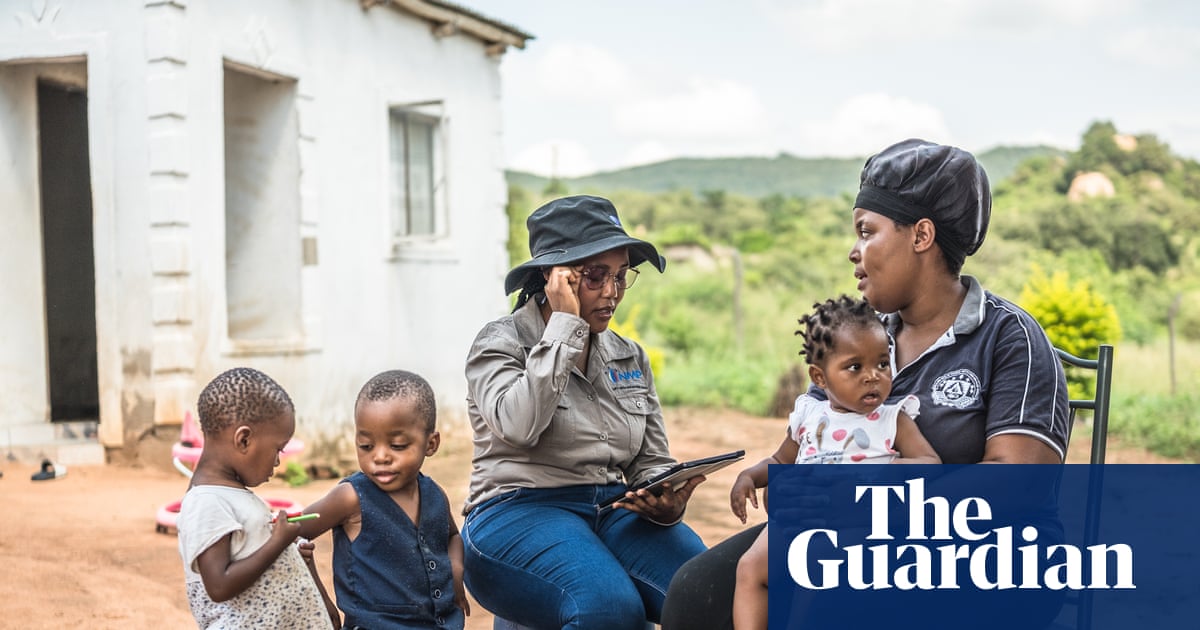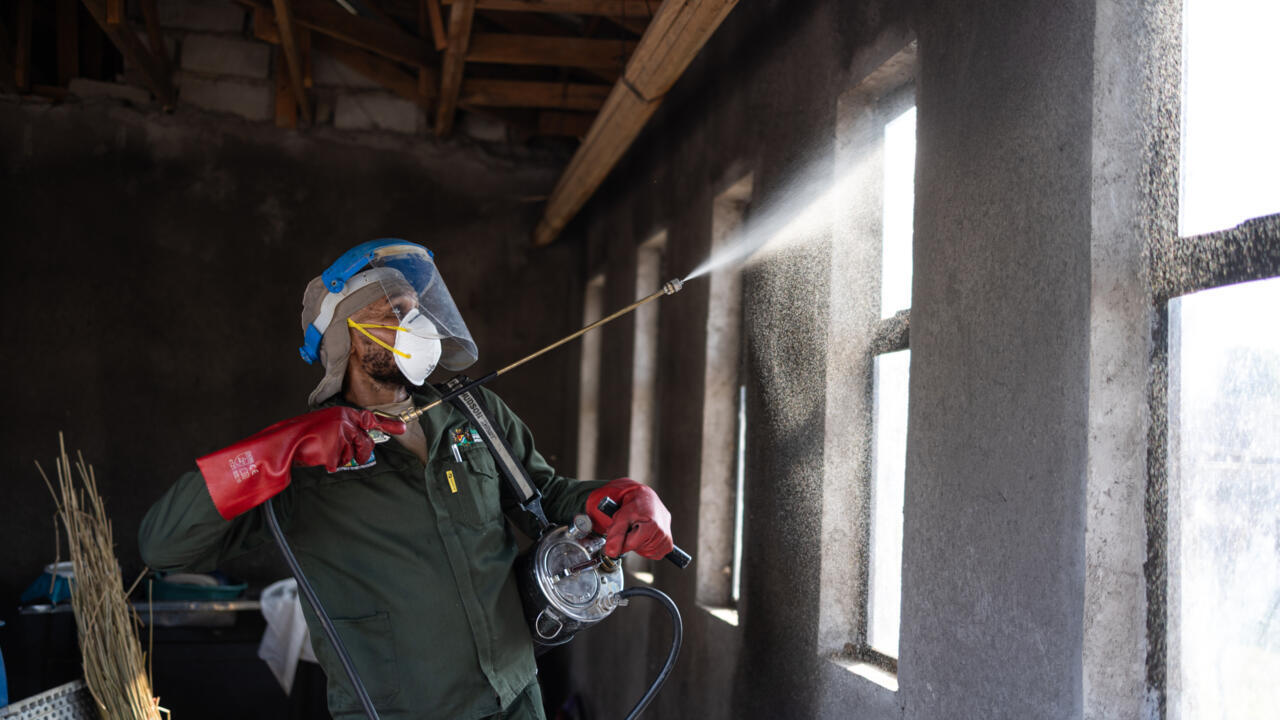
Her teenage grandson fell critically ill last year from malaria, the disease that kills more than a quarter of a million people annually and is surging in southern Africa as the climate shifts.Before this spraying, the family's "only defence" against malaria-carrying mosquitoes was a rattling fan, said Mhlongo, a 63-year-old retiree.
The upsurge in malaria cases jeopardises South Africa's goal of eliminating the disease by 2029 © EMMANUEL CROSET / AFP
Her village of Calcutta is in Mpumalanga, one of three provinces in South Africa's malaria belt experiencing changing rain patterns and rising temperatures that favour mosquito breeding.Heavy rains leave pools for eggs, while warmer temperatures speed up mosquito development and shorten the malaria parasite's incubation period.Malaria cases in Mpumalanga jumped fourfold in January compared with a year earlier, according to the National Institute for Communicable Diseases (NICD).
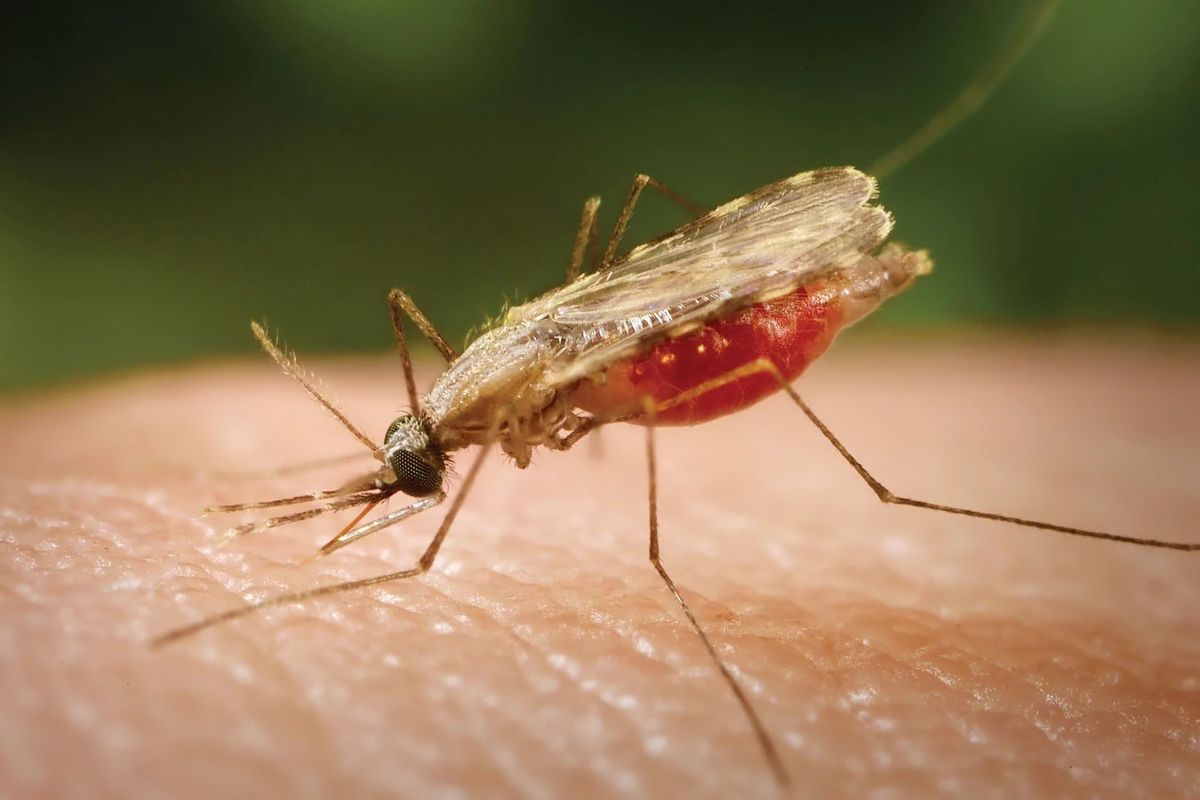
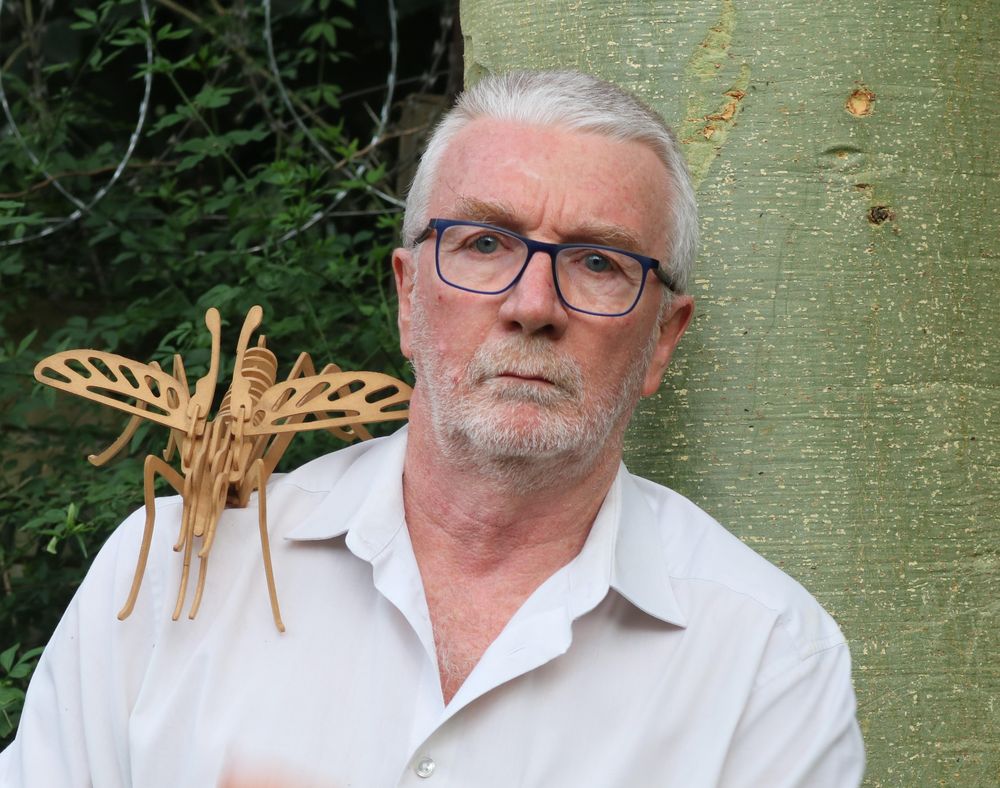
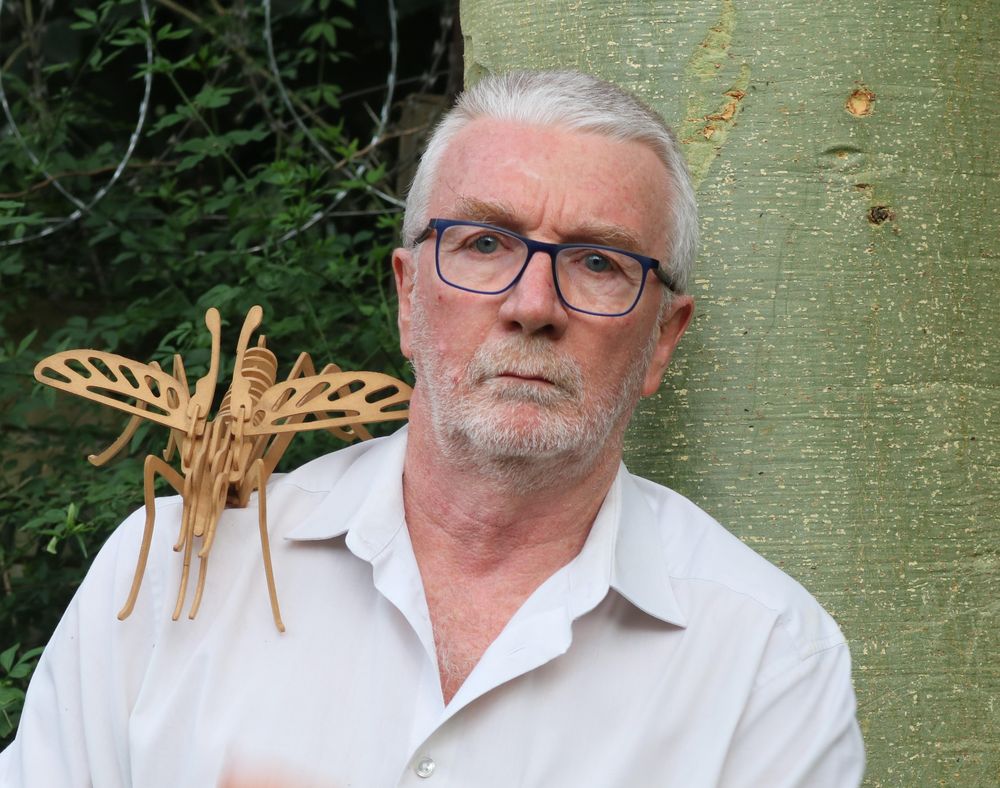
Mosquitoes are the world's deadliest animals © Olympia DE MAISMONT / AFP/File
The upsurge jeopardises South Africa's goal of eliminating the disease by 2029. Gauteng -- the powerhouse province home to Johannesburg and Pretoria, and where malaria is not endemic -- logged more than 400 cases and 11 deaths in the first three months of 2026, according to the NICD. While most infections were imported into the province from known hotspots, these figures are "concerning" even if the disease is not being transmitted between people, the public health body said.- Supercharging hotspots - Human‑driven climate change has increased the likelihood and intensity of extreme weather, while the naturally occurring La Nina weather phenomenon brought above‑average rains to parts of southern Africa in early 2026, causing flooding that created more mosquito breeding sites, the group said.