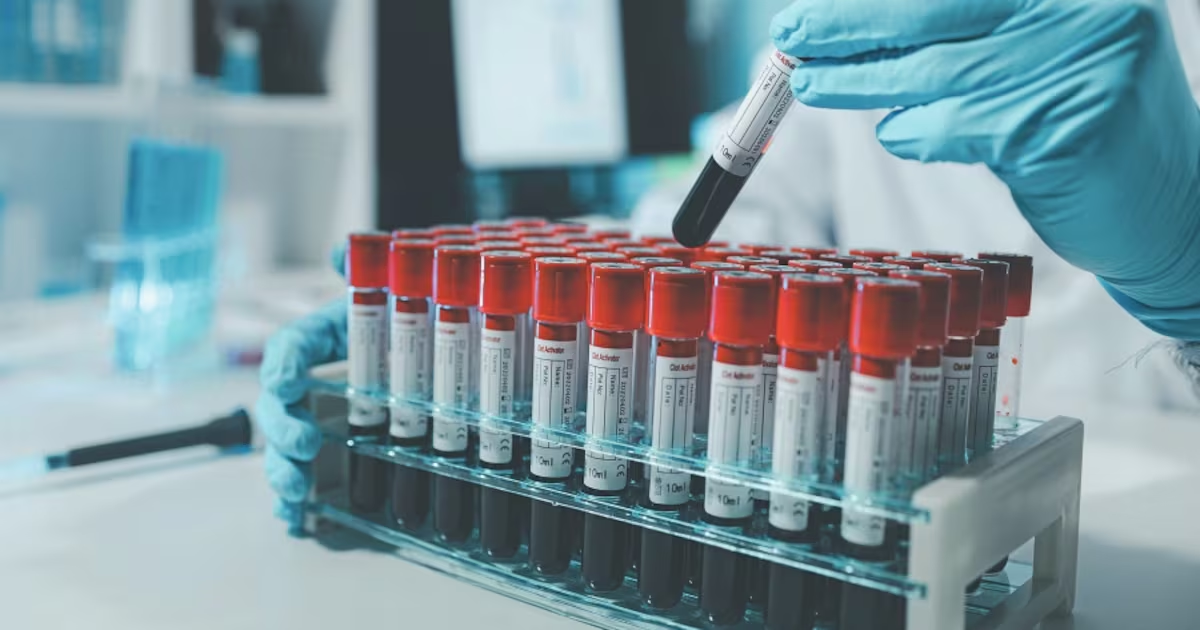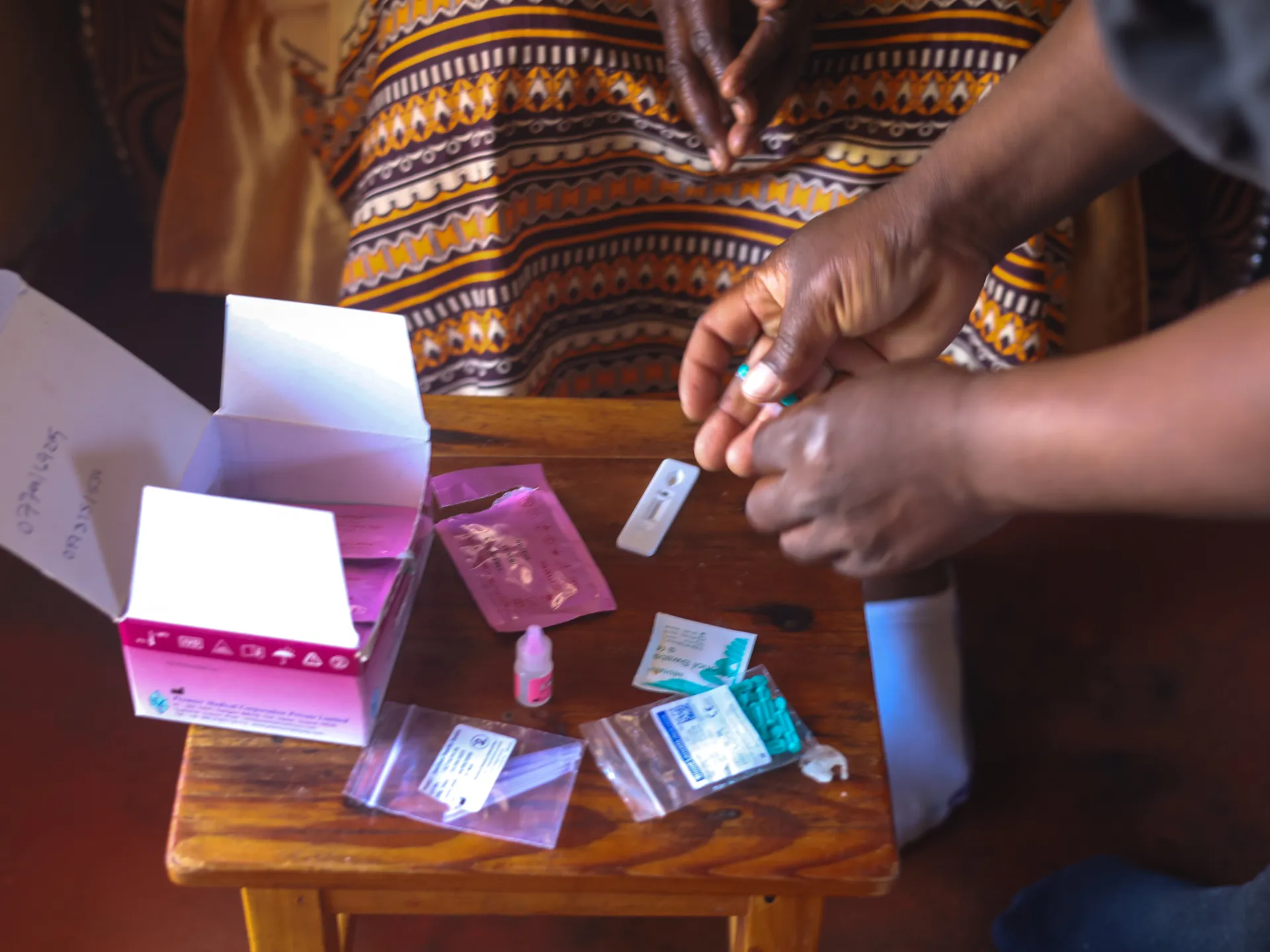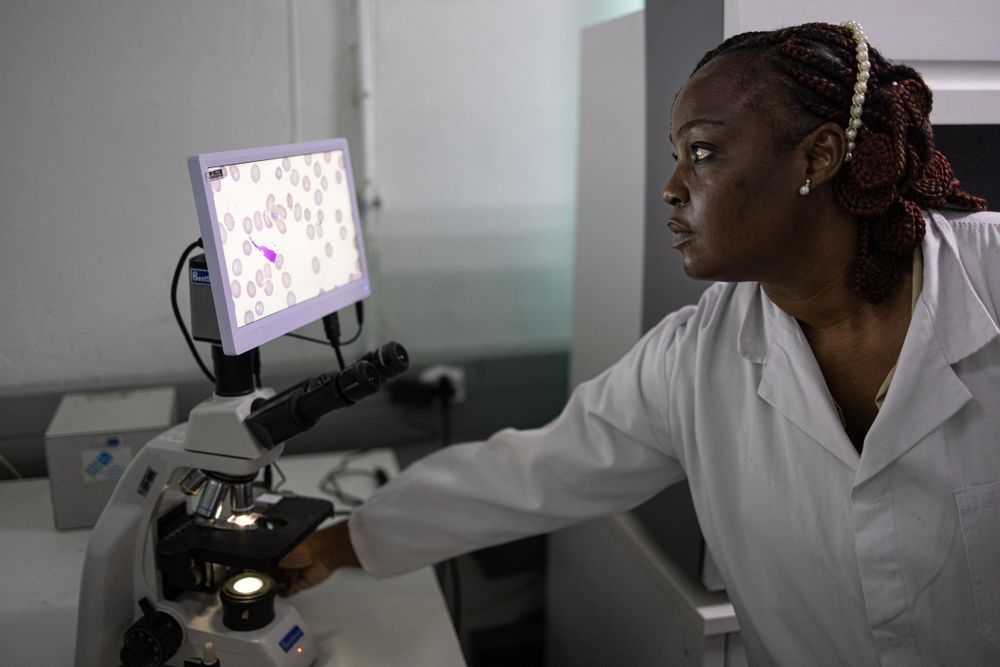
Medical technologist and laboratory manager at the National Health Laboratory Service Rirhandzu Mashale looks at a malaria-positive blood sample projected from a microscope at Tintswalo Hospital in Bushbuckridge late last month.
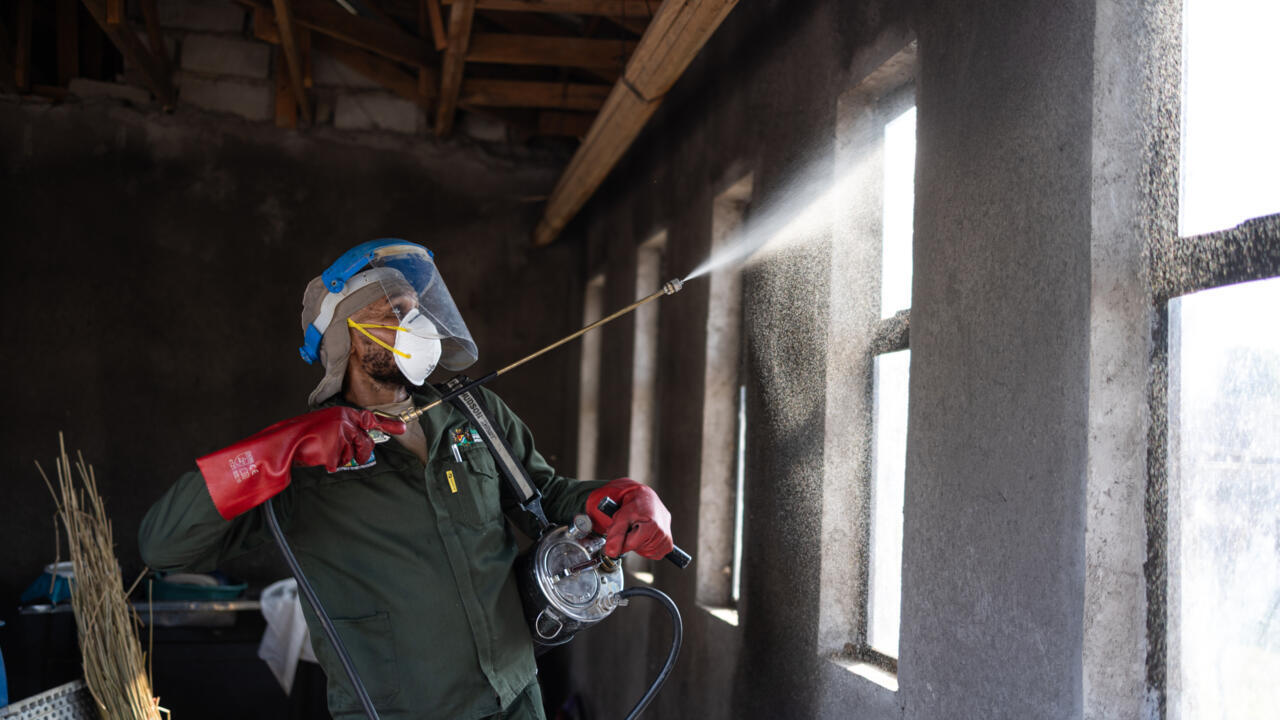
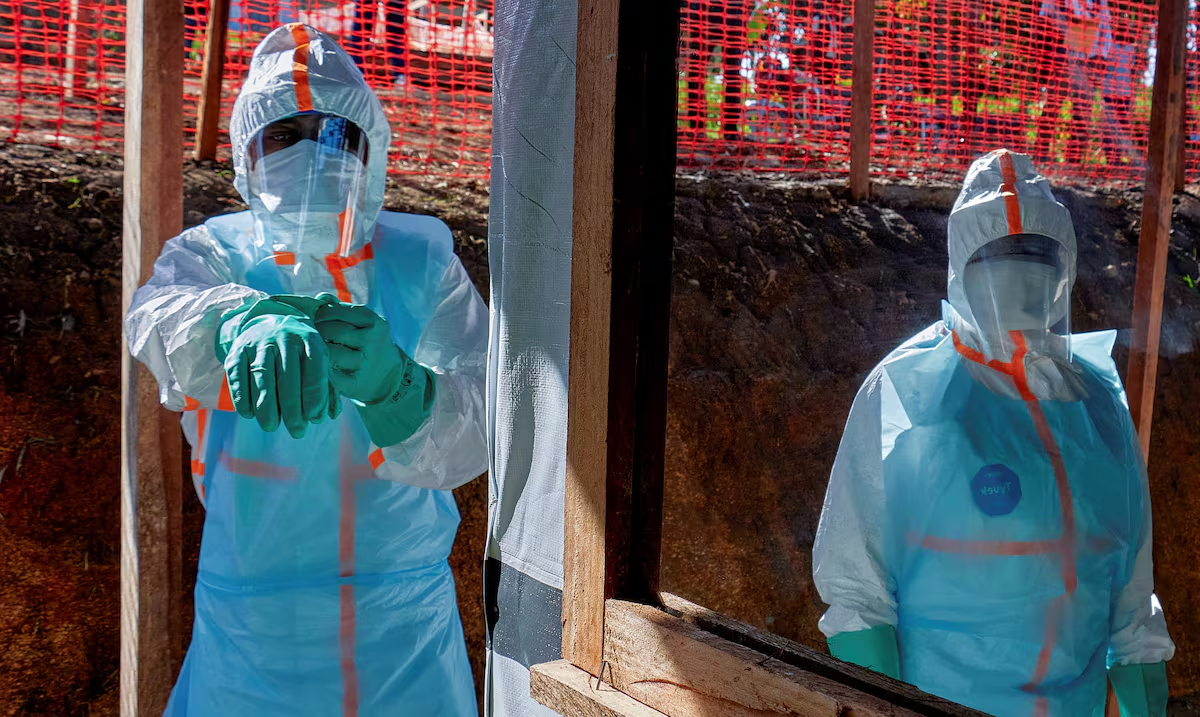
In a remote South African village, Paulina Mhlongo sits in the yard as health workers in green protective gear move briskly through her home, soaking the walls with anti-mosquito insecticide.
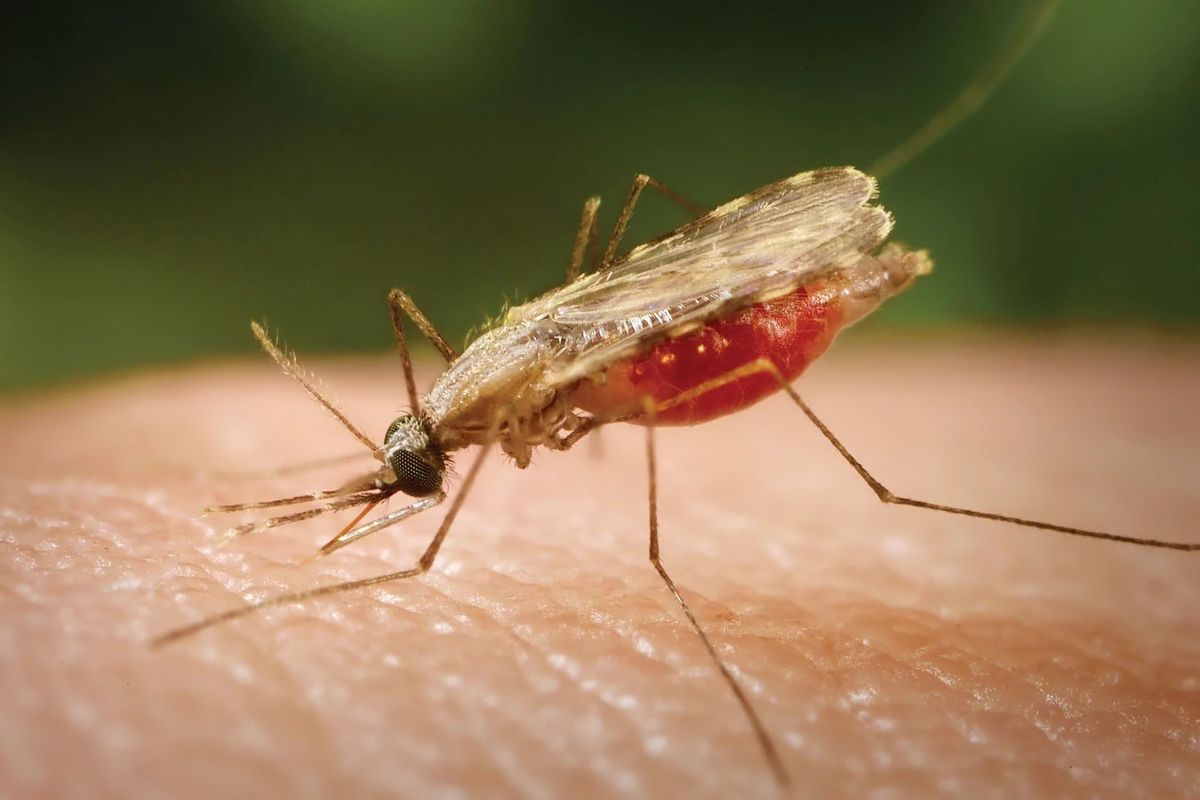
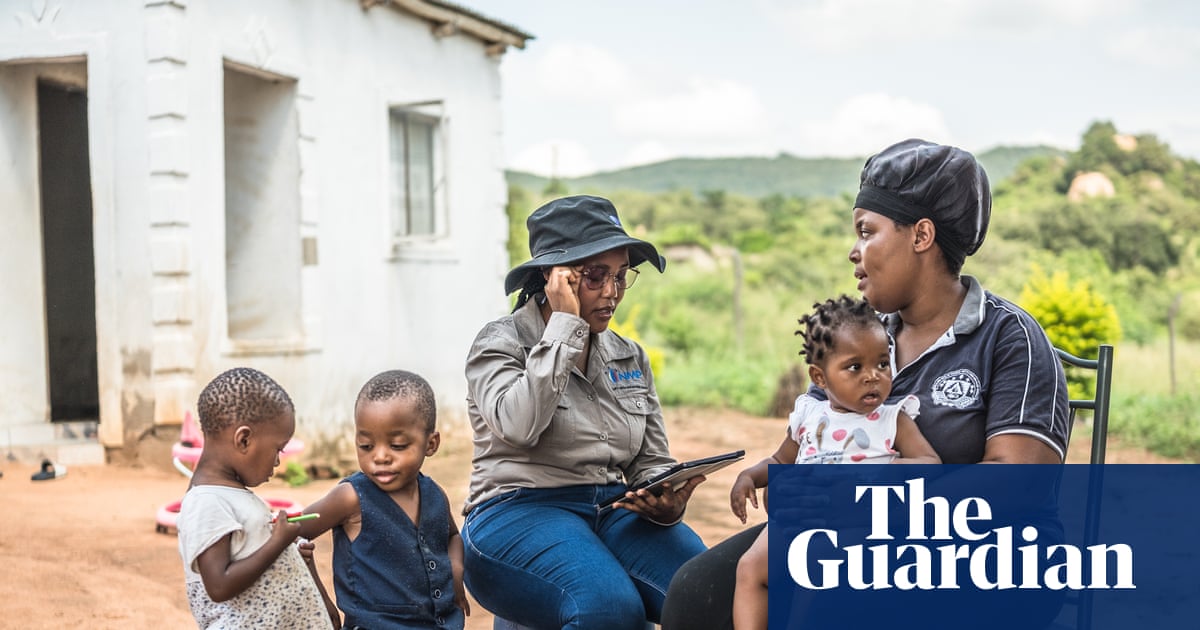
Her teenage grandson fell critically ill last year from malaria, the disease that kills more than a quarter of a million people annually and is surging in southern Africa as the climate shifts.
Before this spraying, the family's "only defence" against malaria-carrying mosquitoes was a rattling fan, said Mhlongo, a 63-year-old retiree.
Her village of Calcutta is in Mpumalanga, one of three provinces in South Africa's malaria belt experiencing changing rain patterns and rising temperatures that favour mosquito breeding.