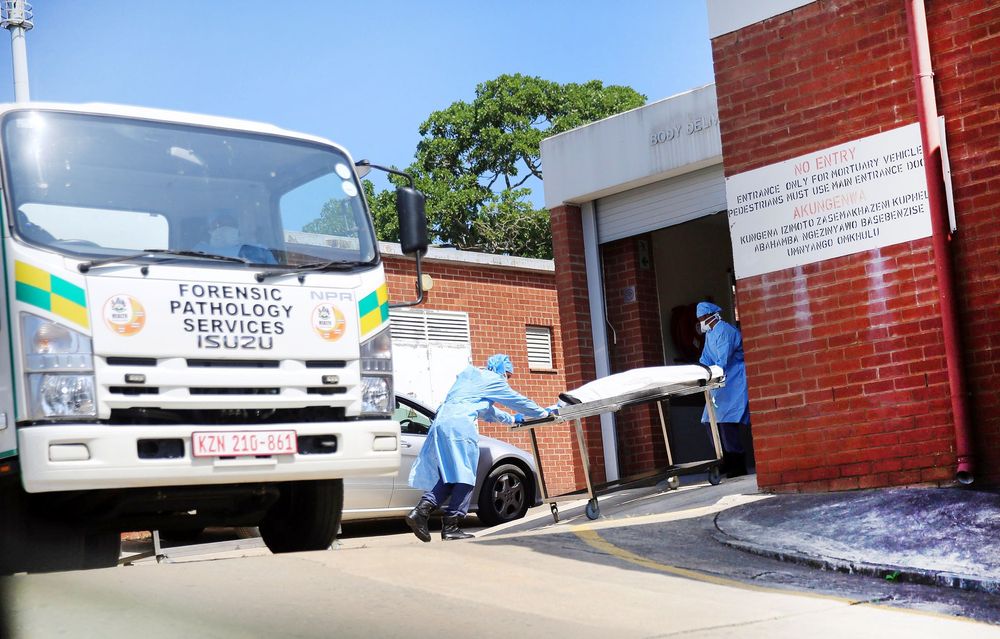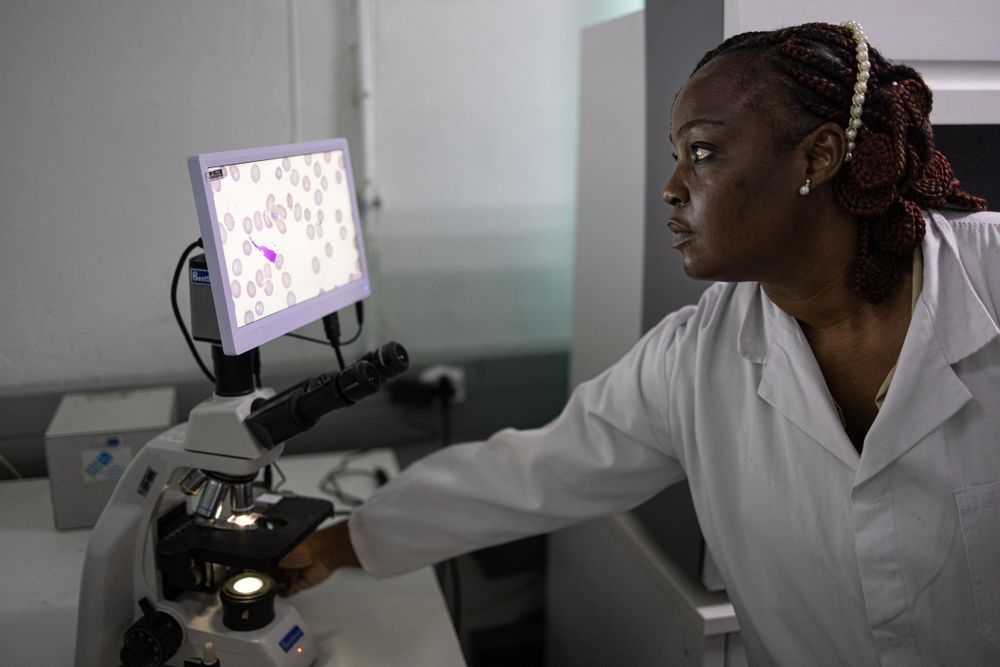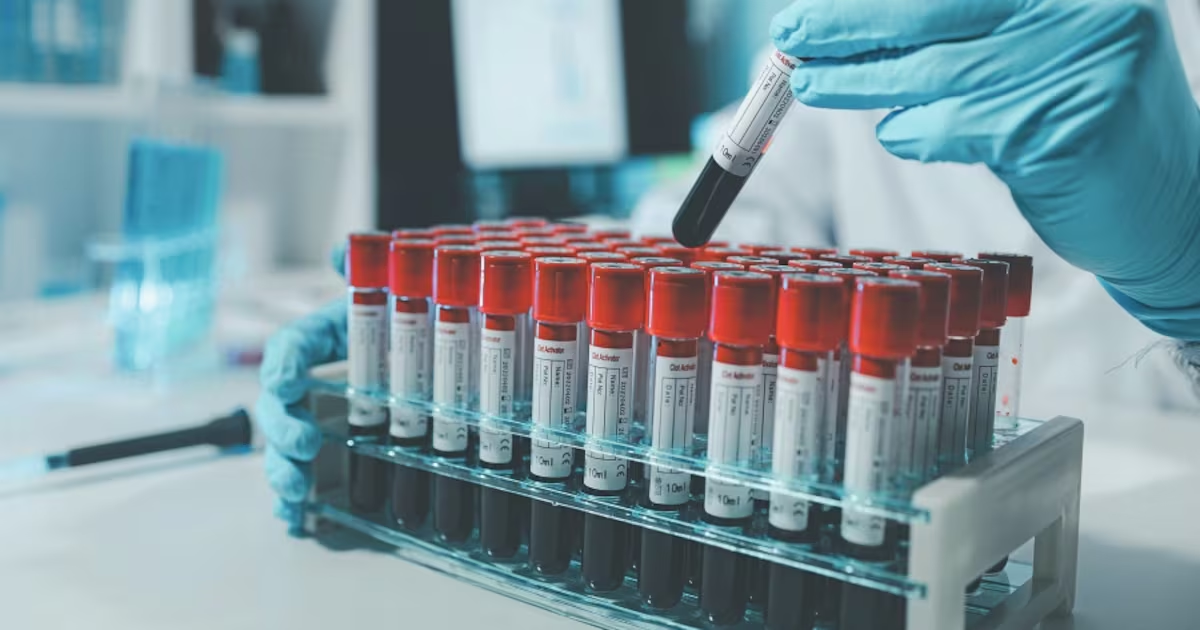
When a patient waits for a blood test at a public hospital, they are not thinking about all the zeros in provincial budgets or intergovernmental disputes. They are thinking about their health. Like millions of South Africans, they place their trust in the public healthcare system, the inner workings of which they will never see, and in laboratory professionals they will probably never meet. However, in using the system they experience its impact. For the blood test a nurse will draw the sample, seal the vial and send it to the closest National Health Laboratory Service (NHLS) laboratory. For the patient this interaction may feel and appear brief, but the wait that follows is often not. For patients this period often feels uneasy and ridden with dread, knowing they are in the hands of a system that needs to function well not only on paper and in policy but also in practice. The NHLS is at the centre of the entire system and fulfils an essential function within the healthcare continuum. It is instrumental in a wide array of activities, including monitoring diseases, conducting diagnostic tests, responding to public health outbreaks, managing HIV and TB programmes, providing forensic pathology expertise and contributing more broadly to public health initiatives. In essence, contemporary healthcare would grind to a halt without robust laboratory infrastructure. Delayed diagnoses On May 22, the portfolio committee on health met with representatives from the NHLS and all nine provincial health departments to discuss the ballooning debt owed to the NHLS. It came to light during the meeting that by March this year the outstanding debt had climbed to an imposing R11bn. Gauteng and KwaZulu-Natal were identified as being responsible for the largest portions of the debt. Gauteng was reported to owe about R3.3bn and KwaZulu-Natal about R3.94bn, both amounts including debt from previous years. This is not minor arrears but huge debts owed for critical services rendered to the public health system. The meeting confirmed what many within the public health system have warned about for years. The outstanding debt is no longer a technical accounting matter where the numbers do not add up. It is symptomatic of a serious failure in financial governance with serious implications concerning healthcare delivery. Failing to pay or delaying payments for laboratory services reflects not only weak financial discipline but also poor co-ordination among government departments and entities. These issues are not only abstract bureaucratic shortcomings but have real-life consequences. For patients they mean delayed diagnoses and disrupted care, and it is those living in rural and under-resourced communities who often bear the brunt. The NHLS told the committee that delayed payments affect operations. Without the funds the institution cannot upgrade equipment or sustain research and disease surveillance. When a laboratory cannot replace ageing instruments on time, fill critical posts, modernise information technology or plan procurement with certainty, the risk is not limited to the balance sheet but is felt in hospitals, clinics and ultimately our communities. The consequences of this can be dire. A financially hamstrung NHLS cannot do proper disease surveillance, detect outbreaks or monitor antimicrobial resistance. We live in an era marked by emerging health threats and increasing demands on health services, and the risk the ballooning NHLS debt holds is one we cannot afford to normalise. Listening to presentations from all nine provincial health departments showed the crisis can be prevented. There are provinces that are getting this right and paying their invoices to the NHLS within the required 30-day period. This shows that even with budget constraints, laboratory services can be prioritised as imperative. Time to act As chair of the portfolio committee on health, I made it clear that it is time to shift our oversight from concern to action that leads to consequences for those provinces that fail to pay their NHLS debts. Perhaps it is time we examine stronger intervention measures. There had been instances in the past where the National Treasury intervened by withholding or redirecting funds when provinces failed to fulfil their responsibilities. The committee may need to engage the National Treasury on ways to protect funding for laboratory services, including the possibility of direct transfers or ringfenced funding where provinces fail to prioritise their obligations to the NHLS. We cannot allow a situation in which a province destabilises another public institution by failing to pay for services central to healthcare provision. Our next step cannot be to accept more vague commitments and assurances that the debt will be paid. Provinces with outstanding debt must provide clear repayment plans linked to strict timelines. They must pay current invoices within the required period while also settling historical debt. The committee will request quarterly progress reports on payments made to reduce the debt and on actions taken against officials involved in the non-payment. It is important to remind ourselves that health systems do not collapse overnight. They deteriorate gradually through deferred payments and normalised delays, among other things. By the time patients experience the full impact, the horse may have bolted because we ignored the warning signs. To be clear, this is a serious warning sign. Yet notwithstanding these pressures, laboratory professionals continue to demonstrate extraordinary commitment. Samples are being processed and results are verified. I commend the public servants who work beyond ordinary expectations to protect the service. However, we cannot bank on this devotion to become a permanent substitute for responsible governance. Outstanding provincial debt must be addressed decisively, and provinces must prioritise laboratory services in their health budgets, including funding for technology and specialised diagnostic capacity. Patients are placing their trust in the state. We must do better. The decision before us is whether we allow patients’ experience of the public health value chain between health facilities and NHLS laboratories to continue to be determined by delay and uncertainty or by a public health system that understands the seriousness of its responsibilities and acts accordingly. Muthambi, an ANC MP, chairs the portfolio committee on health.
FAITH MUTHAMBI | SA cannot afford to normalise National Health Laboratory Service debt
Ballooning provincial debt threatens patient care and disease surveillance
994 words~5 min read