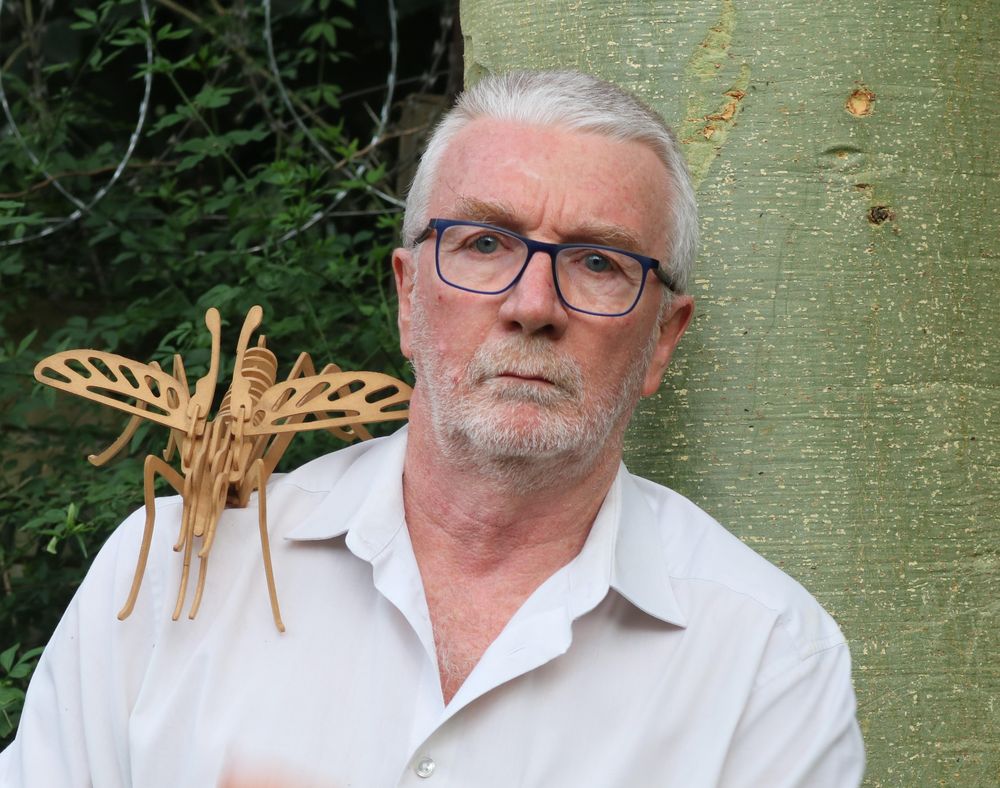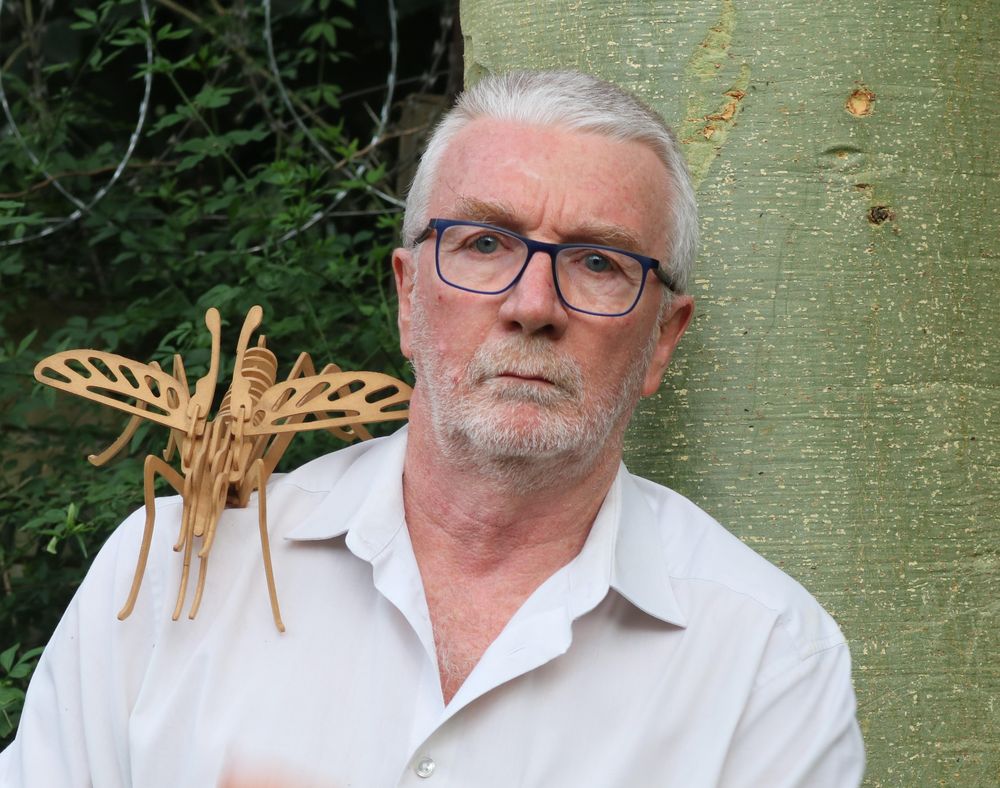
Retired Professor J.P. Dean Goldring has spent the past 40 years working on malaria vaccines and cerebral malaria and, more recently, identifying novel diagnostic targets for rapid malaria tests that detect Plasmodium falciparum, vivax, knowlesi and ovale parasites. During his career, he delivered 6,470 lectures and taught 7,642 students. He currently runs weekly scientific journal article discussions, laboratory meetings and workshops on Scaffolding Exegetic Academic Literacy.
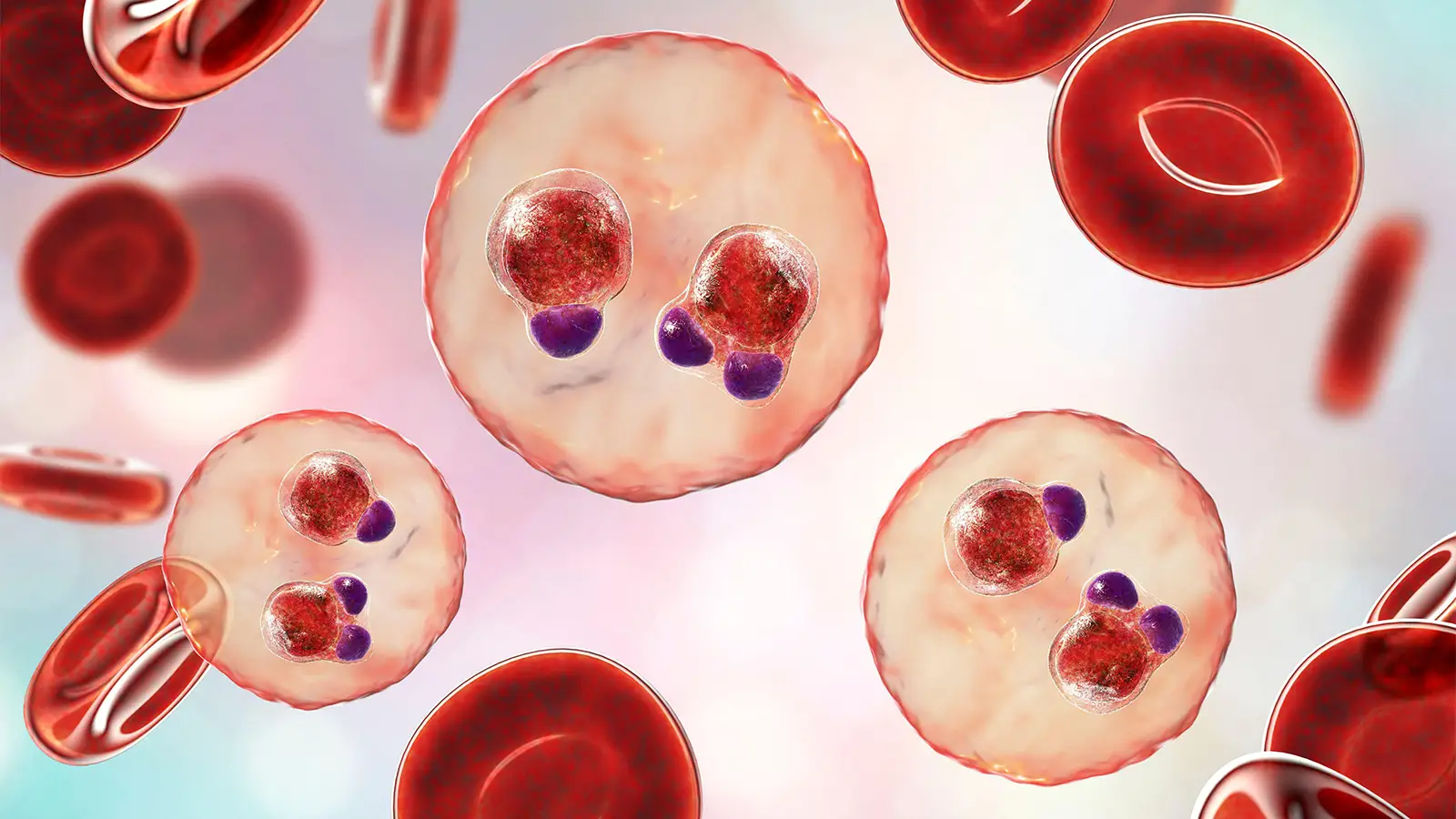
Malaria is caused by a very complex organism (parasite) which has been found in mosquitoes trapped in resin dating back 30 million years. The parasite that causes malaria has therefore been around for many years before our own species. Here, I will explore why the parasites that cause malaria are so difficult to beat.
The disease we know as malaria was once thought to be caused by breathing "bad air" (mal aria) that emanated from swamps. This was not "fake news" but rather a lack of understanding and evidence at the time. As you probably know, swamps and stagnant water are excellent breeding sites for mosquitoes that transmit the Plasmodium parasites that cause the disease.
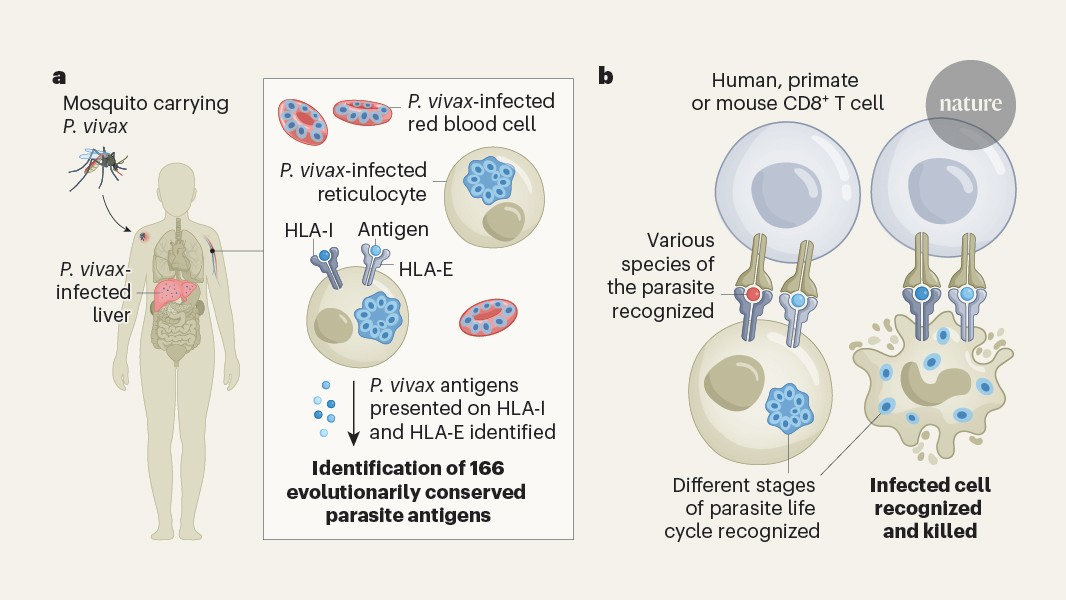
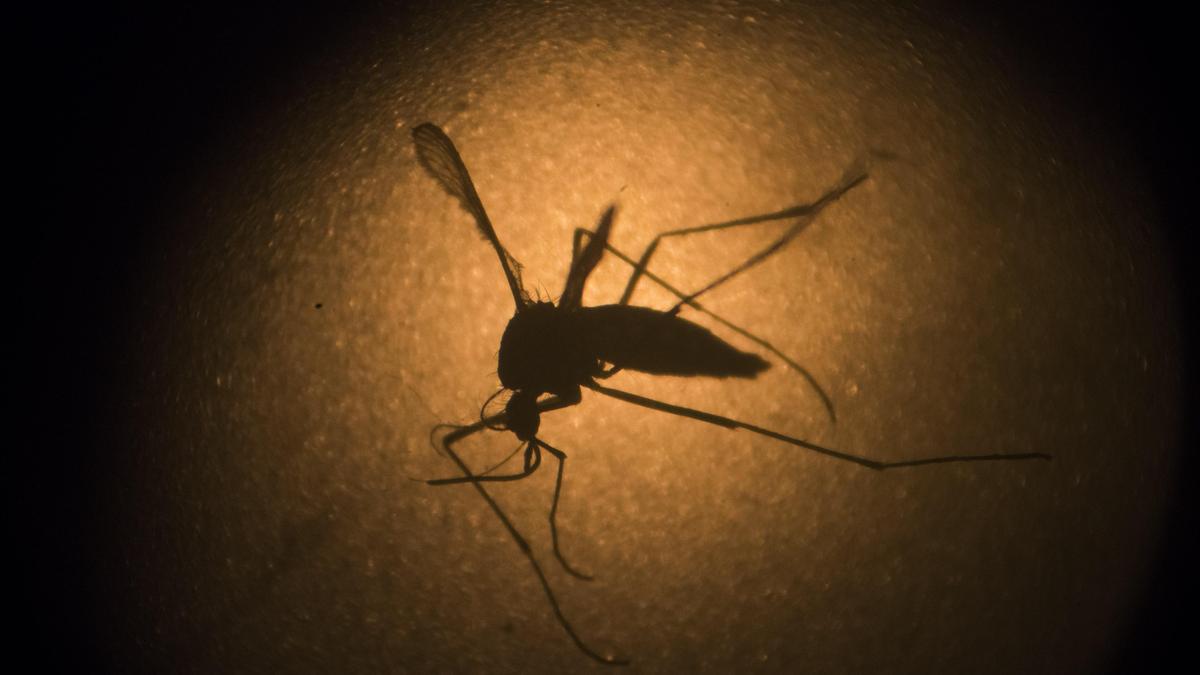
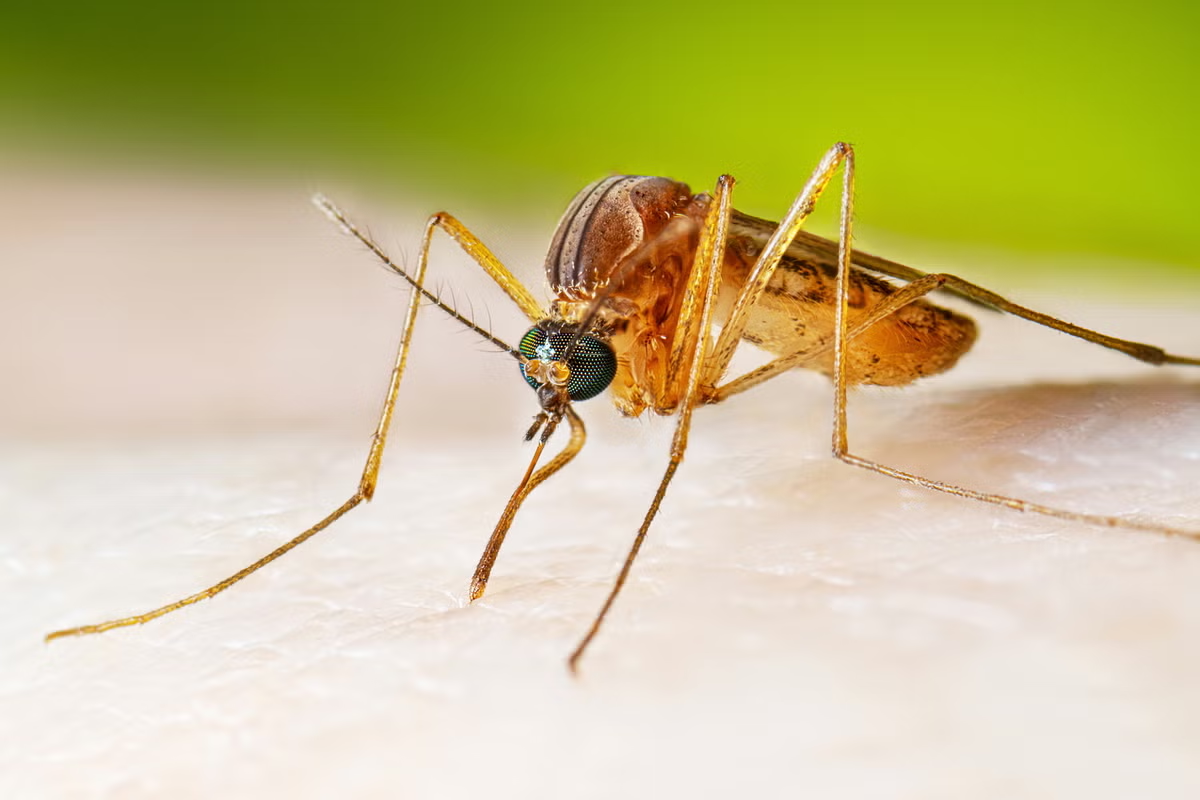
To nourish her developing offspring, the female mosquito needs to feed on blood as an essential rich source of protein, and you and I are the local restaurant. Should she have Plasmodium parasites (sporozoites) in her salivary glands, these are injected into the person she is biting, together with her saliva and proteins that prevent blood clotting while she sucks up her meal.