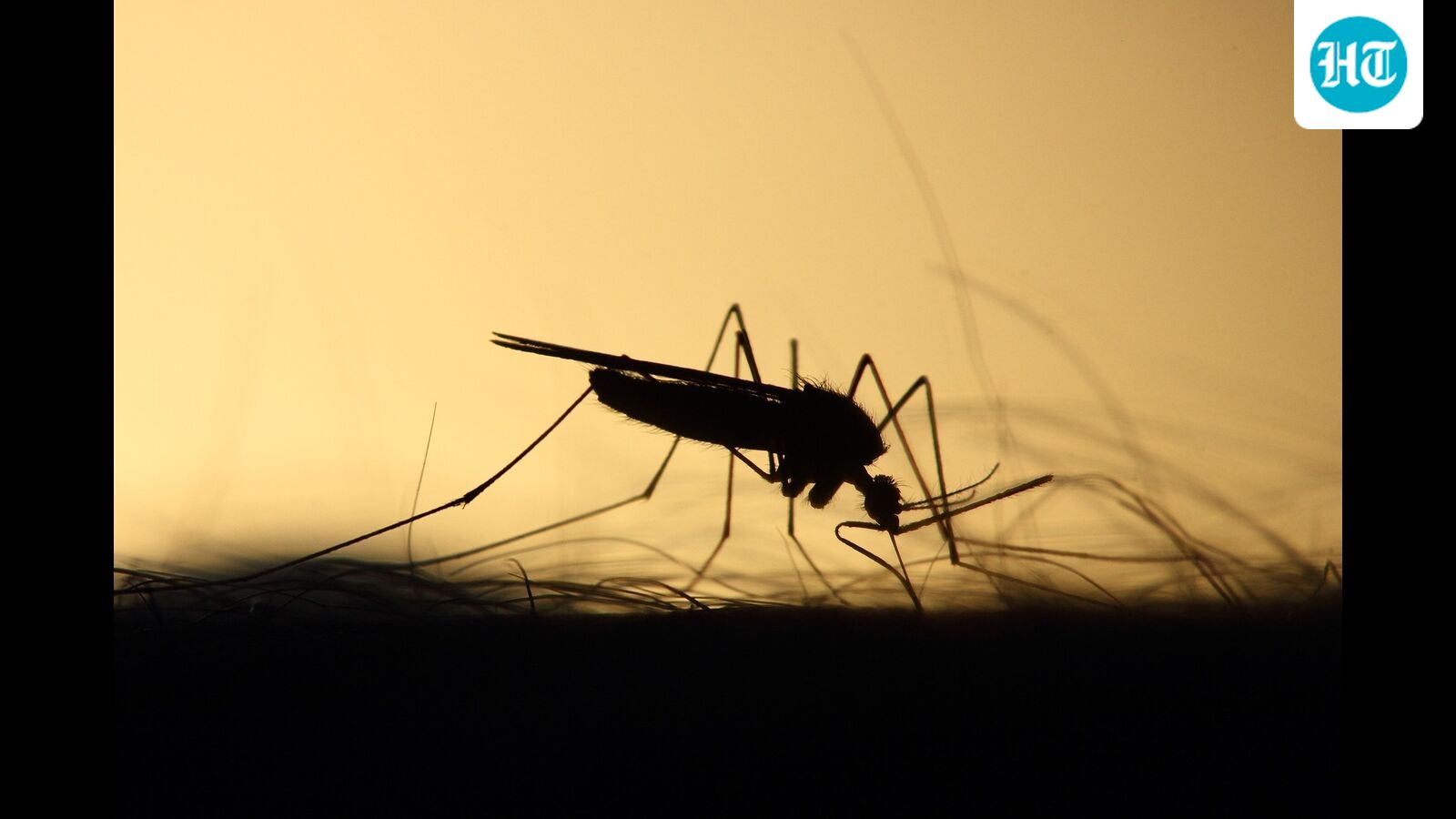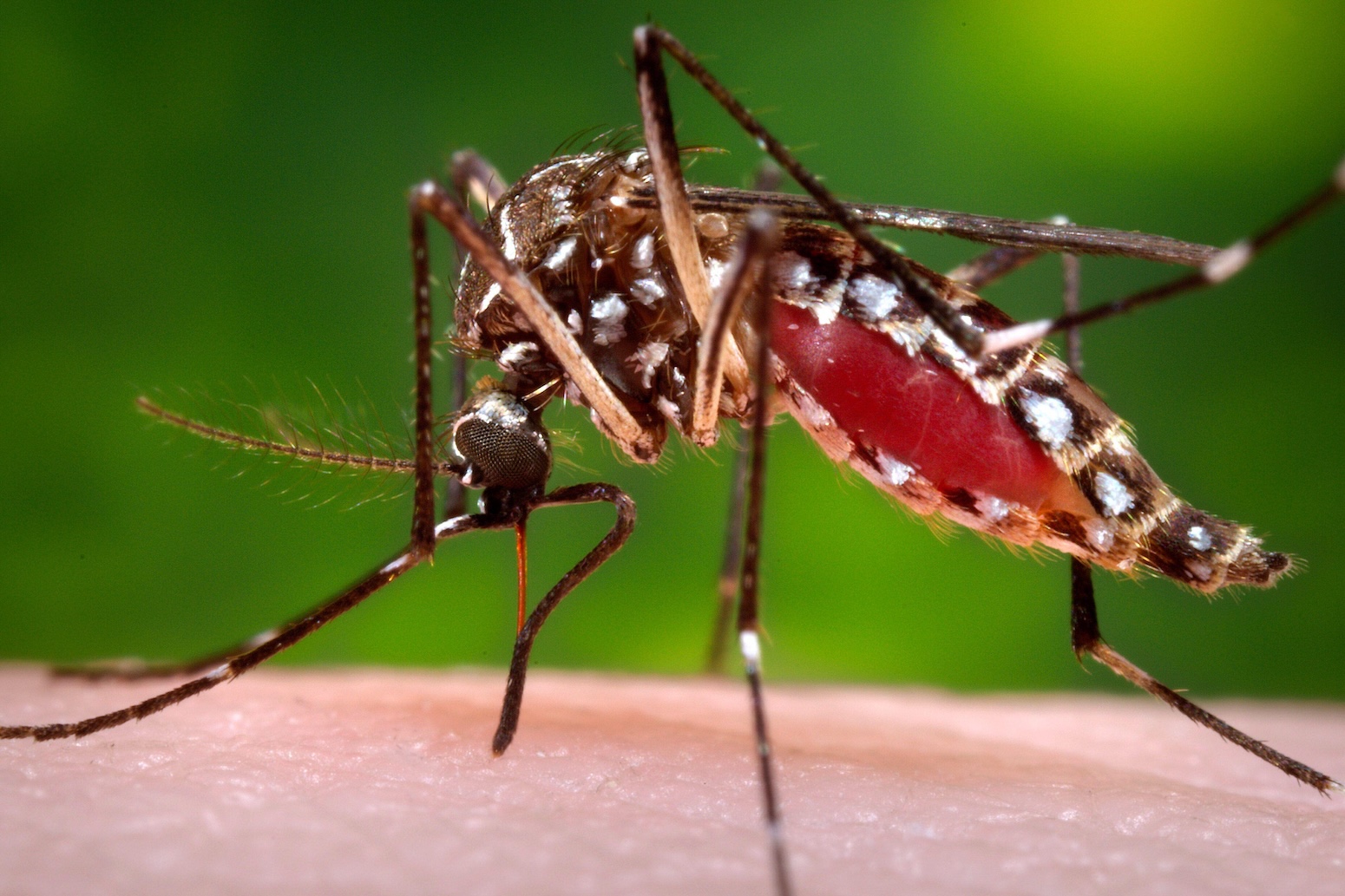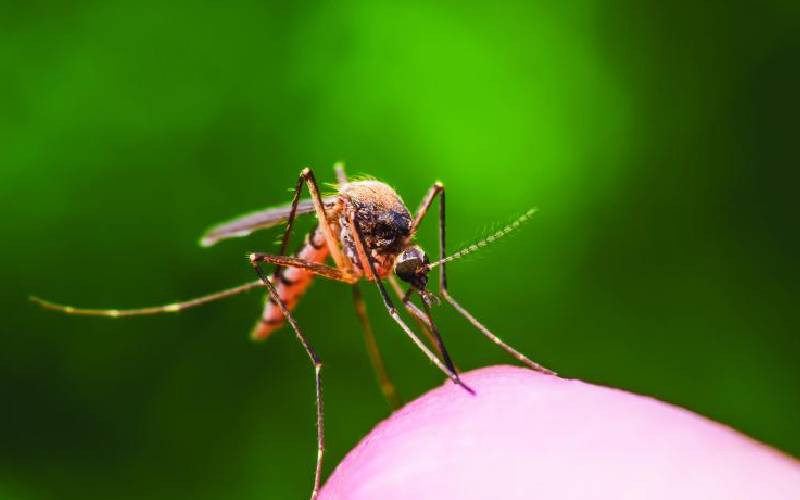
Malaria is estimated to account for 30 per cent of visits to hospitals in Kenya. [Getty]
For generations, many families in Kenya's cool highland counties have regarded malaria as someone else's problem. Unlike communities along the Lake Victoria basin and the Coast, where the disease has remained endemic for decades, people living in higher-altitude regions have largely escaped sustained malaria transmission.
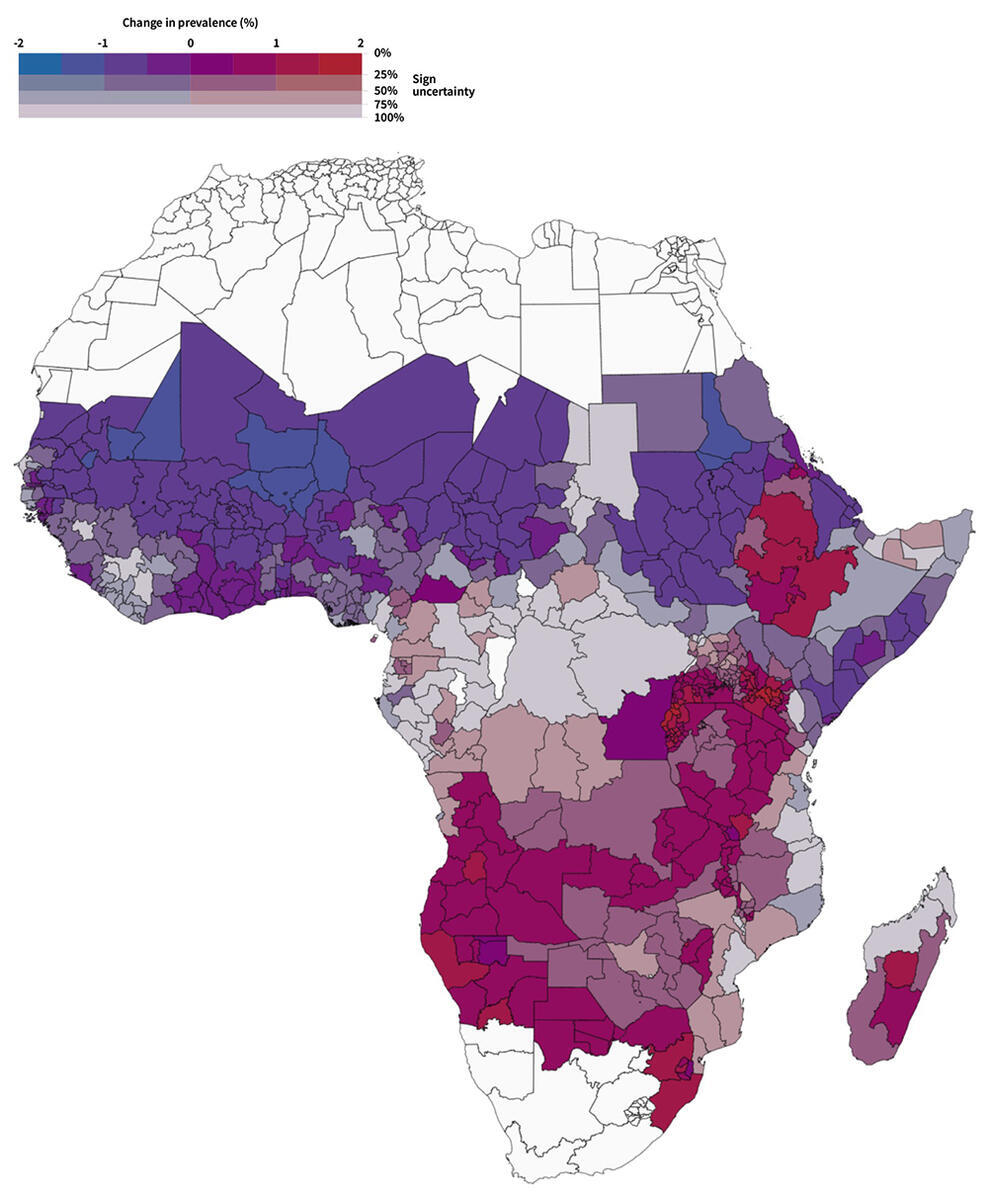
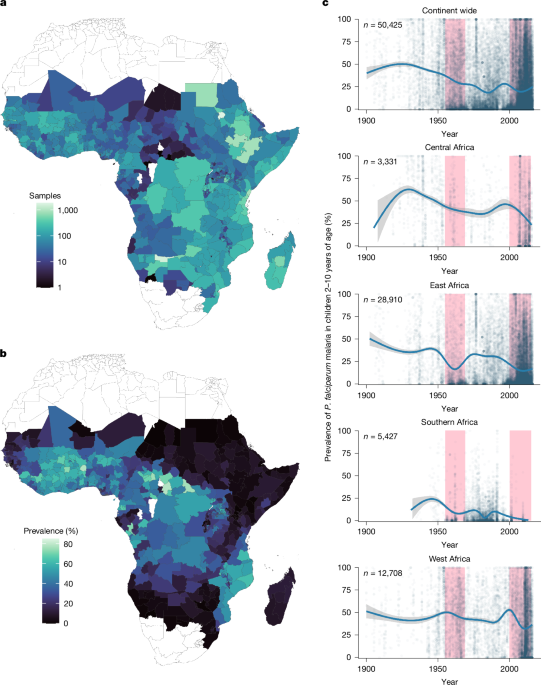
But scientists now warn that this may no longer be the case. A landmark study published in Nature has found that human-caused climate change is gradually shifting malaria into cooler parts of East Africa, including Kenya's highlands, exposing millions of people who have historically faced little risk to a disease that remains one of Africa's biggest child killers.
The researchers say climate change is not simply increasing malaria across Africa. Instead, it is redrawing the disease's map. As temperatures rise, some of Africa's hottest malaria hotspots are becoming too warm for optimal mosquito transmission, while cooler highland regions are becoming increasingly suitable for the mosquitoes and parasites that spread the disease.
Facts First