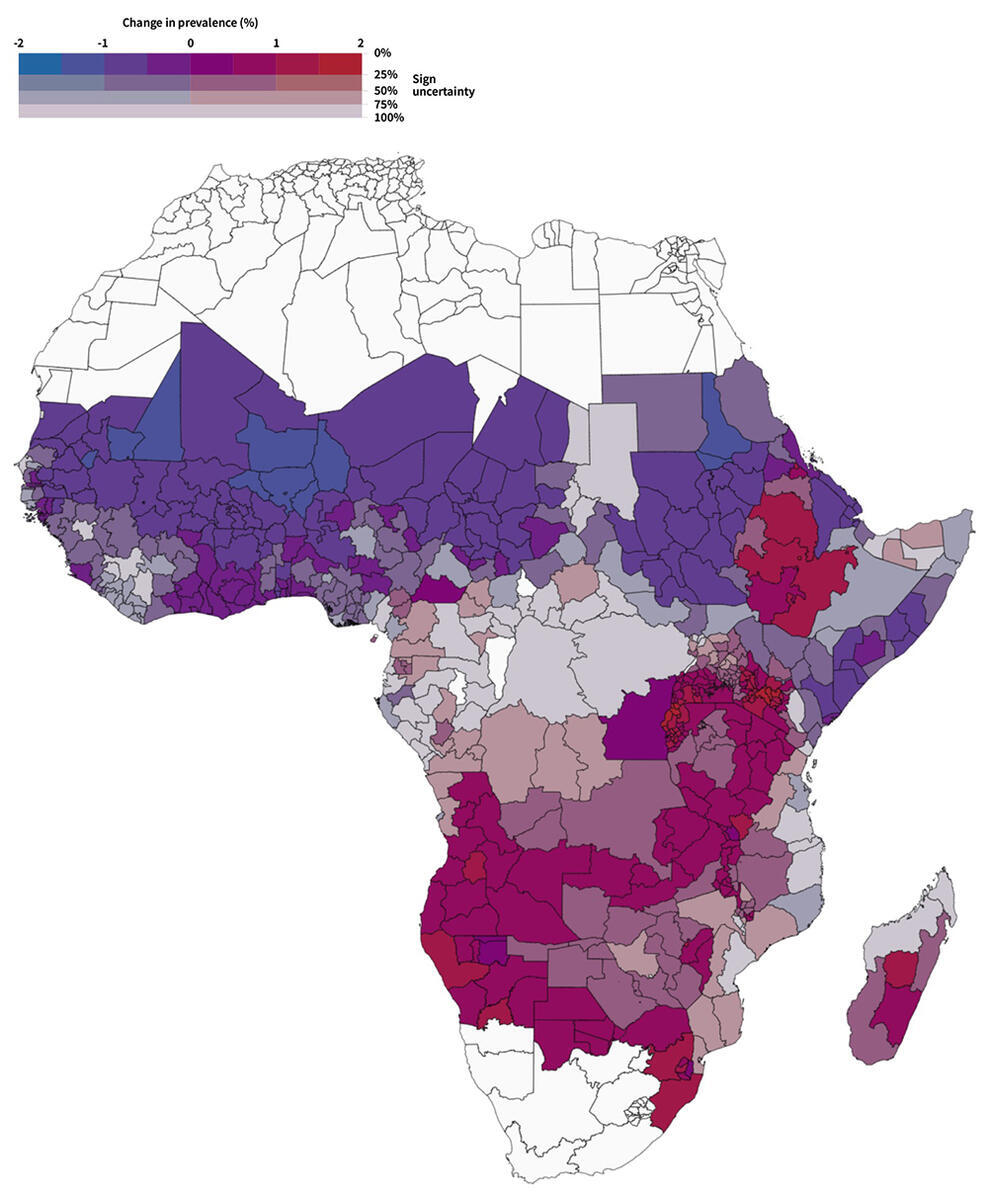
“Climate change isn't just making malaria worse or better—it’s moving it,” says co-author Tamma Carleton, assistant professor in UC Berkeley’s Department of Agricultural & Resource Economics and faculty head of research for the Climate Impact Lab. “Whether a place sees elevated malaria risks or reduced burdens under climate change depends on how hot it is today. We see relief in the current hotspots and new risk nearly everywhere else.”
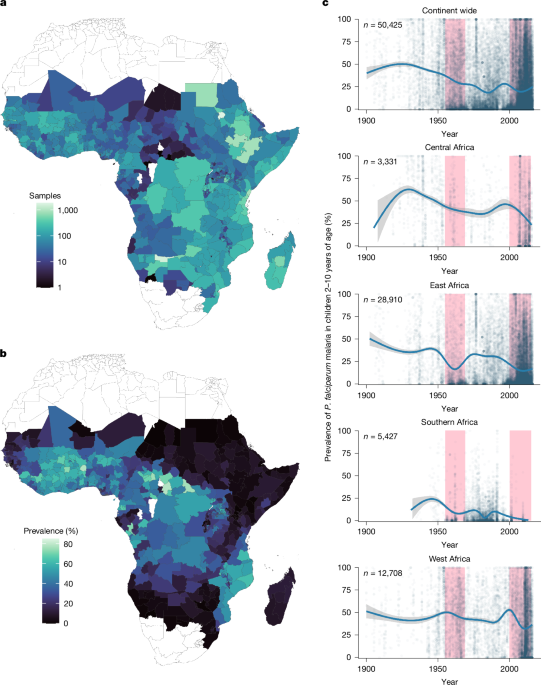
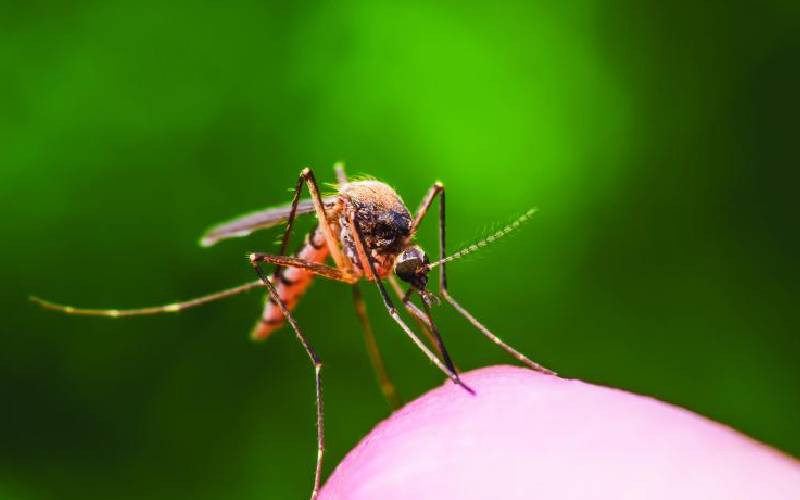
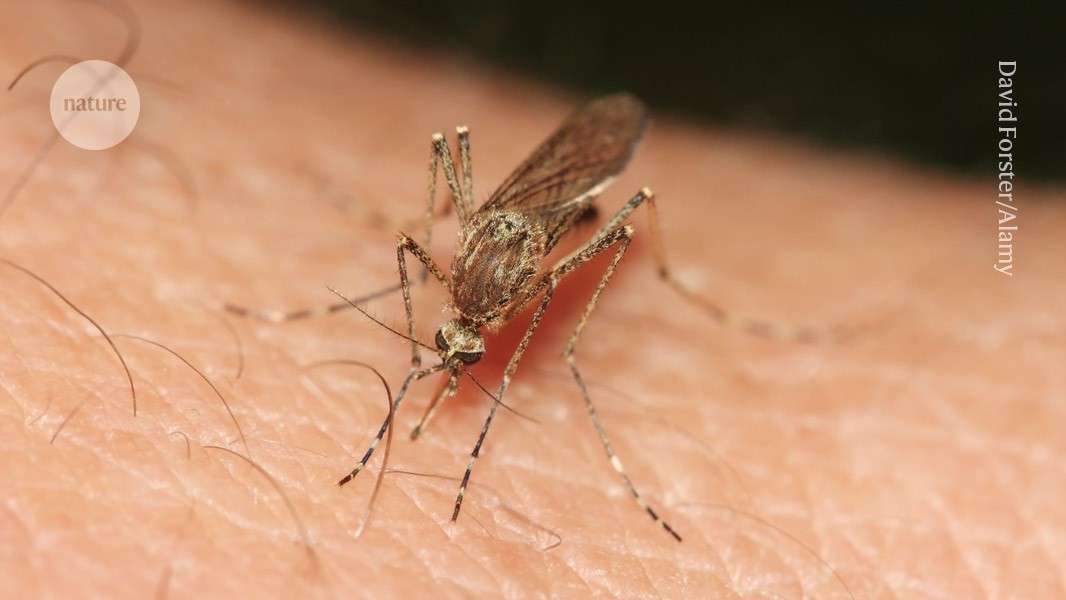
The study finds that climate change has slightly suppressed the spread of the disease in the warm, malaria hotbeds of today, and will continue to as it gets too hot for the disease to flourish—posing other human health threats. This is especially the case in many large West African nations (Nigeria, Burkina Faso, Mali), where climate change will reduce cases by 5 percent. In extremely hot Sahelian countries (Niger, Gambia, Guinea-Bissau, Somalia), the disease may actually be fully eliminated.
The opposite is true for cooler regions where malaria isn’t a significant problem today, such as southern Africa and high-elevation East Africa. In these areas, climate change is slowly making the temperature more suitable for mosquitoes to spread malaria, increasing cases by 5 percent in the Ethiopian highlands (Kenya, Burundi) and by similarly large increases in Angola, Zambia, and northeast South Africa. By 2100, the risk could increase by 20 percent in regions like the Rift Valley and coastal southern Africa, creating new malaria challenges.