HomeAI · summaries
Storia in 4 fonti
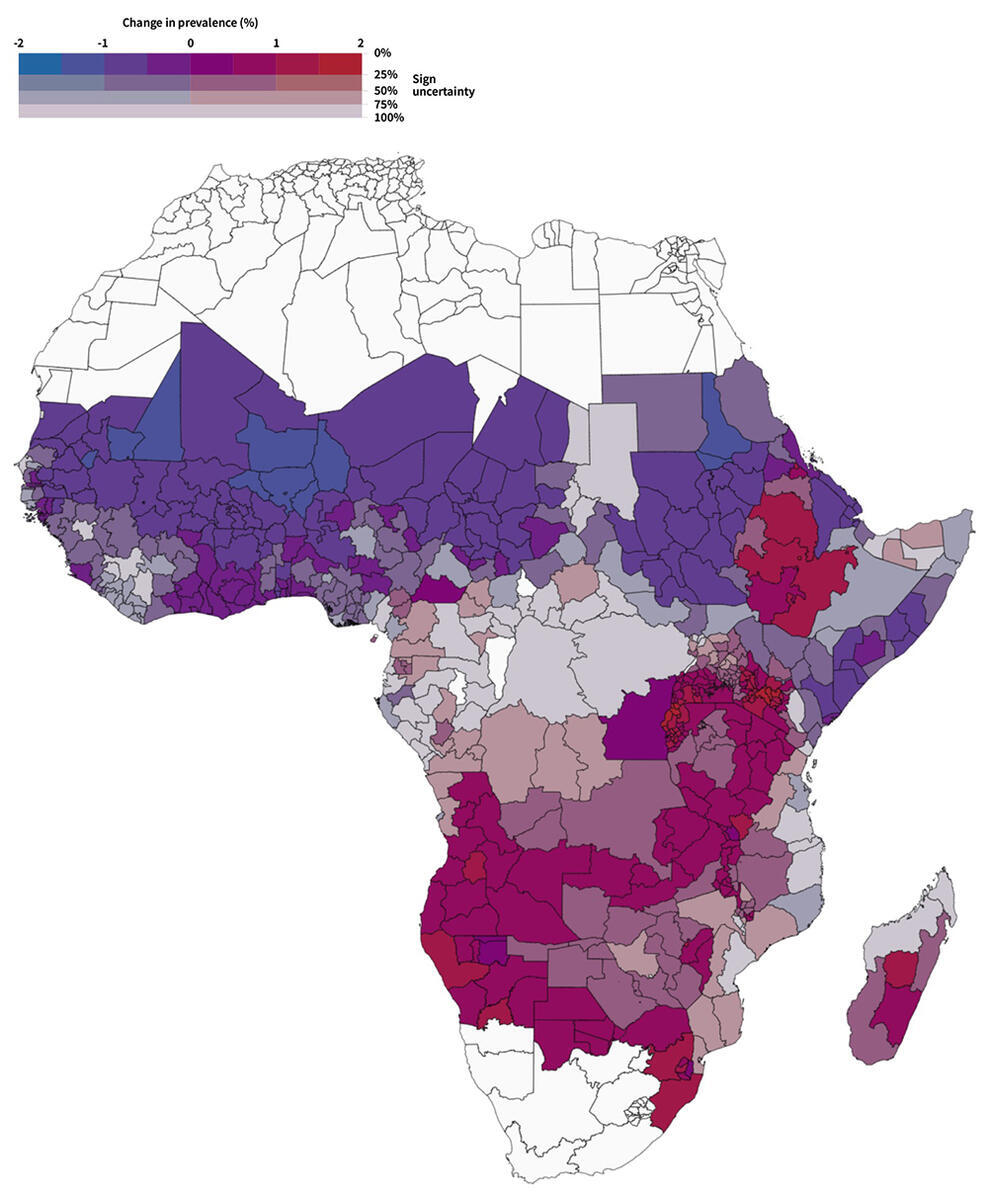
Climate change is redrawing the malaria map in Africa
“Climate change isn't just making malaria worse or better—it’s moving it,” says co-author Tamma Carleton, assistant professor in UC Berkeley’s Department of Agricultural & Resource Economics and faculty head of research for the Climate Impact Lab. “Whether a place sees elevated malaria risks or reduced burdens under climate change depends on how hot it is today. We see relief in the current hotspots and new risk nearly everywhere else.”
Confronto fonti
4 prospettive sulla stessa storiaTimeline cronologica
- ·
nature.com
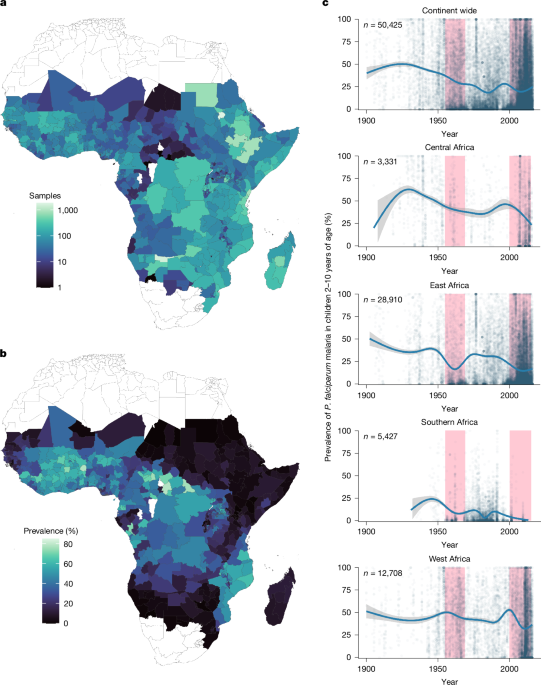
The past and future impact of climate change on childhood malaria in Africa - Nature
Climate and econometric modelling reveal that human-induced climate change is shifting the burden of childhood malaria in Africa.
- ·
news.yale.edu
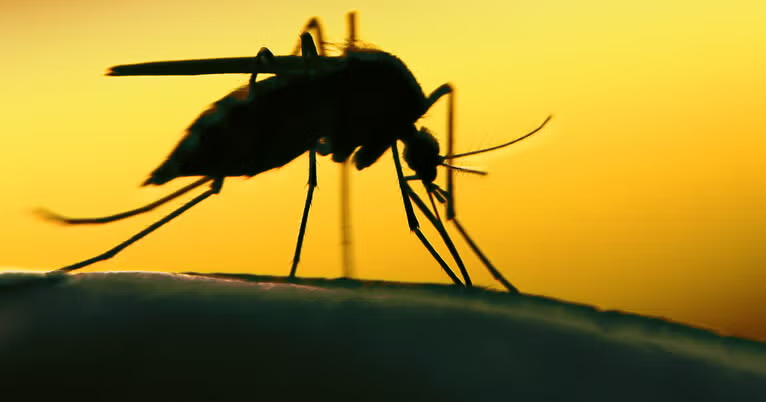
Climate change is likely worsening childhood malaria, study finds
In a new study, Yale researchers found that hot temperatures and extreme precipitation are probably increasing the prevalence of malaria in parts of Africa.