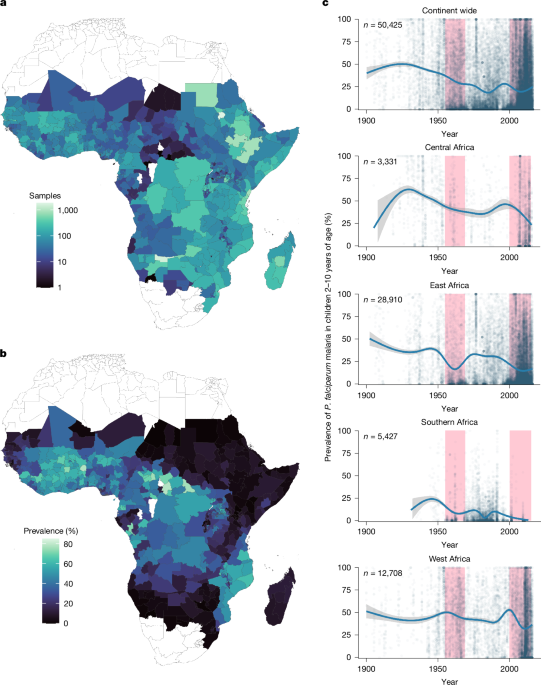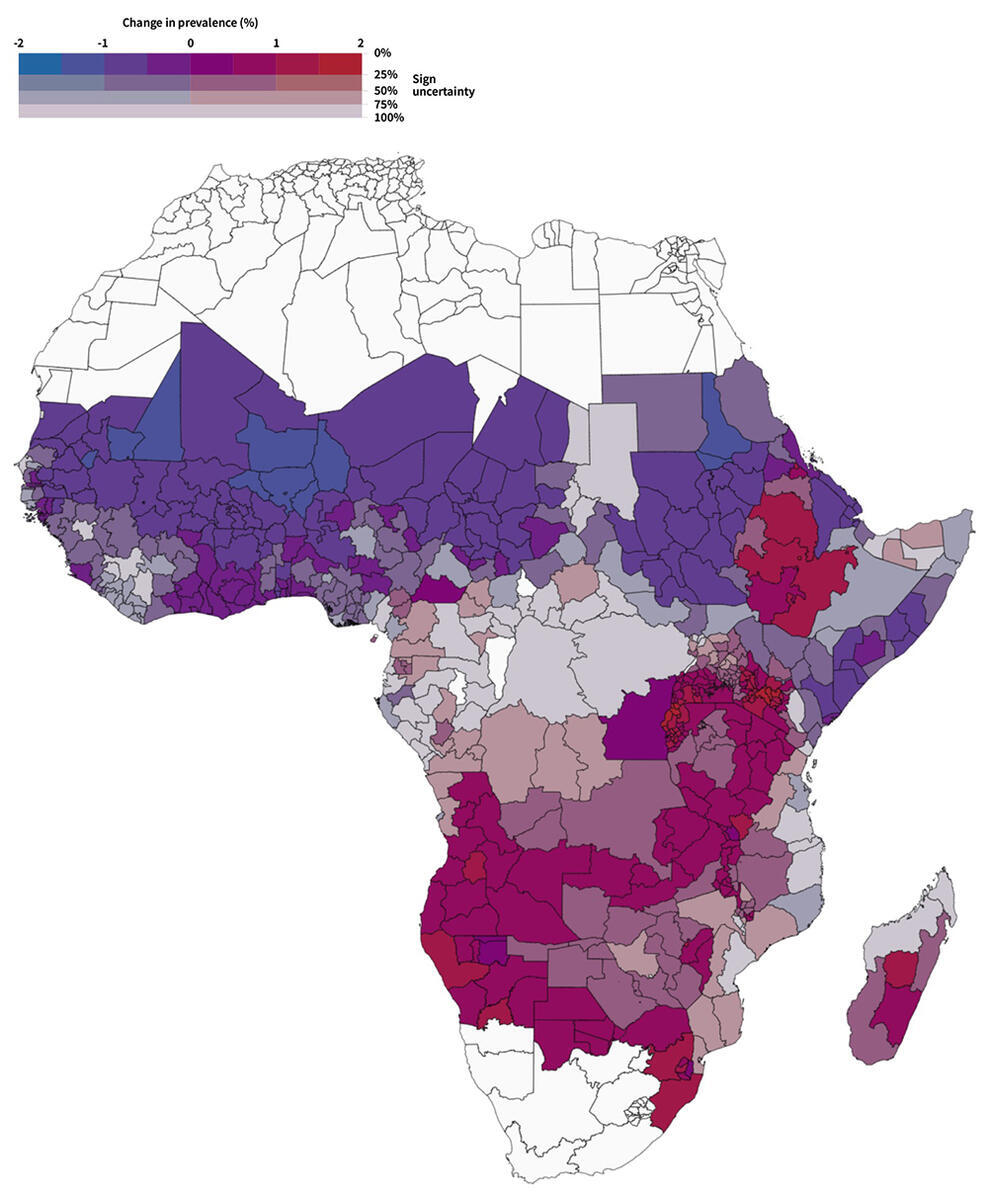
It’s been more than two decades since scientists first reported that a warming climate was responsible for malaria epidemics in the mountains of Kenya and Ethiopia, making it one of the first diseases linked to climate change. But after years of debate, it has remained unclear whether climate change is indeed making malaria worse.In a new study, Yale researchers are getting closer to an answer. They concluded that climate change has probably increased the burden of childhood malaria in parts of Africa. But ongoing efforts to eradicate malaria have overwhelmingly countered the overall impact — by roughly a 200-fold margin.“Reducing greenhouse gas emissions will save the lives of children in cooler parts of Africa, and malaria eradication will protect everyone — and is still definitely possible in a warmer world,” said Colin Carlson, assistant professor of epidemiology (microbial diseases) at the Yale School of Public Health and corresponding author of the new study.
Is malaria linked with climate change?Malaria was one of the first diseases linked to climate change. The debate about climate change and malaria goes back decades, but scientists have found further evidence that climate change is redistributing malaria risk across Africa.How is climate change affecting malaria?Yale researchers have concluded that climate change has probably increased the burden of childhood malaria in parts of Africa. But so far, malaria eradication has been countering the overall impact, by roughly a 200-fold margin. What is impact attribution?Impact attribution is a toolkit that measures impacts of climate change on things like human health by simulating alternate worlds without climate change and comparing them to the world we live in.