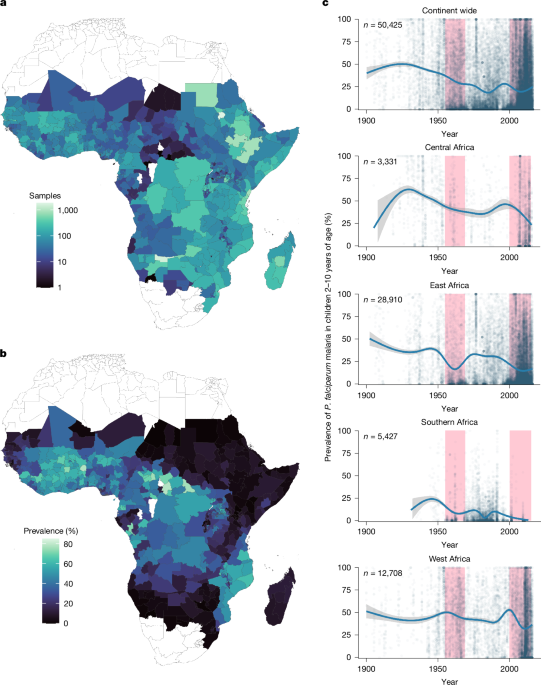
For decades, global efforts towards the eradication of malaria, especially in sub-Saharan Africa, have focused essentially on West and Central Africa where the disease is most endemic.
The WHO African Region accounts for about 95% of global malaria cases and deaths. More than half of all malaria deaths in the region occur in Nigeria (31.9%), the Democratic Republic of Congo (11.7%) and Niger (6.1%). Children under 5 years of age account for about 76% of malaria deaths in the region.
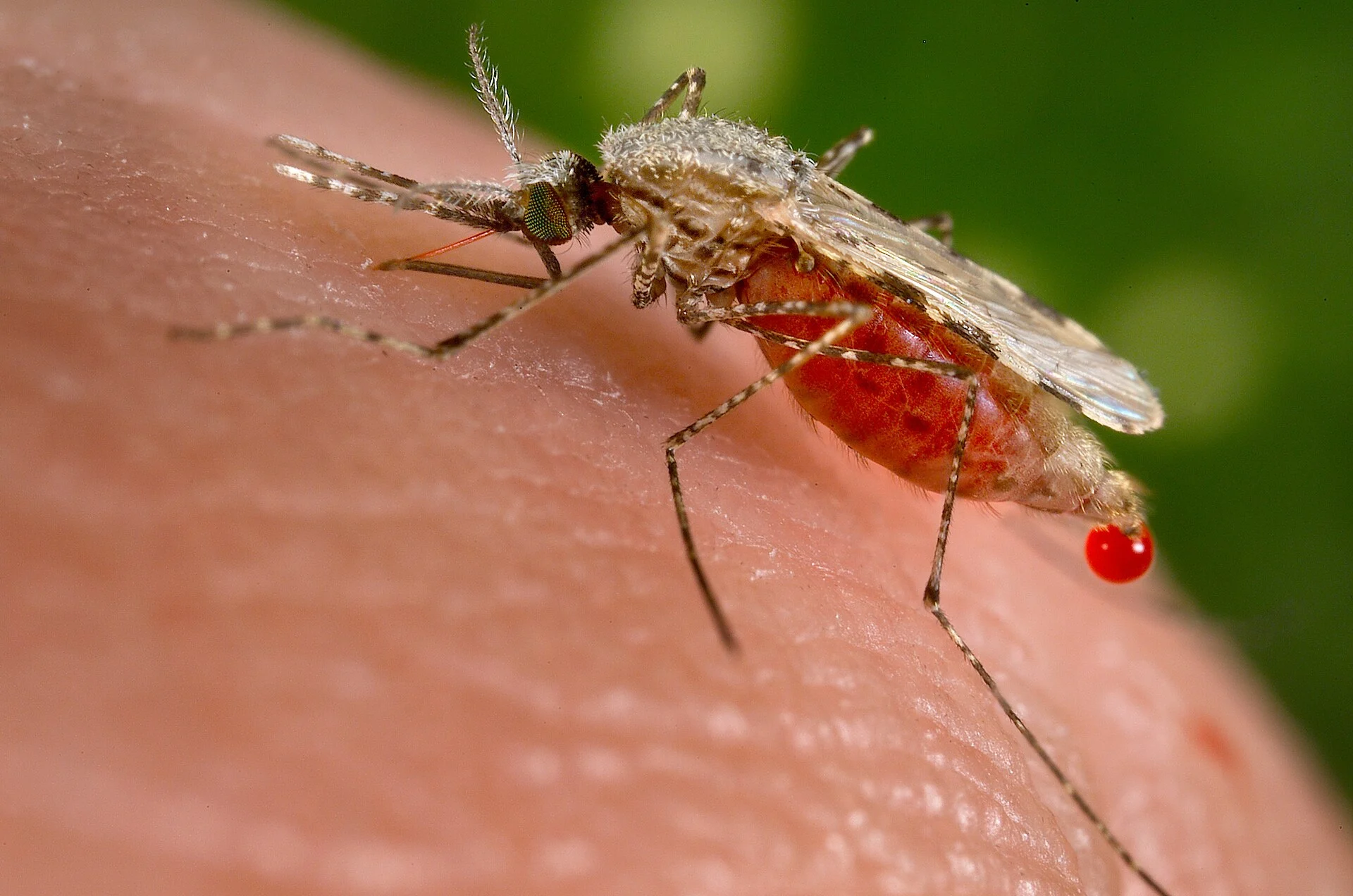
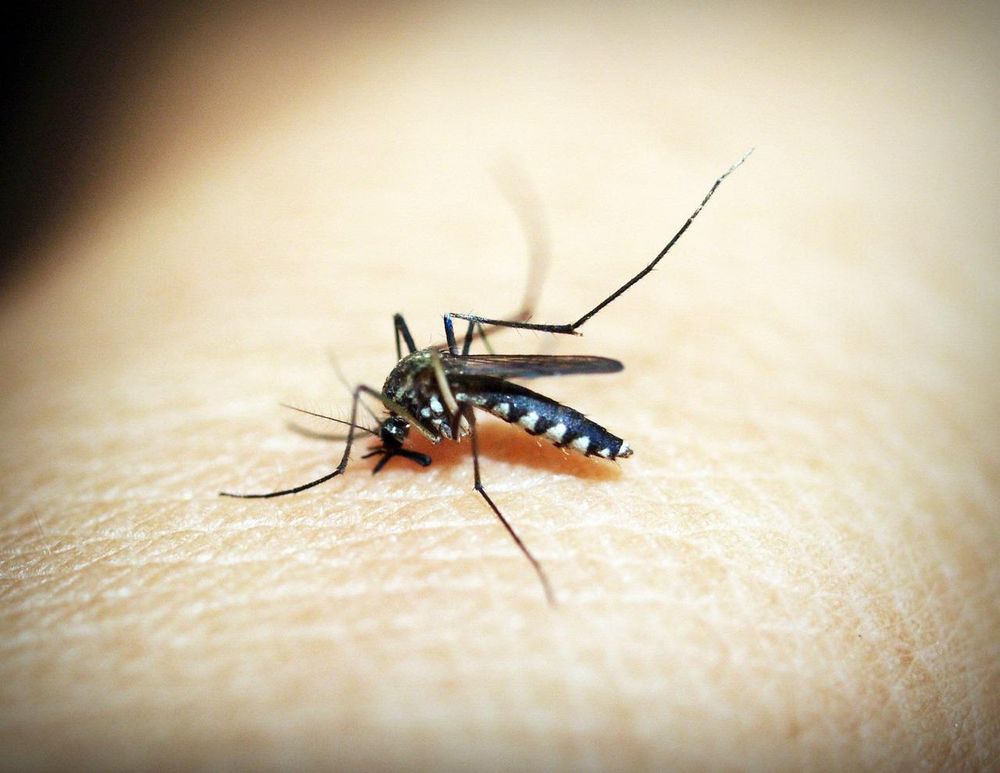
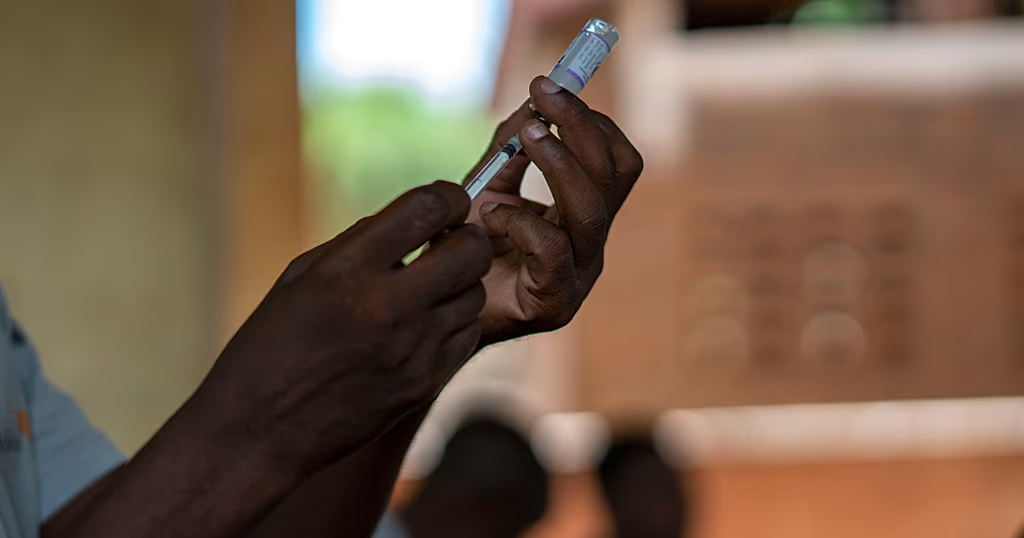
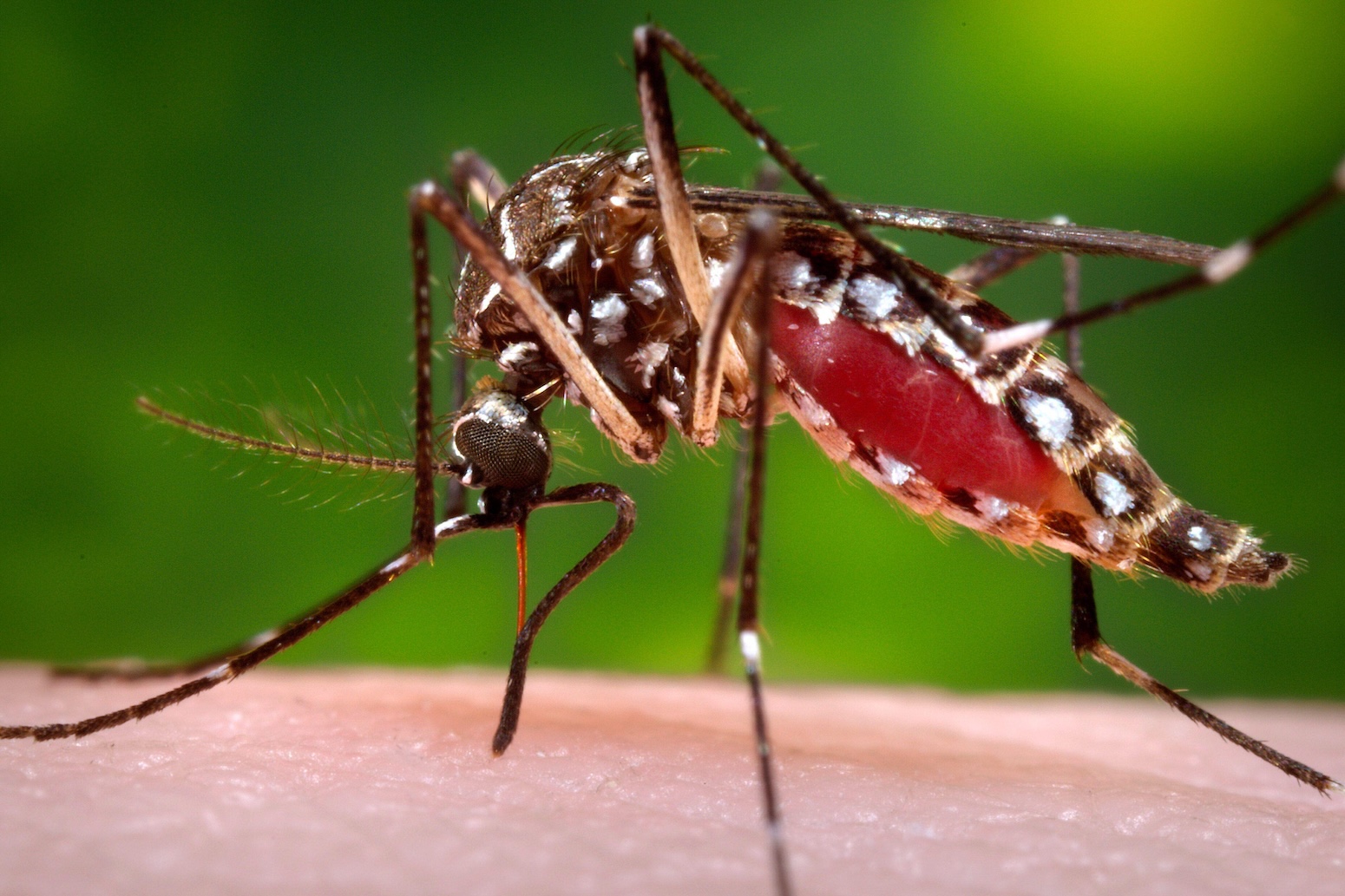
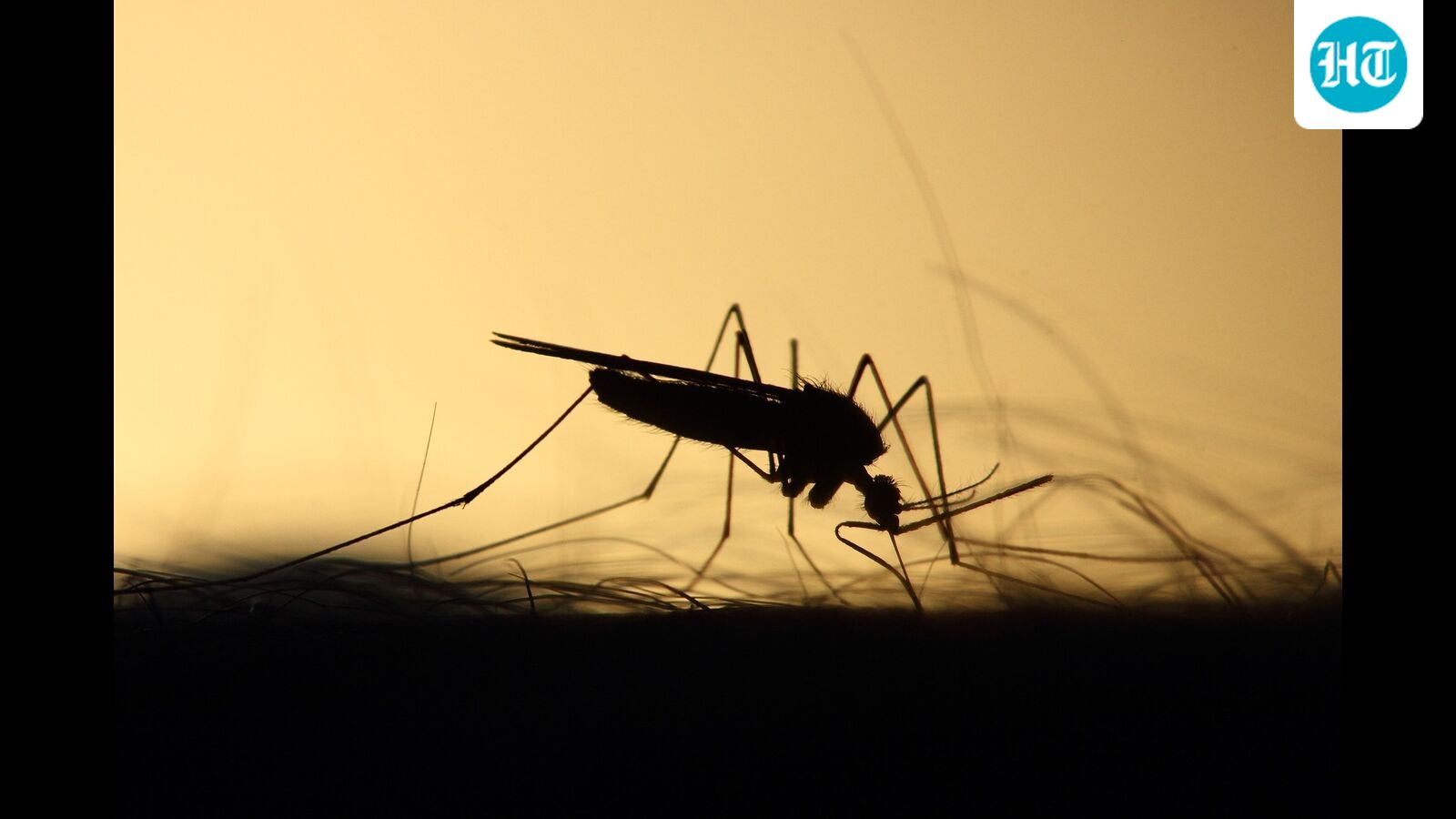
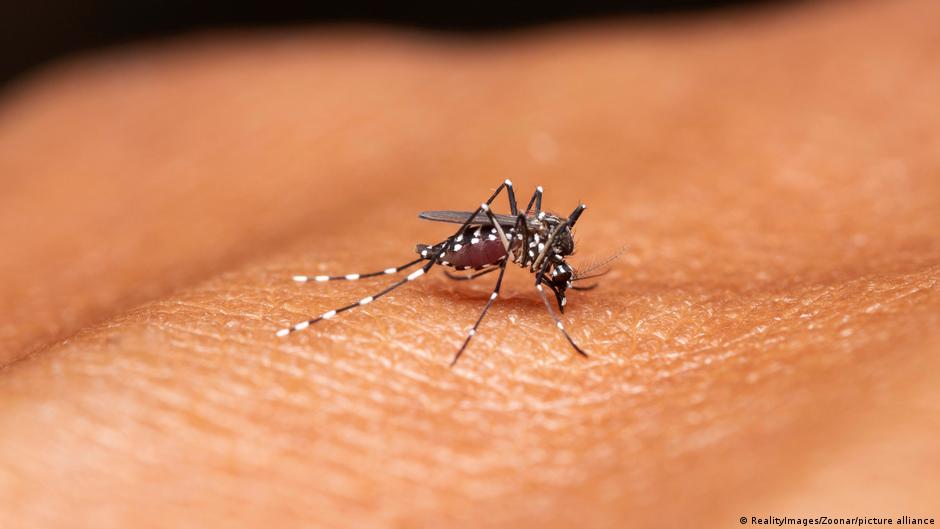
To stem the tide of malaria cases across Africa, the global health body has recommended a wider use of the RTS,S/AS01 malaria vaccine among children living in regions with moderate to high malaria transmission by the Plasmodium falciparum — a parasite that causes 95% of all malaria infections in Africa. It's transmitted to humans through the bites of infected female Anopheles mosquitoes.
The WHO warned in April 2025 that recent funding cuts were jeopardising malaria control efforts, with more than half of malaria-endemic countries surveyed reporting moderate or severe disruptions to malaria services.
A study published in The Lancet found that the RTS,S/AS01 malaria vaccine reduced all-cause mortality among vaccine-eligible children by 13.2% in pilot programmes in Ghana, Kenya and Malawi.