Climate change is poised to expose more people to malaria in cooler parts of Africa by the end of the century, with cases potentially rising as much as 20% in coastal southern Africa, according to a new study published in Nature.
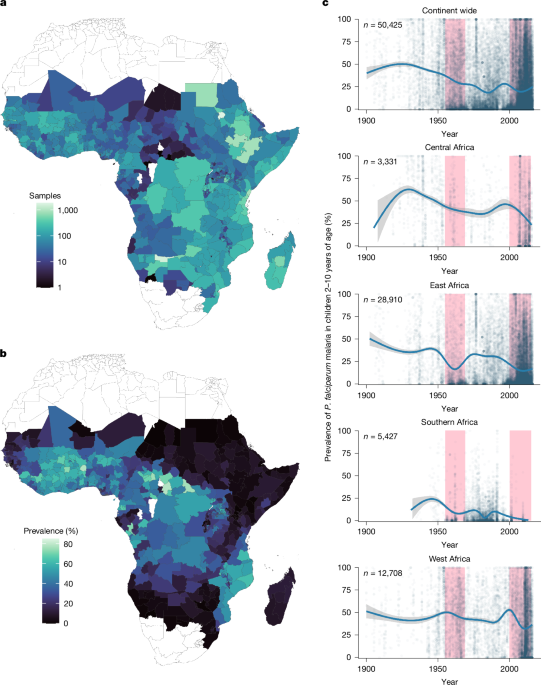
By 2050, rising temperatures are projected to expand the range of malaria-carrying mosquitoes into cooler parts of southern and eastern Africa, increasing cases by about 5% in the East African highlands — including parts of Kenya and Ethiopia — as well as in Angola, Zambia and eastern South Africa, the study found.
The reverse is expected in some of Africa’s hottest regions, where transmission is projected to fall by about 5% in countries including Nigeria, Burkina Faso and Mali. In parts of the Sahel, conditions may become too hot for mosquitoes to survive, potentially eliminating the disease altogether.
In South Africa, far more children are at risk of contracting the disease, with three northeastern provinces most vulnerable, said Christopher Trisos, director of the Climate Risk Lab at the University of Cape Town and a co-author of the study.
“South Africa and its global health partners need to prepare local malaria control and health systems now for this growing risk,” Trisos said.