Story audio is generated using AI
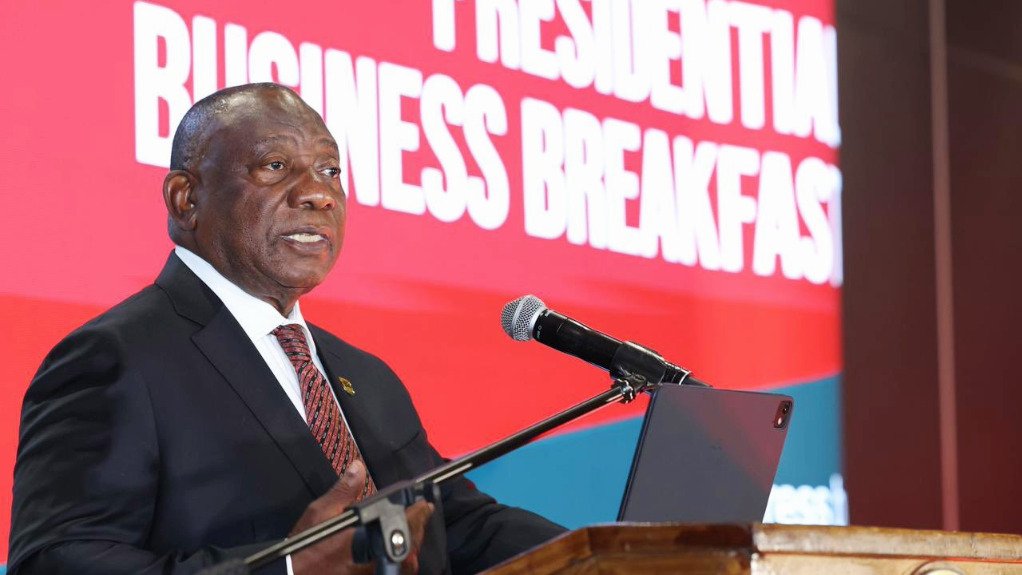
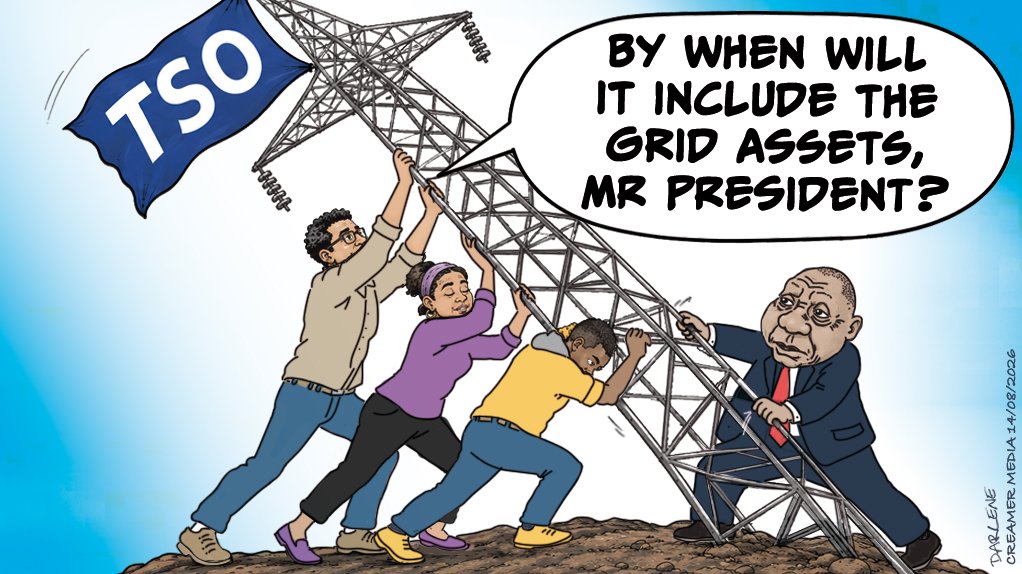
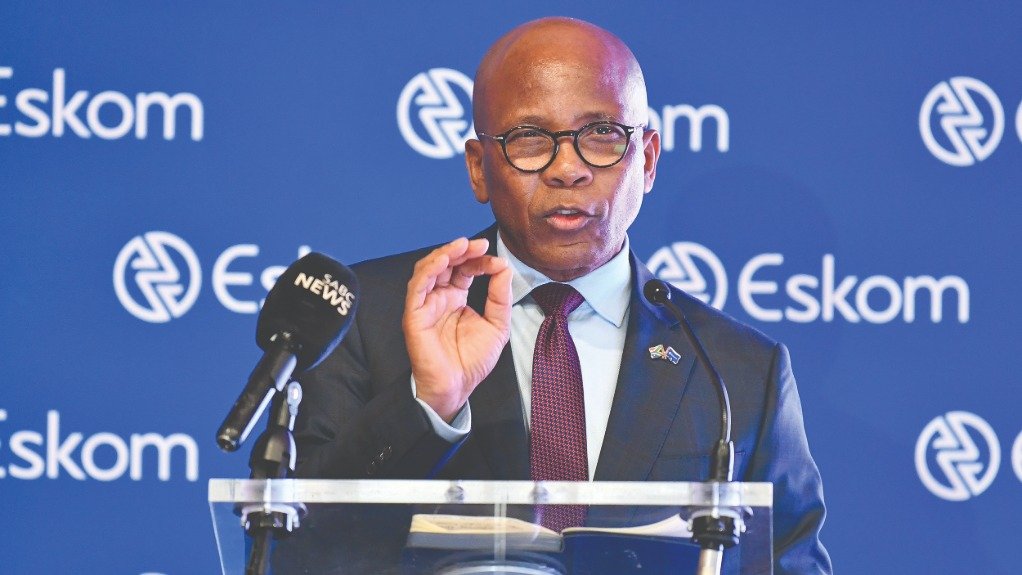
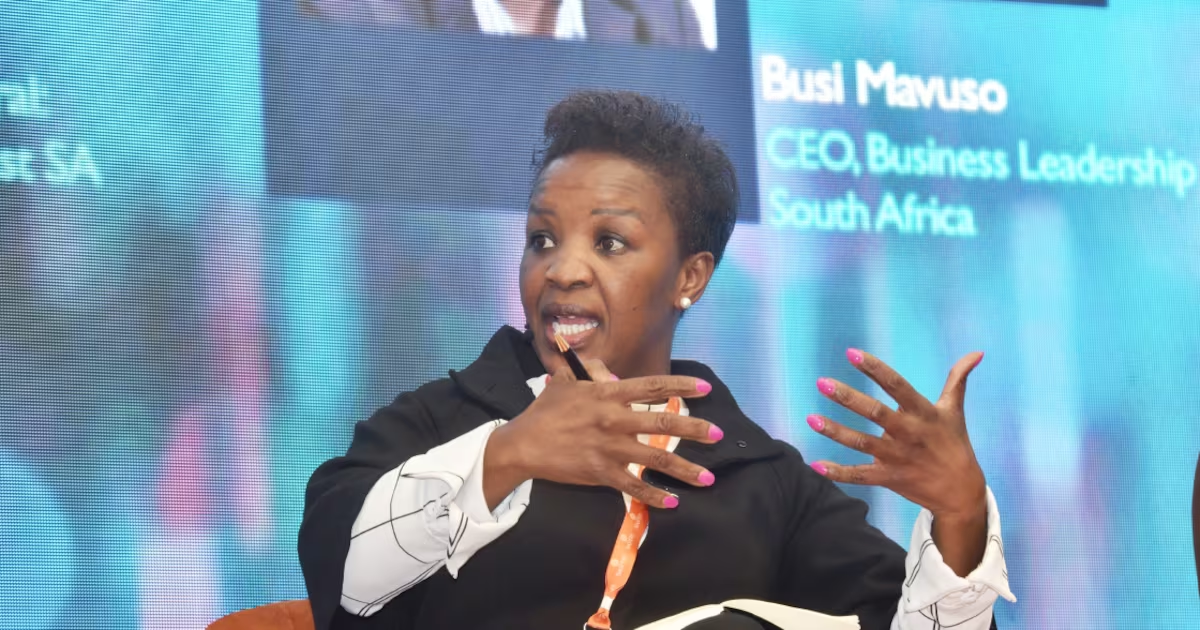
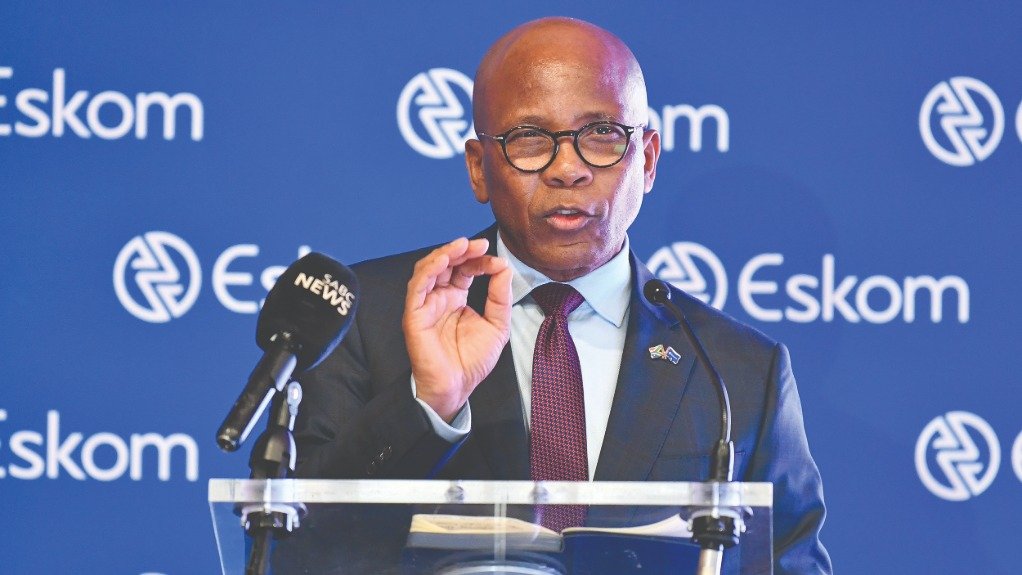
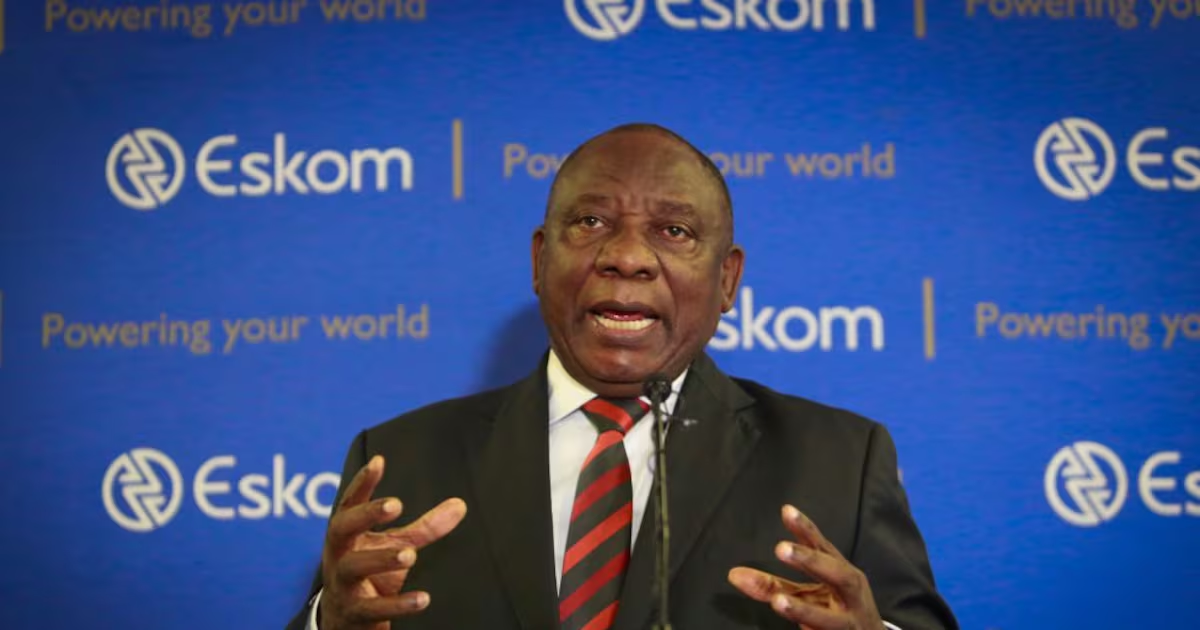
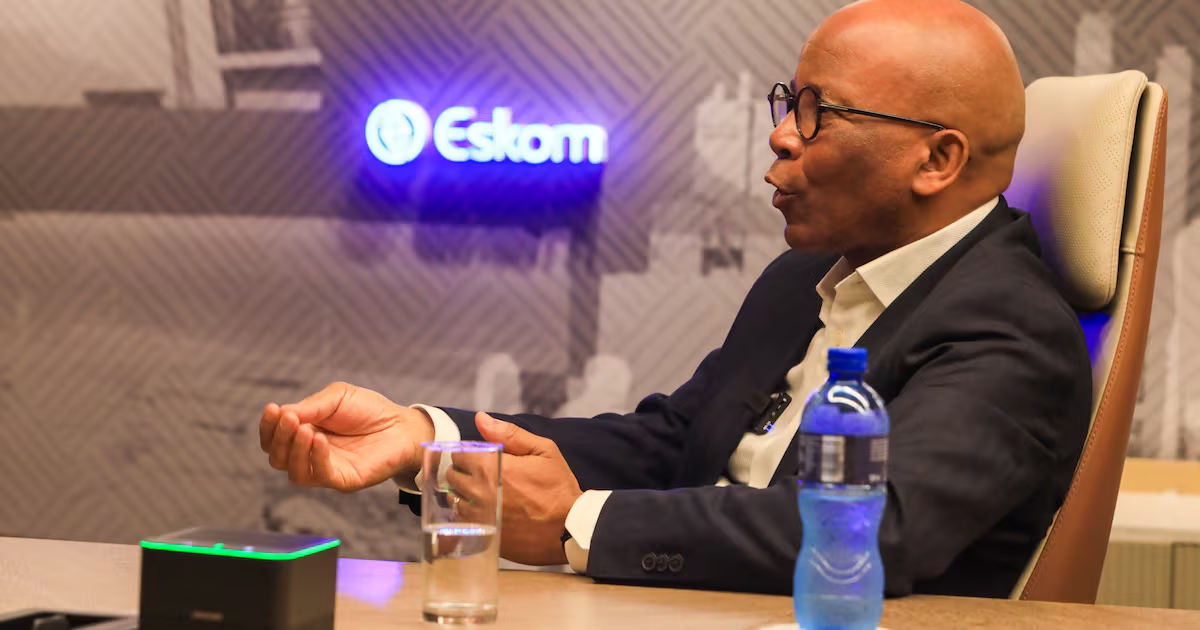
On July 31, President Cyril Ramaphosa endorsed the phase 1 report of the Eskom restructuring task team, reaffirming that South Africa’s new transmission system operator (TSO) must not merely operate the grid but own it outright. Eskom’s response, through board chair Mteto Nyati, was telling: the board shared the president’s vision but only “at the appropriate point in the future”. That phrase captures this article’s argument. South Africa is racing towards a consequential restructuring of state infrastructure without answering the basic question of sequencing — not whether this should happen but whether Eskom can survive it happening now and in this manner. As the South African Youth Council, we did not support splitting Eskom into separate entities for generation, transmission and distribution. The historical record elsewhere is not reassuring. Nuclear engineer Hügo Kruger, presenting to parliament’s energy portfolio committee last year, pointed to Zimbabwe, Lebanon and 1990s Russia, where unbundling had to be partially reversed after it degraded system performance. Vertical integration let Eskom cross-subsidise across generation, transmission and distribution; plan network reinforcement and generation adequacy as one system; and manage inertia, frequency regulation and reserve margins under a single command, precisely the co-ordination that splitting ownership risks fragmenting. That debate is nonetheless settled in law. The amended Electricity Regulation Act, in force since early 2025, sets a firm five-year window for an independent transmission and market operator and the wholesale electricity market. There is no realistic route to reversing operative legislation. The task now is ensuring implementation doesn’t repeat the mistakes of utilities that unbundled recklessly and paid for it in blackouts and debt spirals. Accepting the law does not mean accepting the pace some want. The act gives the government five years; it does not require compressing careful sequencing into a single pronouncement. Yet that has been the pattern. In December 2025, Eskom proposed retaining transmission assets inside the National Transmission Company South Africa while hiving off only market and system operator functions. Ramaphosa rejected that, insisting the new TSO must also own the physical network, a demand repeated on July 31 and framed as removing an “inherent conflict of interest”. That is not resistance to reform, but refusal to be pushed off a cliff for ideological tidinessNyati’s statement said what officials rarely say about their own shareholder: the board, not the Presidency, must drive the timing since it carries fiduciary responsibility for solvency. He insisted phase 2 must safeguard “lender requirements, financing arrangements and contractual obligations” before any asset changes hands, warning the transfer is “a material event for Eskom’s lenders” capable of triggering cross-default clauses on roughly R400bn-plus of debt if mishandled. That is not resistance to reform but refusal to be pushed off a cliff for ideological tidiness. This echoes a familiar fight. Then minister Gwede Mantashe resisted lifting the generation licensing threshold for private producers for years, relenting only after the president, in his own words, “twisted his arm”. Mantashe has long argued Eskom must be “redirected and managed properly”, not dismantled to satisfy investors who bore none of the sunk cost of the fleet. The loudest voice for accelerated, full asset transfer has been Business Leadership South Africa, whose chief executive Busisiwe Mavuso welcomed Ramaphosa’s endorsement. That interest is not disinterested. An asset-owning TSO, ring-fenced from Eskom’s caution, accelerates a competitive market in which independent power producers (IPPs) can wheel power to corporate off-takers on equal footing with the fleet Eskom itself built and paid for. Read: NUM threatens legal action over Eskom restructuringThis may suit large industrial users contracting directly with private generators. It is far less obviously good for households and small businesses on Eskom tariffs, who have already absorbed years of above-inflation increases. None of this argues for standing still. The law has changed, and the clock is running. Eskom’s phase 1 task team has reportedly confirmed a state-owned TSO can be established without compromising financial sustainability, provided implementation follows the sequenced, stage-gated approach Nyati has outlined. South Africa’s youth, who will inherit both debt and grid, have the greatest stake in getting the sequencing right. A default triggered by lenders partway through unbundling would damage jobs and competitiveness far more than a further period of careful, board-led implementation. Eskom’s grid is not the first strategic state asset put on the auction block. The government has attempted to sell a 51% stake in SAA, partly privatised freight rail via Transnet corridor slots handed to private operators, and now risks the national grid passing out of state control. Each time the justification is near identical: financial distress, the need for private capital, reform that cannot wait. Repeated across SAA, Transnet and Eskom, this looks less like crisis management and more like a habit of handing infrastructure to private balance sheets rather than fixing the institutions meant to run it. That is a trend South Africans, especially the young, should reject. • Ntombela is vice-president of the South African Youth Economic Council.