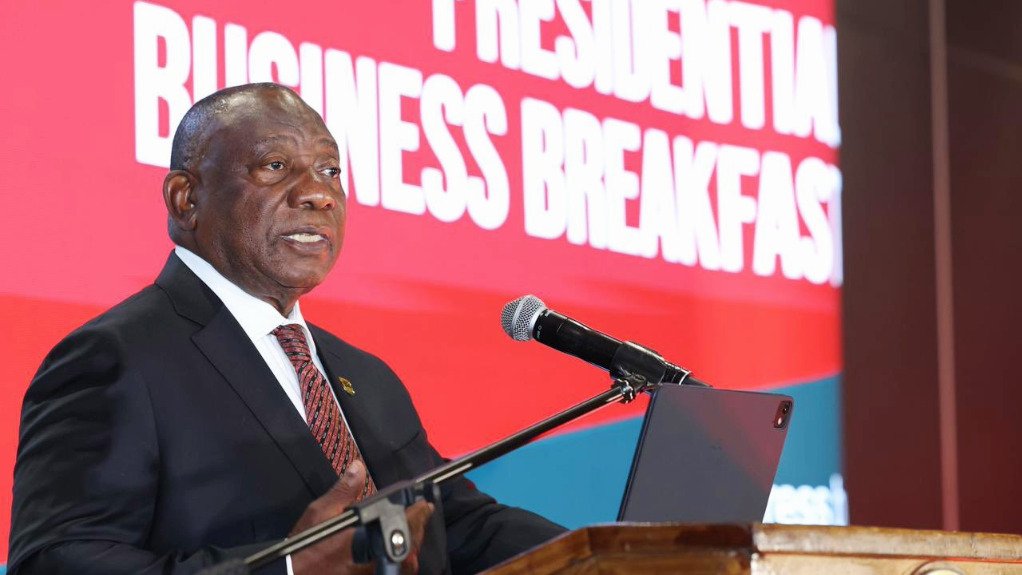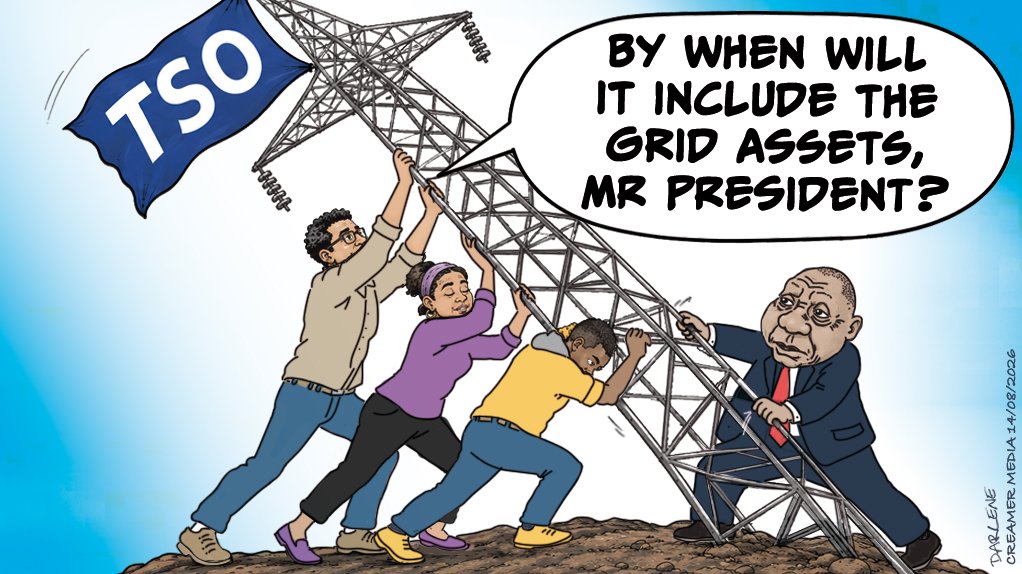
This article has been supplied.President Cyril Ramaphosa’s endorsement of the Phase I report of the Eskom Restructuring Task Team (ERTT) marks a significant step towards an independent Transmission System Operator and a competitive electricity market. The report also identifies municipal arrears to Eskom as a threat to the sustainability of the broader electricity sector.
But while restructuring can change how electricity is traded, administered and financed, it cannot by itself address the physical condition of the infrastructure that delivers electricity to customers.
That distinction matters because redistributors, primarily municipalities, accounted for 44% of electricity sales in South Africa in 2024, according to Stats SA. These local distribution networks are the final link between the electricity system and millions of customers.
"Restructuring addresses how electricity is traded, administered and paid for, and those are real problems that need solving," notes Dr Andrew Dickson, engineering executive at CBi-electric: low voltage. "But when a feeder trips or a substation fails, the cause is physical. A breaker that has been in service for decades, a deteriorating cable or a connection that has degraded under repeated stresses will not be repaired by changing the structure of the electricity market."