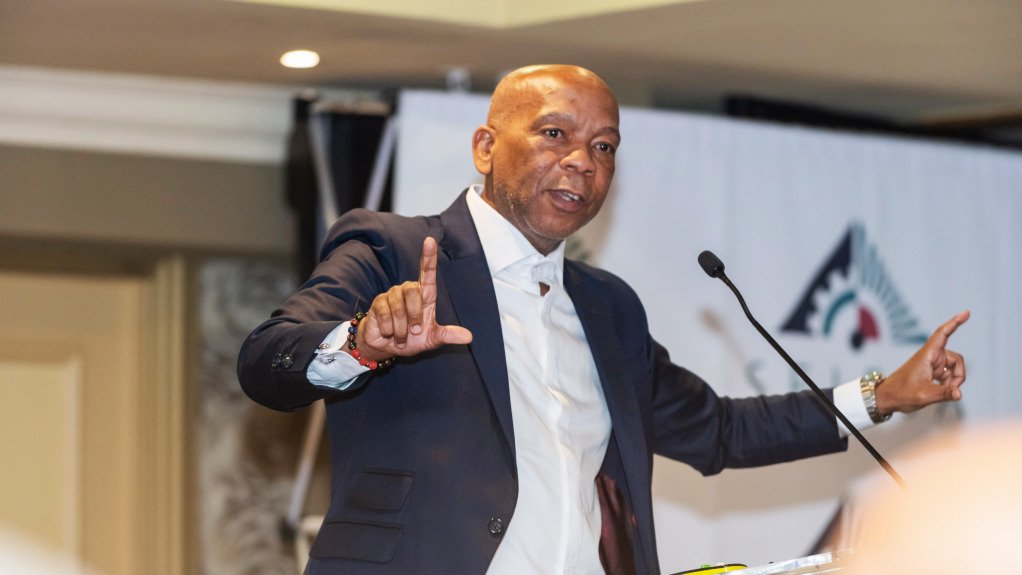
Electricity & energy minister Kgosientsho Ramokgopa has a record of getting things done since his first appointment to the portfolio, and we do not question his commitment to doing his utmost to push through pricing reforms aimed at reducing prohibitive tariffs, which have hobbled mining operations and also hurt household budgets.Ramokgopa did not single-handedly end the load-shedding that had plagued the country on and off since the late 2000s. In fact the bulk of the credit goes to the engineers and management at Eskom who worked day and night, consciously shifting from years of ineffectual firefighting mode to aggressive maintenance, returning failed units at power stations to service and reducing unexpected breakdowns.But the minister, himself an engineer, was a crucial political and co-ordinating figure in the turnaround, giving the professionals at the state utility the space to do what they knew best without undue interference. He also publicly set out tangible turnaround targets by which his performance as minister should be judged and has arguably fulfilled many of them.We are not out of the woods though. Though electricity generation has improved vastly over the past couple of years, with more independent producers coming on stream, the country needs more than R440bn over the next decade or so to modernise and expand the national transmission grid by 14,000km-14,500km. We have reported on and expressed our disquiet at the bickering that threatens that critical project.Ramokgopa has also been typically frank about how cripplingly high our electricity tariffs are, telling a media briefing earlier this week that they have rocketed more than six times the rate of inflation since 2007, a major stumbling block to the meaningful economic growth that has eluded South Africa for more than a decade.On paper, the proposals he is putting forward in a draft electricity pricing policy to be published on Friday sound like no-brainers that should have been in place years ago, including a transparent tariff path requiring energy regulator Nersa to publish a 10-year price forecast for electricity that will help industries with their financial planning.Ramokgopa also wants to regulate the pricing mechanisms used by private generators that are challenging Eskom’s monopoly on distribution and to compel the power utility and municipalities to issue detailed bills outlining exactly what customers are being charged for. We welcome the fact that these providers will now be barred from using tariffs to offset some of the debt owed to them, thereby punishing those that settle their bills timeously. It is also laudable that the government wants to raise the amount of free-basic electricity that poor households receive each month, recognising that even the most indigent families now use fridges, television sets and other modern gadgets that use up more power than they needed two decades ago.But our cautious optimism about the plan is tempered by the fact that Ramokgopa cannot achieve this alone. He is part of a cabinet not exactly known for its swift responses to the country’s pressing challenges.Making the new plan work also requires billing efficiencies from municipalities whose systems have been repeatedly shown to be in disarray. We also seriously doubt their buy-in for a system that will cut out the millions of rand that contribute to many of their revenues through pricing mark-ups. Whether the national government can whip these local authorities into compliance once the pricing policy is in place is in serious doubt after the National Treasury recently caved by releasing funding it had withheld from financially delinquent municipalities, arguing that it wanted to protect services to residents. We wait to be pleasantly surprised.
EDITORIAL | Jury out on whether Ramokgopa can push through electricity pricing reforms
Sluggish cabinet, municipal resistance and billing inefficiencies are major hurdles to reducing electricity tariffs
592 words~3 min read