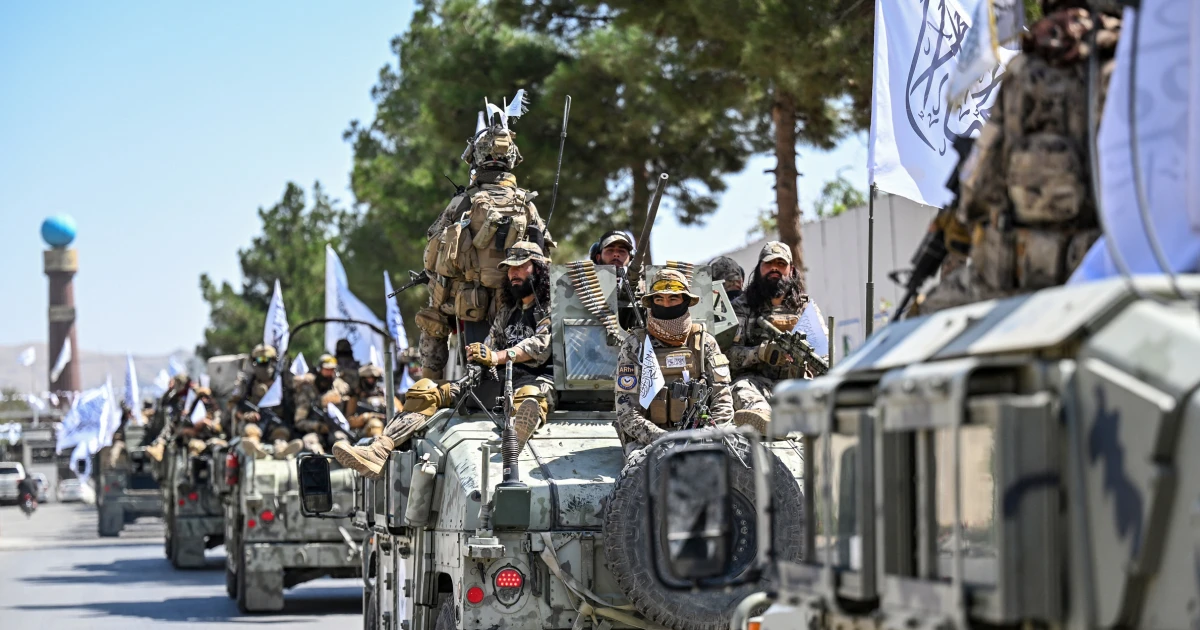
A lack of rights, falling wages, deteriorating living conditions: Five years of Taliban rule have brought changes to Afghanistan, but not the ones many Afghans hoped for.Though roadside bombs and violent clashes between warring factions have largely subsided, the country faces a profound economic crisis, a severe humanitarian emergency that has left millions of people in need of aid, and near-total international isolation over the Taliban’s human rights record, particularly its systematic erasure of women and girls from public life.For a lot of Afghans, hope may not be completely lost, but it has taken a major hit.“I’ve been driving a taxi in Kabul for 20 years, but over the past five years, I have seen problems that I had never experienced before,” a cab driver told RFE/RL of the financial hardship he has experienced under the Taliban.“All I want is to earn a halal living and put food on the table,” the man in his mid-40s said near his taxi, which is almost the same age.
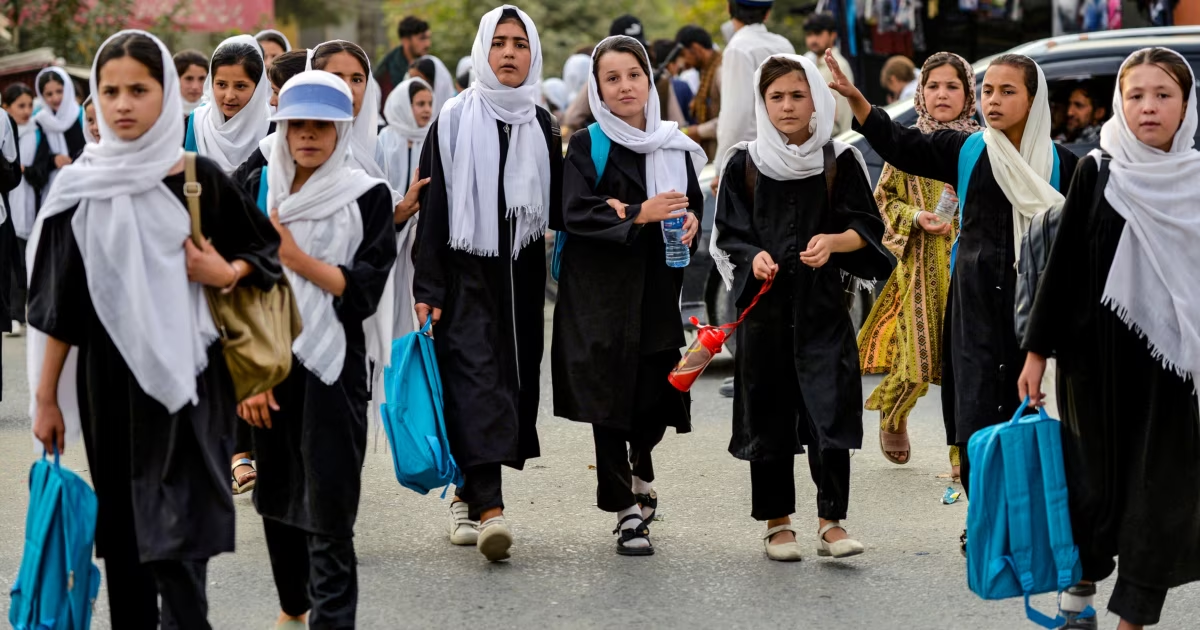
When they seized power in August 2021 as international forces withdrew, the Taliban inherited a structurally fragile economy heavily dependent on inflows of foreign aid.But that has all but dried up as Taliban policies, especially the almost total isolation of females from public life outside their homes, halted the flow of funds.Afghans from large business owners to retailers, transporters, and daily wage laborers now complain about falling earnings and shrinking economic opportunities under the Taliban.'Medieval Ideas Of Governance'An April 2025 World Bank report said that “poverty, food insecurity, and malnutrition remain pressing challenges” in Taliban-ruled Afghanistan where high unemployment and restrictions on women continue to strain livelihoods.With girls’ secondary-school enrollment at just 3 percent, the World Bank report says a “generation of young women faces a future of poverty and dependence.”“The Taliban are using medieval ideas of governance to rule a country which faces complex 21st century challenges,” said Michael Semple, a professor at Queens University Belfast.The Taliban has restored relative calm after decades of conflict.Bomb blasts and security concerns have eased, but analysts say the regime has done little to address its major challenge -- establishing economic stability and ensuring good governance to improve living standards.