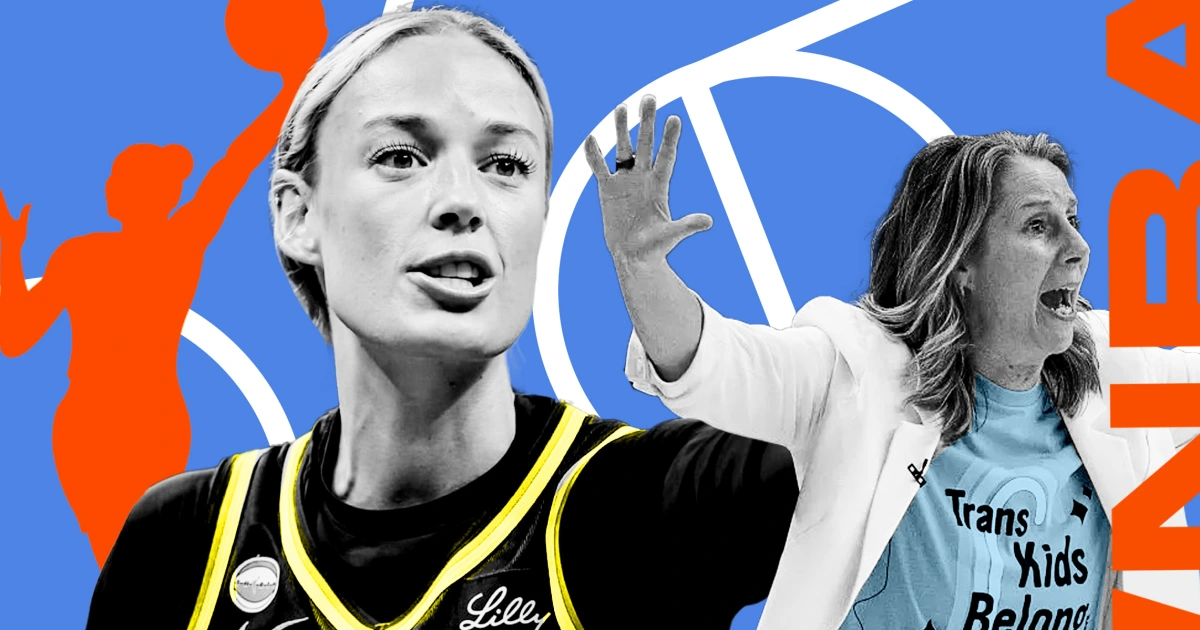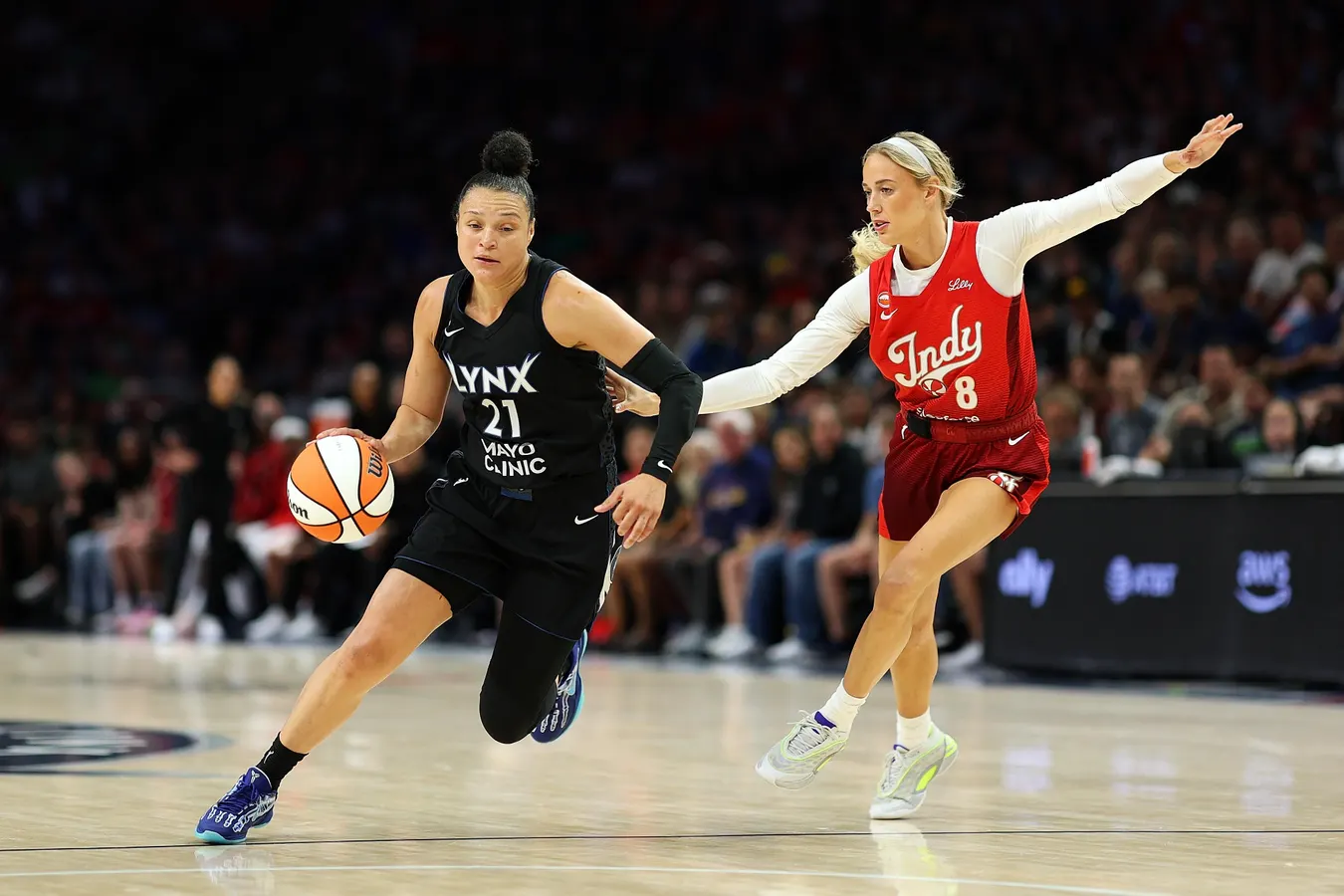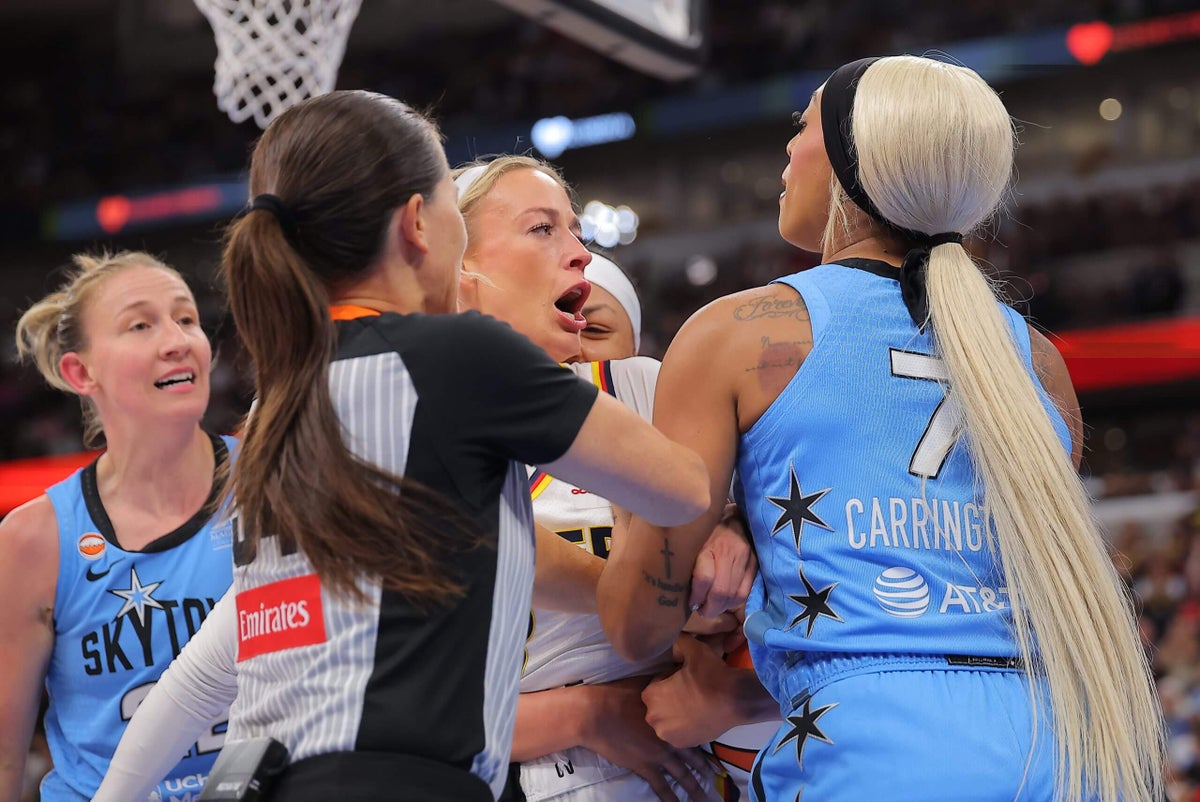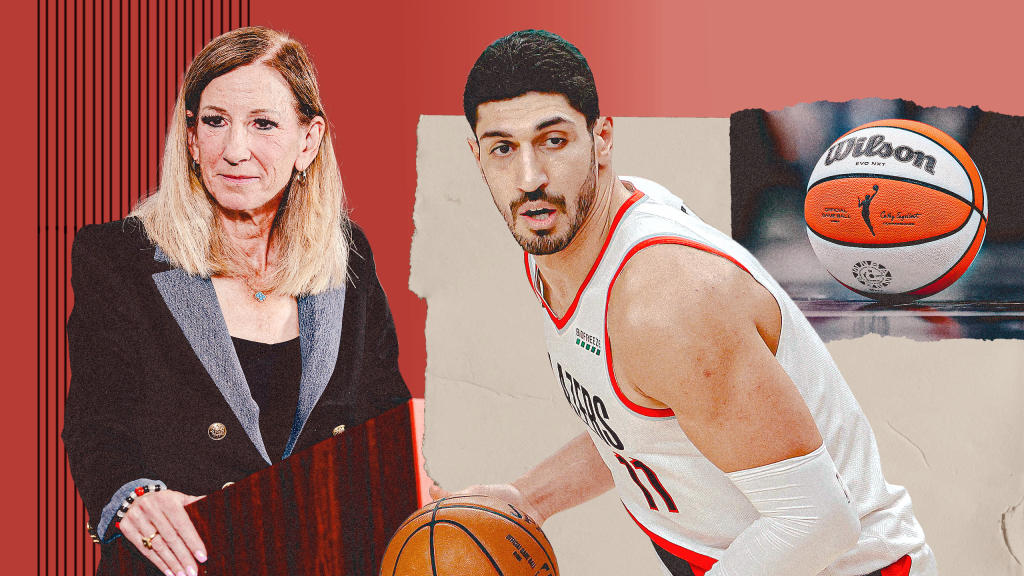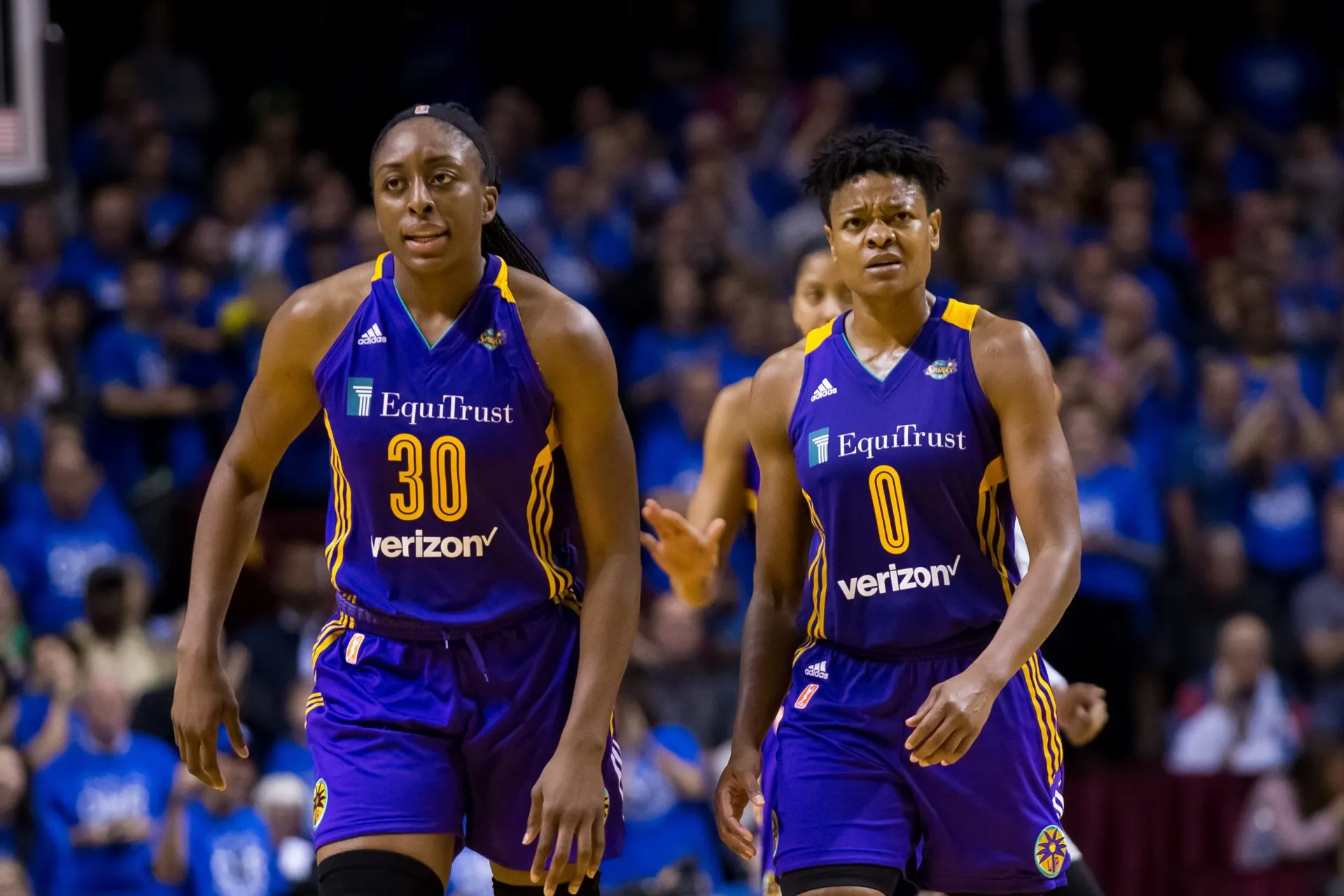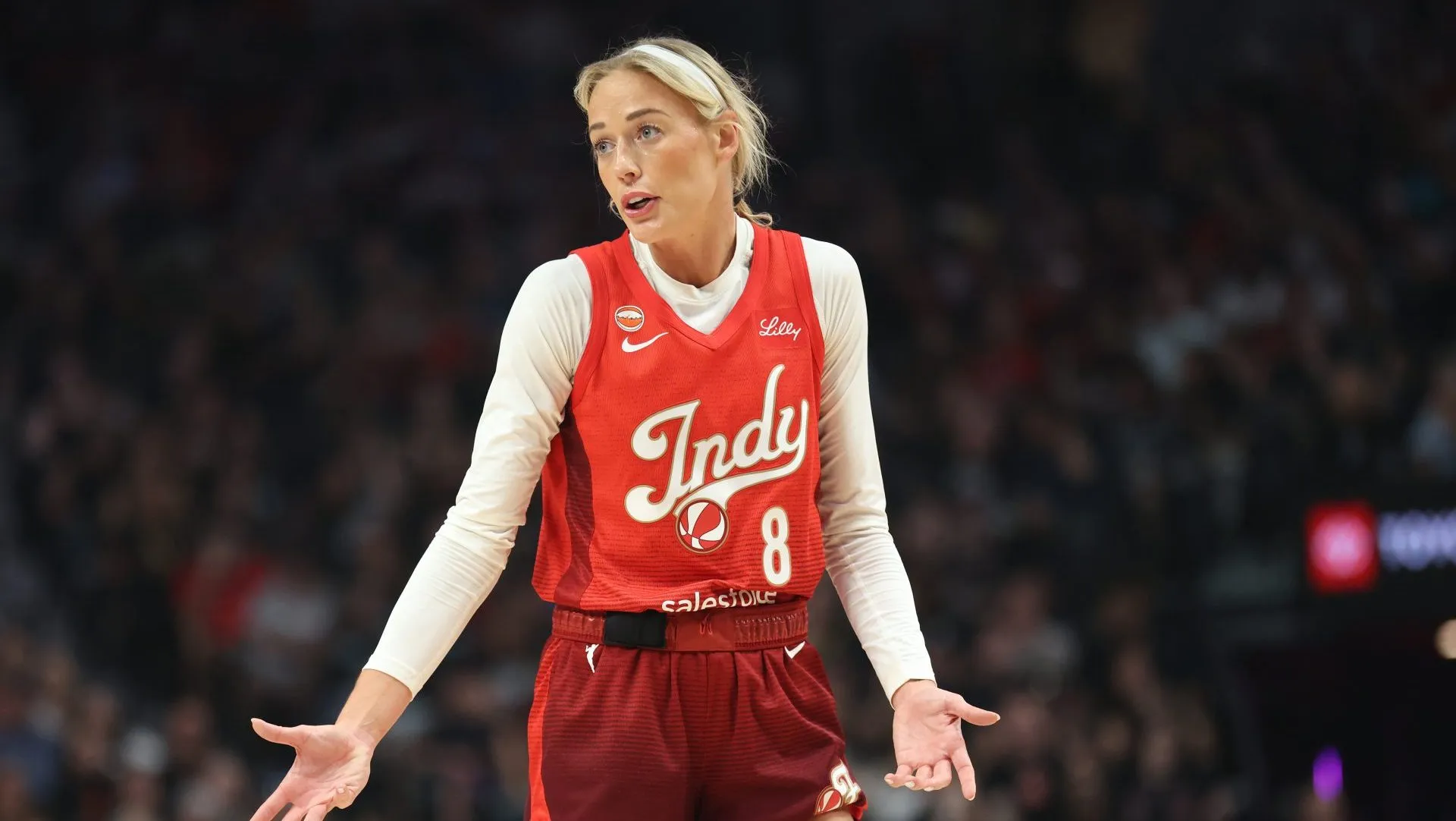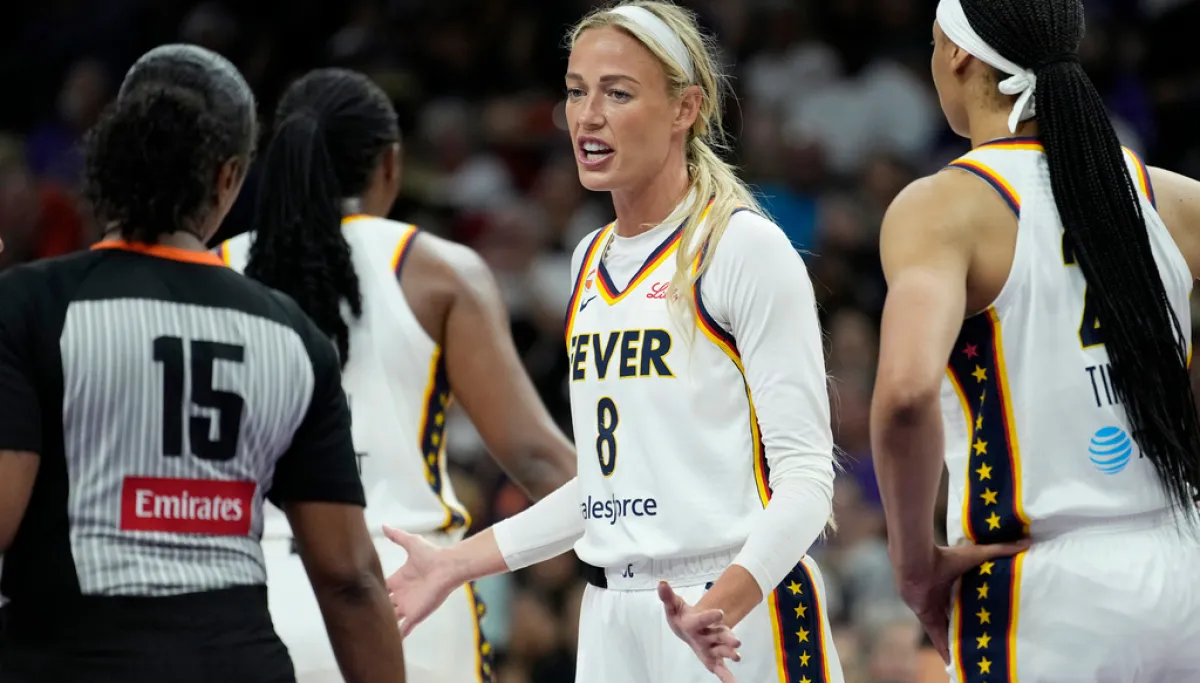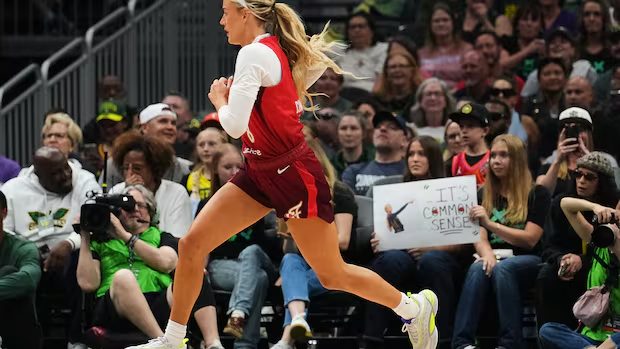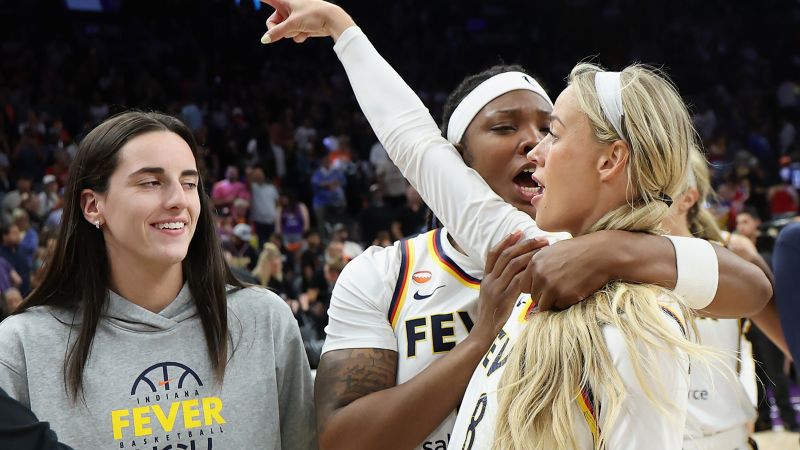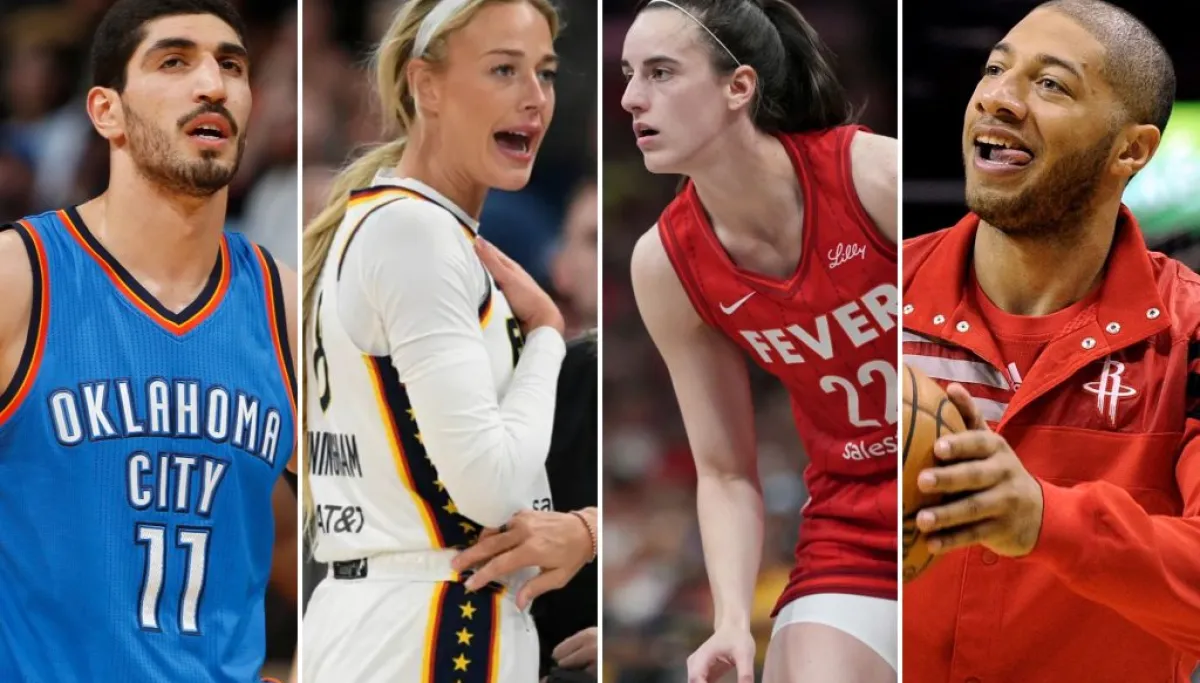
For the first time in my lifetime, the WNBA is culturally relevant. Not because of how skilled the athletes are, but because of how polarizing it has become in the age of Caitlin Clark and Sophie Cunningham. In the process, left-wing narratives about race and gender are unraveling before our eyes.The conversation surrounding the league has shifted from whether the NBA should subsidize an organization that loses millions of dollars per year without turning a profit, to concepts such as so-called “white privilege” and “trans inclusion.” This controversy has come to a head over the last week, with two male basketball players identifying as women to declare for the WNBA draft.Enis Kanter Freedom had a solid 11-year career in the NBA. By no means was he a superstar, but he carved out a role for himself with his scoring prowess, despite being a defensive liability. Royce White was a colossal draft bust. The former first-round pick played nine total minutes over three games. He did not score a single point despite being drafted 16th overall. With all that said, both these guys would put up 1960s Wilt Chamberlain numbers in the WNBA.Clark and Cunningham have been at the center of the race and gender debates. Clark, undoubtedly the most electric player in the league, is the only woman who could sell tickets — and that has clearly offended the league’s black players, who have been giving the Indiana Fever star the Michael Jordan ”Bad Boys” Pistons treatment. In other words, they’re taking dirty, cheap shots both on and off the court. Cunningham was brought in as an enforcer to protect Clark, but her presence has only poured gas on the flame.
From ‘white privilege’ to ‘trans inclusion’: WNBA is relevant for the wrong reasons
Rising culture wars over race and trans inclusion in the WNBA are unraveling left-wing narratives about gender identity, biological sex, and privilege.
769 words~3 min read