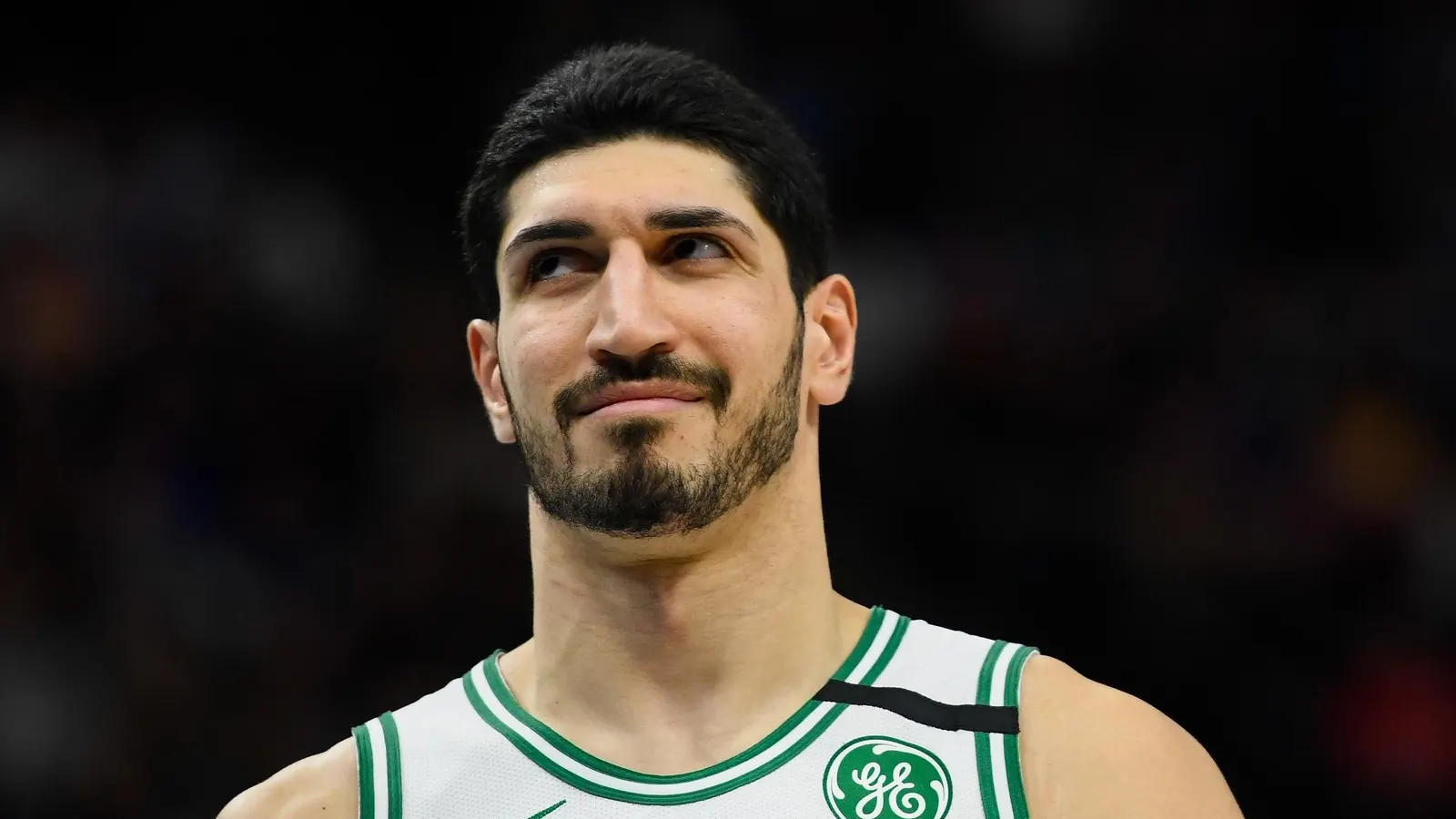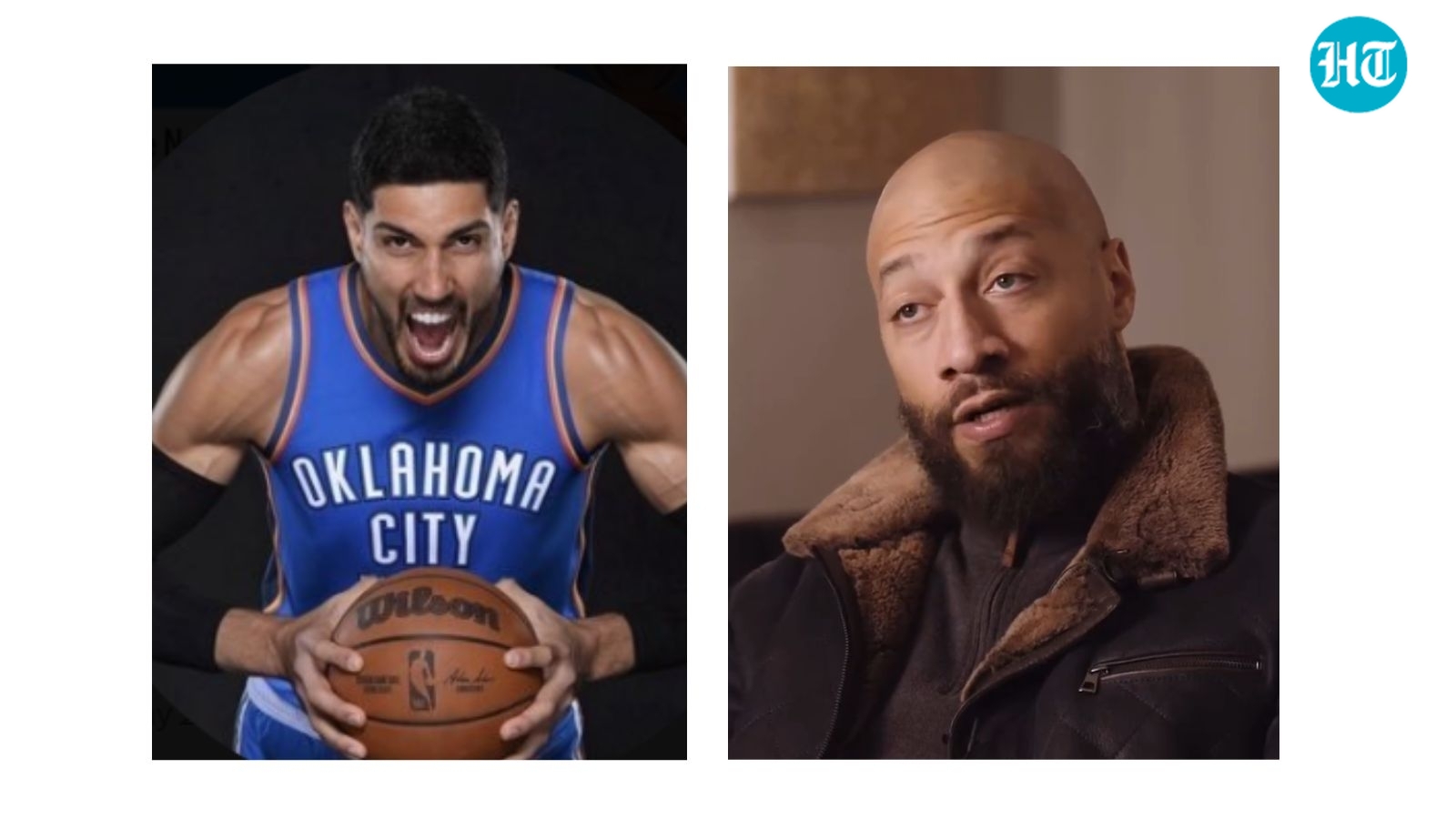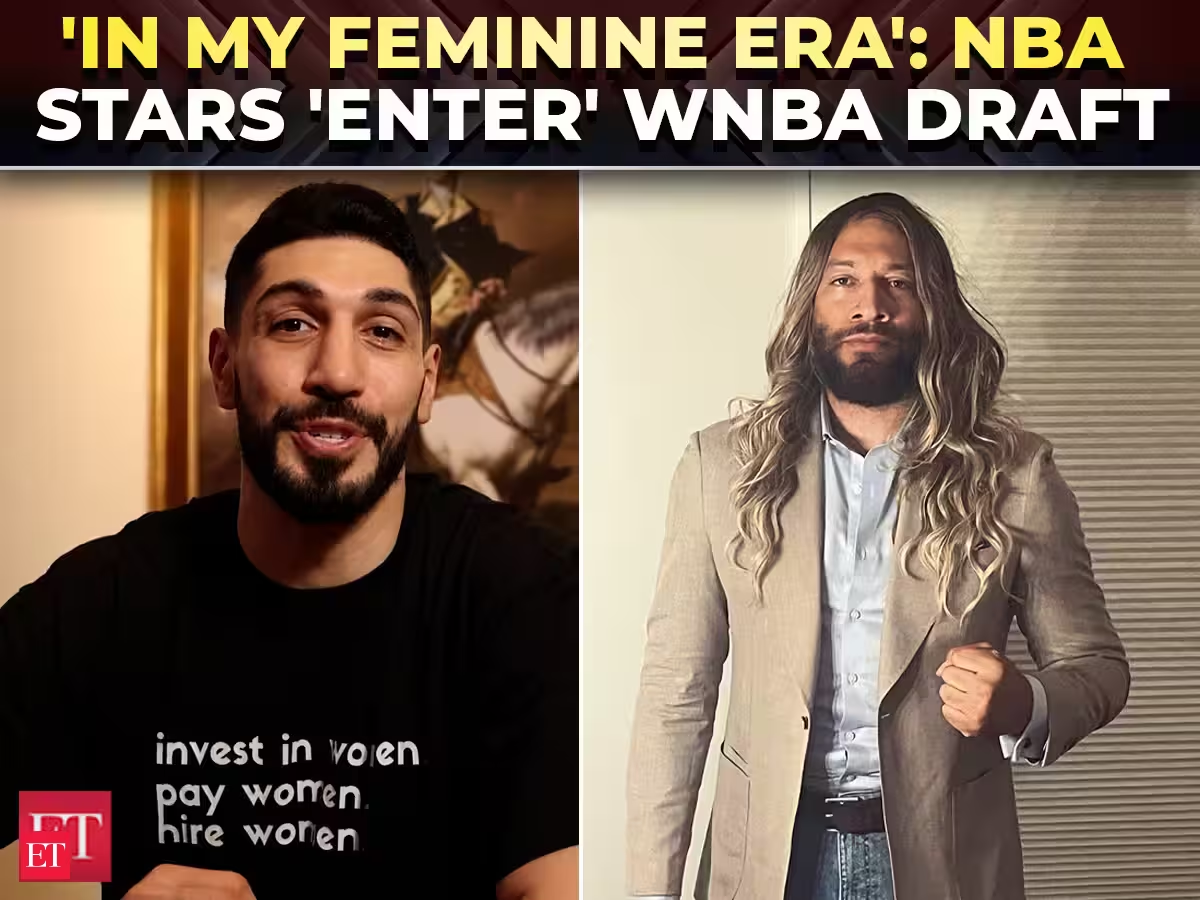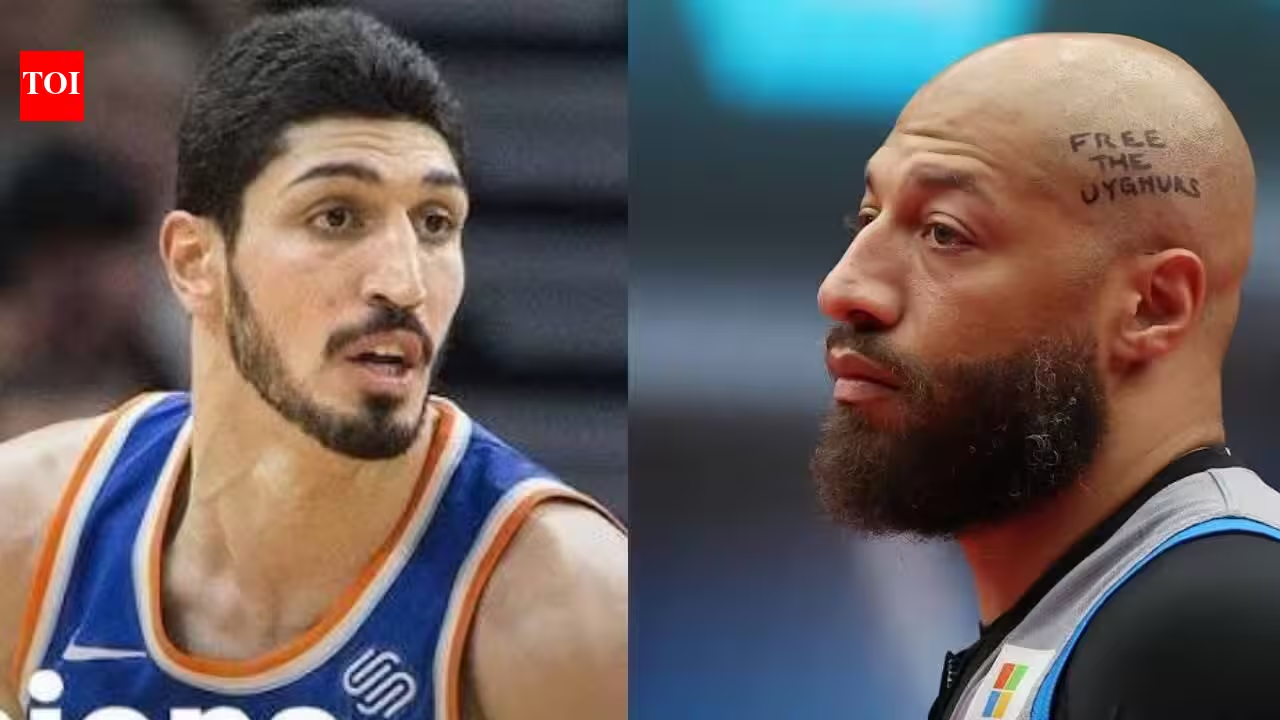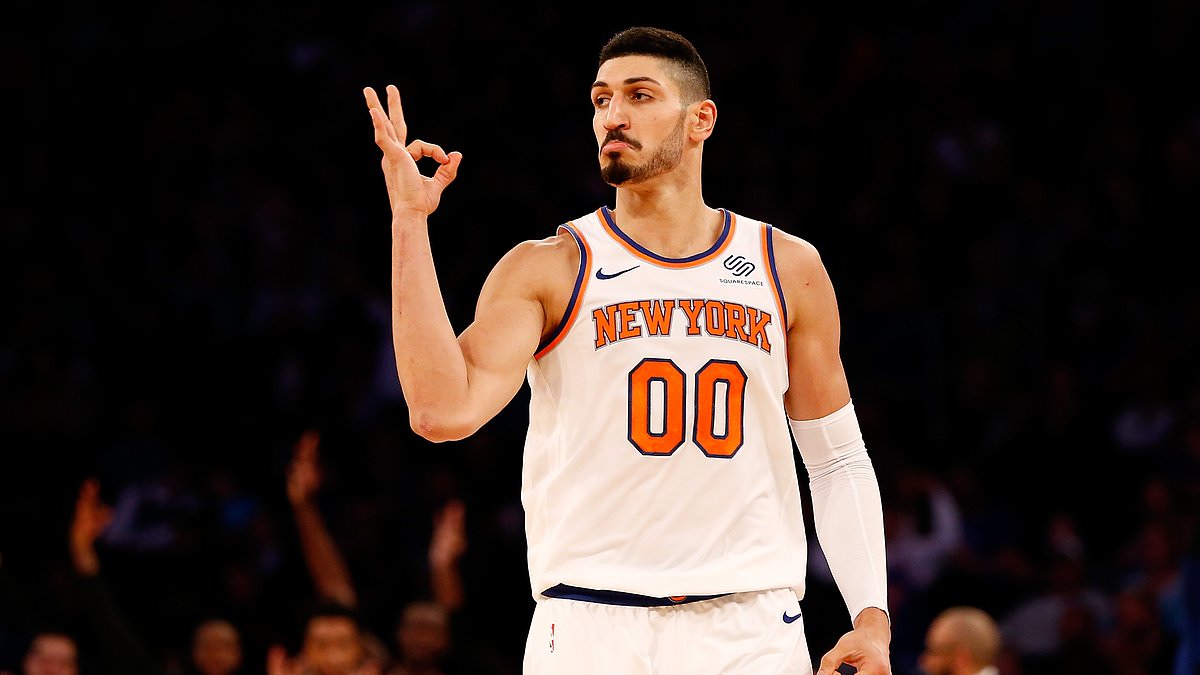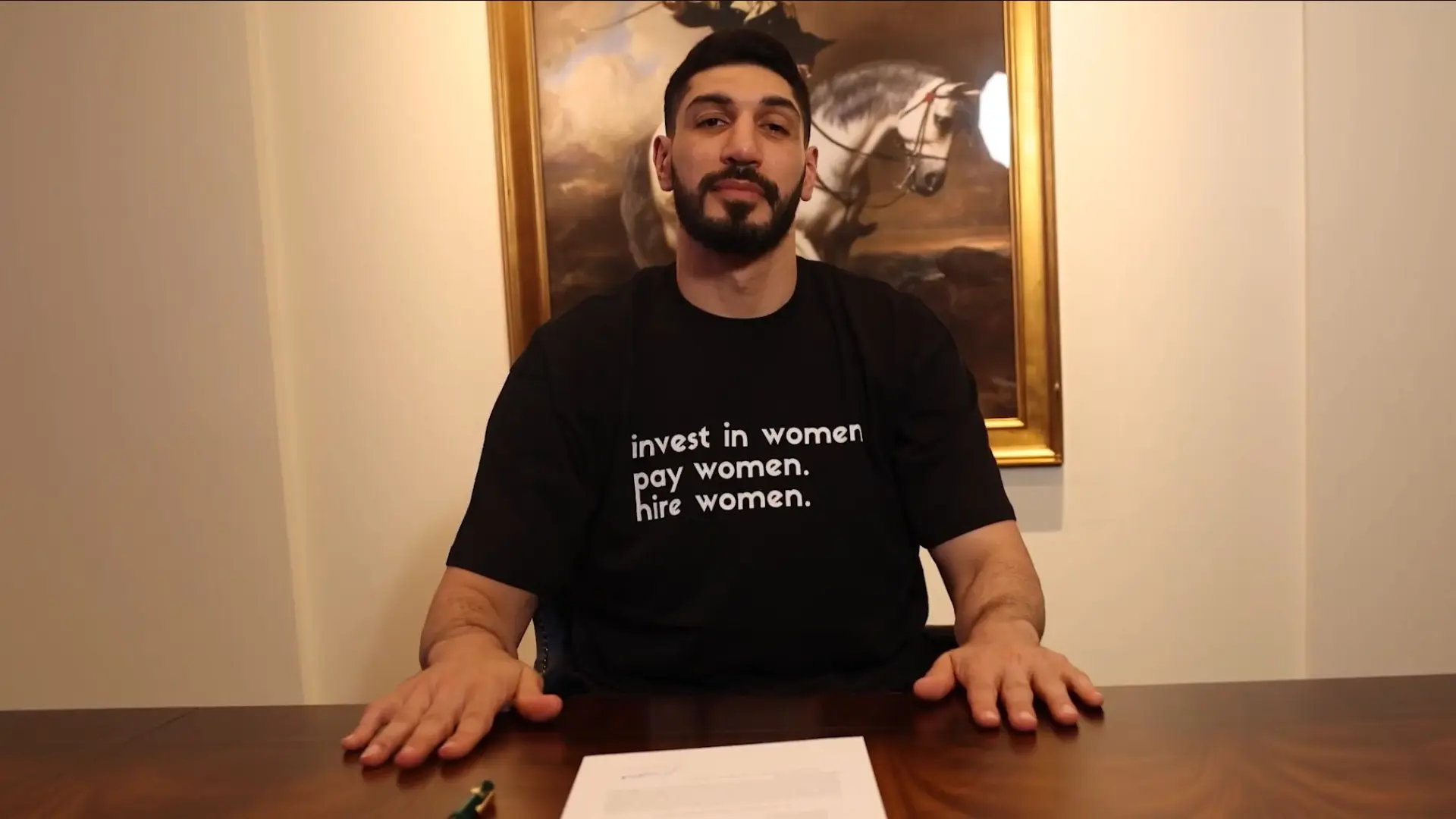
As former NBA players Enes Kanter Freedom and Royce White say they want to be eligible for the 2027 WNBA Draft, and as commentators debate Indiana Fever player Sophie Cunningham wanting to protect “young girls in sport who shouldn’t have to go against biological men,” the possibility of a transgender woman seeking entry into the WNBA has become a news topic.
It’s one that raises interesting legal questions even if there’s no indication that a court would need to answer those questions anytime soon.
“It’s a challenging eligibility issue for the WNBA on several levels,” attorney Alan Milstein, who litigated on behalf of Maurice Clarett in his eligibility lawsuit against the NFL and who has represented other high-profile athletes in cases, told Sportico. “The league has a stake in protecting its core purpose of delivering the highest-level women’s basketball, and it also has a diverse fan base and has promoted inclusivity.”
Article XIII of the WNBA’s CBA states that “only players who are women are eligible to play in the WNBA.” The CBA doesn’t define “women,” and thus doesn’t address whether an athlete who was assigned male at birth, but who identifies as a woman, meets the requirement.
There are two matters: one involves Kanter and White, and the other involves the topic more broadly.