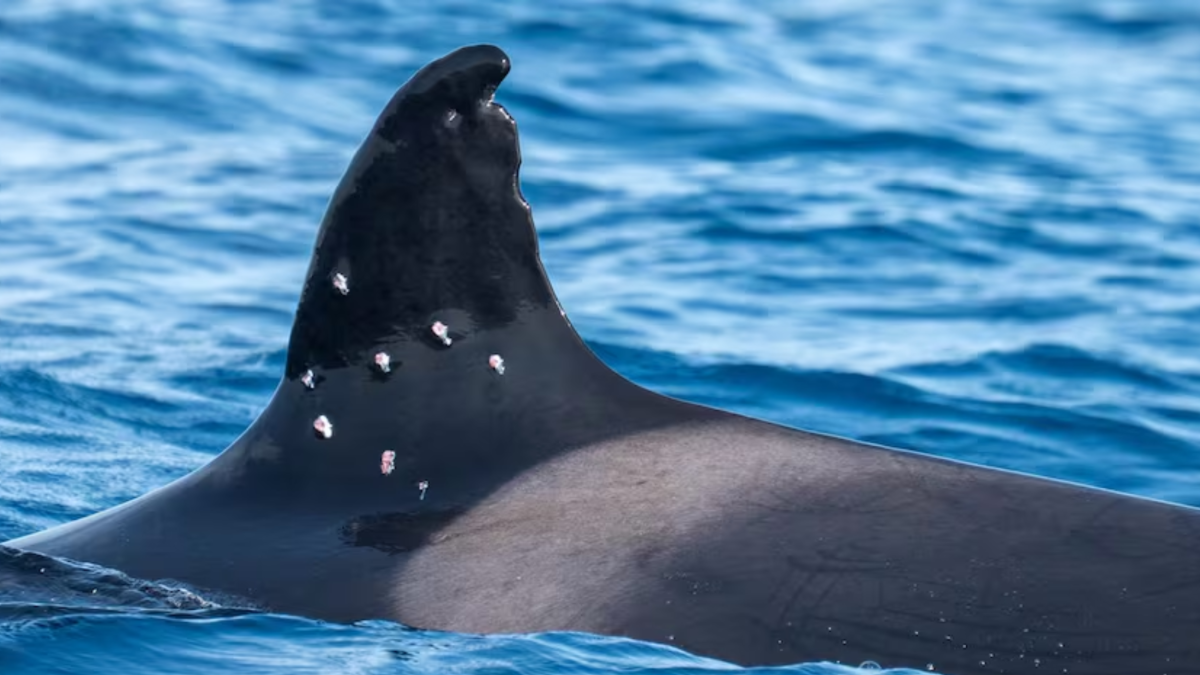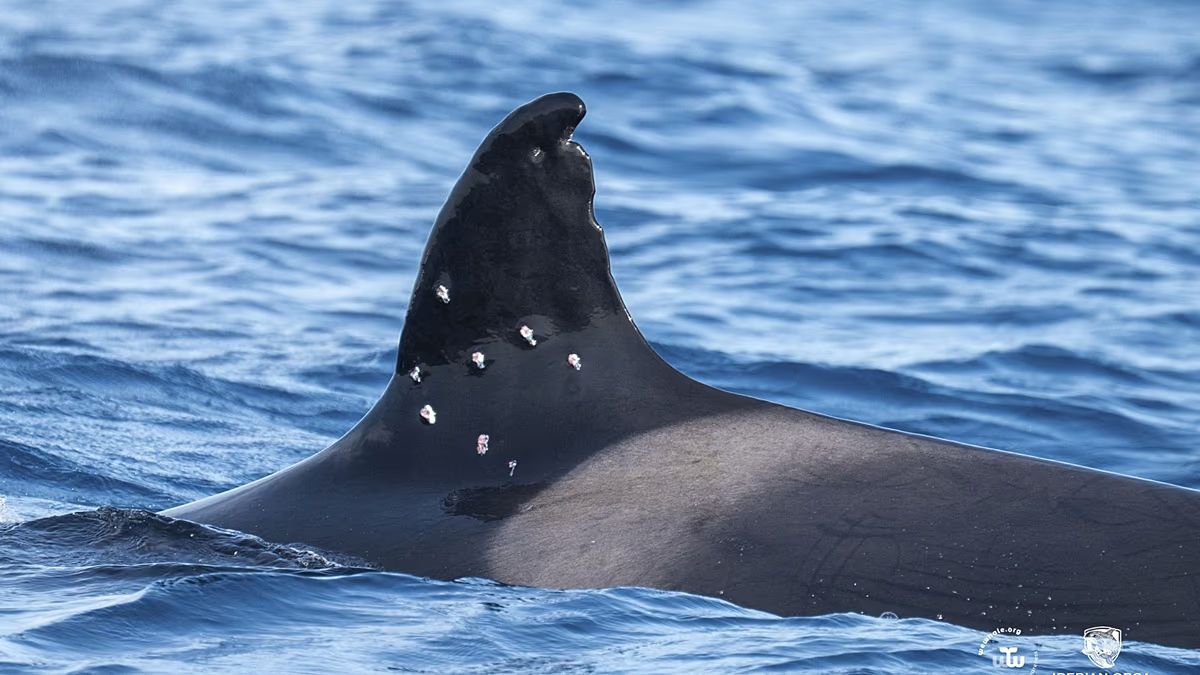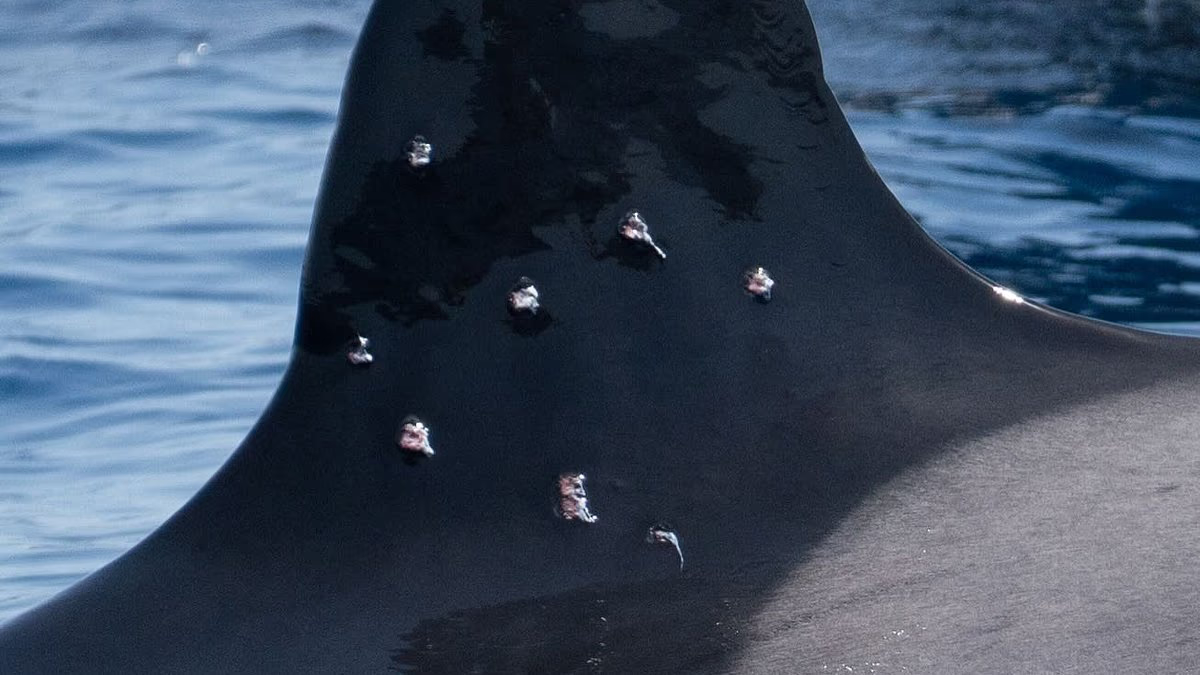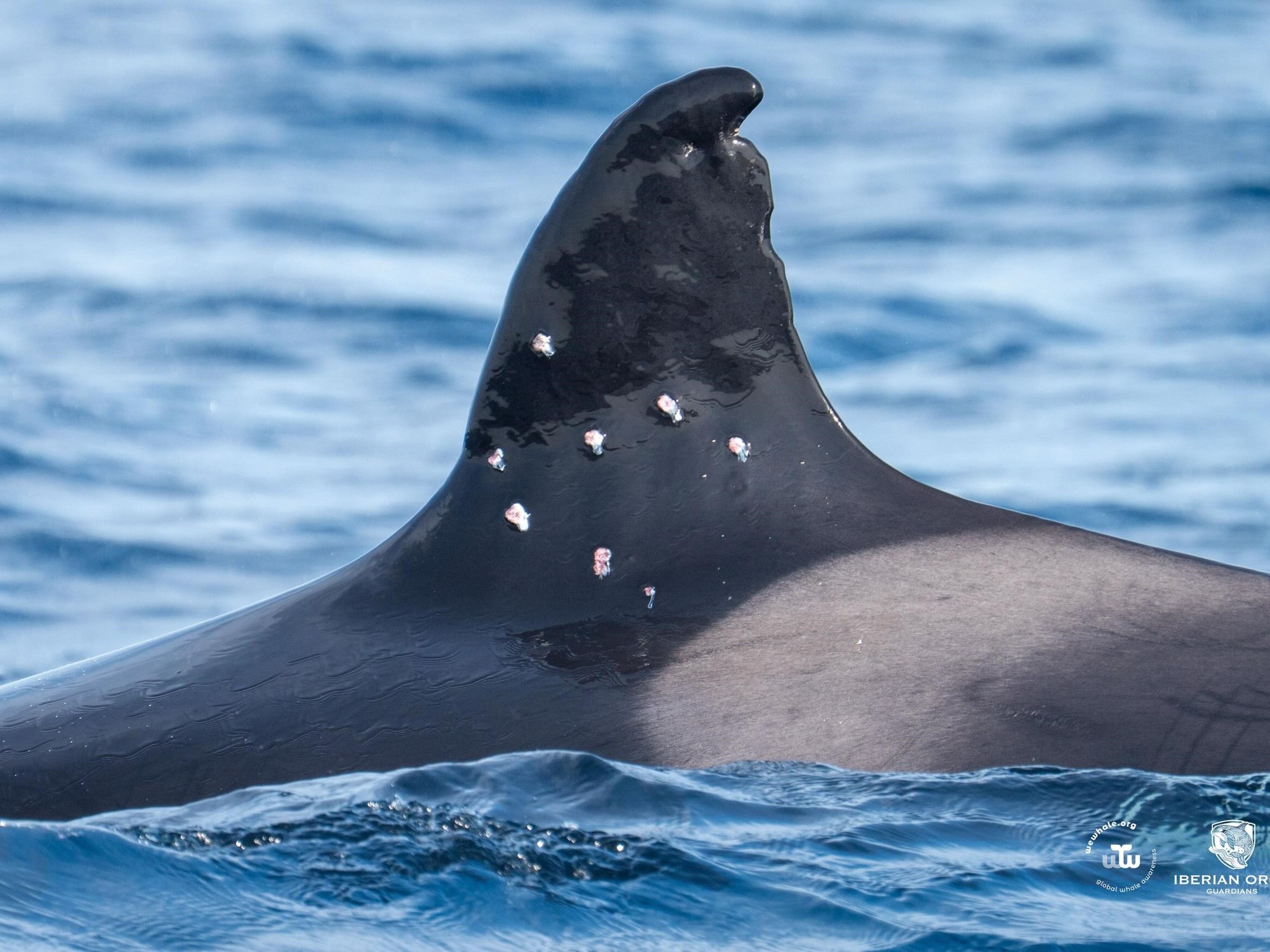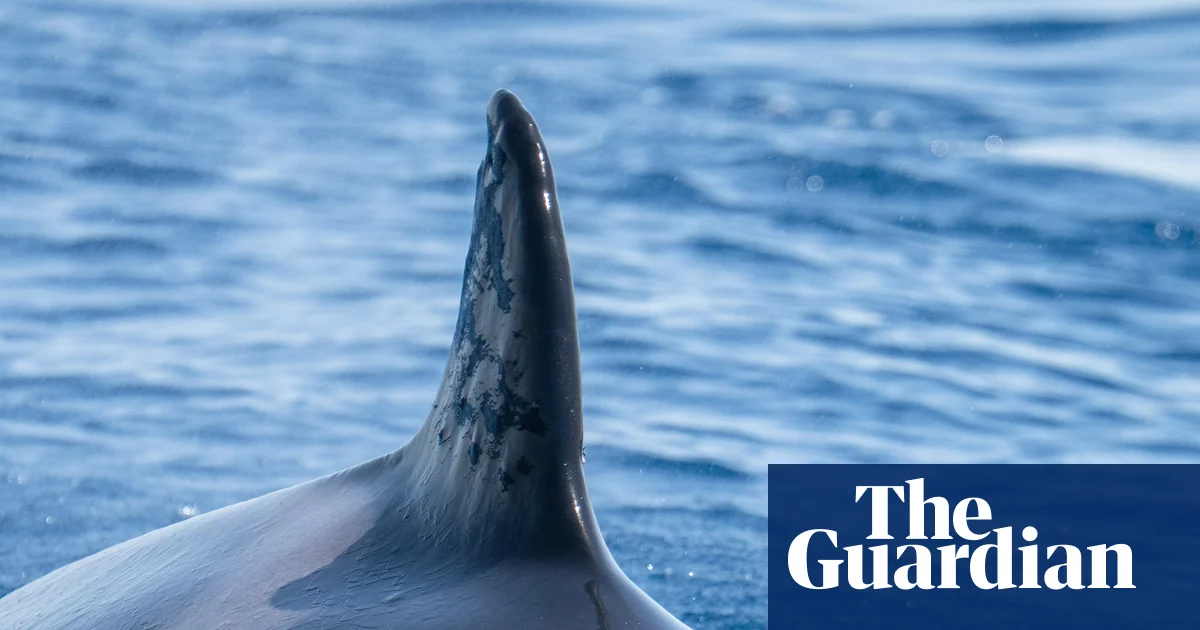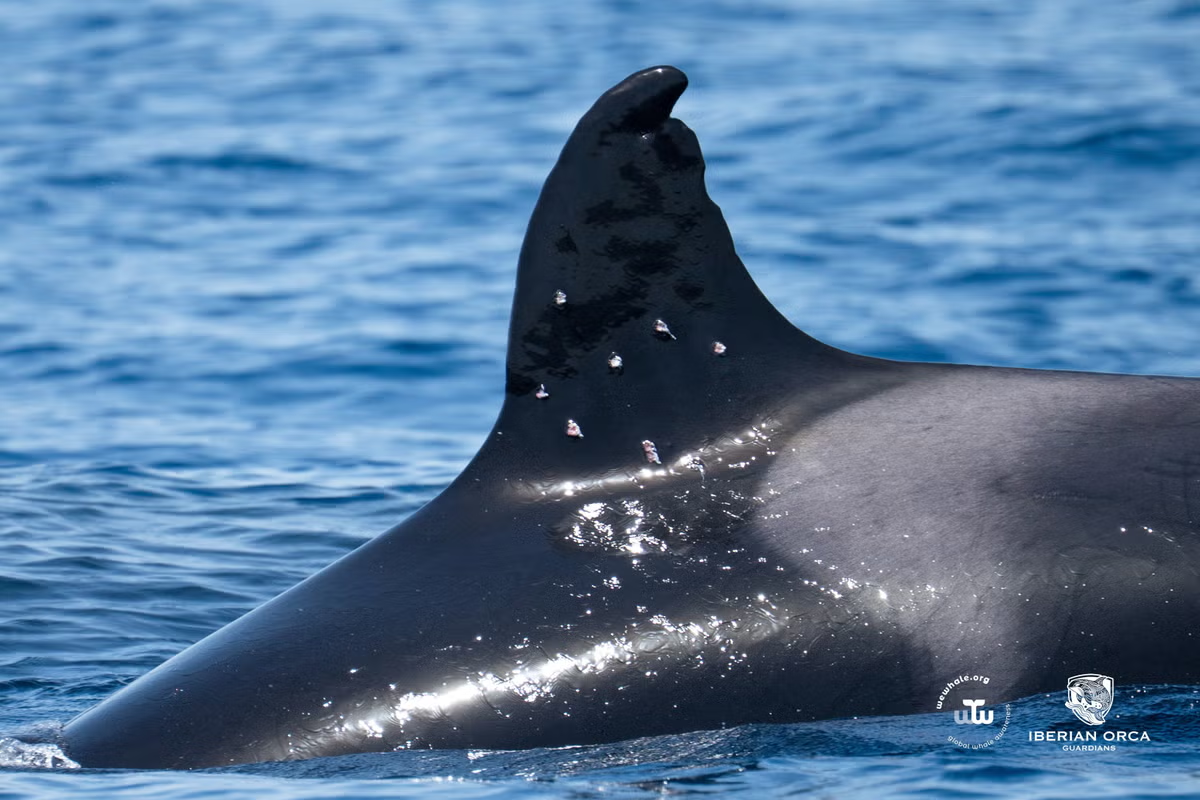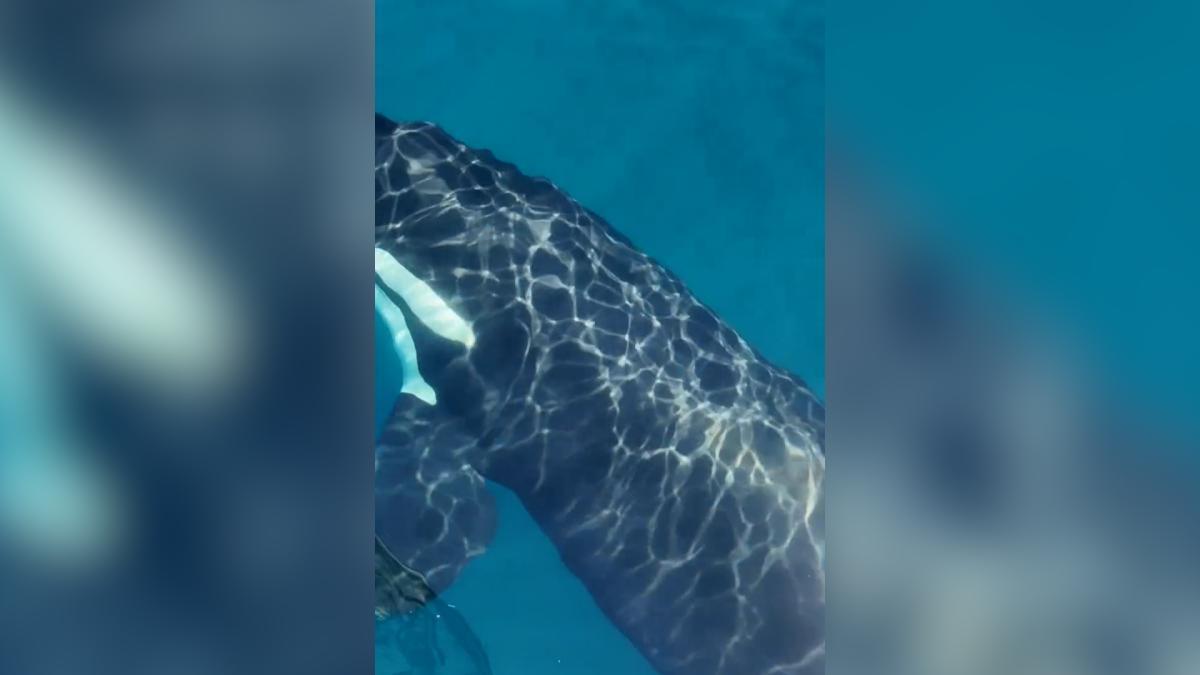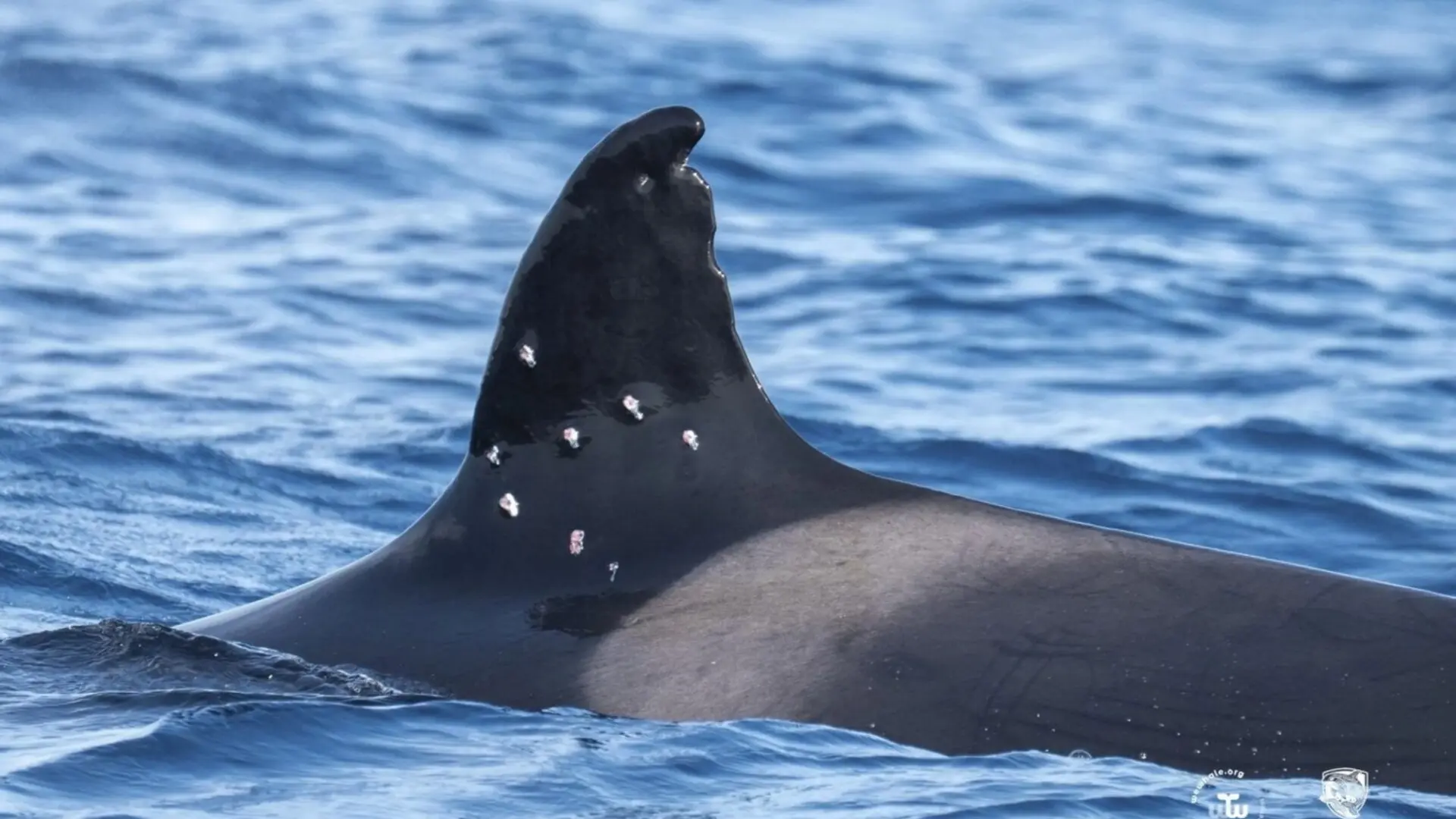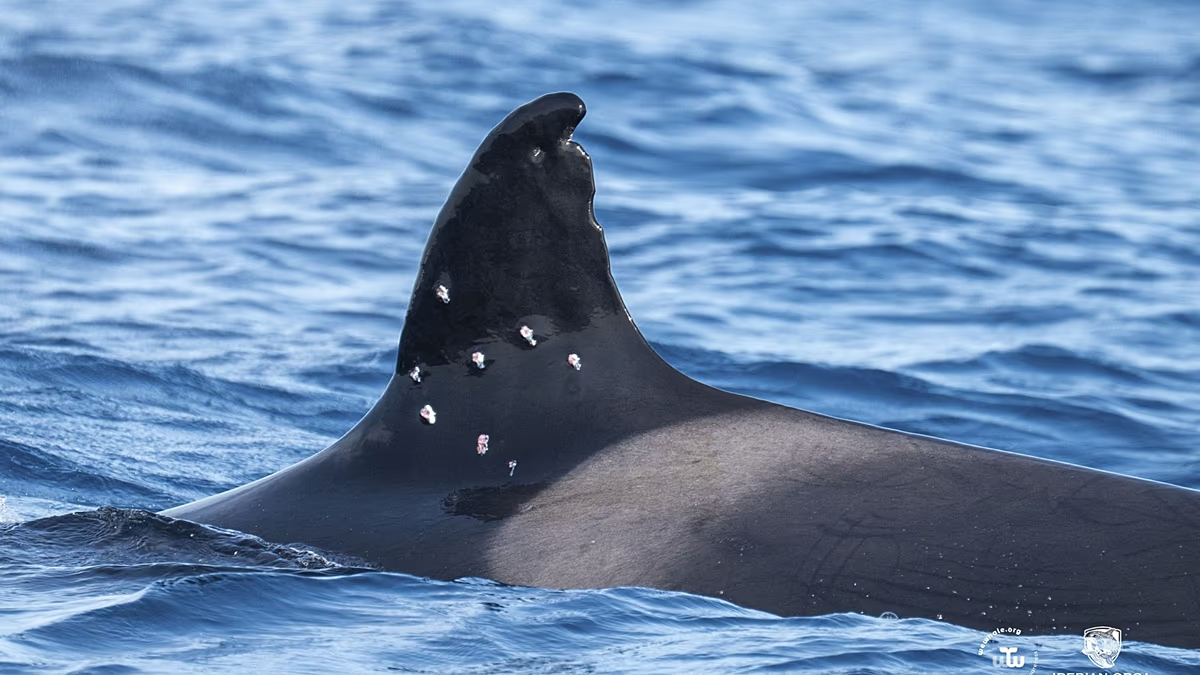
Toñi is around 60 years old and is known among researchers as the "grandmother" of the orca population that moves between the Strait of Gibraltar and the Gulf of Cádiz. This week she has appeared with as many as a dozen marks on her dorsal fin and back which, according to the organisations that monitor her, were not there in the photographs taken a few weeks earlier.
It was the conservation group WeWhale that raised the alarm after comparing the animal’s current condition with its previous photographic record. Janek Andre, founder of WeWhale and Iberian Orca Guardians, said that the wounds now visible on the fin and back are, in his view, consistent with the impact of a shotgun blast.
The Atlantic Orca Working Group has gone further in its technical assessment. According to this collective, the injuries could correspond to lead pellets of around 9 millimetres, similar to those used in buckshot cartridges for wild boar, and it notes that this type of ammunition usually spreads nine projectiles in three rows of three, a pattern they consider to match the arrangement of the marks found on the animal.
Investigation under way
The Ministry for the Ecological Transition and the Demographic Challenge learned of the case on the afternoon of 11 August, through information submitted by WeWhale (source in Spanish), an organisation authorised to operate in the area. The following day, the Directorate-General for Biodiversity, Forests and Desertification opened preliminary proceedings to clarify the facts and, if appropriate, to launch a sanctions procedure against those responsible.