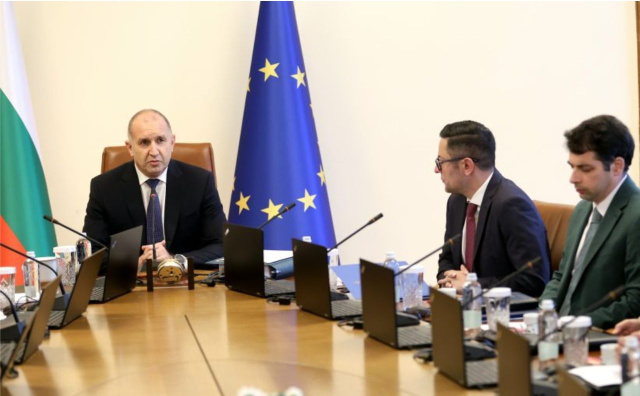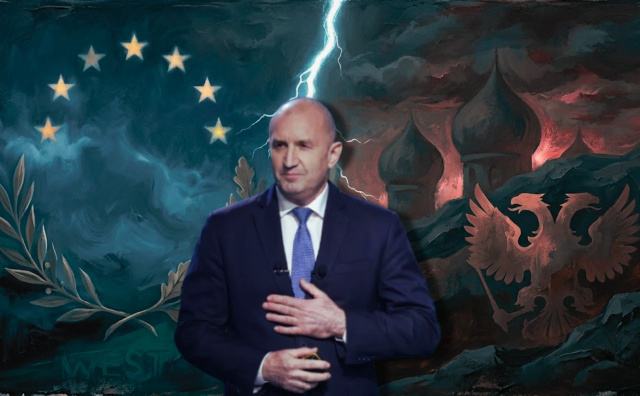
The foreign policy program of the government of Prime Minister Rumen Radev for 2026-2030 keeps Bulgaria’s membership in the European Union and NATO as the foundation of the country’s international policy, while calling for a more active role in both organizations and a stronger defense of national interests.
The document argues that the main measure of success should no longer simply be membership in European and Euro-Atlantic structures, but “the efficiency with which it is used.” The government plans to identify European issues of national importance at an early stage, develop national positions and seek alliances with countries sharing similar interests.
A major priority will be the negotiations over the EU’s 2028-2034 Multiannual Financial Framework. Bulgaria intends to coordinate its position with other countries and seek to preserve funding for cohesion and agriculture while gaining access to new European instruments for defense, connectivity and technology.
NATO policy is not expected to undergo a strategic shift. Instead, the program emphasizes Bulgaria’s role as “a country on the external border of the EU and NATO” and calls for a greater contribution to common defense capabilities, maritime security and stability in the Western Balkans. Sofia also intends to actively defend its positions within the EU, NATO, the Organization for Security and Cooperation in Europe, the United Nations and the Council of Europe by building coalitions with other member states.