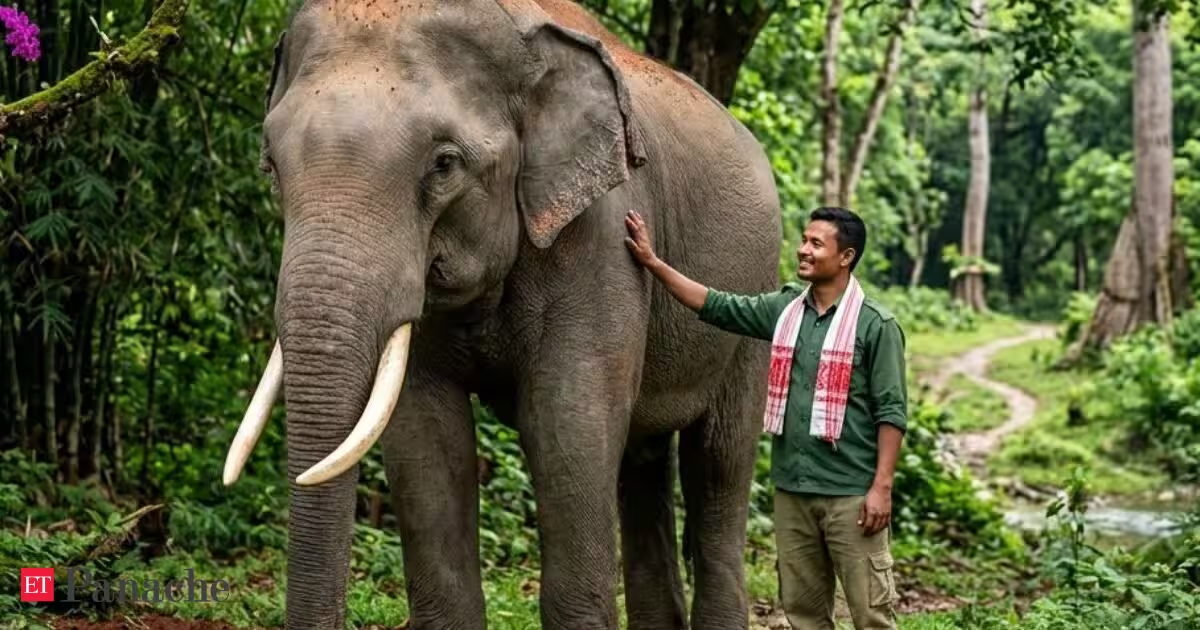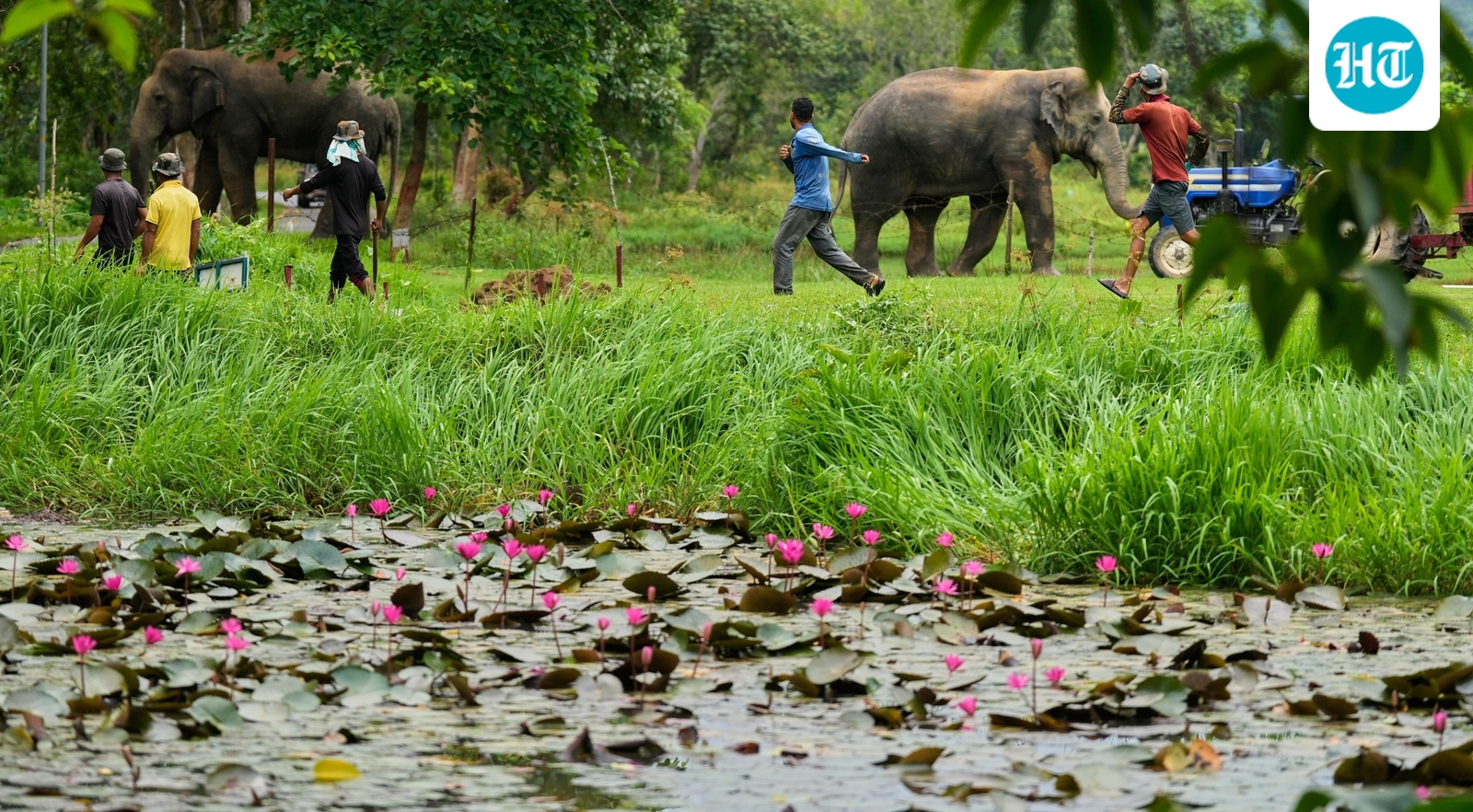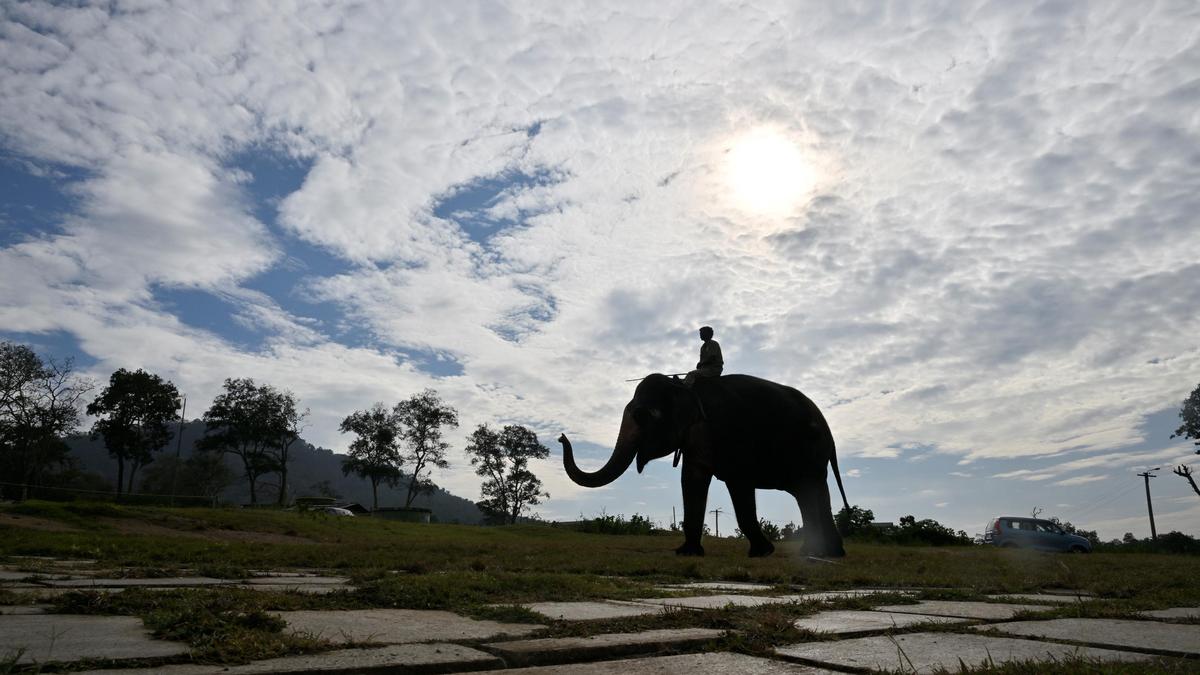
“Long before biodiversity became a science, Indigenous communities knew the forests by heart. They carry generations of knowledge about elephants, grasslands, forests, medicinal plants, wildlife, water and seasons, shaped by centuries of living with nature. Across the world, Indigenous Peoples are guardians of some of the Earth’s most precious ecosystems and its remaining biodiversity. Their deep connection with the land, passed down through generations, offers invaluable lessons in living sustainably with nature. On World Indigenous Peoples’ Day, let us honour their wisdom and resilience, amplify their voices, protect their rights and, above all, learn from them,” tweeted Supriya Sahu, Additional Chief Secretary, Government of Tamil Nadu turning the spotlight on the indigenous communities, the unsung heroes who dedicate a lifetime caring for the animals.This World Elephant Day, we look at the mahouts (elephant trainers) and cavadies (assistants) from tribal communities who form the backbone of captive elephant care in Tamil Nadu at some of the oldest elephant camps in the country known for working with rescued conflict animals.Kaatunaickers, Kurumbas, and Malasars: Theppakadu campTucked away amidst the Mudumalai Tiger Reserve (MTR), along the banks of the river Moyar, is the Theppakadu Elephant Camp, one of the oldest camps in Asia that dates back to the 1920s where as many as 27 elephants are rehabilitated. The tribal communities of Kaatunaickers, Kurumbas, and Malasars have been the caretakers for generations. The Oscar-winning documentary The Elephant Whisperers featuring Bomman and Bellie, and their unbreakable bond with Raghu, an orphaned elephant, was filmed at the camp highlighting the bond humans and animals can share. The mahouts are drawn mostly from local tribal communities like Malasars and Irulas. The maintenance of the camp and training of elephants is done as per the traditional knowledge of tribes.It is the only camp where elephants are trained without using conventional tools like ankush (a stick with a pointed hook). Some of the oldest caretakers like C Mari, a mahout for three decades fondly talks of 65-year-old Kamatchi, captured from Pollachi and elephants named Senthilvadivdu, Cheran, and Bama he took care of for years, like his children.Forest officials share how the tribal people gained traditional wisdom of elephant behaviour, a combination of science and compassion, handed down generations, in taking care of the elephants. As a retired mahout M Maran from the Nilgiris who oversees the training at the camp, and has worked there for 38 years, puts it, “Once the rescued elephants are placed inside stalls, we offer sugarcane and nurture our bond. We teach a few commands, pat them and treat them with love. They reciprocate.”
Guardians of the gentle giants: Mahouts from indigenous communities and their bond with elephants
a look at the bond between tribal people and elephants
1,347 words~6 min read